Top 10 Iconic Converse Sneakers
What’s good, Street Sneakers Vault fam! Let’s have a real conversation about a brand that’s been holding down the culture for more than a century. We’re talking about Converse. While the hype cycle spins on—one week it’s chunky dad shoes, the next it’s sleek runners—Converse has stayed that reliable homie who never changes. They’re not just shoes; they’re a uniform. From punk rock basements to high-fashion runways, from NBA hardwood to skatepark ledges, the Chuck Taylor has seen it all.
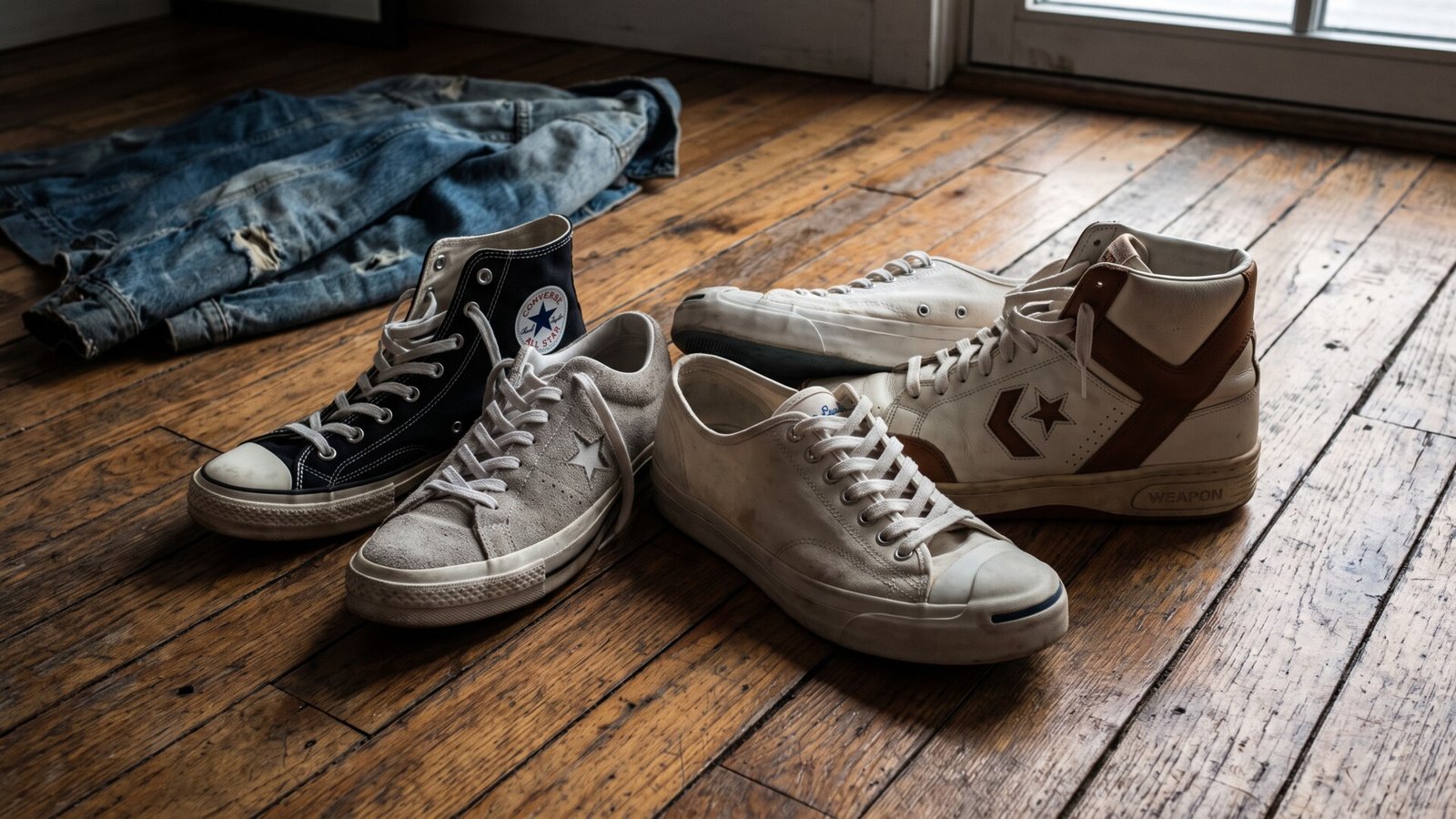
But here’s the thing: Converse is more than just the Chuck. There’s a whole vault of iconic silhouettes that have shaped streetwear and sneaker culture as we know it. Some are grails, some are underrated beaters, and some are modern legends. Below are the ten most iconic Converse sneakers that deserve a spot in your rotation, plus sizing notes, price ranges, styling ideas and a quick guide to which pair to buy first. If you want the full brand story first, start with our Converse sneakers guide.
Quick Answer: Which Iconic Converse Should You Buy?
Short on time? If you only want one pair, the Chuck 70 is the best all-round pick for most people because of its heavier canvas and better cushioning. If you want the cheapest way into the brand, the Chuck Taylor All Star does the job. If you want something cleaner and a bit dressier, look at the Jack Purcell or the One Star. Here’s the whole lineup at a glance:
| Model | Upper | Best for | Typical US price range* |
|---|---|---|---|
| Chuck Taylor All Star | Canvas | Cheapest classic, everyday beater | $50–$65 (low and high tops, from Converse’s own listings) |
| Chuck 70 | Heavier canvas | Daily wear, best value upgrade | $65–$95 (Converse listings; sale to full price) |
| One Star | Suede | Skate-flavored casual wear | Price not verified |
| Jack Purcell | Canvas or leather | Polished, low-key looks | Price not verified |
| Pro Leather | Leather | Retro basketball look | Price varies by release; limited collabs have listed around $95–$105 |
| Fastbreak | Leather/synthetic | Retro, padded ankle comfort | Price not verified |
| All Star Pro BB | Synthetic/mesh | Actual basketball use | Price not verified |
| Off-White x Chuck 70 | Collab materials | Collectors | Resale only, volatile |
| Fear of God Essentials x Chuck 70 | Premium canvas | Minimal, elevated look | Launched at $110 in 2018; resale varies |
| All Star Slip | Canvas | Quick errands | Price not verified |
The Evolution of Converse Sneakers
Before we dive into the top ten, a quick history lesson. Converse was founded in Malden, Massachusetts, in the first decade of the 1900s (the company’s own timeline marks its opening in 1909). They weren’t always about streetwear; they were about utility, starting with rubber footwear before moving into canvas shoes. In 1917 they introduced a basketball shoe called the Non-Skid, which was renamed the All Star in 1919. That was the birth of the sneaker as we know it.
Then, in the early 1920s, a basketball player named Charles “Chuck” Taylor joined the company as a salesman, promoting the shoe as a player and coach. His signature was added to the ankle patch in the 1930s, and in 1936 Converse sponsored the first U.S. men’s Olympic basketball team, which cemented the white canvas, red-and-blue-pinstripe look we recognize today. For decades, it was the basketball shoe.
But here’s where the magic happens. As basketball moved on to more technical footwear in the 70s and 80s, the Chuck found a new home. It was cheap, accessible, and looked cool. It got adopted by the counterculture—hippies, punks, rockers, and skaters. It became a symbol of rebellion and self-expression rather than athletic performance. Nike acquired Converse in 2003, and the Chuck 70 followed in 2013 as a premium take on the vintage build. Converse didn’t just sell shoes; they sold an attitude. And that attitude is exactly why they remain a pillar in streetwear culture, alongside other giants you can find on our sneaker brands hub.
The Top Iconic Converse Sneakers
Alright, enough history. Let’s get to the good stuff. These are the ten silhouettes that define the brand, from the timeless classics to the modern heat.
1. Chuck Taylor All Star
You didn’t think we’d start anywhere else, did you? The Chuck Taylor All Star is the foundation of the entire sneaker world. The high-top version with that white rubber toe cap and the ankle patch is instantly recognizable in every corner of the globe.
Cultural Significance: This is the canvas that painted the sound of rock ‘n’ roll. Kurt Cobain wore them. The Ramones wore them. Every garage band in the 90s had a pair. It’s the uniform of the artist, the skater, and the kid who doesn’t want to follow the rules. It’s a blank slate that represents individuality.
Real-world use: Let’s keep it 100. The original Chuck is not a performance shoe. The sole is flat, the cushioning is minimal, and they can take a minute to break in. But that’s not why you buy them. You buy them because they work with jeans, shorts, and even suits. They’re the ultimate versatile beater. If you’re standing all day, your feet might feel it, so consider swapping in an aftermarket insole if you’re planning to walk a lot. This is the entry point for anyone looking to get into the brand. Converse’s own listings put the canvas high and low tops at roughly $50–$65. If you’re ready to cop the classic, check the price on [Affiliate: Amazon].
2. Converse One Star
If the Chuck is the punk rocker, the One Star is the cool skater kid who listens to lo-fi hip hop. This sneaker has a suede upper and a simple, clean design with a lone star on the side. It’s subtle but packs a punch.
Cultural Significance: The One Star debuted back in 1971, but it really found a second life when the skate scene embraced it in the 90s and 2010s. Collaborations like the Golf Wang versions brought it back into the spotlight, making it a staple for the streetwear crowd.
Real-world use: This is a casual wear king. The suede gives it a slightly more premium feel than the canvas Chuck, and it’s a low-profile shoe that works when you want a clean look without screaming for attention. Suede does need more care than canvas (a brush and a protector spray go a long way), but a worn-in pair has its own charm. If you’re looking for a sneaker that transitions from day to night, this is a strong option. See the latest colorways and prices on [Affiliate: Amazon].
3. Converse Jack Purcell
Now we’re getting into the underrated territory. The Jack Purcell is named after the Canadian badminton champion who helped design the shoe in the 1930s with B.F. Goodrich. Converse later acquired the rights (its own timeline says 1972). It’s characterized by the unique “smile” toe cap—that curved line across the front of the shoe.
Cultural Significance: This shoe has always had a more sophisticated, preppy vibe compared to the Chuck. It started life on badminton and tennis courts before crossing over into everyday wear. It’s the thinking man’s Converse. It’s not as loud as the Chuck, but it carries a quiet confidence that’s hard to match.
Real-world use: The Jack Purcell is great for everyday wear when you want a touch of class. The low, clean profile looks more polished than a Chuck, so it’s a great alternative if you dress a little sharper. Throw them on with chinos and a button-down, and you’re good to go. It’s a versatile piece that deserves more love. Grab a pair from [Affiliate: Amazon].
4. Converse Pro Leather
Let’s travel back to the 70s and 80s. The Pro Leather was Converse’s answer to the changing basketball game. It featured a leather upper and a star chevron logo on the side, which was a huge departure from the canvas All Star.
Cultural Significance: This was the shoe worn by “Dr. J” Julius Erving when he was flying through the air. This is a piece of basketball history that later transitioned into streetwear, especially with the 80s hip-hop scene. (Larry Bird and Magic Johnson, often lumped in with this shoe, were actually the faces of the Converse Weapon, a different model.)
Real-world use: The leather upper makes it sturdier than the canvas models. It’s a solid choice for casual wear—not for hardcore hoops anymore. The retro aesthetic is on point, and leather is easier to wipe clean than canvas or suede. If you want a piece of history that still looks fresh, this is a solid pick. Check out the current deals on [Affiliate: Amazon].
5. Converse Fastbreak
The Fastbreak is another basketball legend that often gets overlooked. It dates to the early 80s, and Michael Jordan wore the Fastbreak Mid in the 1984 Olympic gold medal game, which gives it serious credibility.
Cultural Significance: This shoe represents the transition from the simple leather designs to more technical, performance-driven basketball sneakers. In recent years, it’s been re-released and has become a favorite in the streetwear community for its retro look.
Real-world use: The Fastbreak is a good fit for people who are always on the move. The padded collar adds a bit of ankle comfort, and the overall build feels more substantial than the Chuck. It’s a sleeper hit that you won’t see on everyone’s feet, which is a plus in our book. Find your size on [Affiliate: Amazon].
6. Converse All Star Pro BB
Now, this is where Converse shows they can still play in the performance game. The All Star Pro BB, launched in 2019, is a modern basketball shoe built for the court, and the original version used Nike React foam in the midsole (Nike has owned Converse since 2003). Note that Converse has updated the Pro BB line since then, so check which version you’re buying.
Cultural Significance: This shoe proves that heritage and innovation can coexist. It’s a nod to the past with an eye on the future, for the players who want a Converse look but need modern cushioning and traction.
Real-world use: This is the one to grab if you’re actually hitting the court. It’s built with more cushioning and traction than any other shoe on this list. It doesn’t look out of place off the court either, and you can rock these with joggers or jeans. If you’re a hooper who loves the culture, this is your best bet. See the specs and pricing on [Affiliate: Amazon].
7. Converse Chuck 70
Okay, we’re back to the Chuck, but this is the better Chuck. The Chuck 70 is the premium version of the original. It’s not a new silhouette, but it deserves its own spot because it’s the one we recommend to almost everyone.
Cultural Significance: Converse launched the Chuck 70 in 2013 as a nod to the build quality of the 1970s originals. It uses a heavier 12-ounce canvas, a raised rubber sidewall, and a more cushioned insole than the standard Chuck Taylor. It’s become the go-to for people who want the classic look with better durability and comfort.
Real-world use: This is the daily driver. The extra cushioning makes a noticeable difference if you’re on your feet a lot, and the thicker canvas holds up better over time. They still have that vintage charm, but they feel like a modern shoe. Converse’s listings put Chuck 70s at roughly $65–$95 depending on height and sale pricing. If you’re only going to buy one pair of Converse, make it the Chuck 70. You can compare prices on [Affiliate: Amazon].
8. Converse x Off-White Chuck Taylor
When Virgil Abloh touched the Chuck, the sneaker world collectively lost its mind. His Chuck 70 for Off-White arrived as part of “The Ten” project in 2017, and it’s a masterpiece of deconstruction and design.
Cultural Significance: The Off-White Chuck 70 carried Abloh’s signature deconstructed details and typographic labeling, and it blurred the lines between streetwear and high fashion like never before. For more on how collabs like this one fit into the brand’s story, see our rundown of limited edition Converse collaborations.
Real-world use: This is a statement piece, plain and simple. You’re wearing them to be seen, not for a hike. They were a grail for many collectors, but aftermarket prices swing a lot by size, condition and platform, so check live resale listings rather than trusting any single number. If you’re looking to add them to your collection, check the resale market on [Affiliate: Amazon].
9. Converse x Fear of God Essentials Chuck 70
Jerry Lorenzo’s Fear of God Essentials line is all about minimalism and elevated basics, and his collab with Converse is a natural match. The Chuck 70 gets a clean, stripped-back makeover with a muted color palette. It first dropped in December 2018 at $110 and has been re-released since.
Cultural Significance: This collaboration showed that a simple canvas shoe could be dressed up and treated like a premium item. It’s a favorite among the fashion-forward crowd who want that quiet, minimal aesthetic.
Real-world use: These are for the days when you want to look put-together without trying too hard. The tonal details make them stand out from regular Chucks, and they pair well with tailored trousers and oversized outerwear. Because they’re built on the Chuck 70 platform, you get that model’s extra cushioning too. Availability depends on the re-release, so see the latest Fear of God collab listings on [Affiliate: Amazon].
10. Converse All Star Slip
Last but not least, we have the All Star Slip. This is the lazy man’s Chuck, and we mean that as a compliment.
Cultural Significance: The slip-on is the ultimate casual shoe. It took the classic Chuck look and removed the laces for maximum convenience, which has made it a favorite for people who want an effortless look.
Real-world use: These are your go-to for quick errands, warm-weather days, or just hanging out. They’re easy to put on and take off, and they offer that classic Converse style without any fuss. They’re the definition of a beater shoe—perfect for when you need to step out but don’t want to think about your fit. They might not be the most supportive shoe, but they’re all about comfort and convenience. Grab a pair for your rotation on [Affiliate: Amazon].
Chuck Taylor All Star vs Chuck 70: Which One Is Worth It?
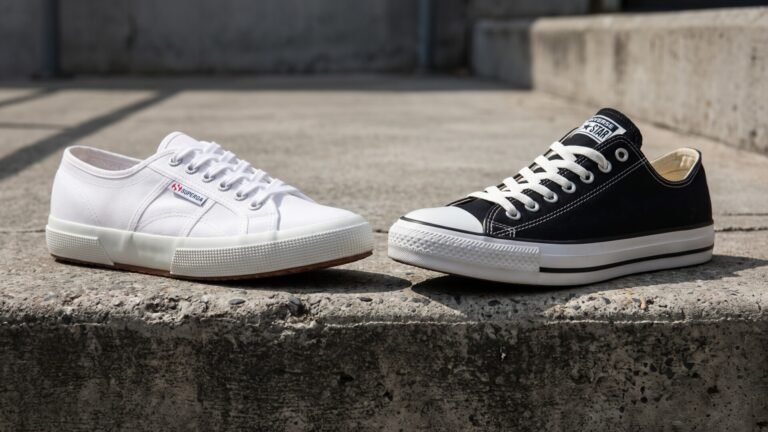
This is the question we get the most, so let’s settle it. The standard Chuck Taylor All Star is the cheaper, lighter, more basic shoe, with a thinner canvas and minimal cushioning. The Chuck 70 uses heavier canvas, a more cushioned insole and a raised rubber sidewall that adds some stability, and it costs somewhere around $25–$30 more at full price according to Converse’s own listings and independent reviews.
Pick the Chuck Taylor All Star if:
- You want the lowest price
- You’re buying for a festival, a beach trip or a kid who will wreck them anyway
- You like a lighter, flatter feel
Pick the Chuck 70 if:
- You’ll wear them several times a week
- You stand or walk a lot
- You want a pair that holds its shape longer
Sizing and Fit: What to Know Before You Order
Sizing is where a lot of first-time Converse buyers get tripped up, and it varies by model. A common tendency is that the classic Chuck Taylor All Star fits a little big, so many people go half a size down from their usual sneaker size, while the Chuck 70 is usually described as closer to true to size. Leather and suede models like the Pro Leather and One Star don’t stretch the way canvas does, so it’s worth trying them on or checking the return policy. Treat all of this as a tendency, not a promise, and check the official Converse size guide for your exact pair. If you have wide feet, try the shoes in person or look for retailers with easy returns, and if you have foot pain or a specific condition, a podiatrist is the right person to ask about footwear.
The Versatility of Converse Sneakers
One of the main reasons Converse has survived for over a century is how easy they are to style. You can dress them up or down, and they usually work.
- Casual: Pair your Chucks with ripped jeans and a graphic tee for that classic rocker look.
- Smart Casual: Throw on a pair of Jack Purcells or the Fear of God collab with chinos and a blazer. It adds a relaxed touch to a more formal outfit. Dark, slim-to-straight trousers with a clean white or black low top is the safest combo.
- Athletic: The Pro BB is your go-to for the court, but you can also rock the Fastbreak with track pants for a retro sporty vibe.
- Summer: Low-top canvas Chucks or the All Star Slip with shorts and no-show socks keep things light.
- Cold weather: High-top Chuck 70s with straight-leg denim or heavier chinos hold up well with a longer coat; leather models like the Pro Leather are easier to wipe down in wet weather.
The key is to not overthink it. Converse are simple shoes, so let them be the foundation of your fit. A pair that’s a little beat up has plenty of fans, but if you prefer them fresh, a bit of upkeep helps.
Ownership Considerations
Before you swipe that card, let’s talk about the practical side of owning a pair of Converse.
Cost-per-wear analysis: When you think about cost-per-wear, Converse is a winner. A standard pair of Chuck Taylors is affordable, and if you wear them a few times a week, the cost per wear drops quickly. Even the premium Chuck 70 is a reasonable buy because of the increased durability.
Durability: Here’s the real talk. The classic canvas Chucks are not built to last forever. The canvas can tear, and the sole can separate if you’re hard on them. The Chuck 70 and leather models like the Pro Leather are generally sturdier. If you want a pair that will last longer, spend the extra on the premium versions.
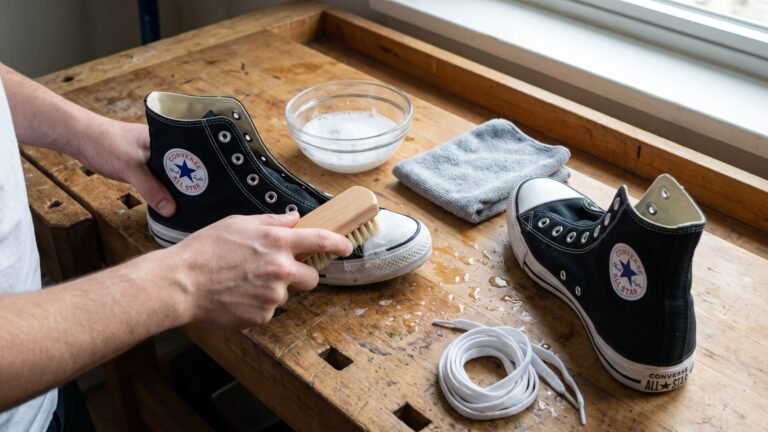
Care Tips: For canvas shoes, many owners spot-clean with mild detergent and a soft brush, or use a gentle, cold-water cycle and air dry (never a hot dryer, which can warp the glue and rubber). For suede (like the One Star), use a suede brush and a protector spray. For leather, a damp cloth and some leather cleaner will do the trick. Stuff them with paper to hold their shape while drying. For a full walkthrough, read our Converse All Star maintenance guide.
Market Trends
So, where does Converse stand in the current sneaker market? While the hype around limited releases and tech-heavy runners is still strong, there’s a steady appetite for simple, familiar designs, and Converse sits right in that lane. They’re also a great entry point for people who are new to sneaker culture and don’t want to drop $200+ on a pair of hyped shoes.
Converse keeps the classics fresh through collaborations and through the Chuck 70, which has been a popular choice for buyers willing to pay a little more for a sturdier build. Converse has also leaned back into basketball in recent years, bringing back the Weapon in 2021 and co-creating the AS-1 Pro with Alexis Sablone in 2023, according to the brand’s own timeline.
Final Verdict
Look, we could talk about Converse all day. From the basketball courts of the early 1900s to the fashion runways of today, Converse has adapted and stayed relevant without losing its identity.
Here’s the short version: buy the Chuck 70 if you want one pair that does it all, the Chuck Taylor All Star if budget matters most, the Jack Purcell or One Star if you want something a bit cleaner, and the Pro BB only if you actually play. Real talk, you need at least one pair in your life. For more on the brand, head back to our Converse overview.
Frequently Asked Questions About Iconic Converse Sneakers
What is the most popular Converse sneaker?
The Chuck Taylor All Star is the most popular Converse sneaker. It’s the original and the most recognizable silhouette, worn by generations of musicians, artists, athletes, and everyday people. The Chuck 70, its premium counterpart, is also very popular for those seeking better build quality and comfort.
How do Converse sneakers fit compared to other brands?
It depends on the model. Many buyers find the classic Chuck Taylor All Star fits a bit big and go down half a size, while the Chuck 70 tends to run closer to true size. Leather and suede models stretch less than canvas. Fit varies by person, so check Converse’s official size guide and the retailer’s return policy.
Are Converse sneakers good for all-day wear?
The classic Chuck Taylor is not the most cushioned shoe for long days on your feet. The Chuck 70 has a more cushioned insole and is the better pick for extended wear. The All Star Pro BB is built with more cushioning and support, though it is designed for basketball. If you have foot pain, a podiatrist can advise on footwear.
What is the difference between Chuck Taylor All Star and Chuck 70?
The Chuck 70 uses heavier canvas, a more cushioned insole and a raised rubber sidewall, and it costs more. The standard Chuck Taylor All Star is lighter, thinner and cheaper.
How do I clean my Converse sneakers?
For canvas shoes, use mild detergent, warm water and a soft brush, or a gentle cold-water cycle, and always air dry. For suede shoes, use a suede brush and a protective spray. For leather, use a damp cloth and a leather cleaner.
Did Michael Jordan wear Converse?
Yes. Michael Jordan wore the Converse Fastbreak Mid in the 1984 Olympic gold medal game, before he signed with Nike and Air Jordan began.
Why are Converse sneakers considered iconic?
Converse sneakers are iconic because of their long history and cultural reach. The All Star began as a basketball shoe in the early 20th century, then became a symbol of rebellion and youth culture through music and skate scenes. The Chuck Taylor look has stayed recognizable for decades, making it a staple in fashion and streetwear.