Sean Wotherspoon: How a Collector Became One of Sneaker Culture’s Most Influential Designers
Sean Wotherspoon isn’t just a name in the sneaker world—he’s a symbol of what happens when passion, creativity, and community intersect. From winning Nike’s 2018 Vote Forward design contest to becoming one of the most sought‑after collaborators in modern sneaker design, Wotherspoon’s journey is uniquely rooted in subculture, content, and collaboration rather than corporate pedigree.
This deep dive traces his path: who he is, how he influenced sneaker aesthetics, what drives his design philosophy, and why his work resonates far beyond the sneakerheads who first celebrated him. Along the way, we’ll explore his most significant projects, what sets him apart as a designer, and his broader cultural impact.
Sean Wotherspoon’s playful use of color, texture, and collaboration has made him one of the most influential modern sneaker designers. Explore his work alongside other game-changing creators in our Iconic Sneaker Designers hub.
Early Life and Roots in Culture
Sean Wotherspoon grew up in Virginia Beach, Virginia, an oceanfront city with a vibrant—if less globally famous—creative scene. As a kid in the 1990s and 2000s, he was steeped in skate culture, vintage fashion, and underground music—subcultures that valued authenticity over hype.
From an early age, sneakers weren’t just footwear—they were objects of fascination, expression, and community identity. Wotherspoon’s first love wasn’t limited to one brand or trend; he was drawn to color, texture, and especially the stories behind the kicks.
That broad curiosity set the stage for what would come next.
The Collector Phase: Building a Unique Eye
Before he was a designer, Sean Wotherspoon was a collector—and an incredibly articulate one. His rise began not in boardrooms but on forums, blogs, and social media platforms where sneakerheads gather. His posts, photos, and honest commentary about seams, materials, and silhouettes attracted a following.
Unlike collectors who traded solely on resale value or rarity, Wotherspoon’s approach was different:
- He valued uniqueness and personality over stock counts.
- He favored vintage and overlooked models long before “heritage runners” became mainstream.
- He curated not just shoes, but stories and aesthetics.
That perspective helped him stand out in a crowded space, and brands began to notice.
The Air Max 1/97 “Sean Wotherspoon”: A Culture Defining Sneaker
Let’s unpack why this sneaker resonated so deeply.
A New Material Language
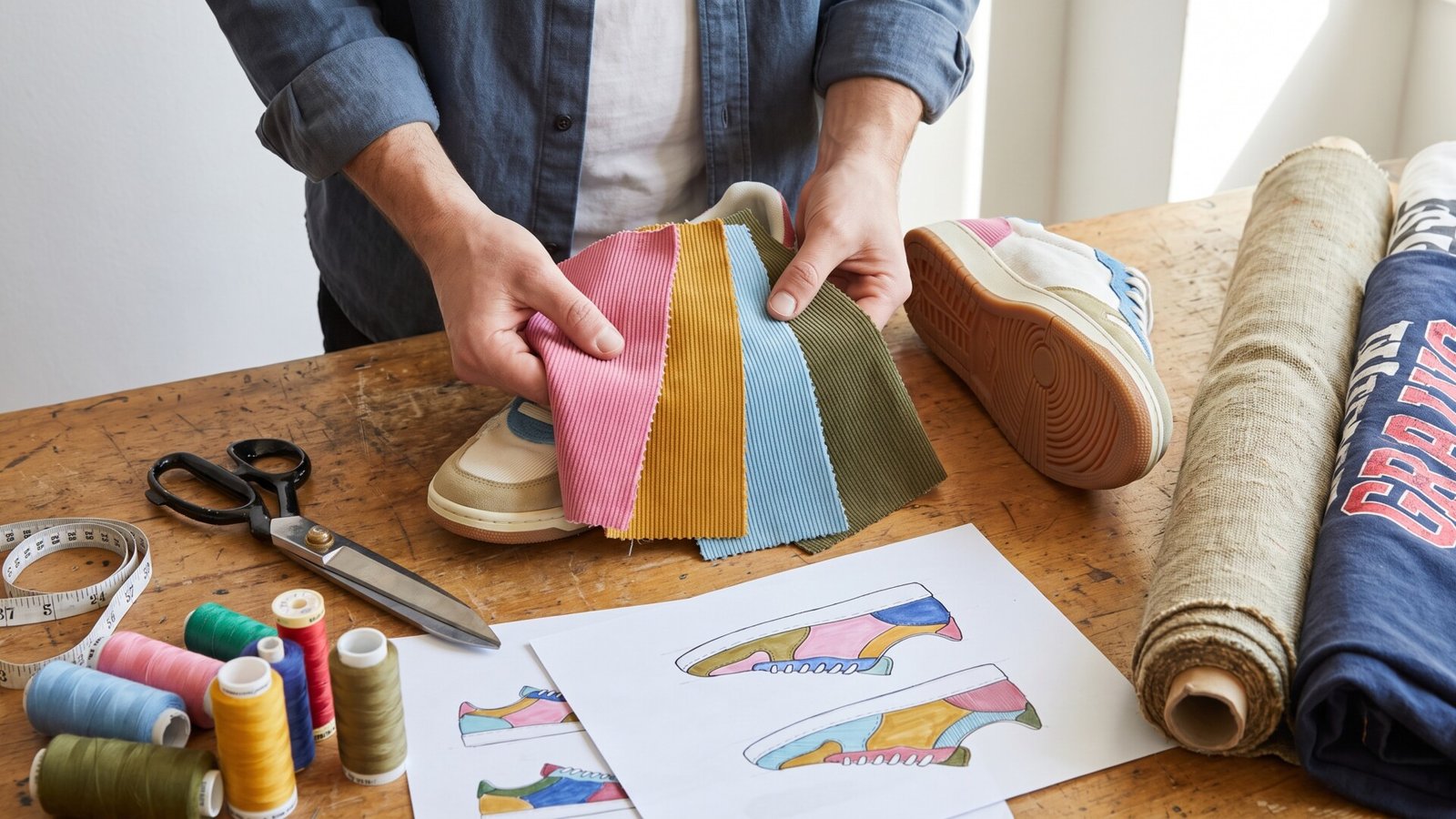
Corduroy had never been used so boldly on a Nike running shoe. Traditionally a fabric associated with casual dress or vintage Americana, its use in a modern sneaker blurred lines between workwear, streetwear, and heritage aesthetic.
Aesthetic Storytelling
The corduroy stripes weren’t random—each hue echoed vintage textile palettes from thrift culture and 1970s surfwear. What looked playful was actually deeply contextual.
Community Energy
Because the shoe came from a public design contest, the culture felt ownership. It wasn’t a product launched by a shadowy marketing division—it was crowdsourced, voted on, and embraced by enthusiasts.
The result:
- Massive hype at launch
- Long lines and raffles worldwide
- Secondary market prices that confirmed cultural demand
But beyond numbers, the sneaker influenced design sensibilities—encouraging more expressive materials, textures, and nostalgia‑based aesthetics across brands.
Beyond One Sneaker: Wotherspoon’s Design Narrative
Sean Wotherspoon’s influence didn’t end with a single hit. It led to a broader design language that he continues to refine.
Material Experimentation
He’s explored:
- Corduroy
- Velour and velvet
- Vintage textiles
- Earthy palettes
This emphasis on tactile richness makes his designs feel personal—like something you’d discover at a flea market rather than just a reseller app.
Cultural References
His vocabulary draws from:
- Skate and surf culture
- Vintage Americana
- Vinyl records and music culture
- Outdoor gear and workwear heritage
These references are not superficial; they’re layers that users decode over time.
Playful Collaboration Aesthetics
Wotherspoon’s collaborations tend to feel fun and personable, not corporate. His work feels like a friend reimagined an old classic—not like a CEO remixed a trend deck.
That difference matters.
Championing Community and Inclusivity
Part of Wotherspoon’s appeal lies in his outreach to community. His social presence—long before design fame—was built on sharing insights, spotlighting underrated styles, and celebrating others in the culture.
A Voice Beyond Sneakerheads
He connected with:
- Designers
- Artists
- Collectors
- Vintage hunters
His work doesn’t talk at people—it engages with them.
That democratized vibe changed expectations for what sneaker design participation could look like. Fans didn’t want only behind‑the‑scenes branding—they wanted voices they felt were real.
Expanding Collaborations: Beyond Nike
After the success with Nike, Wotherspoon’s brand value soared. But he didn’t rest on a single collaboration. His creative reach expanded into:
Apparel and Gear
Adding storytelling layers beyond footwear—hoodies, tees, hats, accessories—rooted in a cohesive aesthetic vocabulary.
Multi‑Brand Collaborations
Working with other labels and entities that align with his design ethos, bringing his visual language into unexpected contexts.
This expansion shows that his creative influence is not just in sneaker shape or materials—but in how culture, narrative, and product connect.
Design Philosophy: Intuition Over Discipline
What fundamentally sets Sean Wotherspoon apart is his attitude toward design itself.
Creativity Over Constraint
He doesn’t claim to follow strict grid systems or rigid frameworks. Instead, he thrives on:
- Personal curiosity
- Playful experimentation
- Community feedback
- Emotional resonance
For him, creativity isn’t a formula—it’s a conversation.
Design Should Feel Personal
If his sneakers feel different, that’s because they start from experience, not a trend forecast.
He talks often about:
- What he would wear
- What feels rooted in memory
- What has tactile or visual integrity
This human‑centered approach makes his work feel relatable and real.
Influence on Streetwear and Sneaker Culture
Sean Wotherspoon’s influence radiates far beyond his own releases.
A Shift Toward Texture and Nostalgia
Sneaker brands are now more willing to:
- Experiment with non‑traditional materials
- Play with retro palettes
- Embrace heritage storytelling
- Lean into expressive, non‑binary design
His success helped make that aesthetic mainstream.
Consumer Involvement in Design
The “Vote Forward” model—and how the public embraced it—encouraged brands to rethink who gets a seat at the design table. Today, consumer‑driven releases and design contests are more common because this story proved it works culturally.
Elevating Culture Over Commerce
Wotherspoon’s best work doesn’t feel transactional. It feels like cultural exchange, a reason why his sneakers maintain relevance even after the hype.
The Impact of Personality in Modern Design
In an era where influencers are often used as marketing faces, Wotherspoon represents a different model: the creator who became an influencer through craft, not celebrity strategy.
He’s not just a name slapped on a product. He:
- Designs the products
- Contextualizes them culturally
- Speaks about their inspiration
- Engages directly with the community
This is a shift: fans don’t just want products—they want the mind behind them.
Critiques and Challenges
Even influential figures face critique. Some sneaker skeptics argue that hype inflates value, or that collaborations can overshadow core performance needs. Sean’s work, though widely celebrated, isn’t immune to debate.
However:
- His designs are meaningful to the culture that loves them
- His influence pushes brands to rethink traditional boundaries
- He inspires other creatives to find their voice rather than replicate trends
This suggests his contributions are more than superficial.
What’s Next? Sean’s Vision Beyond Sneakers
Sean Wotherspoon’s impact doesn’t stop at shoes. His vision continues to expand into:
- Apparel lines
- Community platforms
- Curatorial or editorial projects
- Design mentorship
- Content that bridges lifestyle and product
His presence in fashion weeks, cultural forums, and published narratives suggests that he’s shaping a broader creative legacy.
Why Wotherspoon Matters in 2026
The sneaker world in 2026 is more crowded, more commercialized, and more trend‑driven than ever. Yet, voices like Sean’s help remind the culture of something foundational:
Design isn’t just about new shapes—it’s about telling stories people can feel.
He represents:
- Authentic voice
- Community‑centered design
- Nostalgic yet forward‑looking aesthetics
- Collaboration without corporate sterility
- Cultural connectivity
For many, that’s the essence of why sneaker culture still matters.
Key Wotherspoon Releases (and What They Represent)
Here are some of his standout collaborations and what they contributed culturally:
Nike Air Max 1/97 Sean Wotherspoon
- Impact: Material experimentation and community validation of design voice.
Apparel Capsules and Lifestyle Pieces
- Impact: Beyond sneakers—visual language extended to clothing, making his aesthetic cohesive.
Multi‑Brand Projects
- Impact: His influence isn’t locked in one brand; it shapes broader dialogues about how and why we wear what we wear.
Lessons for Designers from Wotherspoon
If you take away one thing from Wotherspoon’s career, it’s this:
Creativity driven by personal perspective and cultural empathy resonates deeper than trend‑chasing.
Some core lessons:
- Know your community
- Find your visual language
- Tell stories, don’t just decorate products
- Value materials for meaning, not just novelty
- Collaborate with purpose, not just exposure
These principles extend far beyond sneakers.
Wotherspoon and the Broader Creative Ecosystem
Sean Wotherspoon is part of a new generation of designers who:
- Are not trained solely within corporate design systems
- Grow through community engagement
- Define their own remix of culture and creator identity
- Blur boundaries between art, product, and identity
He joins people like:
- Virgil Abloh
- Jerry Lorenzo
- Ronnie Fieg
- Sophia Chang
Not because their styles match, but because they shifted the conversation about what design is and who gets to define it.
Conclusion
Sean Wotherspoon’s story isn’t a hype artifact—it’s a creative paradigm. He turned passion into a platform, community into currency, and design into dialogue. His sneakers aren’t just shoes—they are cultural texts that read like narratives of history, texture, memory, and humanity.
In a space often dominated by marketing posturing and artificial scarcity, Wotherspoon’s presence reminds us what matters most: authenticity, connection, and creativity that feels lived rather than fabricated.
His journey continues to inspire not just sneakerheads, but designers, creators, and anyone who believes that authentic voices can still reshape culture—one pair of shoes at a time.