Shigeyuki Mitsui: The Designer Behind the ASICS GEL‑Lyte III Revolution
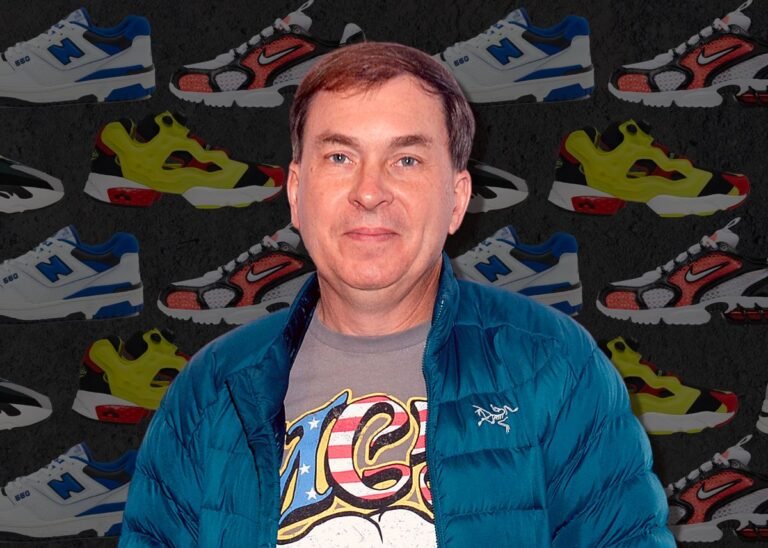
Pull up a chair, because we’re about to talk about a designer who changed the way running sneakers looked, felt, and became cultural icons. You know the names: Tinker Hatfield. Steven Smith. Peter Moore. But there‘s another legend who deserves a spot in that conversation – Shigeyuki Mitsui.
Mitsui-san is the brilliant mind behind the ASICS GEL‑Lyte III, one of the most influential running sneakers ever created. Released in 1990, the GEL‑Lyte III was a radical departure from the chunky, bulbous runners of its era. It was sleek. It was lightweight. And it had a split tongue – a feature so unique and functional that it became the shoe’s signature calling card.
Why does the GEL‑Lyte III matter in 2026? Because it helped define retro running culture. It became a blank canvas for some of the most iconic sneaker collaborations of all time – from Ronnie Fieg’s early work with Kith to legendary Atmos and Patta releases. It bridged the gap between serious performance footwear and streetwear style. And it proved that a technical runner could become a lifestyle classic.
This article covers Mitsui’s career, his design philosophy, the birth of the GEL‑Lyte III, why it became so influential, and how his work still shapes sneaker culture today.
Let’s get into it.
Shigeyuki Mitsui’s Background & Design Philosophy
Early Career at ASICS
Shigeyuki Mitsui joined ASICS in 1984 – a pivotal moment for the company. He was part of the team that unveiled GEL cushioning technology to the world in 1986, a breakthrough that would define ASICS performance footwear for decades. Hailing from Niigata, a northern prefecture of Japan, Mitsui studied at the Design and Art University in Tokyo before joining ASICS.
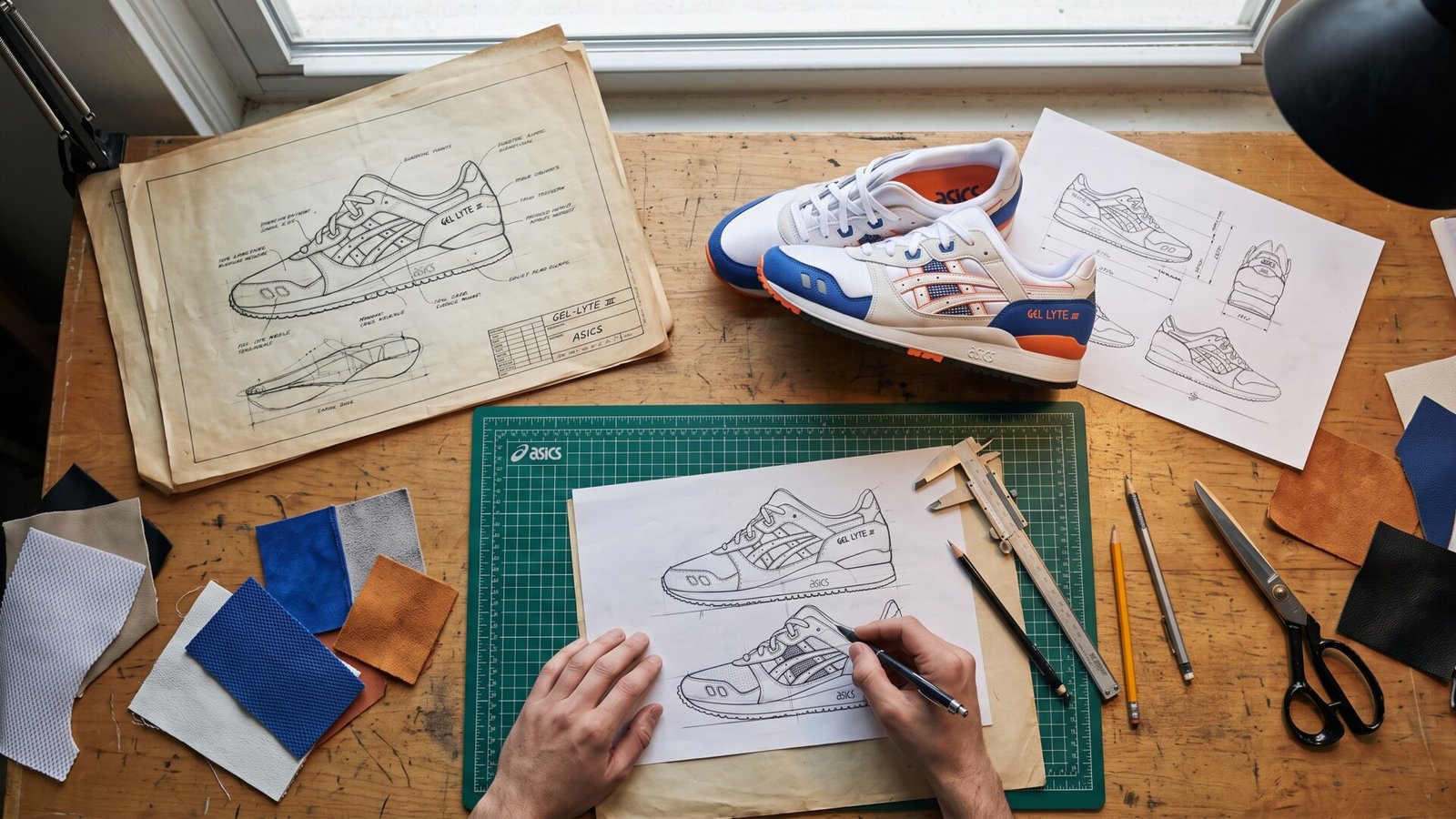
His early years were spent learning the ropes. He worked as an assistant on the original GEL‑Lyte (Lyte I), designing small parts of the heel protector and midsole. He then stepped up as assistant designer on the Lyte II, before finally getting commissioned to be the chief designer on the Lyte III.
The GEL‑Lyte III was special for another reason: it was the first shoe that Mitsui designed 100% by himself. No compromises. No committee input. Just his vision.
Design Philosophy: Rebellious, Function‑First, Unapologetically Bold
If you ask Mitsui to describe himself, he‘ll tell you he’s a “self‑described rebel”. Throughout his career, he has shaken up ASICS‘s design ethos, utilizing radical approaches and pushing his vision into some of the most innovative footwear advances of the last few decades.
When he designed the GEL‑Lyte III, he wasn’t trying to follow trends. He was trying to create something that didn‘t exist yet. In his own words: “I was simply hoping to design a pair of running shoes equipped with cutting‑edge technology and performance, while also being visually satisfying to the eye”. At the time, most brands were pursuing simple geometric designs. Mitsui wasn‘t interested. He created his own unique drawing style and asked the factory to completely retool their molds.
This rebellious streak extended to his willingness to fight for his ideas. Mitsui-san faced significant internal resistance. Engineers opposed his designs, telling him they were too complex and the aesthetic too unusual. Mitsui persisted: “At first, I puzzled the production engineers,” he recalls. “They objected, but the final effect turned out to be very good”. That willingness to challenge authority – even within his own company – is what made the GEL‑Lyte III possible.
Japanese Design Influence: Minimalist Efficiency, Technical Precision
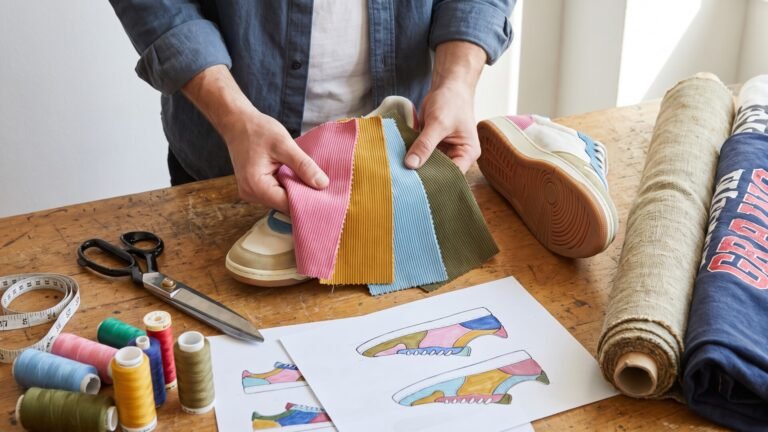
Mitsui‘s Japanese heritage heavily influenced his work. There’s a minimalist efficiency in the GEL‑Lyte III – every line serves a purpose. The split tongue isn‘t just a gimmick; it solves the real problem of tongue migration during running. The visible GEL pods aren’t just decorative; they‘re shock‑absorbing technology put on display. The layering of mesh, nylon, and synthetic suede isn‘t chaotic; it’s intentional, creating depth and dimension.
This is the essence of functional minimalism – nothing wasted, everything purposeful. It‘s a design philosophy that would later become central to the entire “tech runner” and “gorpcore” movements, decades before those terms existed.
The Birth of the ASICS GEL‑Lyte III
The Late‑1980s Running Sneaker Landscape
To understand why the GEL‑Lyte III was so radical, you have to look at what else was on the market in 1990. Nike was dominating with the Air Max series – visible air bubbles and bold, chunky designs. New Balance had the 990 series – solid, dependable, but relatively conservative. Adidas was still finding its footing in the running category.
Most running shoes of the era prioritized cushioning and stability above all else. Sleekness was sacrificed for bulk. Lightness was traded for protection. There was a gap in the market: a shoe that offered top‑tier performance and looked good doing it.
Mitsui saw that gap.
Designing the GEL‑Lyte III: The “Ultimate Running Shoe“
Mitsui’s goal was ambitious: create the “ultimate running shoe” – one that combined cutting‑edge technology with visual appeal. He started with the sole unit. While previous ASICS models used dual‑density soles, Mitsui introduced a triple‑density sole. This complex construct – made from a combination of soft and hard foam – was difficult technology to develop. But when engineers realized how dramatically the extra density enhanced shock absorption and comfort, they got on board.
The shoe also featured visible GEL pods in the heel, providing cushioning that you could actually see working. Combined with a lightweight mesh, nylon, and synthetic suede upper, 3M reflective detailing at the heel and toe, and a two‑toned midsole, the GEL‑Lyte III was packed with performance features that also looked futuristic.
At just 10 ounces, it was exceptionally lightweight for its era.
The Split Tongue Innovation: Form Meets Function
The most recognizable feature of the GEL‑Lyte III is its split tongue – the tongue is divided into two halves, wrapping around the foot.
Where did the idea come from? The split tongue was originally inspired by the GEL‑LD RACER™ shoe, which debuted the concept earlier. Mitsui took that seed of an idea and perfected it for the GEL‑Lyte III.
Why a split tongue? Simple: normal tongues slip to one side as you run or walk. The split tongue stays centered, hugging your foot for additional support and reducing friction. Not only does it not slip, but it also offers a well‑padded, foot‑hugging feel and an overall comfortable fit.
Visually, the split tongue became the GEL‑Lyte III‘s trademark – a detail so distinctive that you can spot the shoe from across the room. It’s a perfect example of Mitsui‘s genius: a functional innovation that also became an aesthetic signature.
Why the GEL‑Lyte III Became So Influential
Comfort + Style Combination
The GEL‑Lyte III succeeded where many running shoes failed: it was genuinely comfortable and genuinely good‑looking. The triple‑density sole and GEL cushioning provided a ride that runners appreciated. The sleek silhouette and vibrant color‑blocked uppers caught the eye of non‑runners. This is the magic formula that every lifestyle sneaker seeks – and Mitsui nailed it in 1990.
Unique Identity in a Crowded Market
In the early 1990s, the sneaker market was crowded with chunky, aggressive designs. The GEL‑Lyte III stood out because it wasn‘t trying to be the biggest shoe in the room. It was trying to be the fastest, the lightest, the most considered. Its sleek lines, layered materials, and subtle striping gave it an identity that wasn’t tied to a single athlete or moment – it was just good design.
Strong Running Heritage – The Birth of a New Aesthetic
The GEL‑Lyte III helped define 1990s running aesthetics: streamlined silhouettes, technical layering, lightweight construction, and functional minimalism. These design cues are still visible in the modern “tech runner” trend. The ASICS Gel‑Kayano 14, the Gel‑NYC, and the Gel‑1130 – all of them trace their visual DNA back to the GEL‑Lyte III. Mitsui didn‘t just design a shoe; he created a design language that ASICS still relies on today.
The Sneakerhead Rediscovery
The GEL‑Lyte III only lasted in the market for two years before ASICS replaced it with the Gel‑Lyte Ultra in 1992. But then something interesting happened. Despite its age, the shoe quickly gained a following among consumers who loved its unique design and original silhouette.
ASICS reintroduced the GEL‑Lyte III in 2006 as a lifestyle shoe. And it wouldn‘t be until the summer of 2007 that the shoe became more popular, due to all the collaborations that the company did. The second wave in the mid‑2010s helped solidify the shoe as a staple in sneaker culture and helped elevate the company’s image outside the athletic market.
How Shigeyuki Mitsui Helped Define 1990s Running Aesthetics
The GEL‑Lyte III wasn‘t created in a vacuum – it was part of a broader shift in sneaker design. But Mitsui’s work was arguably the most influential in establishing what we now call “retro running” style.
- Streamlined Runner Silhouettes – The GEL‑Lyte III was lean and fast‑looking, a contrast to the bulkier trainers of the late ’80s.
- Technical Layering – Mesh + nylon + synthetic suede created depth and texture. This layered look became a hallmark of 1990s running shoes.
- Lightweight Construction – At 10 ounces, it prioritized agility over heavy cushioning.
- Functional Minimalism – Every detail served a purpose. The split tongue wasn‘t just weird – it worked.
These elements have become so ingrained in sneaker culture that we hardly notice them anymore. But in 1990, they were radical. And they paved the way for everything that came after.
Mitsui’s influence can be seen in modern “silver runner” aesthetics – from the Gel‑Kayano 14 to the Gel‑1130 to the Nike Vomero 5. The DNA is unmistakable.
The Rise of ASICS in Sneaker Culture
ASICS Before the Lifestyle Boom
Before the retro running explosion, ASICS was primarily known as a performance running brand. Serious runners loved the GEL cushioning. Casual wearers? Not so much. The brand had a utilitarian, “dad shoe” reputation – comfortable, but not cool.
All that changed in the late 2000s and early 2010s.
The Ronnie Fieg Factor
The turning point was the 2006 “252 Pack” – a three‑way collaboration between Ronnie Fieg (then an employee at NYC footwear retailer David Z.), ASICS, and David Z.. Fieg colored up the GEL‑Lyte III with a Tokyo‑inspired palette, and the sneaker community took notice. That was the beginning of a partnership that would yield over 50 collaborations.
Fieg’s 2009 “Super Blue” GEL‑Lyte III became an instant classic. It was followed by the 2011 “Salmon Toe” and “Leatherback” releases, which are considered seminal pieces of the “suede runner” movement of the 2010s. These collaborations didn‘t just sell out – they introduced an entire generation to the GEL‑Lyte III.
Why Collaborators Loved Mitsui’s Design
Why did so many designers, artists, and boutiques choose the GEL‑Lyte III as their canvas? Because Mitsui gave them the perfect base:
- Versatile split tongue – The unique silhouette was instantly recognizable but not overpowering.
- Panel layout – The upper was divided into clean sections, making color‑blocking intuitive.
- Layered materials – Suede, mesh, and nylon caught different textures and shades.
- Nostalgic yet fresh – It felt vintage but not outdated, retro but not tired.
The GEL‑Lyte III became one of the most collaborated‑on sneakers in history, alongside the Air Force 1 and Dunk.
Shigeyuki Mitsui’s Most Important Design: The GEL‑Lyte III
Let‘s cut to the chase. While Mitsui worked on numerous ASICS silhouettes – including the Gel Epirus, GT II, and Gel‑Lyte V – the GEL‑Lyte III is his masterpiece.
Why It Still Works in 2026
The GEL‑Lyte III remains relevant because it’s built on timeless principles:
- Timeless shape – Not too chunky, not too slim. It hits the sweet spot of retro running proportions.
- Genuine comfort – The triple‑density sole and GEL pods still feel good, even by modern standards.
- Nostalgic appeal – For those who remember the 1990s, it‘s a memory trigger. For younger buyers, it’s a discovery.
- Collaboration history – The shoe‘s legacy is intertwined with some of the most important sneaker moments of the past two decades.
Key Features
| Feature | What It Does |
|---|---|
| Split Tongue | Prevents slippage, hugs the foot, iconic visual identity |
| GEL Cushioning | Lightweight shock absorption, visible in the heel |
| Triple‑Density Sole | Enhanced comfort and energy return |
| Layered Upper | Mesh, nylon, suede – depth and breathability |
| 3M Reflective Accents | Safety feature that also looks futuristic |
Why Collectors Still Chase It
The GEL‑Lyte III never really went away, but it‘s had multiple resurgence waves. The 2010s, driven by the Ronnie Fieg collaborations, cemented its status as a collector’s item. And in 2026, ASICS continues to release new colorways and tributes. Most recently, a “Remastered” GEL‑Lyte III was released as a tribute to Mitsui himself, featuring his signature running vertically down the split tongue and a hand‑drawn aquatic scene on the insoles.
The shoe is one of ASICS‘s most important products, alongside the Mexico 66 and the Gel‑Kayano 14. And it has seen the most sales and collaborations out of all of its total products.
Why the GEL‑Lyte III Still Matters
| Feature | GEL‑Lyte III Advantage | Why It Matters |
|---|---|---|
| Split Tongue | Unique fit + instant visual identity | Instantly recognizable silhouette |
| GEL Cushioning | Lightweight impact protection | Everyday comfort and wearability |
| Aesthetic | Sleek, layered, minimalist retro | Perfect for modern streetwear |
| Collaborations | Deep history with Kith, Atmos, Patta | Collector appeal and cultural currency |
| Versatility | Performance technology + lifestyle style | Broad audience appeal |
Shigeyuki Mitsui vs. Other Running Sneaker Designers
Mitsui deserves to be mentioned alongside the greats. Here‘s how he fits into the pantheon.
| Designer | Brand | Signature Approach | Best Known For |
|---|---|---|---|
| Tinker Hatfield | Nike | Visible performance innovation, storytelling | Air Max 1, Air Jordan 3–15 |
| Steven Smith | New Balance / Reebok / Yeezy | Exaggerated futurism, chunky silhouettes | NB 574, Instapump Fury, Yeezy 700 |
| Shigeyuki Mitsui | ASICS | Elegant technical minimalism, functional details | GEL‑Lyte III, split tongue, triple‑density sole |
The main difference? Mitsui focused on subtle innovation and wearability, not spectacle. He didn’t need a visible air bubble or an inflatable pump to make a statement. He used the split tongue – a small, almost hidden detail – to transform the entire shoe‘s identity.
Why the GEL‑Lyte III Became a Collaboration Icon
The GEL‑Lyte III is one of the most collaborated‑on sneakers of all time. Why?
- The split tongue – It’s weird enough to be interesting, but not so weird that it‘s unwearable.
- The panel layout – The upper is divided into distinct sections, making color‑blocking intuitive.
- Strong shape – The silhouette holds its own, regardless of what materials or colors you throw at it.
- Nostalgia + modernity – It feels like a classic but looks fresh.
The most important collaborations:
- Ronnie Fieg / Kith – Over 50 collabs, including the “252 Pack,“ “Salmon Toe,“ “Super Blue,“ and countless others.
- Atmos – Japanese boutique known for bold, animal‑print and 3D‑effect GEL‑Lyte IIIs.
- Patta – Dutch streetwear brand that brought its signature understated aesthetic to the silhouette.
Without the GEL‑Lyte III, the modern collaboration culture might look very different. Fieg himself has called the shoe the one that helped him become a household name in sneaker history.
The Legacy of Shigeyuki Mitsui in 2026
ASICS Retro Running Boom
The retro running trend is one of the biggest stories in sneakers right now. And ASICS is at the center of it. The Gel‑Kayano 14, the Gel‑NYC, the Gel‑1130 – all of these popular modern silhouettes trace their design DNA back to Mitsui’s GEL‑Lyte III. The layered uppers, the visible cushioning, the sleek but not‑skinny proportions – these are Mitsui’s fingerprints.
Influence on Modern Tech Runners
The “tech runner“ aesthetic – think Salomon XT‑6, New Balance 1906R, Nike Vomero 5 – owes a huge debt to Mitsui. He proved that performance details (mesh, reflective accents, visible cushioning) could be design features, not just functional necessities.
Modern Sneakers Influenced by Mitsui’s Era
- ASICS Gel‑Kayano 14 – The most direct descendant of the GEL‑Lyte III.
- ASICS GEL‑NYC – Hybrid model that combines GEL‑Lyte III vibes with other archives.
- ASICS Gel‑1130 – Affordable, accessible, and clearly inspired by the early 2000s runner aesthetic that Mitsui helped shape.
The Rise of Functional Fashion
Mitsui was designing “gorpcore” and “techwear” before those words existed. He understood that technical gear could be cool – you just had to execute it with care and precision. That philosophy is more relevant in 2026 than ever before.
Frequently Asked Questions About Shigeyuki Mitsui
Who is Shigeyuki Mitsui?
A legendary ASICS sneaker designer best known for creating the ASICS GEL‑Lyte III. He also worked on other classic silhouettes like the Gel Epirus, GT II, and Gel‑Lyte V.
What makes the GEL‑Lyte III special?
Its split tongue design (which prevents slipping and creates a unique look), lightweight comfort, and sleek retro running aesthetic that has aged beautifully.
Why is the GEL‑Lyte III popular?
It combines genuine comfort, nostalgia for 1990s running shoes, smart functionality (split tongue, triple‑density sole), and a deep history of iconic collaborations (Ronnie Fieg, Atmos, Patta).
Did Shigeyuki Mitsui influence modern sneaker trends?
Yes — especially the “retro running” and “tech‑inspired lifestyle sneaker” movements. His design language can be seen in modern ASICS models like the Gel‑Kayano 14, Gel‑NYC, and Gel‑1130.
What are the best GEL‑Lyte III collaborations?
Ronnie Fieg’s “252 Pack,” “Super Blue,” “Salmon Toe,” and “Leatherback” are legendary. Atmos and Patta collaborations are also highly respected.
Are ASICS GEL‑Lyte III comfortable for everyday wear?
Yes – they remain highly respected for lightweight everyday comfort. The GEL cushioning and triple‑density sole provide shock absorption without feeling heavy.
Final Verdict
Shigeyuki Mitsui deserves recognition as one of the greatest sneaker designers ever.
His biggest achievement was turning a performance running shoe into a timeless cultural icon. The GEL‑Lyte III wasn’t just designed for runners – it was designed for anyone who appreciates thoughtful, functional, beautiful design. And it‘s been proving its staying power for over three decades.
Main takeaway: His work proved that technical running shoes could become lifestyle classics. He paved the way for every collaboration, every retro release, and every “tech runner“ trend that dominates sneaker culture today. The split tongue isn’t just a gimmick – it’s a symbol of a designer who refused to follow the rules.
Mitsui-san, we salute you.