Sneaker Collecting 101
A practical, culture-first guide to starting, building, and maintaining a sneaker collection
Sneaker collecting isn’t just about buying shoes. At its core, it’s about understanding history, appreciating design, and building a collection that reflects personal taste. Some people collect for nostalgia, others for fashion, and some for long-term value. Most fall somewhere in between.
If you’re new to the world of sneaker collecting—or looking to refine your approach—this guide breaks everything down clearly. No hype language, no shortcuts. Just the fundamentals that actually matter when you’re starting out and growing a collection that makes sense for you.
What Is Sneaker Collecting, Really?
Sneaker collecting has evolved far beyond grabbing the latest release. Today, it sits at the intersection of sports history, street culture, fashion, and design. A strong collection tells a story—about eras, athletes, designers, and personal style.
At its simplest, sneaker collecting is about intentional ownership. Instead of buying shoes randomly, collectors:
- Understand why a sneaker matters
- Know how it fits into cultural or design history
- Care about condition, authenticity, and longevity
Some collectors focus on wearing everything. Others preserve pairs in deadstock condition. Neither approach is more “correct”—it’s about clarity of purpose.
Choosing Your Collecting Path
Before buying anything, it helps to decide what kind of collector you want to be. This shapes every decision going forward.
Lifestyle Collector
Lifestyle collectors focus on wearability. They choose sneakers they genuinely enjoy wearing and rotate regularly.
Common traits:
- Prioritize comfort and versatility
- Favor neutral colorways
- Care more about condition than resale value
This approach keeps collections practical and prevents pairs from sitting unused.
Heritage & History Collector
These collectors are drawn to iconic silhouettes and historical significance.
They often collect:
- Original Air Jordan models
- Early Nike Air Max releases
- Classic Adidas, Puma, or Reebok designs
Understanding release years, design intent, and athlete connections is key here.
Collaboration & Design Collector
This path focuses on designers, brands, and limited collaborations.
Examples include:
- Designer-led projects
- Boutique collaborations
- Artist-driven releases
Collectors in this lane often follow specific creatives rather than brands.
Investment-Oriented Collector
Some collectors consider long-term value. This doesn’t mean flipping everything—it means being selective.
They pay attention to:
- Limited production numbers
- Brand momentum
- Historical demand patterns
Even if profit isn’t the goal, understanding value helps avoid overpaying.
Understanding Sneaker Categories
Sneakers generally fall into a few broad categories. Knowing these helps structure a collection.
Basketball Sneakers
Often tied to athletes and performance innovation. Many iconic basketball shoes are now lifestyle staples.
Examples:
- Air Jordan 1 through 14
- Nike Air Force 1
- Reebok Question
These tend to hold cultural weight.
Running & Lifestyle Runners
Originally designed for performance, now worn casually.
Examples:
- New Balance 990 series
- Nike Air Max line
- ASICS GEL series
These are popular for comfort-focused collectors.
Skate & Court Sneakers
Low-profile, durable, and often tied to subcultures.
Examples:
- Nike SB Dunk
- Vans Old Skool
- Adidas Campus
They age well and often develop character through wear.
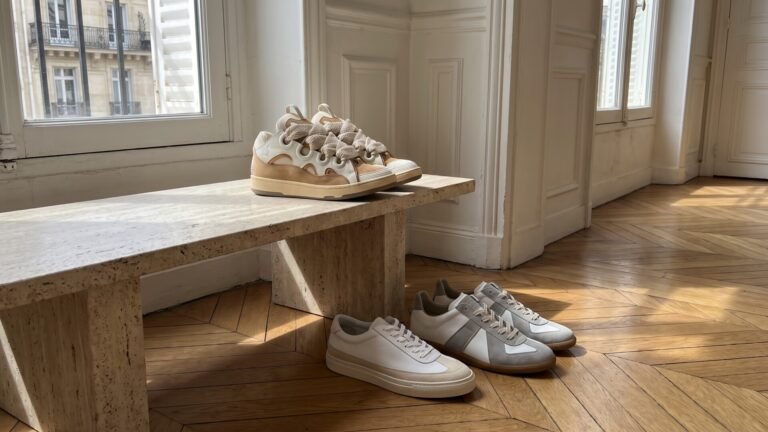
Fashion-Forward Sneakers
These blend high fashion and streetwear.
Examples:
- Designer collaborations
- Avant-garde silhouettes
- Experimental materials
They’re less about utility and more about expression.
Research Before You Buy
One of the biggest mistakes new collectors make is buying first and learning later. Research protects both your wallet and your collection.
Before purchasing, look into:
- Release year and original purpose
- Design inspiration and materials
- How the shoe fits compared to others
- How it has aged over time
Understanding context adds depth and prevents regret.
Authenticity: Avoiding Fakes
As sneaker culture grew, so did counterfeit production. Knowing how to spot fakes is essential.
Key areas to examine:
- Stitching consistency
- Shape and proportions
- Box labels and packaging
- Material quality
Trusted resale platforms and reputable sellers reduce risk, but personal knowledge is still important.
Condition Matters
Sneakers are graded based on condition, and this impacts both value and longevity.
Common condition terms:
- Deadstock (DS): Brand new, unworn
- VNDS: Very near deadstock, worn lightly
- Used: Visible wear but wearable
- Beaters: Heavily worn
Decide early whether you’re comfortable owning used pairs. Many collectors prefer lightly worn shoes, especially older releases.
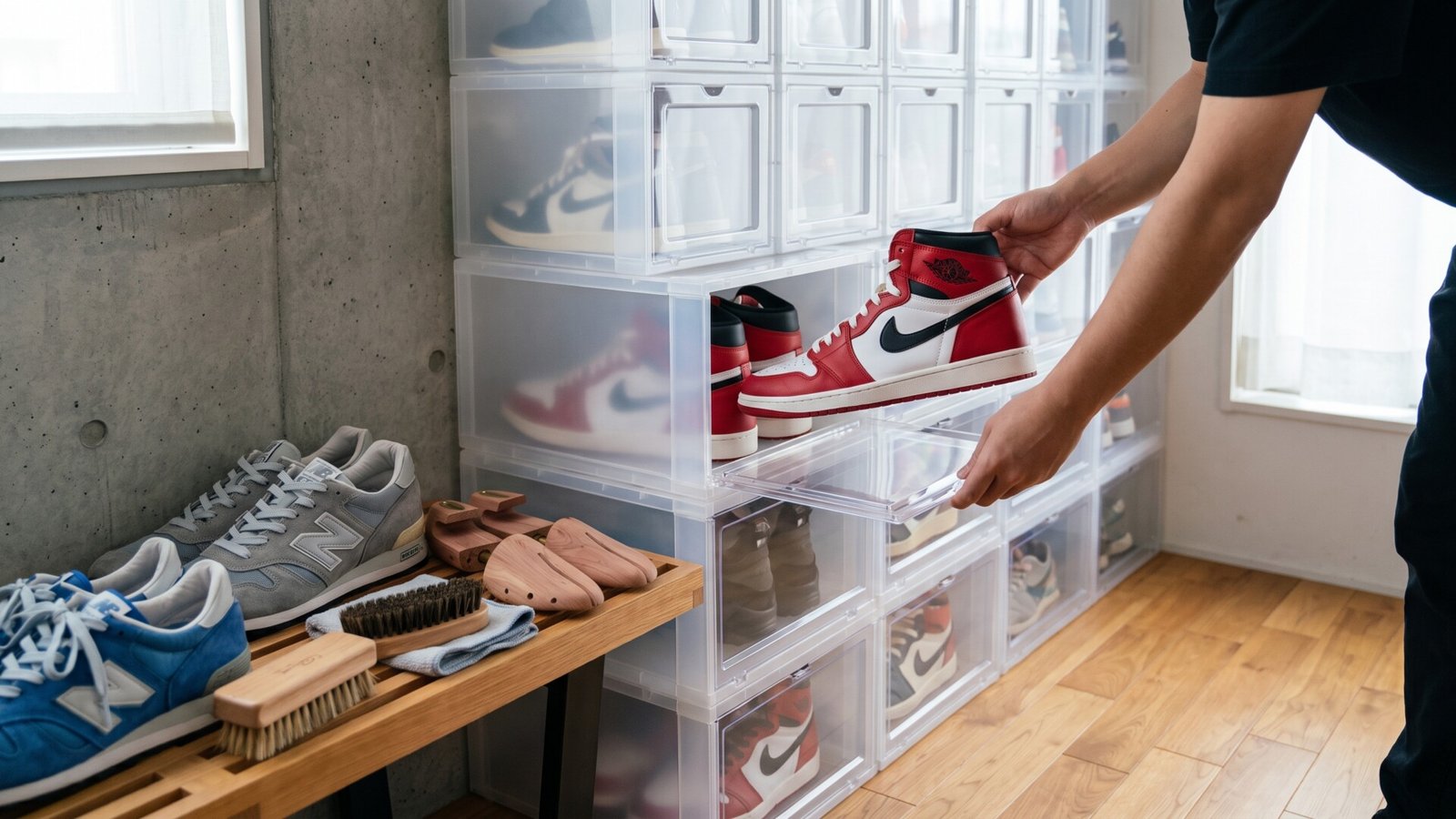
Storage & Care Basics
Proper storage keeps sneakers wearable and presentable for years.
Basic rules:
- Store away from direct sunlight
- Avoid extreme heat or humidity
- Use shoe trees to maintain shape
- Keep boxes if possible
Rotate wear regularly to prevent sole separation, especially on older pairs.
Cleaning & Maintenance
Keeping sneakers clean isn’t about perfection—it’s about preservation.
General care tips:
- Clean dirt early before stains set
- Use material-appropriate products
- Avoid machine washing delicate shoes
- Air dry only
Different materials require different approaches. Suede, leather, mesh, and knit all behave differently over time.
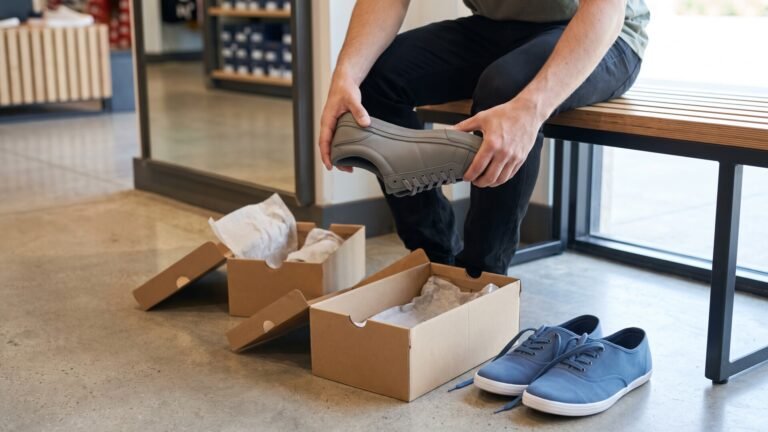
Sizing & Fit Awareness
Not all sneakers fit the same, even within the same brand.
Factors that affect fit:
- Toe box shape
- Midfoot width
- Material stiffness
Trying sneakers on—or researching fit feedback—helps avoid uncomfortable purchases.
Building a Balanced Collection
A strong collection doesn’t need to be large. It needs balance.
A simple framework:
- 1–2 daily wear pairs
- 1 heritage or iconic model
- 1 statement or collaboration piece
- 1 backup or seasonal option
This keeps your collection versatile without excess.
Budgeting & Spending Smart
Sneaker collecting can get expensive fast. Setting boundaries is crucial.
Tips:
- Decide a monthly or yearly budget
- Avoid impulse buys
- Track what you actually wear
Buying fewer, better pairs usually leads to more satisfaction.
Resale Market Awareness
Even if you’re not reselling, understanding market dynamics helps you buy smarter.
Pay attention to:
- Release quantities
- Colorway popularity
- Long-term demand
Some sneakers spike immediately, others grow slowly in value.
Community & Culture
Sneaker collecting is social. Communities exist online and offline where knowledge is shared freely.
Benefits of engaging:
- Learning from experienced collectors
- Discovering underrated releases
- Avoiding common mistakes
The culture thrives on shared appreciation, not just ownership.
Common Beginner Mistakes
Avoid these early pitfalls:
- Buying only hype releases
- Ignoring comfort and fit
- Overpaying without research
- Letting sneakers sit unworn too long
Mistakes happen, but awareness reduces them.
Evolving Your Taste
Most collectors change over time. Early excitement often leads to refined preferences later.
You may:
- Sell pairs that no longer fit your style
- Focus on fewer brands
- Value craftsmanship over hype
This evolution is natural—and healthy.
Wear vs. Display Debate
There’s no rule that says sneakers must be worn or preserved.
Some people:
- Wear everything
- Store rare pairs
- Alternate based on rarity
Do what feels right for you.
Documenting Your Collection
Tracking your collection helps with organization and reflection.
Consider:
- Photos of each pair
- Purchase dates and prices
- Condition notes
It adds structure and awareness to collecting.
Long-Term Perspective
Sneaker collecting isn’t a race. Trends shift, values fluctuate, and tastes change. What lasts is thoughtful curation.
A meaningful collection:
- Reflects personal style
- Respects history
- Balances wear and care
It grows slowly—and that’s a good thing.
Final Thoughts
Sneaker Collecting 101 is about foundation, not perfection. The best collections aren’t the biggest or most expensive—they’re the most intentional.
Learn the history. Understand the materials. Wear what you love. Take care of your pairs. And most importantly, enjoy the process.
Sneaker collecting is a long game—and that’s exactly what makes it rewarding.
Building a collection is one thing — buying strategically is another. Visit the Sneakers Buying Guides hub to make informed decisions on every pair.