Affordable Alternatives to Luxury Sneakers: Look Rich for Way Less
Today we’re talking about one of the smartest moves you can make in this game—finding affordable alternatives to luxury sneakers.
Look, we all see those Balenciagas. Those Margielas. Those Golden Gooses that cost more than your monthly car payment. And yeah, they’re fire. But here’s the thing: you don’t need to drop a band on sneakers to have a rotation that turns heads. The secret? Knowing which affordable kicks deliver that same energy for a fraction of the price.
The market in 2026 is stacked with options that borrow the best design elements from luxury houses while keeping things under $150—sometimes way under. We’re talking clean leather silhouettes that rival Common Projects, chunky dad shoes that channel Balenciaga, and retro runners with that high-fashion tech aesthetic. And the best part? You can beat them up without crying.
So let’s get into it. Here’s your ultimate guide to affordable alternatives that’ll have people asking, “Are those designer?”
Why Go the Affordable Route?
Before we dive into specific shoes, let’s talk about why this strategy makes sense.
Cost savings are obvious. Designer sneakers can cost $500, $800, even $1,000+. Alternatives give you similar vibes for $50–$150. That’s not pocket change—that’s real money you can put toward other pairs or, you know, rent.
Variety matters. When you’re not dropping huge cash on one pair, you can build a rotation. Multiple shoes for different outfits, different seasons, different moods. Try doing that with $1,000 sneakers.
Durability isn’t guaranteed with luxury. Some designer shoes prioritize fashion over function. Affordable brands often use tried-and-tested materials that actually hold up to daily wear.
Experimentation becomes possible. Want to try that chunky dad shoe trend without committing to Balenciaga prices? Go for it. If you end up hating the look, you’re not stuck with a $800 mistake.
What to Look For in Affordable Alternatives
Not all budget sneakers are created equal. Here’s what separates the gems from the garbage :
Materials matter. Look for genuine leather, high-grade synthetics, or reinforced mesh. Avoid vague descriptions like “special fabric”. Real leather or quality synthetics last longer and look better.
Comfort features. Cushioning, arch support, padded collars—these aren’t luxuries, they’re necessities if you’re on your feet all day. Memory foam insoles and EVA midsoles are good signs.
Construction quality. Check stitching—it should be tight and even. No loose threads. Strong adhesives. Solid outsoles that don’t feel cheap.
Style accuracy. Clean lines, minimal logos, tonal designs—these help replicate that designer aesthetic. You want inspired, not logo-slapped.
The Ultimate Breakdown: Designer vs. Affordable
Let’s get into the good stuff—specific comparisons that’ll save you serious money.
The Minimalist Leather Sneaker
Luxury target: Common Projects Achilles Low ($400+)
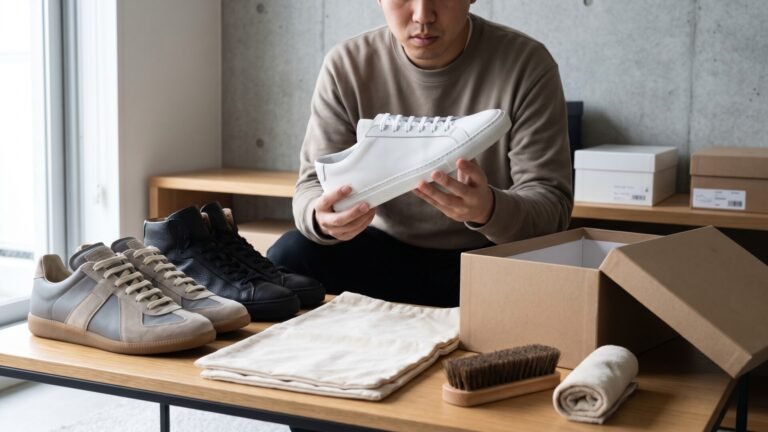
Why they’re coveted: Clean, Italian leather, minimalist branding, perfect silhouette. The gold number stamp on the side is iconic.
Affordable alternatives:
Greats Royale ($179, often on sale under $150)
These are basically the affordable Common Projects. Made in Italy with quality leather, same minimalist aesthetic, same gold stamp vibe. Royale has been the go-to recommendation for years because they deliver luxury quality at half the price. The break-in period is real, but once they mold to your feet? Chef’s kiss.
Koio Capri ($248, sales possible)
Okay, these are pushing the budget a bit, but catch them on sale and they’re worth it. Also made in Italy, same clean lines, and they hold up forever. If you can snag a sale pair under $150, do it.
Nike Court Vision ($75–$90)
These capture that retro basketball-meets-streetwear vibe without the designer markup. Sleek black and white colorways with subtle branding—they’re clean, versatile, and you can beat them up without guilt.
Adidas Grand Court ($65–$80)
Clean leather upper, classic shell toe silhouette, that sporty heritage. They’re not trying to be something they’re not—just solid, affordable sneakers with timeless style.
Reebok Classic Leather ($70–$85)
Retro-inspired, minimalist branding, available in tons of clean colorways. The leather quality at this price point is surprisingly good, and they last forever.
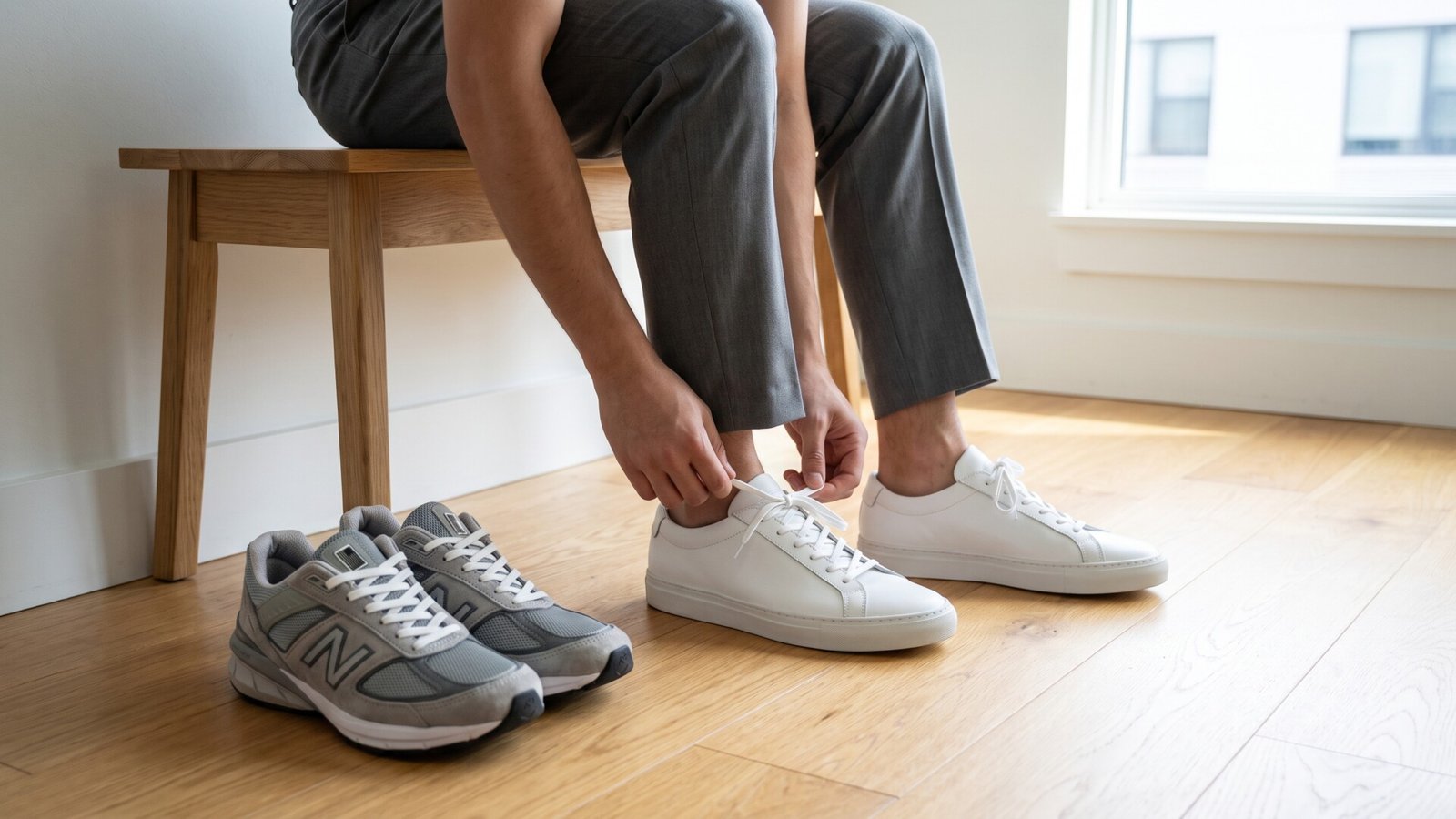
Real talk: The difference between Common Projects and a $80 alternative? About $320. The average person on the street won’t know—and won’t care. They’ll just see clean white sneakers that look fresh.
The Chunky “Dad Shoe”
Luxury target: Balenciaga Triple S ($1,100+)
Why they’re coveted: That exaggerated, stacked sole. The chunky, almost absurd silhouette. The “ugly but somehow cool” energy that defined late 2010s fashion.
Affordable alternatives:
FILA Disruptor II ($65–$85)
The OG affordable chunky sneaker. When the dad shoe trend exploded, FILA was right there with a shoe that cost a fraction of the designer versions. The Disruptor has that chunky silhouette, the thick sole, and streetwear credibility that’s been building for years.
Skechers Street D’Lites ($60–$75)
Skechers might not be the first brand that comes to mind for streetwear, but the D’Lites line is legit. Chunky, fashion-forward, all-black styles that match high-fashion aesthetics. And they’re comfortable—like, really comfortable.
Puma Cali Sport ($70–$85)
Puma’s take on the chunky trend, with clean lines and subtle accents. The Cali line has been around for years and keeps dropping fresh colorways. Solid construction, good materials, and that recognizable silhouette.
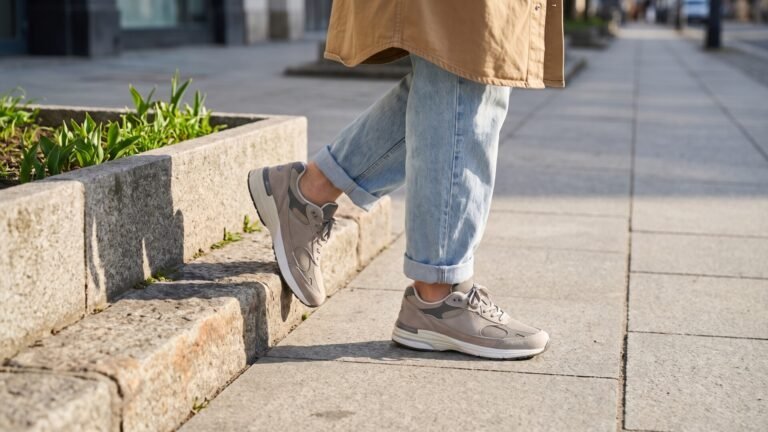
New Balance 530 ($110–$120)
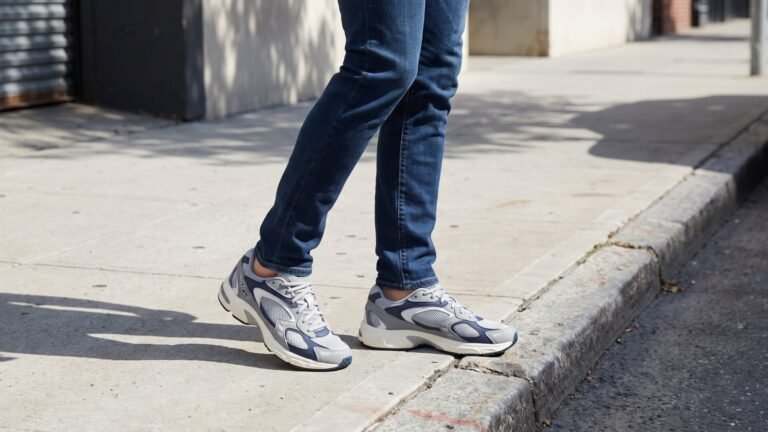
Okay, these aren’t dirt cheap, but they’re under $150 and deliver that dad shoe energy with actual running shoe heritage. The 530 has that chunky, early-2000s vibe that’s been dominating streetwear, and New Balance quality is no joke.
Real talk: The Triple S is an icon, no doubt. But wearing $1,100 shoes every day? That’s anxiety. With a $70 alternative, you can actually live your life—rain, subway grime, whatever.
The Retro Basketball / Jordan Vibe
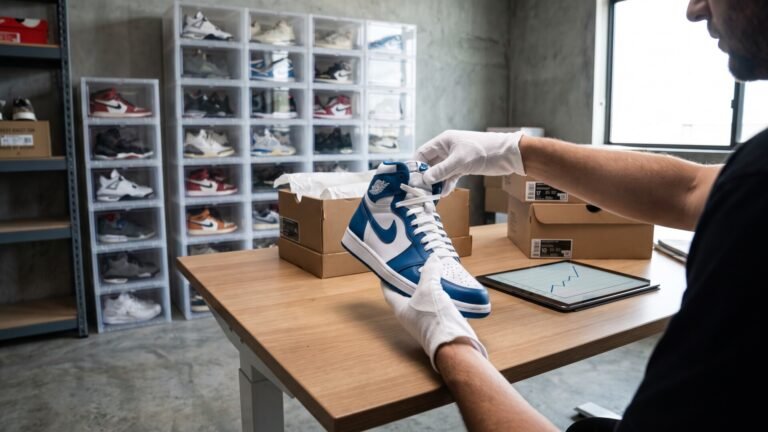
Luxury target: Air Jordan Retros ($200–$500+, often much higher for limited editions)
Why they’re coveted: Cultural significance, iconic silhouettes, the Michael Jordan legacy. Plus, limited releases drive insane resale prices.
Affordable alternatives:
Here’s where things get interesting. The market for Jordan-inspired sneakers under $50 is actually thriving. These aren’t knockoffs—they’re smartly designed alternatives that capture the aesthetic without the price tag.
SoleXpress Retro High ($16)
Yes, you read that right—sixteen dollars. These capture the Air Jordan 1 silhouette with vegan leather upper, padded collar, and grippy rubber sole. For that price, you can grab multiple colorways and build a rotation for under $100.
UrbanKick Mid-Top Pro ($15)
Jordan 3 vibes with elephant print detailing and memory foam insoles. The elephant print is a signature Jordan detail, and UrbanKick includes it at a fraction of the cost.
StreetHype Flight Low ($14)
Jordan 4 inspiration with mesh panels and wing eyelets. The Flight Low is clean, lightweight, and perfect for summer.
BudgetStep Jump Series ($16)
Jordan 11 energy with patent-like synthetic and woven upper. The 11 is one of the most iconic Jordans ever, and this captures the vibe.
FlexStride Court V ($15)
Jordan 5 references with reflective tongue and shark tooth side stripes. The details are there—the tongue, the stripes—for fifteen bucks.
Real talk: Are these gonna last five years? Probably not. But here’s the thing—college student Mia in Chicago built a four-pair rotation of these for $58 total. Each pair lasts 6–8 months of regular wear. That’s fresh shoes twice a year for under $60. Meanwhile, one pair of Jordans costs $200+. Math is math.
Pro tip: Check size charts carefully—budget brands from different regions may run slightly large or small. And read customer reviews with photos to see real-world fit and color accuracy.
The Tech Runner / Gorpcore Aesthetic
Luxury target: Hoka, Salomon, and technical designer collaborations ($200–$600+)
Why they’re coveted: The gorpcore trend exploded. Technical materials, aggressive soles, outdoor vibes. High-end brands like Hoka and Salomon became streetwear staples, and designer collabs pushed prices even higher.
Affordable alternatives:
New Balance 411v3 ($65–$75)
Wide toe box, ABZORB cushioning, that retro runner aesthetic. New Balance delivers technical comfort at approachable prices. The 411v3 is built for walking and everyday wear.
ASICS Gel-Contend 8 ($70–$80)
Rearfoot gel cushioning, breathable mesh, durable rubber. ASICS knows running shoes, and the Gel-Contend line brings that knowledge to an affordable package. Perfect for standing jobs or long days on your feet.
Skechers Go Walk Flex ($55–$65)
Ultra-lightweight, responsive sole, slip-on design. These aren’t trying to be fashion statements—they’re trying to be comfortable. And they succeed. The tech aesthetic is clean, and the comfort is legit.
Amazon Essentials ($35–$45)
Don’t sleep on Amazon’s house brands. Padded collar, soft insole, neutral colorways—these are everyday basics that deliver way more than the price suggests. For $35, you can experiment with styles without commitment.
Real talk: Customer service rep Maria in Chicago suffered through plantar fasciitis in cheap canvas sneakers until she tried the ASICS Gel-Contend 8 at $75. Six months later, her feet feel better, the soles show minimal wear, and she’s not carrying backup shoes anymore. Sometimes spending a little more upfront saves money—and pain—in the long run.
The Classic Canvas / Minimalist
Luxury target: Golden Goose, Maison Margiela ($500–$700+)
Why they’re coveted: Distressed details, pre-worn aesthetic, Italian craftsmanship. Golden Goose especially made “ugly cool” into a luxury product.
Affordable alternatives:
Converse Chuck Taylor All Star ($50–$60)
The original. The icon. The Chuck Taylor has been around since 1917, and it’s still one of the most versatile sneakers ever made. The Chuck Taylor All Star Lift OX adds a low platform for a little extra presence.
Vans Old Skool ($70–$80)
You knew this was coming. The Old Skool is timeless, affordable, and available everywhere. Canvas and suede upper, that classic sidestripe, the waffle sole. No one’s confusing it for Golden Goose, but that’s the point—it’s its own thing.
Superga 2750 ($55–$65)
Italian heritage, canvas upper, minimalist design. Superga has been around since 1911 and delivers that European simplicity at approachable prices. Kate Middleton wears them. You can too.
Real talk: Golden Goose charges $500+ for shoes that come pre-distressed. You can distress your own $60 Chucks with some sandpaper and elbow grease and have money left for three more pairs. Just saying.
Smart Shopping Strategies
Where to Find Deals
Seasonal sales are your friend. January and July often bring major discounts. End-of-season clearance can knock 20-30% off.
Online retailers like Zappos, Amazon, and ASOS offer wide selections with customer reviews. Free returns mean you can try at home risk-free.
Outlet stores are worth checking. Nike Vault, Adidas Outlet, Puma Warehouse—these spots often have past-season models at serious discounts.
Flash sales on sites like Temu, AliExpress, and Amazon can yield incredible deals. Just check reviews and size charts carefully.
The Smart Buyer’s Checklist
Before you click “buy,” run through this :
- Verify total price including shipping and taxes
- Check return policy—can you send them back if they don’t fit?
- Read recent reviews—focus on comfort and durability comments
- Compare multiple listings—small design differences affect fit
- Confirm available sizes—some brands skip half-sizes
- Look for UV-resistant finishes if you’ll wear them outdoors
- Check for coupons or loyalty discounts at checkout
What to Avoid
Ignoring arch support is a common mistake. Flat insoles feel soft initially but lack structural support. That fatigue adds up.
Chasing trends over fit will leave you with sore feet. Chunky soles and pointed toes might look cool, but they can cause imbalance or blisters.
Buying based solely on color means ignoring function. A vibrant hue won’t matter if the shoe pinches your pinky toe.
Skipping break-in time leads to premature judgment. Even comfortable shoes need 1–2 wears to mold to your foot.
Not rotating pairs accelerates breakdown. Wearing the same shoes daily reduces airflow and speeds up wear.
Real People, Real Savings
Let’s look at some real-world examples.
Mia’s College Rotation
Mia, a college student in Chicago, wanted fresh sneakers without the student loan guilt. She discovered Jordan-inspired models on online marketplaces and built a four-pair rotation for $58 total over three months:
- Black-red Retro High (AJ1 vibe) for everyday wear
- White-gray Flight Low (AJ4 vibe) for summer
- Two other colorways for variety
Each pair lasts 6–8 months with regular use. For under $60, she has fresh shoes twice a year. Compare that to $200+ for one pair of authentic Jordans that she’d be terrified to beat up.
Maria’s Commute Upgrade
Maria, a customer service rep in Chicago, dealt with plantar fasciitis from cheap canvas sneakers. She tried the ASICS Gel-Contend 8 at $75—slightly above her usual budget—and noticed immediate differences:
- Arch support reduced foot strain
- Breathable mesh kept feet cool during summer commutes
- Clean white design paired with both jeans and work pants
Six months later, the soles show minimal wear, and she no longer needs backup shoes. Spending a little more upfront saved money—and pain—in the long run.
The Bottom Line
Look, luxury sneakers are cool. They’re status symbols, design objects, conversation starters. If you have the money and want to spend it, go ahead—no judgment here.
But here’s the truth: style isn’t about the price tag. It’s about how you wear what you wear. Some of the freshest fits I’ve ever seen were built around affordable sneakers that the person just owned.
The alternatives in this guide deliver real value. They look good, feel comfortable, and hold up to daily wear. And they leave you with money in your pocket—money you can use to build a rotation, experiment with trends, or just, you know, live your life.
So next time you’re eyeing that $800 pair, take a breath. Check the alternatives. See if something under $150 captures the same energy. Chances are, it does.
And your bank account will thank you.
Want more budget heat? Check out our Affordable Kicks section for weekly deals and under-the-radar finds. And hit that subscribe button so you never miss a drop—luxury or otherwise.
Street Sneakers Vault – Keeping you fresh without breaking the bank.