Sneakers vs Fashion: Streetwear Meets Luxury
We’re diving into something that’s been reshaping the way we think about footwear—the collision between streetwear sneakers and high fashion.
Look, there was a time when these two worlds existed separately. You had your luxury shoes—polished leather, sleek silhouettes, worn with suits and formal wear. And you had your sneakers—canvas and rubber, worn with jeans and hoodies, associated with skate parks and basketball courts. The two never mixed. A guy in a tailored suit wearing sneakers would’ve been laughed out of the room.
That time is dead. Buried. Gone.
Today, the most coveted sneakers in the world come from luxury houses. Balenciaga, Gucci, Prada, Louis Vuitton—they’re all in the game, and they’re winning. Meanwhile, streetwear brands like Nike SB and Adidas are collaborating with those same luxury houses, creating hybrids that blur every line we thought existed.
This isn’t just a trend. It’s a fundamental shift in how we dress, how we signal status, and how we define luxury itself. At Street Sneakers Vault, we’re breaking down everything you need to know about this collision—from the designers who made it happen to the sneakers that define the movement.
So grab a seat. We’re about to explore how sneakers took over the fashion world and why luxury will never be the same.
A Brief History of Two Worlds
The Origins: Separate but Equal
To understand how we got here, we need to go back.
Luxury footwear has been around for centuries. Handcrafted leather shoes, bespoke boots, elegant loafers—these were the markers of wealth and status. If you had money, you didn’t wear sneakers. You wore something that showed you never had to run anywhere.
Sneakers, meanwhile, were born in the late 19th century as athletic equipment. The first rubber-soled shoes were designed for sports—tennis, croquet, eventually basketball. They were utilitarian. Functional. Decidedly not fashionable.
Even as sneakers entered popular culture in the 1950s and 60s—think James Dean in Chucks, or the rise of Converse as casual wear—they remained working-class footwear. Cool, yes. Fashionable, sure. But luxury? Not even close.
The First Cracks in the Wall
The 1980s changed everything.
Michael Jordan’s partnership with Nike created the Air Jordan line, and suddenly sneakers were collectible. Hip-hop culture embraced sneakers as status symbols—Run-DMC’s “My Adidas” remains one of the most famous brand moments in music history. Sneakers were no longer just for sports; they were identity markers.
But luxury fashion still kept its distance. Through the 90s and early 2000s, the worlds remained separate. You had luxury sneakers, sure—Prada made some, Gucci made some—but they were luxury versions of athletic shoes, not cultural artifacts. They didn’t have the street credibility that made sneakers matter.
The Floodgates Open
The mid-2010s marked the real turning point. Two names stand out: Virgil Abloh and Demna Gvasalia.
Virgil Abloh, a trained architect with a background in streetwear, became artistic director of Louis Vuitton’s menswear in 2018. His Off-White collaborations with Nike had already redefined how sneaker collabs worked—deconstructed designs, zip ties, quotation marks, industrial aesthetics. When he brought that sensibility to Louis Vuitton, he wasn’t just designing sneakers; he was telling the world that streetwear and luxury belonged together.
Demna Gvasalia took a different path. At Balenciaga, he created sneakers that looked like nothing luxury fashion had ever seen—the Triple S, the Speed Trainer, the Track. These weren’t luxury versions of athletic shoes; they were sculptures. Art pieces. Statements. And people couldn’t buy them fast enough.
Suddenly, every luxury house wanted in. Prada collaborated with Adidas. Dior teamed up with Jordan Brand. Gucci dropped sneakers that looked like they came from a skate shop. The lines disappeared entirely.
The Designers Who Changed the Game
Virgil Abloh: The Architect of Crossover
Virgil Abloh didn’t invent the luxury-streetwear crossover, but he perfected it. His “3% approach”—changing a design by just 3% to make it new—became legendary. He took iconic silhouettes like the Air Jordan 1 and Air Force 1 and deconstructed them, revealing their bones, their construction, their essence.
His work at Louis Vuitton was equally revolutionary. He brought skaters, rappers, and streetwear kids into the world of high fashion. He made luxury feel accessible without losing its prestige. When he passed away in 2021, he left behind a legacy that transformed both industries forever.
Demna Gvasalia: The Disruptor
Demna’s approach was different. Where Virgil built bridges, Demna burned them and rebuilt something new. His Balenciaga sneakers weren’t trying to be luxury versions of streetwear—they were challenging the very idea of what luxury could be.
The Triple S, released in 2017, looked like something from a thrift store exploded. Stacked soles, distressed finishes, clashing colors—it was ugly and beautiful at the same time. It made people rethink everything they knew about designer footwear.
Demna understood that luxury wasn’t about polish anymore. It was about attitude. It was about making a statement. And his sneakers made the loudest statement in fashion.
Kanye West: The Visionary
Love him or hate him, Kanye West changed sneaker culture forever. His Yeezy line with Adidas created a template for celebrity collaborations that everyone still follows. More importantly, he brought high-fashion aesthetics to athletic footwear.
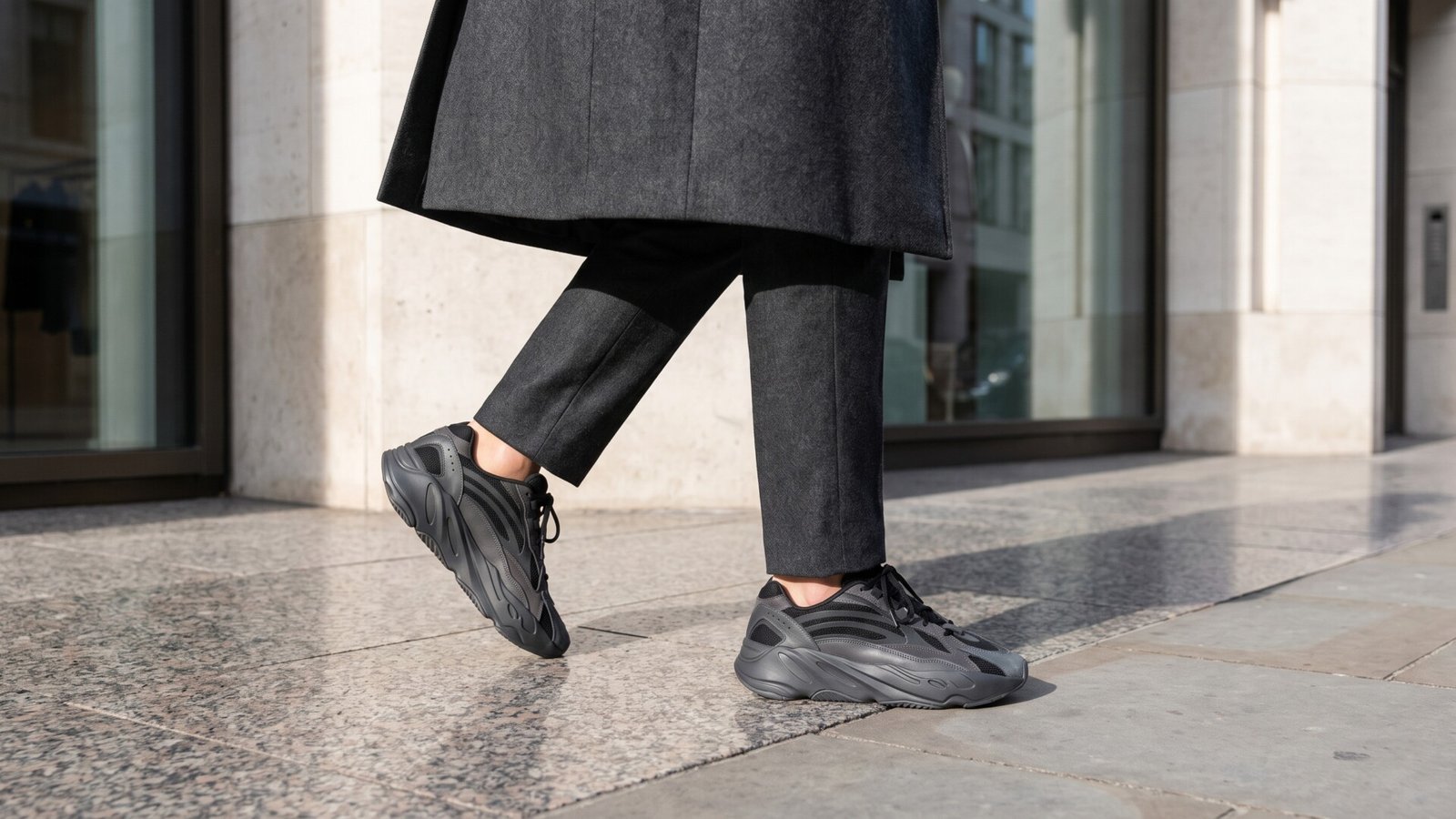
The Yeezy 350, the 700, the 500—each silhouette pushed boundaries. They weren’t basketball shoes or running shoes. They were something new: fashion sneakers built on athletic technology. Kanye understood that the future wasn’t about separating streetwear and luxury; it was about merging them into something that transcended both.
The Sneakers That Define the Movement
Balenciaga Triple S
We have to start here. The Triple S is arguably the most influential luxury sneaker of the past decade.
Released in 2017, it featured a stacked sole unit constructed from three different athletic shoe treads—running, basketball, and track and field. The upper was assembled from 68 individual pieces, distressed to look worn and lived-in. At $795 retail, it was expensive. And it sold out everywhere.
The Triple S launched a thousand imitators. Every brand wanted their own chunky dad shoe. But more importantly, it proved that luxury consumers weren’t just buying shoes; they were buying ideas. The Triple S wasn’t practical. It wasn’t sleek. It was a statement—and people wanted to make that statement.
In 2026, Balenciaga released the Triple S.2 under new creative direction, updating the silhouette while maintaining its DNA. The stacked sole remains, but the profile is elongated and streamlined. Mesh panels add breathability. New colorways drop regularly. The Triple S isn’t going anywhere.
Check out my take on the Balenciaga Triple S on its dedicated page.
Louis Vuitton Trainer
Virgil Abloh’s Louis Vuitton Trainer, released in 2019, represented a different approach. Where the Triple S was aggressively ugly, the LV Trainer was beautiful—sculptural, elegant, crafted from premium leather with hand-painted edges and detailed stitching.
Inspired by vintage basketball sneakers, the LV Trainer became an instant icon. It retailed for over $1,000 and still sold out. Celebrities wore them. Collectors chased them. And they proved that luxury houses could create original sneaker designs, not just license existing ones.
The LV Trainer remains in production, with new colorways releasing regularly. It’s become a cornerstone of Louis Vuitton’s footwear collection, a testament to Abloh’s vision.
Dior x Air Jordan 1
When Dior announced a collaboration with Jordan Brand in 2020, the sneaker world lost its collective mind. This wasn’t just another collab—it was the ultimate symbol of luxury meeting streetwear. The most famous sneaker silhouette of all time, reinterpreted by one of the most prestigious fashion houses in the world.
The Dior x Air Jordan 1 featured premium Italian leather, Dior’s signature oblique monogram on the swoosh, and “Air Dior” branding on the tongue. Only 8,500 pairs were produced, and they retailed for $2,000. Resale prices quickly climbed to $10,000+.
This collaboration proved that the lines between streetwear and luxury were completely erased. Jordan Brand—the epitome of basketball culture—was now partnering with Dior—the epitome of Parisian elegance. Nothing would ever be the same.
Prada x Adidas
Prada and Adidas have collaborated multiple times, creating sneakers that blend Italian craftsmanship with German sport heritage. The Prada Superstar, released in 2019, reimagined Adidas’ iconic shell-toe silhouette in full-grain Italian leather. Clean, minimalist, and undeniably luxurious.
The collaboration continues in 2026, with new releases dropping regularly. Prada brings the luxury materials and construction; Adidas brings the silhouette and cultural credibility. It’s a perfect marriage of two worlds.
Why This Matters – The Cultural Shift
Status Signals Have Changed
Here’s the thing about luxury: it’s always been about signaling status. A Rolex tells people you have money. A tailored suit tells people you have taste. But in 2026, those signals have changed.
Wearing a $1,000 sneaker sends a different message than wearing a $1,000 dress shoe. It says you’re connected to culture. You understand what’s happening on the streets. You’re not stuck in old ideas of what luxury should be.
Younger consumers especially value this authenticity. They’d rather wear limited sneakers than traditional luxury shoes because the sneakers feel real. They have stories. They’re connected to music, sports, art—not just fashion.
The Demographics of Luxury
Luxury brands noticed something important in the 2010s: their customers were getting younger. Millennials and Gen Z were entering the market, and they didn’t care about the same things their parents cared about. They wanted products that reflected their values, their culture, their identity.
Sneakers were the answer. By embracing streetwear, luxury houses could connect with younger consumers while maintaining their prestige. It was genius marketing—and it worked.
Today, Balenciaga’s biggest customers are often the same people buying Nike SB and Adidas. They’re sneaker collectors first, luxury consumers second. And brands have adapted accordingly.
The Blurring of Categories
What even is a sneaker anymore? Is the Triple S a sneaker? It’s certainly not athletic. Is the LV Trainer a dress shoe? Not really. These categories have become meaningless.
We’ve entered an era where shoes exist on a spectrum, not in boxes. Some are sporty, some are dressy, most are somewhere in between. And that’s exactly how consumers want it. We don’t want to be told what to wear with what. We want to create our own combinations, our own rules.
The 2026 Landscape – Where We Are Now
Current Trends in Luxury Sneakers
As we move through 2026, several trends define the luxury sneaker market:
The Return of Refinement
After years of maximalism and chunky silhouettes, we’re seeing a return to refined, elegant designs. The Triple S.2, while still substantial, is more streamlined than its predecessor. The LV Trainer remains in production with subtle updates. There’s a growing appreciation for craftsmanship over shock value.
Sustainable Luxury
Consumers increasingly care about where their products come from. Luxury brands are responding with sustainable materials, ethical production, and transparent supply chains. Balenciaga has incorporated recycled materials into recent releases. Prada’s Re-Nylon collection extends to footwear. Sustainability is no longer optional—it’s expected.
The Collaboration Economy
Collaborations continue to drive the market. In 2026, we’ve seen Dior team up with Stone Island, Gucci partner with Palace, and Louis Vuitton work with Nigo. These partnerships keep the market fresh and create endless hype cycles.
Digital Integration
NFTs, digital sneakers, metaverse activations—luxury brands are exploring every corner of digital culture. Some releases now include digital twins with physical purchases. Others exist purely online. The boundaries between physical and digital continue to blur.
The Democratization of Luxury
Here’s an interesting development: as luxury sneakers become more expensive, the alternatives become more sophisticated. Brands like Koio, Greats, and Axel Arigato produce sneakers that rival luxury quality at half the price. Consumers have choices.
This democratization forces luxury houses to justify their prices. You can’t just slap a logo on a shoe and call it luxury anymore. You need real design, real craftsmanship, real innovation. The competition is too fierce.
Styling Luxury Sneakers – How to Wear Them
The High-Low Mix
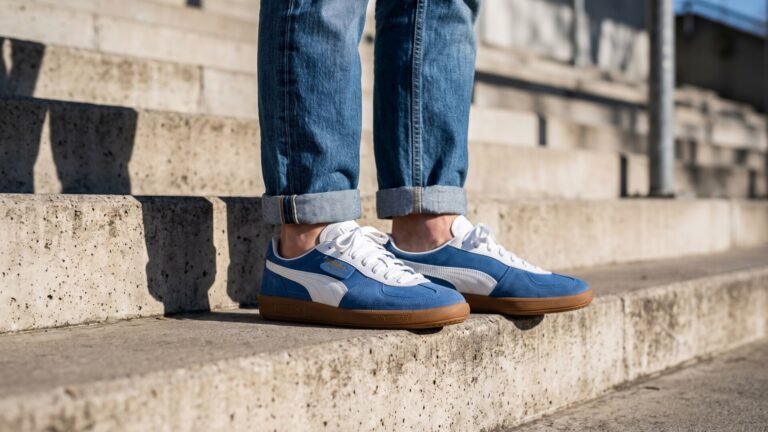
The most effective way to style luxury sneakers is to mix them with affordable pieces. A $1,000 sneaker with $30 jeans and a $50 hoodie creates contrast that highlights the shoes. It feels authentic, not try-hard.
This approach works because it mirrors how sneaker culture actually operates. Real sneakerheads wear their grails with whatever they have. They’re not dressing up to match their shoes; they’re incorporating the shoes into their existing style.
Dressing Up with Sneakers
Can you wear luxury sneakers with a suit? Absolutely—if you do it right.
The key is cohesion. A sleek, minimalist sneaker like the LV Trainer or Common Projects works better with tailoring than a chunky Triple S. Keep the rest of your outfit relatively simple. Let the shoes add interest without overwhelming the look.
For women, luxury sneakers pair beautifully with dresses, skirts, and tailored trousers. The contrast between feminine pieces and sporty shoes creates visual tension that’s inherently stylish.
The Streetwear Uniform
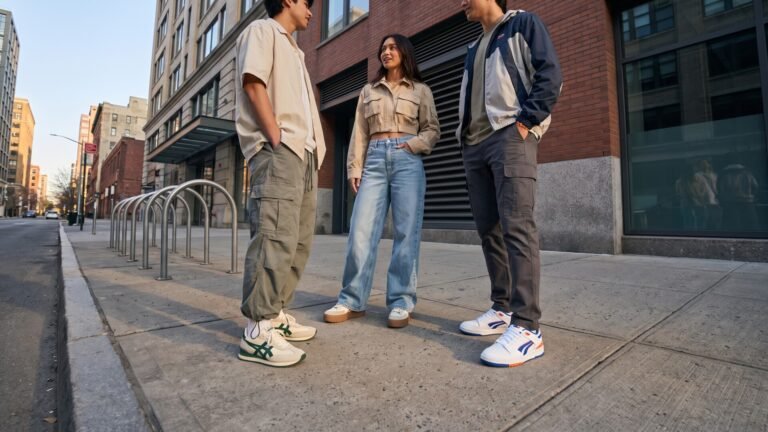
The classic streetwear uniform—baggy jeans, oversized hoodie, statement sneakers—remains relevant in 2026. Luxury sneakers serve as the anchor, grounding the outfit and providing the focal point.
This look works because it’s comfortable, expressive, and undeniably cool. It’s what you’ll see at sneaker conventions, fashion weeks, and anywhere young people gather.
The Investment Angle
Are Luxury Sneakers Good Investments?
This is complicated.
Some luxury sneakers appreciate significantly. The Dior x Air Jordan 1, originally $2,000, resells for $10,000+. Limited LV Trainers can double or triple in value. Rare Balenciaga colorways command premiums on secondary markets.
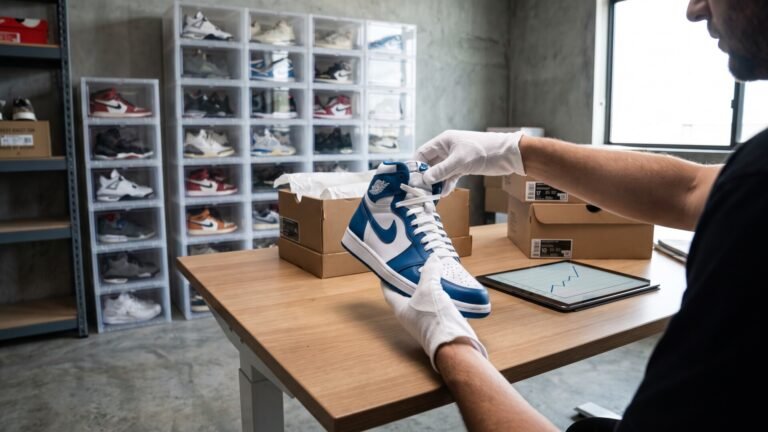
But most luxury sneakers don’t appreciate. They’re like cars—they lose value the moment you wear them. If you’re buying for investment, you need to treat it seriously: research limited releases, understand market trends, keep everything deadstock with original packaging.
The Secondary Market
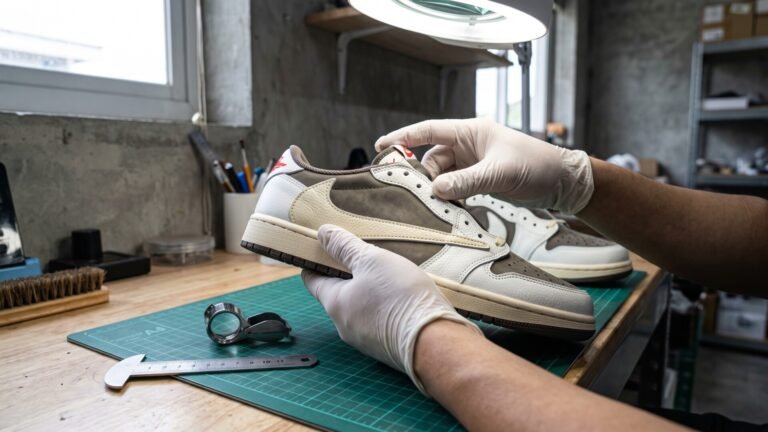
Platforms like StockX, GOAT, and FARFETCH have made buying and selling luxury sneakers easier than ever. Authentication services provide confidence, though fees eat into profits.
The secondary market also provides access to sold-out releases. If you missed a drop, you can probably find it on StockX—for a price. That accessibility is relatively new, and it’s changed how collectors approach luxury sneakers.
The Future – Where Are We Headed?
The Next Generation of Designers
With Virgil gone and Demna at Gucci, new voices are emerging. Pierpaolo Piccioli at Balenciaga brings a different perspective—more rooted in couture, more focused on elegance. His Triple S.2 and Manolo Blahnik collaboration suggest a shift toward refinement without losing edge.
Young designers from streetwear backgrounds are entering luxury houses. The pipeline that Virgil established continues to flow. We’ll see more cross-pollination, more hybrid aesthetics, more boundary-pushing.
Technology and Innovation
Materials continue to evolve. Sustainable leathers, recycled foams, biodegradable components—these aren’t futuristic concepts; they’re current realities. Luxury brands invest heavily in R&D because their customers demand it.
Digital integration will deepen. Expect more AR try-ons, more blockchain authentication, more virtual sneakers that unlock physical counterparts. The line between digital and physical will continue to blur.
Cultural Evolution
Streetwear’s dominance may moderate, but its influence won’t disappear. The values streetwear brought to fashion—authenticity, community, storytelling—have permanently changed how luxury operates.
Future generations will grow up in a world where sneakers and suits coexist naturally. They won’t remember a time when these worlds were separate. And that’s exactly how it should be.
Building Your Collection
Where to Start
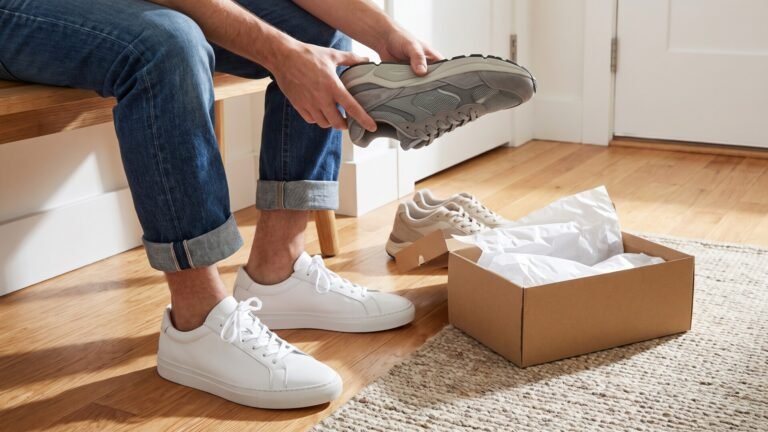
If you’re new to luxury sneakers, start with versatility. A clean white leather sneaker from Common Projects, Koio, or Greats will work with almost everything. Wear them for months before adding something more statement-making.
Graduate to iconic silhouettes: the LV Trainer, the Triple S, the Dior B30. Each tells a different story and brings different energy to your rotation.
Balancing Investment and Wear
You can’t wear everything, but you shouldn’t keep everything in boxes. Find a balance. Keep some pairs pristine for special occasions or potential resale. Wear others freely. Enjoy them. That’s what they’re for.
The Personal Connection
Ultimately, sneakers are about personal expression. The best collections reflect the owner’s taste, experiences, and identity. Don’t buy what’s hyped; buy what speaks to you. Your collection should tell your story.
The Beautiful Blur
Look, we’re living through something special. The collision of sneakers and luxury fashion has created a world where anything is possible. A basketball shoe can be a status symbol. A running shoe can be art. A hiking boot can be high fashion.
This blurring of boundaries reflects something deeper about how we live now. We don’t fit into neat categories anymore. We mix high and low, sporty and dressy, street and formal. Our shoes should reflect that complexity.
At Street Sneakers Vault, we celebrate this beautiful blur. Whether you’re rocking Triple S or Old Skools, LV Trainers or Air Jordans, you’re part of something bigger—a culture that refuses to be defined by old rules.
The future of sneakers is whatever we make it. And from where I’m sitting, it’s looking fresh.
Explore more luxury sneaker content in our Designer / Luxury Sneakers hub. From brand profiles to styling guides, we’ve got everything you need to navigate this beautiful blur.
Street Sneakers Vault – Keeping you fresh since day one.