The Biggest Mistakes People Make When Buying Cheap Sneakers
Cheap Doesn’t Mean Bad — But Mistakes Make It Worse
Walk into any discount shoe store or scroll through Amazon’s sneaker section, and you will see a dizzying array of options under $100. Bright colors. Big brand names. Discount stickers promising 50% off. It is easy to assume that “cheap” sneakers are a gamble—sometimes you get lucky, sometimes your feet hurt for a week.
But here is the truth that most buyers never realize: cheap sneakers are not the problem. The problem is how people buy them.
The sneaker market in 2026 offers genuinely excellent options in the $50–$150 range. The ASICS Gel-1130, New Balance 2002R, Nike Revolution 6, and Adidas Forum Low prove that you do not need to spend $200 for comfort, durability, and style. Yet countless buyers still end up with shoes that hurt, fall apart, or collect dust in the closet. They blame the price tag. They should blame their decisions.
This guide exposes the seven biggest mistakes people make when buying cheap sneakers. You will learn why hype models like Nike Dunks and Adidas Sambas often disappoint for daily wear. You will discover why “too cheap” is a trap. You will understand how fake discounts, bad fit, and mismatched use cases ruin otherwise good purchases. Most importantly, you will walk away with a clear, actionable strategy for buying budget sneakers that actually work for your feet and your life.
No fluff. No brand bias. Just practical advice from someone who has tested hundreds of sneakers across every price point. Let us fix your buying habits.
Quick Summary: The 7 Biggest Mistakes
If you only have sixty seconds, here are the seven mistakes that ruin cheap sneaker purchases.
1. Buying for hype instead of comfort. Social media tells you Nike Dunks are cool. Your feet tell you they hurt. Hype models often use basic foam and thin materials. Prioritize cushioning and fit over Instagram trends.
2. Ignoring fit and foot type. One size does not fit all. Narrow feet need different shoes than wide feet. Ignoring your foot shape leads to blisters, numbness, and returned shoes.
3. Going too cheap ($30–$60 trap). Those $40 sneakers seem like a steal. Then the foam flattens in two months, and you buy another pair. The false economy of ultra-cheap shoes costs more over time.
4. Falling for fake discounts. “Was $150, now $60!” No, it wasn’t. Many budget brands inflate MSRP to create fake urgency. Learn to spot real value vs. marketing tricks.
5. Ignoring materials and build quality. All sneakers look similar online. But thin mesh, stiff synthetic leather, and paper-thin outsoles guarantee disappointment. Know what to look for.
6. Buying the wrong type for your use case. Running shoes for casual wear? Flat lifestyle shoes for all-day walking? Mismatched use cases lead to discomfort. Match the shoe to the activity.
7. Expecting premium performance at budget price. A $100 sneaker is not a $300 sneaker. Budget shoes win on value, not cutting-edge technology. Set realistic expectations.
Avoid these seven mistakes, and you will save money, save your feet, and actually enjoy your cheap sneakers.
Comparison Table: Smart Buyer vs Common Mistakes
| Category | Smart Buyer | Common Mistake |
|---|---|---|
| Budget Range | $90–$150 sweet spot | Going under $60 blindly |
| Comfort Priority | Prioritized cushioning and support | Ignored in favor of style or price |
| Fit Process | Tested carefully, read sizing reviews | Assumed standard size works across brands |
| Use Case | Defined (walking, standing, casual) | Random purchase based on looks |
| Value Thinking | Long-term cost-per-wear | Short-term savings on purchase price |
| Research | Reads reviews, compares alternatives | Buys based on social media or discount |
| Materials | Checks for mesh, durable foam, rubber outsole | Ignores construction, assumes all similar |
| Expectations | Realistic about budget vs premium | Expects $300 performance at $70 price |
Mistake #1: Buying for Hype Instead of Comfort
Social media has transformed sneaker buying. TikTok trends, Instagram reels, and YouTube hauls create massive demand for specific models. Suddenly, everyone wants the same shoe—not because it is comfortable, but because it is popular.
The worst offenders in 2026:
- Nike Dunk Low: A flat foam midsole with minimal cushioning. Thin synthetic leather that creases quickly. Narrow fit that squeezes wide feet. Yet resale prices hit $200+ for popular colorways. Buyers endure discomfort because the shoe is “cool.”
- Adidas Samba: A hard gum rubber sole with almost no foam cushioning. Narrow toe box. Minimal arch support. The Samba was designed as an indoor soccer shoe, not an all-day walker. But terrace culture and minimalist fashion made it a must-have. Thousands of buyers now own Sambas they never wear because their feet hurt after an hour.
- Air Jordan 1 Low: The same Air Sole technology from 1985. Stiff leather. Heavy construction. Yet nostalgia and celebrity endorsements keep demand high. For the price of a Jordan 1 Low, you could buy two ASICS Gel-1130s and actually enjoy walking.
Why hype models disappoint for daily comfort:
These shoes were not designed for modern comfort expectations. The Dunk Low was a basketball shoe from 1985. The Samba was a soccer trainer from 1949. The Jordan 1 was a performance shoe from 1985. Brands reissue them for lifestyle wear, but they do not update the cushioning or materials significantly. You are paying for heritage, not engineering.
What to do instead:
Before buying any hyped model, ask yourself: “Am I buying this because I genuinely love how it looks and fits, or because I have seen it everywhere?” Then search for alternatives that offer similar style with better comfort. The Adidas Forum Low replaces Dunks. The ASICS Gel-1130 replaces Sambas. The New Balance 550 replaces Jordan 1 Lows. Your feet will thank you.
Mistake #2: Ignoring Fit and Foot Type
The “one-size-fits-all” myth is dangerous. Human feet vary enormously. Yet most buyers assume their usual size works across all brands and models. Then they wonder why their toes go numb or their heels blister.
Common fit issues with budget sneakers:
- Narrow feet in wide shoes: Heel slippage, blisters, lack of lockdown.
- Wide feet in narrow shoes: Numbness, pain across the ball of the foot, bunions.
- High arches in flat shoes: Arch pain, plantar fasciitis.
- Flat feet in high-arch shoes: Pressure points, instability.
Example of better-fitting options:
The New Balance 2002R is a forgiving shoe. It comes in standard and wide widths. The toe box is roomy. The heel counter is structured but not aggressive. Buyers with wide feet consistently report comfort.
The ASICS Gel-1130 fits true to size with a snug midfoot. Narrow to average feet love it. Wide feet should size up or look elsewhere.
How to fix fit mistakes:
- Read sizing reviews. Search for “fits true to size” or “size up” comments. Pay attention to reviewers with similar foot shapes.
- Measure your feet in centimeters. Use a Brannock device or a printable ruler. Compare to each brand’s size chart. Do not assume.
- Order multiple sizes. Buy two sizes from a retailer with free returns. Try both at home with the socks you will wear. Return the loser.
- Try shoes on at the end of the day. Feet swell throughout the day. Morning try-ons lead to too-small purchases.
Ignoring fit is the fastest way to turn a good sneaker into a painful one. Take ten extra minutes to get it right.
Mistake #3: Going Too Cheap ($30–$60 Trap)
Everyone loves a bargain. A $40 sneaker seems like a no-brainer. But the “too cheap” trap catches thousands of buyers every year.
Why ultra-cheap sneakers fail:
- Poor cushioning: The foam is low-density and compresses permanently within weeks. Your $40 shoes feel fine for the first three wears, then flatten into cardboard.
- Weak durability: The outsole rubber is thin and soft. It wears smooth in two months. The mesh tears at stress points. The glue fails, separating sole from upper.
- No support: Heel counters are flexible plastic or foam. Arch support is nonexistent. You feel every crack in the sidewalk.
The false economy of cheap sneakers:
A $40 pair that lasts three months costs $160 per year. A $100 pair that lasts two years costs $50 per year. The “cheaper” option is actually three times more expensive over time. This is not speculation—it is math.
Better alternative: invest in value models.
The Nike Revolution 6 costs $70–$100. It uses soft foam cushioning, breathable mesh, and a durable rubber outsole. Owners report two years of regular use. That is $35–$50 per year—cheaper than the $40 pair that dies in three months.
The ASICS Gel-1130 costs $90–$120 and lasts 2–3 years with rotation. Cost-per-year: $30–$60. That is genuine value.
The exception: Ultra-cheap sneakers make sense for very specific use cases. Growing children who outgrow shoes every six months. Beaters for messy activities (painting, gardening). Occasional wear (once a month). For daily wear, avoid the $30–$60 trap.
Mistake #4: Falling for Fake Discounts
Retailers know that a “sale” tag triggers impulse purchases. They exploit this ruthlessly, especially in the budget sneaker market.
Inflated MSRP tactics:
A no-name brand lists sneakers at $150 “original price” with a “70% off” sale for $45. The sneakers were never worth $150. The materials cost $8. The manufacturing cost $5. The $45 price is actually a healthy profit margin. The “discount” is fictional.
Outlet vs. real deals:
Outlet stores often carry “made for outlet” merchandise. These shoes look similar to mainline models but use cheaper materials. The MSRP is inflated. The “discount” brings the price down to what the shoe is actually worth. You are not saving money—you are buying a lower-quality product.
Red flags to watch for:
- “70% OFF” or “80% OFF” that runs year-round.
- No brand recognition (alphabet soup names: “Zakzory,” “Joomra,” “Both”).
- MSRP listed but never actually charged.
- Countdown timers that reset every time you visit.
Smart strategy to avoid fake discounts:
- Compare prices across multiple retailers. Amazon, Zappos, Dick’s Sporting Goods, and the brand’s own website should have similar prices. If one is dramatically lower, be suspicious.
- Research the typical price range for that model. Use Google Shopping or price history tools (CamelCamelCamel for Amazon).
- Trust established brands with transparent pricing. ASICS, New Balance, Nike, Adidas, Reebok, and Puma have consistent pricing across retailers. A $90 ASICS Gel-1130 is actually a $90 shoe, not a $200 shoe “on sale.”
Real discounts happen on seasonal clearance, not perpetual “sales.” Learn the difference, and you will stop overpaying for cheap shoes.
Mistake #5: Ignoring Materials and Build Quality
Two sneakers can look identical online but feel completely different on foot. The difference is materials. Yet most buyers never look beyond the product photo.
Why materials matter more than branding:
A $120 New Balance 2002R uses layered mesh, genuine suede, and synthetic leather overlays. The mesh breathes. The suede feels soft. The overlays provide structure without stiffness. The shoe molds to your foot over time.
A $120 hype sneaker might use thin synthetic leather, cheap mesh, and cardboard-like reinforcements. It never breaks in. It creases awkwardly. It traps heat.
Key material differences:
- Mesh: Good mesh is dense but flexible, with consistent perforations. Cheap mesh is loose, tears easily, and offers little structure.
- Synthetic leather: Quality synthetic leather has some give and a natural grain. Cheap synthetic leather is stiff, plasticky, and cracks over time.
- Suede: Genuine suede is soft and naps in one direction. Synthetic suede (alcantara) is uniform and less breathable.
- Foam midsole: Compression-molded EVA lasts longer than basic injected EVA. Look for visible denseness.
Signs of poor quality to avoid:
- Stiff uppers that do not flex when you bend the shoe.
- Thin, translucent outsoles that reveal the foam beneath.
- Glue stains around the sole attachment.
- Misaligned panels or crooked branding.
- Frayed stitching around the eyelets and tongue.
Example of good value build: ASICS Gel-1130
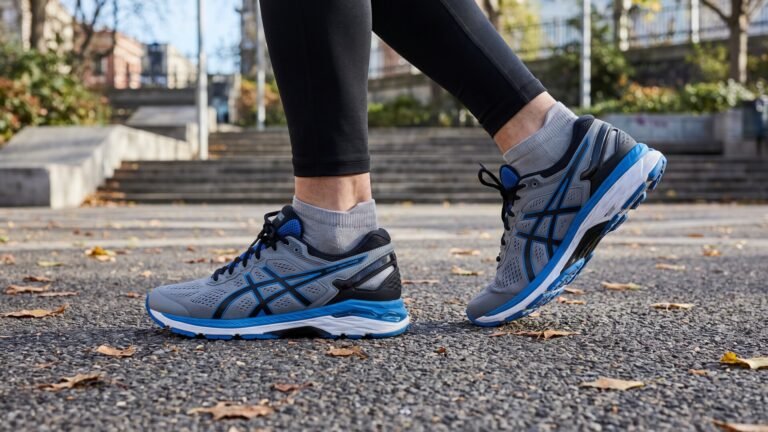
The Gel-1130 uses a breathable mesh base with synthetic leather overlays in the classic ASICS stripe pattern. The GEL pods are visible and functional. The outsole rubber is strategically placed to balance weight and durability. The stitching is clean and consistent. For $90–$110, the materials are appropriate—not premium, but not cheap.
How to check materials before buying:
Read the product description. Look for “mesh upper,” “synthetic leather overlay,” “rubber outsole.” Avoid vague terms like “textile upper” or “man-made materials” without specifics. Watch video reviews that show close-ups of the materials.
Mistake #6: Buying the Wrong Type of Sneaker
Sneakers are tools. Different tools for different jobs. Yet buyers routinely match the wrong shoe to their use case, then blame the shoe when discomfort follows.
Common mismatches:
- Running shoes for casual wear: Running shoes have soft, bouncy foam designed for forward motion. For standing still, that softness can feel unstable. The high stack height (thick sole) also looks out of place with jeans.
- Flat lifestyle shoes for all-day walking: Vans Old Skool, Converse Chuck Taylors, and Nike Dunks have minimal cushioning. They are fine for short errands. For 15,000-step days, they torture your feet.
- Basketball shoes for casual wear: Heavy, stiff, and overbuilt. The cushioning is designed for jumping and landing, not walking. Your legs fatigue faster.
- Minimalist shoes for standing all day: Zero-drop, low-cushion shoes like Xero or Vivobarefoot are great for strengthening feet—if you transition slowly. For sudden all-day standing, they cause pain.
Better approach: match sneaker to use case.
| Use Case | What to Look For | Best Budget Examples |
|---|---|---|
| All-day walking | Responsive cushioning, breathable mesh, lightweight | ASICS Gel-1130, New Balance 2002R |
| Standing all day | Firm but forgiving foam, good arch support, stable heel | New Balance 2002R, Nike Revolution 6 (with insole) |
| Casual daily wear (short errands, office) | Style + moderate comfort | Adidas Forum Low, Reebok Club C 85 |
| Gym / light training | Flat, stable sole for lifting; some cushioning for cardio | Reebok Club C 85, Nike Revolution 6 |
| Travel (mix of walking and standing) | Lightweight, breathable, versatile style | ASICS Gel-1130 |
Real-world example of mismatch disaster:
A buyer purchases Nike Air Force 1s for a two-week Europe trip. The Air Force 1 weighs 15 ounces—heavy. The Air Sole unit provides minimal cushioning. The leather upper traps heat. After three days of cobblestone walking, the buyer develops blisters and foot fatigue. The shoes sit in the hotel closet. The trip is partially ruined.
The fix: Buy the right tool for the job. For travel walking, choose the ASICS Gel-1130 or New Balance 2002R. Save the Air Force 1s for casual nights out.
Mistake #7: Expecting Premium Performance at Budget Price
This mistake is about expectations. A $100 sneaker is not a $300 sneaker. It cannot be. The materials cost less. The cushioning technology is older. The construction is simpler. That is fine—as long as you know what you are getting.
Reality check on budget vs premium:
| Feature | Budget ($90–$150) | Premium ($200–$300) |
|---|---|---|
| Foam technology | EVA, compression-molded EVA, basic GEL | Zoom Air, Boost, Fresh Foam X, FF Blast Plus |
| Energy return | Moderate | High |
| Durability (midsole) | 300–500 miles | 500–800 miles |
| Material quality | Good for price | Excellent |
| Weight | 10–14 oz | 8–12 oz |
Where budget wins: Value. A $100 Gel-1130 delivers 85–90% of the comfort of a $170 Vomero 5 for 60% of the price. That is an excellent trade-off for most buyers.
Where budget loses: Cutting-edge cushioning. You will not find Nike ZoomX foam (used in $180 running shoes) in a $90 sneaker. You will not find Adidas Lightstrike Pro. You will not find carbon fiber plates.
Setting realistic expectations:
- A $120 sneaker will feel good for daily wear. It will not feel like walking on clouds.
- A $120 sneaker will last 1–2 years with regular rotation. It will not last five years.
- A $120 sneaker will have some compromises (thinner mesh, simpler overlays). It will not feel handcrafted.
The danger of unrealistic expectations:
Buyers spend $80 on a budget sneaker, expecting $200 performance. When the shoe inevitably falls short, they declare “cheap sneakers are terrible.” Then they spend $250 on a hype model that also underperforms (because hype ≠ comfort). They have learned nothing.
The healthy perspective: Budget sneakers are excellent value propositions. They are not miracles. Appreciate them for what they are—affordable, comfortable, durable-enough footwear—and you will be happy.
Real-World Examples: Bad vs Smart Choices
Let us compare two buyers to see how mistakes compound.
Bad Buy: The Hype Chaser
- Sees Nike Dunks on TikTok. Buys a pair for $110 retail (or $180 resale).
- Does not check fit. The narrow toe box squeezes their wide feet.
- Wears Dunks for an 8-hour workday on their feet. Feet hurt by lunch.
- Blames “cheap sneakers” (even though $110 is not cheap).
- Returns the Dunks (if possible) or relegates them to the closet.
- Total cost: $110–$180 for a shoe they never wear.
Smart Buy: The Value Seeker
- Needs a sneaker for daily walking and standing.
- Researches best budget comfort sneakers. Finds ASICS Gel-1130.
- Reads reviews: “True to size for narrow feet, size up for wide.”
- Orders two sizes from Zappos (free returns). Tries both.
- Keeps the correct size. Adds a $15 insole for extra arch support.
- Wears the Gel-1130 daily for two years.
- Total cost: $105–$135. Cost-per-wear: under $0.20.
Key takeaways:
- Performance beats hype every time.
- Research takes 20 minutes and saves months of discomfort.
- Budget does not mean bad—bad decisions mean bad.
How to Avoid These Mistakes (Actionable Guide)
Follow this step-by-step checklist for your next sneaker purchase.
Step 1: Define your use case.
Write down: “I will wear these for [walking/standing/casual/travel] for [hours per day].” Be honest.
Step 2: Set a realistic budget.
- Under $60 only for children, beaters, or occasional wear.
- $60–$90 for decent casual sneakers (Nike Revolution 6, Reebok Club C 85).
- $90–$150 for the value sweet spot (ASICS Gel-1130, New Balance 2002R, Adidas Forum Low).
- Over $150 only for specific needs (premium cushioning, unique design).
Step 3: Research comfort reviews.
Search for “[model name] comfort” or “[model name] all-day wear.” Read reviews from people with similar use cases. Ignore “they look great” reviews. Focus on “wore for 8 hours” reviews.
Step 4: Check fit and sizing.
- Measure your foot in centimeters.
- Read sizing notes (“runs small,” “wide feet size up”).
- Order from a retailer with free returns.
- Order two sizes if unsure.
Step 5: Compare alternatives.
Do not buy the first shoe you see. Compare three models. Use the comparison table in this article. Choose the one that best matches your use case, fit, and budget.
Step 6: Test properly.
When the shoes arrive, try them on at the end of the day. Wear them around the house for an hour. Walk on different surfaces. If anything feels wrong, return them.
Smart Budget Buying Strategy (Conversion Section)
Here is a strategy for building a budget sneaker rotation that actually works.
Buy one comfort-focused pair. Spend $100–$150 on ASICS Gel-1130 or New Balance 2002R. This is your workhorse for walking, standing, and travel.
Buy one style-focused pair. Spend $70–$120 on Adidas Forum Low, Reebok Club C 85, or Nike Court Vision Low. This is your casual pair for socializing, errands, and outfits where comfort is secondary.
Rotate between them. Wearing the same pair daily compresses the foam faster. Alternating extends the life of both shoes by 2–3 times.
Avoid impulse purchases. Wait 48 hours before buying any sneaker. The hype will fade. The fit and comfort concerns will remain.
Total investment: $170–$270 for two high-quality sneakers that cover all use cases. That is less than one pair of resale Dunks. And your feet will actually be happy.
Final Verdict
Cheap sneakers are not the problem. Bad decisions are.
The sneaker market in 2026 offers exceptional value in the $90–$150 range. The ASICS Gel-1130, New Balance 2002R, Nike Revolution 6, and Adidas Forum Low prove that comfort, durability, and style do not require a $300 price tag. Thousands of satisfied buyers wear these shoes daily without complaint.
But mistakes ruin these purchases. Buying hype models with poor cushioning. Ignoring fit and foot shape. Falling into the ultra-cheap trap. Chasing fake discounts. Overlooking materials. Mismatching use cases. Expecting premium performance from budget prices.
Smart buyers avoid these mistakes. They define their use case. They research comfort and fit. They set realistic budgets and expectations. They buy value, not hype. Their feet stay happy. Their wallets stay full.
You now have the knowledge to be a smart buyer. Use it.
FAQ
1. Are cheap sneakers bad quality?
Not always. Many budget sneakers ($90–$150) offer excellent quality and comfort. The ASICS Gel-1130, New Balance 2002R, and Nike Revolution 6 are proven examples. The key is avoiding ultra-cheap ($30–$60) models and hype-driven overpriced sneakers.
2. What is the biggest mistake when buying sneakers?
Choosing style over comfort. Buyers see a trendy shoe (Nike Dunks, Adidas Sambas) and assume it will be comfortable because it is popular. These hype models often use outdated cushioning and thin materials. Prioritize fit and cushioning over Instagram trends.
3. How much should I spend on good sneakers?
The sweet spot for value is $90–$150. At this price, you get genuine cushioning technology (GEL, ABZORB, compression-molded EVA), solid materials, and durable construction. Below $60, quality drops significantly. Above $150, you face diminishing returns unless you need premium features.
4. Why do cheap sneakers feel uncomfortable?
Three reasons: poor cushioning (thin foam or hard rubber), bad fit (narrow toe box, loose heel), or wrong use case (wearing flat lifestyle shoes for all-day walking). Avoid these issues by choosing value models, checking fit, and matching the shoe to your activity.
5. Can budget sneakers last long?
Yes, if you choose quality models and rotate them. A $100 ASICS Gel-1130 can last 2–3 years with regular rotation (wearing every other day). A $70 Nike Revolution 6 can last 1–2 years. Avoid wearing the same pair daily—foam needs time to decompress.
6. How do I avoid buying uncomfortable sneakers online?
Follow the checklist in this article: define your use case, set a realistic budget ($90–$150), read comfort-focused reviews, check sizing notes, order from retailers with free returns, and order two sizes if unsure. Try shoes on at the end of the day and walk around your house for an hour before committing.