Best Sneakers Under $100 That Don’t Feel Cheap
I have a confession. For years, I assumed that any sneaker under $100 would look, well, cheap. Thin synthetic uppers that creased like crumpled paper. Soles that felt like cardboard. Those weird glossy overlays that screamed “budget aisle.” But somewhere in the last few years, something shifted. Brands realised that not everyone wants to spend $200 on shoes they’ll wear three times a week. The competition heated up. Mass production got smarter. And suddenly, the sub‑$100 sneaker market started producing real gems—shoes that look good, feel solid, and don’t embarrass you when you cross your legs.
The problem is that plenty of cheap sneakers still are cheap. Flimsy construction, glue stains, and materials that fall apart after a season. The trick is knowing which ones to pick. This guide cuts through the noise. It focuses on proven models from established brands, explains what to look for in materials and construction, and gives you straight picks for the best sneakers under $100 that don’t feel cheap. Prices are approximate ranges in USD and change with sales, so check the brand or retailer page before you buy.
Why Budget Sneakers Are Better Than Ever in 2026
Here’s the shift that’s happened. The sneaker market got flooded with mid‑tier competitors. Legacy brands like Nike, Adidas, and New Balance realised they were losing customers to fast‑fashion retailers. So they did something smart: they started putting real quality into their entry‑level and classic models rather than just churning out cheap garbage with a logo. At the same time, mass production techniques improved. Better moulding, more consistent stitching, and materials that used to be reserved for $150+ shoes started trickling down.
The result? You can now buy a Nike Air Force 1 for around $100. A Reebok Club C 85 for $70–90. A New Balance 574 for $80–100. These aren’t “budget versions” of good shoes. They are the good shoes—just sold at scale.
There’s also been a style shift. The maximalist, chunky‑sole, over‑engineered look is fading. In 2026, clean silhouettes, retro runners, and minimalist court shoes are back in a big way. And those simpler designs are actually cheaper to produce well. You don’t need exotic materials or complex moulds. You need good leather, solid rubber, and smart construction. That’s exactly what the best budget sneakers deliver.
What this guide gives you: seven sneakers under $100 that look premium, last through daily wear, and actually feel comfortable. I’ve organised them by style and use case so you can find the right pair for your feet, your wardrobe, and your budget.
What Makes a Sneaker “Not Feel Cheap”?
Before we get to the picks, let me be clear about the criteria I used. These are the things that separate a $70 sneaker that feels like $150 from one that feels like $20.
Materials – Genuine leather, suede, or high‑quality synthetic leather that doesn’t crease like plastic. Decent mesh that breathes without looking like fishnet. Rubber outsoles, not foam that wears down in three months.
Construction quality – Look for double‑stitched seams, clean sole bonding with no glue overflow, and reinforced toe caps. If you can flex the sole in half with one hand, walk away.
Comfort – A decent midsole. EVA foam, Phylon, or even a basic air unit makes all the difference between a shoe you can wear all day and one you want to kick off by lunch.
Design – Clean silhouettes win. Minimalist lines, subtle branding, and balanced proportions look expensive. Overly busy designs, chunky logos, or five different materials on one shoe usually scream “budget” louder than any price tag.
Brand execution – Some brands just do budget better. Nike’s classic lineup, Adidas’s Originals range, New Balance’s 574 series, Reebok’s Club C—these have been refined over decades. They know exactly where to save money without ruining the shoe.
Quick Winner Snapshot
If you only have ten seconds, here’s the TL;DR:
- Best overall: Nike Air Force 1 ’07 — thick leather, solid build, iconic shape. Around $90–100.
- Best minimal sneaker: Adidas Stan Smith — clean, versatile, works with anything. $70–100.
- Best retro runner: New Balance 574 — suede + mesh, EVA cushioning, timeless. $80–100.
- Best comfort: Nike Revolution 6 — lightweight, Phylon foam, great for walking. $60–80.
- Best skate/street: Vans Old Skool — canvas and suede, vulcanised sole, durable. $60–80.
- Best underrated pick: Reebok Club C 85 — soft leather, vintage tennis look, shockingly premium feel. $70–90.
- Best value all‑rounder: Adidas Grand Court — clean leather style at a genuinely low price. $60–80.
Now let me walk you through each one properly.
The 7 Best Sneakers Under $100
Here’s a quick overview before we dive in.
| Sneaker | Price | Comfort | Durability | Style Versatility | Best For |
|---|---|---|---|---|---|
| Nike Air Force 1 ’07 | $90–$100 | ⭐⭐⭐⭐ | ⭐⭐⭐⭐⭐ | ⭐⭐⭐⭐⭐ | Everyday wear |
| Adidas Stan Smith | $70–$100 | ⭐⭐⭐⭐ | ⭐⭐⭐⭐ | ⭐⭐⭐⭐⭐ | Smart casual |
| New Balance 574 | $80–$100 | ⭐⭐⭐⭐⭐ | ⭐⭐⭐⭐ | ⭐⭐⭐⭐ | Comfort + retro |
| Reebok Club C 85 | $70–$90 | ⭐⭐⭐⭐ | ⭐⭐⭐⭐ | ⭐⭐⭐⭐ | Clean vintage |
| Vans Old Skool | $60–$80 | ⭐⭐⭐ | ⭐⭐⭐⭐⭐ | ⭐⭐⭐⭐ | Streetwear |
| Nike Revolution 6 | $60–$80 | ⭐⭐⭐⭐⭐ | ⭐⭐⭐ | ⭐⭐⭐ | Walking |
| Adidas Grand Court | $60–$80 | ⭐⭐⭐ | ⭐⭐⭐ | ⭐⭐⭐⭐ | Budget minimal |
Note: Prices may vary by retailer, colourway, and seasonal sales. The star ratings are our editorial estimates from each shoe’s materials and construction, not lab tests.
4.1 Nike Air Force 1 ’07
Price range: roughly $100–$120 (sales can bring it lower) · Amazon: Men’s →Women’s →
Why it doesn’t feel cheap: The Air Force 1 has a thick, genuine‑leather upper that actually feels substantial. Not the flimsy coated stuff you find on $50 sneakers. The perforated toe box adds breathability without weakening the structure. The rubber outsole with the classic pivot circles is famously durable. The whole shoe has weight to it—not in a bad way, but in a “this isn’t going to fall apart” way.
Pros
- Iconic design that’s been cool for 40+ years
- Chunky midsole provides legit all‑day cushioning
- Works with jeans, joggers, shorts, even casual chinos
- Easy to clean
Cons
- Stiff break‑in period—the leather needs a few wears to soften
- Many buyers find it runs slightly large, so try a half size down if you can test the fit
- The white version gets dirty fast (but that’s true of any white sneaker)
Check price on Amazon: Men’s →Women’s →
4.2 Adidas Stan Smith
Price range: $70–100 · Check on Amazon →
Why it doesn’t feel cheap: The Stan Smith is minimalism done right. Smooth leather upper (synthetic on newer versions, but good quality), clean perforated three‑stripes, and that subtle gum sole on some colourways. The construction is solid—these things last for years. They’re extremely comfortable for all‑day wear, even during travel.
Pros
- One of the most versatile sneakers ever made
- Works with smart casual outfits, which few budget sneakers can pull off
- Lightweight and breathable
- The timeless design never looks dated
Cons
- Newer versions use synthetic leather, not the full‑grain of older models
- Minimal cushioning—not ideal for long walks
- The white colour shows every scuff
Check price: Check on Amazon →
4.3 New Balance 574
Price range: $80–100 · Amazon: Men’s →Women’s →
Why it doesn’t feel cheap: The 574 combines a suede and mesh upper with an EVA foam midsole and a durable rubber outsole. The materials feel premium, especially the suede panels. The ENCAP midsole provides support and cushioning that rivals much more expensive running shoes. It’s built like a real sneaker, not a fashion accessory.
Pros
- Extremely comfortable for walking
- Wide range of colourways from neutral to bold
- Retro aesthetic that’s been in style for 30+ years
- Good arch support
Cons
- Slightly bulky silhouette—not for everyone
- The suede requires careful cleaning (water stains easily)
- Narrow fit
Consider going up half a size.
Check price on Amazon: Men’s →Women’s →
4.4 Reebok Club C 85
Price range: $70–90 · Amazon: Men’s →Women’s →
Why it doesn’t feel cheap: This is the surprise of the list. The Club C 85 has a soft, high‑quality leather upper that feels genuinely premium—better than sneakers that cost twice as much. The perforations improve airflow, and the revised sole construction provides soft cushioning without being mushy. The vintage tennis look is clean and understated.
Pros
- Surprisingly premium feel for the price
- Classic, low‑profile design that fits any casual wardrobe
- Good breathability
- Durable leather construction
Cons
- Minimal cushioning—not a walking shoe
- The all‑white version gets dirty quickly
- Less arch support than running‑style sneakers
Check price on Amazon: Men’s →Women’s →
4.5 Vans Old Skool
Price range: $60–80 · Check on Amazon →
Why it doesn’t feel cheap: The Old Skool is a skate classic for a reason. The canvas and suede combination is tough. The vulcanised sole provides flexibility and grip that lasts through years of wear. Padded collar and tongue add comfort. It’s simple, but it’s built right.
Pros
- Extremely durable canvas construction
- Timeless silhouette that works with almost any casual outfit
- Wide range of colourways
- Affordable even at full price
Cons
- Flat sole—not great for long walks or all‑day standing
- Minimal arch support
- Canvas shows dirt easily
Check price: Check on Amazon →
4.6 Nike Revolution 6
Price range: $60–80
Why it doesn’t feel cheap: This is a budget running shoe that punches above its weight. The Phylon foam midsole provides soft, responsive cushioning. The mesh upper is breathable and lightweight. Nike lists recycled content in the Revolution line. Note that Nike updates this model regularly, so check which version is currently on sale, as the details here may differ.
Pros
- Very comfortable for walking and light running
- Lightweight—you barely notice them on your feet
- Breathable mesh keeps feet cool
- Great value for money
Cons
- Less durable than leather lifestyle sneakers
- Mesh is harder to clean
- Some users report the cushioning wears down faster than premium models
4.7 Adidas Grand Court
Price range: $60–80
Why it doesn’t feel cheap: The Grand Court is Adidas’s budget answer to classic court sneakers. It has a clean leather‑style upper, a simple lace‑up design, and a durable rubber outsole. The Cloudfoam midsole provides decent cushioning. It’s not trying to be a Stan Smith—it’s its own thing, and at this price, it works.
Pros
- Very affordable for a leather‑style sneaker
- Clean, versatile design
- Available in multiple colourways
- Good everyday comfort for the price
Cons
- Materials are less premium than the Stan Smith
- Leather is synthetic and can creak
- Cushioning is basic
Also Worth a Look: Chuck Taylor and Puma Suede
Two more budget classics didn’t make the main seven but deserve a mention. The Converse Chuck Taylor All Star is a canvas high- or low-top that usually sits around $65–$75; it’s light and cheap but has very little cushioning, so it suits short wear. The Puma Suede Classic is a suede low-top that generally lands around $85–$90; it looks sharp and is a good alternative to Vans or Samba-style shoes. Prices vary by colorway and sale, so confirm on the brand site. If you like the Puma look, see our guide to Puma sneakers that defined street culture.
Best Sneakers by Use Case
Everyday wear – Nike Air Force 1 or Adidas Stan Smith. Both are durable, versatile, and comfortable enough for daily use.
Comfort / walking – Nike Revolution 6 (lightweight and cushioned) or New Balance 574 (great support). The 574 is especially good if you’re on your feet for hours.
Streetwear / style – Vans Old Skool (skate vibe) or Reebok Club C 85 (clean vintage look). Both are easy to style with jeans, joggers, or cargos.
Smart casual – Stan Smith or Grand Court. The minimalist white leather look works with chinos, casual trousers, even some office‑adjacent outfits.
How to Make Cheap Sneakers Look Expensive
A $70 sneaker can look like a $200 sneaker if you do three things.
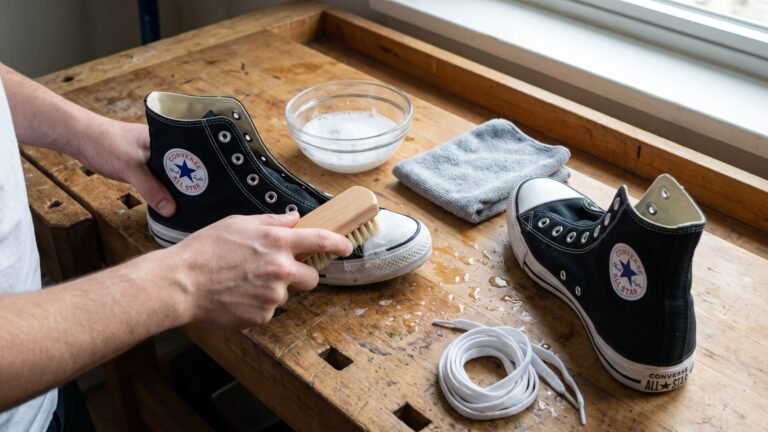
Keep them clean. This is the biggest one. Dust, scuff marks, and yellowed midsoles instantly downgrade any sneaker, regardless of price. Clean them regularly with a soft brush and mild detergent. For white soles, a baking soda paste works wonders.
Swap the laces. Factory laces on budget sneakers are often flat, waxy, and cheap‑looking. Replace them with round, waxed cotton laces in a matching or tonal shade. Costs $5, changes everything.
Choose neutral colourways. White, black, beige, and grey look more expensive than bright red, electric blue, or neon green. Neutral tones are also more versatile.
Wear them with structured outfits. Cheap sneakers stand out when paired with cheap sweatpants. But wear the same sneakers with well‑fitting chinos, a clean hoodie, or a simple bomber jacket, and they suddenly look intentional.
Avoid overly worn pairs. Rotate your sneakers. A shoe that’s worn three times a week will look tired fast. Having two budget pairs and rotating them doubles their life.
What to Avoid Under $100
Not all budget sneakers are worth buying. Here’s what to skip.
Ultra‑thin soles – If the sole feels like a yoga mat, pass. Thin foam compresses quickly and offers no support.
Fake leather that creases badly – Some synthetic leathers look okay in the box but develop deep, ugly creases after two wears. Look for soft, pliable materials.
Unknown brands with poor QC – There’s a reason those $30 Amazon specials have 4 stars today and 2 stars tomorrow. Quality control is nonexistent. Stick with established brands.
Overdesigned sneakers – Too many panels, contrasting colours, or fake carbon‑fibre details usually mean the brand is trying to distract you from poor materials. Clean and simple is safer.
Extremely lightweight builds – A sneaker that feels like it weighs nothing might be comfortable for an hour, but it often lacks structure and durability.
Foam outsoles – Rubber wears slower and provides better grip. Foam outsoles (common on ultra‑budget running shoes) disintegrate quickly.
Are Budget Sneakers Worth It Long‑Term?
Let’s talk cost‑per‑wear. A $100 sneaker that lasts two years of regular use costs about $0.14 per day. A $200 sneaker that lasts three years costs about $0.18 per day. The difference is smaller than you think.
The real strategy: rotate two or three budget sneakers. A pair of Air Force 1s for daily wear, a pair of Revolution 6s for walking, and a pair of Stan Smiths for smarter occasions. Each lasts longer because you’re not wearing the same shoe every day. Total cost: around $250–300. And you have three distinct looks.
When is it worth upgrading above $100? When you need something specific—max cushioning for long runs, premium leather for professional settings, or a limited‑edition colourway you love. For 90% of daily wear, the sneakers in this guide are more than enough.
Frequently Asked Questions About Sneakers Under $100
What are the best sneakers under $100 right now?
Our top picks are the Nike Air Force 1 ’07 for everyday wear, the Adidas Stan Smith for smart-casual versatility and the New Balance 574 for comfort and retro style. Prices move with sales, so some may sit slightly above or below $100.
What are the best affordable sneaker brands that still look good?
Established brands like Nike, Adidas, New Balance, Reebok, Vans, Converse and Puma all have classic models in the roughly $60–$100 range. Stick to their core lineups rather than unknown budget labels.
Which budget sneakers offer the best value for money?
The Reebok Club C 85 and Adidas Grand Court are strong value picks for a clean leather-style look, while the Nike Revolution is the value pick for comfort when walking.
Are cheap sneakers worth buying?
Yes, if you choose proven models from major brands. They offer decent materials, solid construction and reliable comfort. Avoid ultra-budget unknown brands with poor quality control.
Which budget sneakers last the longest?
Leather and canvas/suede models tend to hold up best, such as the Nike Air Force 1 and Vans Old Skool. Lifespan depends on how often you wear them and how you care for them.
What sneakers look expensive but are cheap?
Clean, minimal leather designs such as the Adidas Stan Smith and Reebok Club C 85 look more expensive than they cost, especially in white or neutral colors if you keep them clean.
Are Nike sneakers under $100 good quality?
Nike’s entry-level lifestyle models like the Air Force 1 ’07 use leather uppers and durable outsoles, while the Revolution is a comfortable walking shoe with a mesh upper that is less durable than leather.
How do I make cheap sneakers look premium?
Keep them clean, choose neutral colors, swap factory laces for round waxed ones, wear them with well-fitting trousers and rotate pairs so none wear out too fast.
More Budget Sneaker Guides
If $100 is a hard ceiling, also read Best Cheap Sneakers That Look Expensive and How to Spot High-Quality Sneakers at a Low Price. If you can stretch the budget, see Best Sneakers Under $150 for Everyday Wear or Best Sneakers Under $200. Travelling light? Try Best Cheap Sneakers for Travel, and before you buy anything, read The Biggest Mistakes People Make When Buying Cheap Sneakers. The full list of guides lives in our Sneakers Buying Guides hub.
Final Verdict
You don’t need $200 sneakers to look put together. The best under‑$100 sneakers in 2026 combine good materials, smart design, and decades of brand know‑how. The Nike Air Force 1 remains the best overall pick—thick leather, solid construction, iconic shape. For pure value, the Reebok Club C 85 is shockingly premium at $70–90. For comfort, the Nike Revolution 6 and New Balance 574 are hard to beat. And for style on a tight budget, the Adidas Grand Court delivers a clean look for under $80.
The strategy is simple: stick to proven models from major brands. Prioritise structure and materials over hype. Keep them clean. Rotate a couple of pairs. And don’t be fooled by flashy designs that are trying to hide cheap construction.
Now go find the pair that fits your feet and your wardrobe. Your wallet will thank you.
Check current prices and availability: