Top 5 Sustainable Sneaker Brands That Actually Last (Vegan Leather Review)
The sustainable sneaker market has exploded. Every week a new brand promises “eco‑friendly,” “vegan,” or “carbon‑neutral” kicks, and not all of those claims hold up. A shoe that falls apart in a few months is not sustainable, however green the marketing is. Durability is a big part of the story, and so are materials, factory practices and what happens at end of life.
This guide cuts through the noise. A note on how we researched it: we have not wear‑tested these shoes for a year, and we are not going to pretend otherwise. The picks below are based on each brand’s published materials, certifications and pricing, plus independent reviews, and we flag anything we could not verify. The five brands are LØCI, VEJA, Vessi, SAYE and Native Shoes, with Thousand Fell as an honorable mention. They cover everything from recycled ocean plastic to cactus leather and waterproof knit.
This article is part of our Sneakers Buying Guides. You’ll learn what makes a sneaker truly sustainable, how the main vegan leathers compare, which brands are worth a look and how to spot greenwashing.
Quick Picks (If You’re in a Hurry)
| Category | Brand / Model | Price (USD) |
|---|---|---|
| Best Fully Vegan, Recycled Materials | LØCI | About $145–$190 |
| Best Certifications (B Corp, Fair Trade) | VEJA V‑10 | About $145–$195 |
| Best for Rainy Cities | Vessi Cityscape | About $105 list price, often discounted |
| Best Plant‑Based Leather Look | SAYE Modelo ’89 | Around $190 at launch; check current price |
| Best Budget | Native Shoes Jefferson | About $55–$140 |
Quick takeaway: look for brands that tell you exactly what their materials are, publish certifications you can check and sell shoes you will want to keep wearing. Prices are reported US ranges and change often, so confirm at checkout.
What Makes a Sneaker Truly Sustainable?
A lot of brands slap a green leaf on their packaging and call it a day. Real sustainability is more than that.
Materials
Vegan leather sounds great, with no animals harmed, but not all vegan leather is created equal.
- PU (polyurethane) – The most common. It’s plastic‑based. Pros: flexible, easy to clean. Cons: petroleum‑derived, not biodegradable. Quality varies a lot, and cheap PU is known for cracking.
- Piñatex – Made from pineapple leaf fibers. Pros: uses agricultural waste. Cons: needs a protective coating and is not fully waterproof.
- Desserto – Cactus leather. Pros: low water use compared with many alternatives. Cons: usually contains some PU and is still niche.
- Mylo – Mycelium (mushroom root) leather. A promising material that has shown up in concept releases from large brands, but it has not become widely available.
- Recycled PU and recycled textiles – Made from post‑industrial or post‑consumer plastic waste. Pros: reduces new plastic use. Cons: still plastic‑based.
Manufacturing
- Energy use – factories powered by renewable energy versus fossil fuels.
- Water consumption – vegan materials generally use less water than animal leather, but processes vary.
- Waste management – zero‑waste cutting, scrap recycling, closed‑loop water systems.
Labor & Ethics
A “sustainable” shoe made in poor working conditions isn’t sustainable. Look for fair wages, factory certifications such as B Corp or Fair Trade, and supply chain transparency. Brands that name their factories are usually easier to trust.
Lifecycle & End of Life
The most overlooked factor. A shoe that lasts five years is greener than five shoes that last one year, even if the “green” materials are slightly better. Durability is sustainability. Also ask what happens when the shoe is worn out: can it be repaired, recycled or returned to the brand?
How We Evaluated These Brands
We compared each brand on five things: what the upper and sole are actually made from, whether the brand discloses certifications or recycled content, the price in US dollars, reported fit and sizing quirks, and how independent reviewers describe durability. Where a brand did not publish a figure, we left it out rather than guess. None of the durability notes below come from our own long‑term wear testing.
Deep Dive: 5 Sustainable Sneaker Brands Worth Considering
Brand #1 – LØCI
Price: about $145–$190 (the brand also lists UK pricing from £145)
Materials: Recycled ocean plastic upper, “maize eco‑leather” made from corn waste and recycled polyurethane, recycled foam, natural cork insoles, natural rubber soles
Why it stands out: The whole brand is vegan, and the sneakers are handmade in the Porto area of Portugal by a London‑based team.
LØCI, founded by Emmanuel Eribo and Philippe Homsy, builds sneakers that look like classic leather trainers but use recycled ocean plastic sourced from the Mediterranean and the Atlantic coast of Africa. It has not published third‑party certifications that we could find, so treat the sustainability claims as the brand’s own.
Pros
- Fully vegan range
- Recycled and natural materials listed clearly
- Clean, versatile styling
- Cork insoles
Cons
- No named certifications
- Cork insoles feel firm to some
- Limited colorways in some seasons
Best for: everyday wear for people who want a fully vegan, minimalist sneaker.
Brand #2 – VEJA (V‑10)
Price: about $145–$195
Materials: Wild rubber from the Amazon, organic cotton, and leather or suede on many styles; some styles are vegan
Certifications: B Corp and Fair Trade
VEJA is the best‑known name in sustainable sneakers and one of the few with named certifications. Note that it is not an all‑vegan brand: many models use leather or suede, so if you want a vegan pair you need to pick a vegan style specifically. One reviewer at The Good Trade reported her V‑10 lasting about five years, but suede is harder to clean, and reviewers suggest sizing up and wearing socks at first. For the brand’s history and the rest of its lineup, see our full Veja review.
Pros
- Transparent sourcing
- Recognized certifications
- Classic retro look
- Widely stocked
Cons
- Not all styles are vegan
- Suede needs care
- Prices have risen over time
Best for: buyers who care about fair‑trade sourcing and certifications more than a fully vegan range.
Brand #3 – Vessi (Cityscape)
Price: around $105 list price on the Cityscape Classic, often discounted
Materials: Flexible, breathable knit upper with waterproof Dyma‑tex technology; listed with vegan materials
Care: Hand wash with mild solution and air dry; not machine washable
Vessi is best known for waterproof sneakers. The Cityscape is a knit‑style sneaker that isn’t trying to look like leather, and it suits rainy cities and travel. Vessi lists the fit as narrow but true to size, and its own product page gives mixed guidance on half sizes, so check the size chart and return policy. Recycled content is not stated on the page we checked.
Pros
- Waterproof
- Lightweight
- Vegan materials
- Lower price
Cons
- Knit look rather than leather
- Narrow fit
- Sustainability claims are less detailed than VEJA or LØCI
Best for: wet weather, commuting and travel.
Brand #4 – SAYE (Modelo ’89)
Price: $192 was reported at launch of the cactus version; check the brand’s site for today’s price
Materials: The cactus‑leather version uses Desserto cactus napa (a plant‑based leather alternative), with organic cotton and bamboo lining and laces
Sustainability claim: The brand has said it plants two trees for every sneaker sold
SAYE is a Spanish brand whose Modelo ’89 is a retro court‑style sneaker (not a Y2K runner). The cactus edition is the one with the most detailed published materials. We could not find a B Corp listing for SAYE, so we are not claiming one.
Pros
- Retro court look
- Plant‑based upper
- Clear tree‑planting pledge
Cons
- Premium price
- Desserto still contains some PU
- Sizing advice varies by version
Best for: shoppers who want a plant‑based upper with a classic court silhouette.
Brand #5 – Native Shoes (Jefferson)
Price: about $55–$140
Materials: Sugarcane‑derived resin, upcycled EVA foam
Vegan: Yes
Native is the budget pick. The Jefferson is lightweight, shock‑absorbent and washable, and the brand runs a recycling program. It is a casual, comfort‑first shoe rather than a leather‑look trainer.
Pros
- Affordable
- Washable
- Lightweight
Cons
- Casual styling
- No named third‑party certifications
Best for: budget shoppers and warm‑weather or travel wear.
Honorable Mention – Thousand Fell (Court)
Thousand Fell’s Court sneaker (about $145–$205) is built from recycled water bottles, sugarcane and coconut husk with no leather, and it includes an aloe vera liner and arch support. Wide‑footed buyers should check measurements before ordering.
Comparison Table
| Brand | Price (USD) | Main Materials | Vegan? | Named Certifications | Best For |
|---|---|---|---|---|---|
| LØCI | $145–$190 | Recycled ocean plastic, maize eco‑leather, cork, natural rubber | Yes (whole brand) | None found | Everyday vegan |
| VEJA | $145–$195 | Wild rubber, organic cotton, leather/suede on many styles | Some styles | B Corp, Fair Trade | Certified sourcing |
| Vessi | ~$105 list | Waterproof knit | Yes | None found | Rain and travel |
| SAYE | ~$190 at launch | Desserto cactus leather, organic cotton | Yes (this model) | None found | Plant‑based court look |
| Native Shoes | $55–$140 | Sugarcane resin, upcycled EVA | Yes | None found | Budget |
Minimalist Sneaker Brands Compared
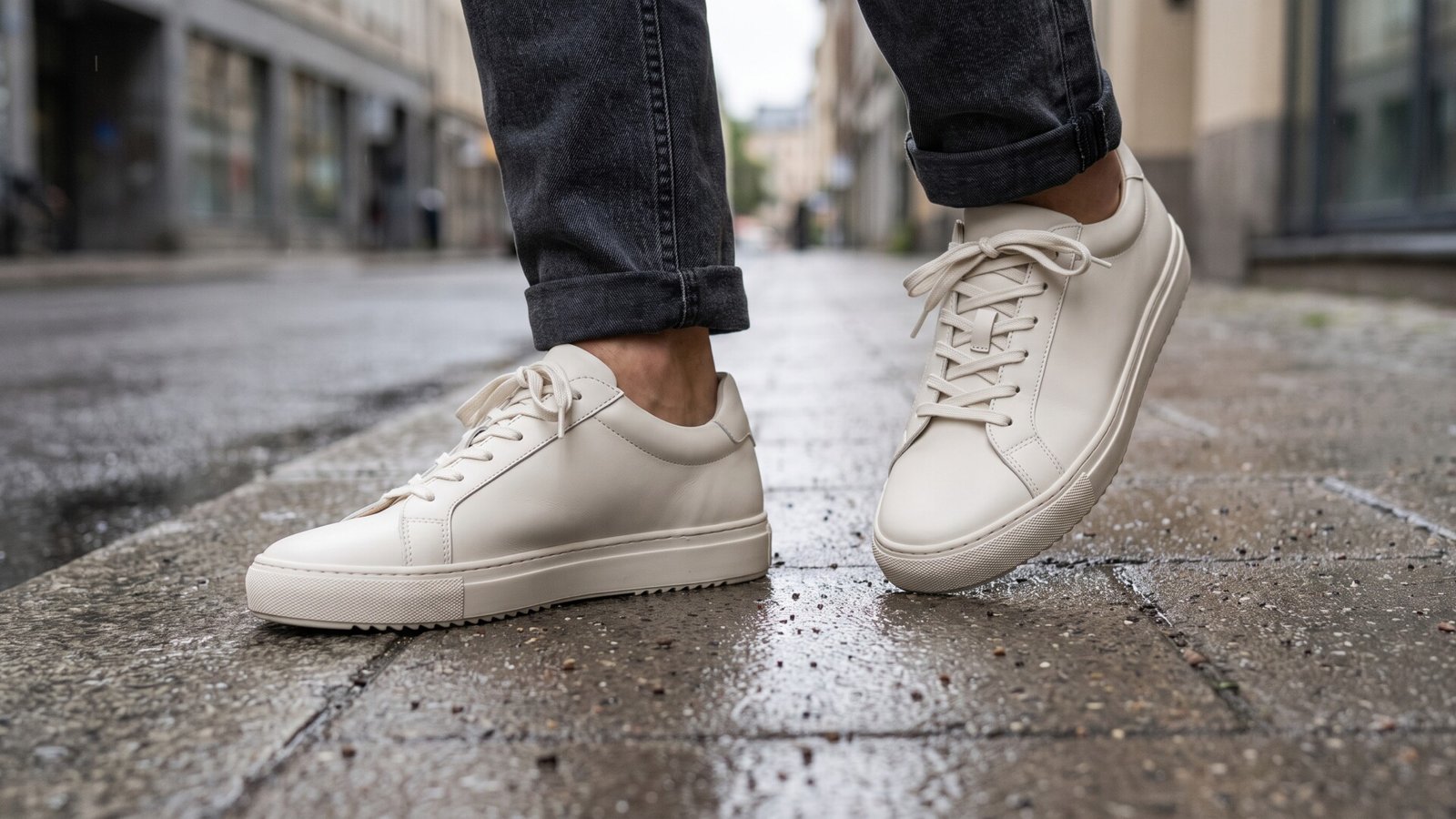
If you want a clean, minimalist look, the quickest way to narrow the field is to separate leather‑look sneakers from knit and foam styles. LØCI and SAYE come closest to the classic minimalist court shoe in vegan materials, and VEJA’s simple leather and canvas styles are another option. Vessi and Native are comfort‑first and more casual. For more minimalist options beyond the sustainable niche, see our minimalist white sneakers buying guide and our best white sneakers picks.
Vegan Leather Types Explained
Not sure what you’re actually buying? Here’s a quick guide.
Conventional PU: cheap, flexible and easy to clean, but petroleum‑based and not biodegradable. Cheap versions can crack. Piñatex: uses agricultural waste but needs a protective coating and is not fully waterproof. Desserto: cactus‑based, with low water use, though it typically blends in some PU. Mylo: mushroom‑root leather that has appeared mostly in concept releases. Recycled PU or textiles: reduces new plastic use but is still plastic.
Which is best for longevity? Well‑made PU and recycled PU have the longest track record in everyday sneakers. Newer natural materials are promising but have fewer years of real‑world data.
Which Sneaker Materials Stain the Least?
Smooth coated materials, such as PU‑coated vegan leather and sealed synthetics, wipe clean most easily because dirt sits on the surface. Waterproof knits like Vessi’s also shrug off spills, though light colors can still pick up marks. Suede, nubuck and untreated canvas absorb liquids and stain the most. If stains are your main worry, choose a smooth synthetic in a mid‑tone color and wipe it down after wear. For white pairs specifically, see our guide to the best all‑white sneakers that stay clean.
Are Recycled Leather and Recycled‑Material Sneakers Worth It?
Recycled materials reduce the need for new plastic, but they don’t make a shoe last longer by themselves. “Recycled leather” usually means leather scraps bonded together, which is not vegan. Recycled vegan uppers, such as LØCI’s ocean‑plastic textile, are vegan but still plastic‑based. Ask for the recycled percentage, the source and the certification, and favor brands that offer repairs or take‑back programs.
How to Make Your Vegan Leather Sneakers Last Longer
Clean regularly – Wipe with a damp cloth after wear. For deeper cleaning, use mild soap and water. Avoid alcohol, bleach or harsh solvents, which can damage coatings.
Store properly – Keep away from direct sunlight and heat sources such as radiators and car dashboards, which can dry out PU.
Rotate your sneakers – Rotating gives materials time to recover and reduces wear at stress points.
Protect from water and stains – Check the brand’s care guide before using any spray. Our guide to cleaning and protecting leather sneakers covers general principles, but always confirm that a product is safe for your specific material.
Signs it’s time to replace: visible cracking, peeling layers, sole separation beyond repair, or holes in the upper. At that point, check whether the brand offers repair or recycling.
Greenwashing Warning Signs
“Eco” without evidence – no certifications, no data, no transparency. “Vegan leather” made from virgin PU – it’s still plastic. “Recycled” without a percentage – it could mean 5% recycled. No factory information – if a brand won’t say where shoes are made, ask why. Hyping “biodegradable” – the upper may be, but the sole, glue and stitching often aren’t.
Trusted certifications: B Corp (broad social and environmental standards), Fair Trade (labor practices), Global Recycled Standard (verifies recycled content) and OEKO‑TEX (tests for harmful substances). Even then, check the certificate itself, since a brand can hold one for part of its business only.
For a related way to think about this, our piece on why expensive sneakers aren’t always better and the guide to spotting high‑quality sneakers at a low price explain how to judge build quality regardless of the label.
Frequently Asked Questions About Sustainable And Vegan Sneakers
Does vegan leather last as long as real leather?
It depends on the quality. Well‑made vegan leather can last for years with proper care, but cheap PU is prone to cracking and peeling. Real leather often lasts longer but needs conditioning and is not cruelty‑free. There is no single lifespan figure that applies to all brands.
Is vegan leather waterproof?
Most PU vegan leathers are water‑resistant rather than fully waterproof. Some shoes, like Vessi’s, use dedicated waterproof construction.
How do I clean vegan leather sneakers?
Wipe with a damp cloth and mild soap, and air dry away from heat. Follow the brand’s care guide, since some models are hand wash only and few are safe for the machine.
Are any vegan leathers biodegradable?
Some plant‑based materials such as Piñatex are described as biodegradable, but the sole, glue and coatings usually are not. No sneaker on this list should be assumed to be fully biodegradable.
What are the top‑rated vegan lifestyle shoes?
LØCI, Thousand Fell, Native Shoes, Vessi and certain VEJA styles are commonly recommended. Pick based on the look you want and check the materials list.
Which sustainable sneakers have named certifications?
Of the brands here, VEJA lists B Corp and Fair Trade certifications. We did not find named third‑party certifications for the others, so their claims are the brands’ own.
Final Verdict
Sustainable sneakers don’t have to be disposable, but the best choice depends on what you value. For a fully vegan range with recycled materials, LØCI is a strong pick. For named certifications, VEJA is the safest bet, as long as you choose a vegan style if that matters to you. For rainy weather, Vessi’s Cityscape is built for it. For a plant‑based upper with a retro court look, SAYE is worth a look, and for a budget pick, Native Shoes is the easy choice.
Simple takeaway: focus on well‑made materials, check for certifications you can verify, and avoid brands that won’t share factory or material information. A $150 pair you wear for years is usually cheaper and greener than several $50 pairs that fall apart.
Related reading: Sneakers Buying Guides | The 7 Best All‑White Sneakers That Stay Clean | How to Clean and Protect Leather Sneakers | Best Sneakers Under $150