SB Dunk vs Regular Dunk
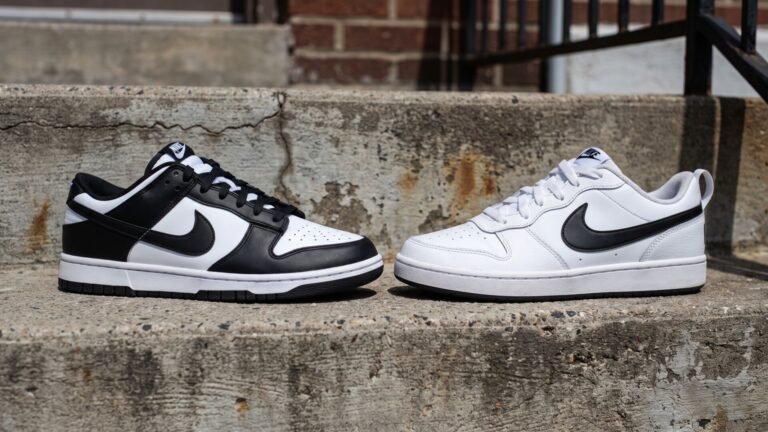
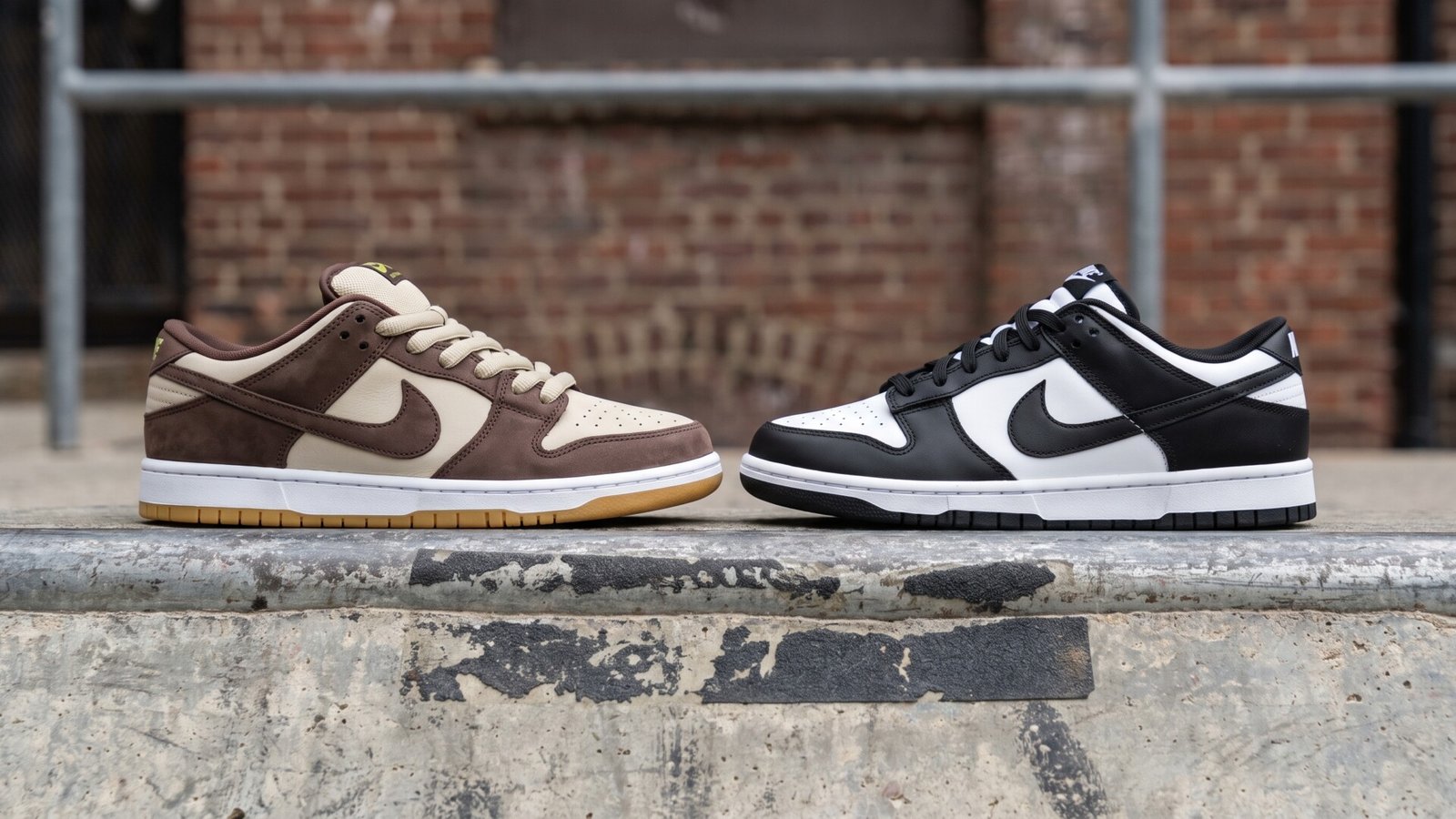
What’s good, Street Sneakers Vault fam! Let’s settle a debate that’s been raging in group chats, Discord servers, and sneaker meetups for the better part of two decades. The Nike Dunk. It’s the silhouette that refuses to die, and honestly, it keeps coming back stronger. But here’s the thing—there’s a fork in the road. You got the Regular Dunk (often called the Dunk Low or Dunk High) and you got the SB Dunk. On the surface, they look like cousins. Same family tree, similar bone structure. But once you put them on foot, you realize they’re more like distant relatives who don’t really talk at family reunions.
We’ve been testing both for weeks—walking city blocks, standing on concrete for hours, and even hitting the local park (badly) to see what holds up. Real talk? They are not the same shoe. And if you’re about to drop your hard-earned cash on a pair, you need to know exactly what you’re getting into. So, let’s break down the SB Dunk vs Regular Dunk debate with zero filter. We’re talking design, comfort, resale, durability, and the vibe you’re actually paying for.
History of Dunks
To understand why this debate even exists, you gotta look back at the roots. The Nike Dunk dropped in 1985, right in the middle of the college basketball craze. It was designed to be a team shoe—colorways for different universities, simple leather construction, and a chunky sole that could handle the hardwood. It was a basketball shoe, plain and simple. But like most great sneakers, it didn’t stay on the court for long.
The Regular Dunk found its second life in the late 2000s and again in the 2020s as a streetwear staple. It became a blank canvas for colorways that ranged from “Panda” hype to obscure collaborations with fashion houses. It’s the shoe you see on everyone from hypebeasts to your uncle who just wants a clean white sneaker.
Now, the SB Dunk is a different beast. Introduced in 2002, SB (which stands for Skateboarding) was Nike’s answer to the growing skate culture that was dominating the early 2000s. The Dunk was already popular with skaters because of its grippy sole and durable upper, but Nike decided to make it official. They beefed up the construction, added more cushioning, and slapped a fat tongue on it. The SB Dunk didn’t just enter the skate scene—it took over. It became a cultural phenomenon, with limited releases that people still lose their minds over today.
So, while the Regular Dunk is about heritage and versatility, the SB Dunk is about performance and rebellion. Different birth stories, different life paths.
Design Differences
Let’s get into the nitty-gritty. If you put a Regular Dunk and an SB Dunk side by side, you might squint and think they’re the same. But once you start touching the materials and looking at the details, the differences become obvious.
Construction Materials
The Regular Dunk is usually built with full-grain leather. It’s stiff out of the box, and honestly, it takes a while to break in. That leather is smooth, shiny, and designed to look clean. But it’s not the most forgiving material. If you’ve got wide feet, you’ll feel the pinch during the first few wears.
The SB Dunk, on the other hand, often uses suede, nubuck, or a mix of premium textiles. Why? Because skaters need grip on the board, and suede holds up better against abrasion than smooth leather. Plus, the materials are softer right out of the box. They mold to your foot faster. The SB Dunk also has that thick, puffy tongue—a signature look that’s both a style flex and a functional piece of padding for lace pressure.
Cushioning Technology
This is where the SB Dunk pulls ahead for comfort. The Regular Dunk uses a standard foam midsole. It’s fine for casual wear, but it’s not exactly plush. Standing on concrete for eight hours? Your feet will feel it.
The SB Dunk comes with a Zoom Air unit in the heel. That’s a game-changer. You get that responsive, springy feel that makes walking around all day a lot easier on your joints. For skaters, that Zoom Air helps absorb impact when you land tricks. For everyone else, it just feels like walking on clouds compared to the Regular Dunk.
Style Elements
Both shoes have the classic Dunk DNA—the overlays, the Swoosh, the perforated toe box. But the SB Dunk often gets more experimental with colorways and materials. You’ll see plaid, denim, patent leather, and even Grateful Dead-inspired fuzzy uppers. The Regular Dunk tends to stick to more straightforward color blocking, which makes it easier to match with outfits.
Branding is also different. The SB Dunk has a small “Nike SB” tag on the tongue or heel, and the insole is usually printed with a skateboard graphic. The Regular Dunk keeps it clean with just the Nike Swoosh and maybe a heel logo. If you want to flex that you’re in the know, the SB tag is a subtle signal.
Comfort and Fit
Let’s talk about the most important thing—how do these bad boys feel on your feet? Because no matter how fire a colorway is, if it feels like a medieval torture device, it’s a pass.
Fit and Sizing
The Regular Dunk runs true to size for most people. But if you have wide feet, you might want to go half a size up. The leather is stiff, and the toe box is a bit narrow. It’s not the worst, but it’s not forgiving either.
The SB Dunk fits a bit differently. Because of the thicker tongue and padded collar, it feels snugger around the ankle. But the toe box is a little more accommodating, especially in suede versions that stretch over time. A lot of sneakerheads recommend going half a size up for SB Dunks if you’re between sizes. The extra padding eats up some internal space, so you want to give your toes some breathing room.
All-Day Wear
If you’re planning to wear your kicks for a full day of walking, commuting, or just hanging out, the SB Dunk wins, hands down. The Zoom Air unit in the heel makes a noticeable difference. You get that bounce with every step, and the softer materials mean less break-in time. The Regular Dunk is okay, but after a few hours, you’ll feel the hard foam and the stiff leather.
Skateboarding Performance
Obviously, the SB Dunk is built for skating. The grippy outsole, the padded collar, and the impact-absorbing Zoom Air make it a solid choice for the park. The Regular Dunk? You can skate in it, but you’re going to destroy the leather quickly, and your heels will hate you after a few ollies. It’s not designed for that abuse.
Style and Versatility
Now, let’s talk about the fun stuff—how you rock these on the streets.
SB Dunk Styling
The SB Dunk has a distinct skate aesthetic. It pairs perfectly with baggy jeans, cargo pants, or even tailored trousers if you want to mix high and low fashion. The thicker tongue gives it a chunky, retro look that fits right into the current streetwear wave. You can also dress it up with a hoodie and a bomber jacket for that effortless skater vibe.
Regular Dunk Styling
The Regular Dunk is the chameleon. Because it’s slimmer and cleaner, it works with almost anything. You can throw on a pair of white Dunk Lows with a suit, and somehow it looks intentional. It’s the ultimate “clean sneaker” for when you want to look put-together without wearing dress shoes. The Regular Dunk is your go-to for casual Fridays at work, date nights, or just running errands.
Which Stands Out?
If you’re hitting up a skate park or a streetwear drop, the SB Dunk is the move. It screams “I’m part of the culture.” If you’re going to a bar, a gallery opening, or a casual dinner, the Regular Dunk is more versatile. It doesn’t scream for attention, but it looks sharp. Honestly, you need both in your rotation, but if you can only cop one right now, think about your lifestyle.
Market Context
The sneaker market is wild right now, and both of these models are riding different waves.
Trends
The Regular Dunk has been on a massive hype cycle since 2020. The “Panda” Dunk Low became a global phenomenon—it was everywhere, from TikTok to your local mall. The hype has cooled slightly, but it’s still a solid everyday shoe with tons of colorways releasing regularly.
The SB Dunk has a more cult following. It’s not as mainstream, but the drops are more limited, which creates a sense of urgency. Collaborations with Travis Scott, Grateful Dead, and streetwear brands like Stüssy keep the SB Dunk in the spotlight. If you’re chasing hype, SB Dunks are the grails.
Pricing
Here’s where the wallet comes into play. Let’s break it down:
| Model | Retail Price | Resale Price (Avg) |
|---|---|---|
| Nike Dunk Low | $110 – $125 | $130 – $200 |
| Nike SB Dunk Low Pro | $110 – $130 | $180 – $350+ |
| Nike Dunk High | $120 – $135 | $140 – $220 |
| Nike SB Dunk High | $125 – $140 | $200 – $400+ |
As you can see, the SB Dunk commands a higher resale price because of limited supply and higher demand from collectors. The Regular Dunk is easier to get at retail, especially if you’re patient with restocks.
Availability
Regular Dunks are widely available. Nike drops them constantly, and you can find them at most retailers. SB Dunks are limited. They release in smaller quantities, often only at skate shops or through SNKRS draws. If you’re not quick, you’ll be paying resale.
Long-Term Ownership Perspective
Buying sneakers isn’t just about the initial thrill—it’s about the long haul. Let’s talk about what happens after the honeymoon phase.
Cost-Per-Wear
If you’re wearing your kicks regularly, the cost-per-wear is what matters. A $120 pair of Dunks worn 100 times is $1.20 per wear. That’s solid. The SB Dunk at $130 retail is similar, but if you’re paying resale at $300, you better be wearing them a lot.
Durability
The SB Dunk is more durable for active use. The suede and textile uppers hold up better against scuffs and scrapes. The Zoom Air unit doesn’t degrade as quickly as standard foam. The Regular Dunk is durable for casual wear, but the leather creases easily, and the sole can wear down faster if you’re dragging your feet.
Care and Maintenance
To keep your kicks fresh, you gotta put in the work:
- Regular Dunk: Use a soft brush to clean leather. Wipe off dirt immediately. Use shoe trees to maintain shape.
- SB Dunk: Suede needs a suede brush and eraser. Avoid water unless you’ve applied a waterproofing spray. The thick tongue can get dirty fast, so spot-clean regularly.
Buyer Archetypes
Who is buying these shoes? Let’s break it down.
The SB Dunk Buyer
- Skaters: They need the performance features.
- Streetwear Enthusiasts: They want the limited collabs and the flex factor.
- Collectors: They chase grails and appreciate the history.
The Regular Dunk Buyer
- Casual Wearers: They want a clean, affordable sneaker for daily use.
- Sneaker Collectors: They appreciate the OG colorways and the heritage.
- Fashion-Forward Folks: They like the versatility and the ability to dress it up or down.
Hidden Buying Factors
Here are the things nobody tells you until you’ve already spent the money.
All-Day Comfort
We already touched on this, but let’s be clear: SB Dunks are more comfortable for all-day wear. The Zoom Air unit is a lifesaver if you’re on your feet for work or travel. Regular Dunks are fine for short outings, but they’re not built for marathons.
Resale Value
If you’re looking to invest, SB Dunks hold their value better. Limited releases and collabs often appreciate over time. Regular Dunks, especially mass-produced colorways like the Panda, tend to stay flat or drop in resale value.
Seasonality
- SB Dunks: The thicker construction makes them better for cooler weather. The suede and padding keep your feet warm.
- Regular Dunks: The leather is breathable, making them a better choice for summer. You won’t feel like your feet are in a sauna.
Final Verdict
Alright, fam, let’s cut to the chase. If you want a shoe that you can beat up, skate in, and wear all day without your feet screaming, cop the SB Dunk. It’s the better performer, and the comfort is unmatched. The resale value is also stronger if you’re thinking long-term.
If you want a clean, versatile sneaker that goes with everything and won’t break the bank, the Regular Dunk is your best bet. It’s the everyday hero. It’s the shoe you grab when you don’t want to think about your outfit.
But real talk? You should probably own both. They serve different purposes, and your rotation will be better for it. Start with the one that fits your current lifestyle, then build from there.
Conclusion
At the end of the day, the SB Dunk and Regular Dunk are two sides of the same coin. One is built for the streets and the skate park, the other for the everyday grind. Neither is better—they’re just different tools for different jobs. Think about how you live, what you wear, and what you need from your sneakers. Then make the call.
And if you’re still stuck, just get both. Your feet will thank you.
Street Sneakers Vault – Keeping you fresh since day one.
Frequently Asked Questions About SB Dunk and Regular Dunk
What's the main difference between SB Dunks and Regular Dunks?
The main differences are the cushioning and the materials. SB Dunks have a Zoom Air unit in the heel for better impact absorption, plus a thicker tongue and padded collar for skateboarding. Regular Dunks use standard foam and stiffer leather, making them better for casual wear but less comfortable for long periods.
Are SB Dunks worth the extra money?
If you’re buying at retail, yesu2014the comfort and durability justify the price. If you’re paying resale, it depends on how much you value the performance and the flex. For collectors, the limited releases and collabs make them worth it. For casual wearers, the Regular Dunk might be the smarter buy.
Can I skate in Regular Dunks?
You can, but you shouldn’t. The lack of Zoom Air and the stiffer leather make them less comfortable and less durable for skateboarding. You’ll wear them out quickly, and your feet will feel every landing. Stick to SB Dunks if you’re serious about skating.
How do I choose the right size for SB Dunks?
For SB Dunks, go **half a size up** if you have wide feet or if you’re between sizes. The extra padding in the tongue and collar takes up space, so you want a little more room. For Regular Dunks, go true to size unless you have wide feetu2014then half a size up is safer.
What are the best colorways for both models currently?
For SB Dunks, look out for collabs like the “Why So Sad?” or the “Jarritos” colorway: they’re fire and hold value. For Regular Dunks, the “Panda” is a classic, but you can also check out the “University Red” or “Triple White” for a clean look. Keep an eye on upcoming drops for limited editions.