ASICS Sneakers: Performance, Comfort, and Legacy
ASICS sneakers have always carried a reputation that blends serious performance with everyday comfort, making them a staple for runners, athletes, and casual wearers alike. The name ASICS itself comes from the Latin phrase “Anima Sana In Corpore Sano,” a line from the Roman satirist Juvenal usually rendered as “a sound mind in a sound body.” That idea has shaped a brand focused on footwear that balances durability, cushioning, and support. For anyone serious about sneakers, understanding ASICS is about seeing how function, innovation, and design converge in shoes that stand the test of time.
Kihachiro Onitsuka founded the company in Kobe, Japan in 1949 as Onitsuka Co., making shoes under the Onitsuka Tiger name that prioritized comfort, stability, and performance. ASICS Co. itself was formed in 1977, when Onitsuka merged with GTO and Jelenk. Over the decades the brand grew from track and court shoes into running, training, lifestyle, and wellness-oriented sneakers, expanding its reach beyond the track and into everyday fashion. That legacy is deeply intertwined with the evolution of sneaker technology, making ASICS both a heritage brand and a forward-thinking innovator.
Asics is renowned for performance, comfort, and running innovations. For a broader look at how Asics compares to other top sneaker brands, from heritage icons to modern disruptors, check out our Sneakers Brands hub.
ASICS Sneakers at a Glance: Which Line Is Which?
Searching “ASICS shoes” mixes together two very different product families, which is where most buying mistakes start. ASICS Running models are built for mileage and updated often. ASICS SportStyle (also sold as lifestyle) models are retro designs from the brand’s archive, built for casual wear. The table below uses prices from ASICS’s US site in October 2026, given as ranges because sale prices change often; it is a snapshot, so check the product page before buying.
| Model | Line | Typical US price (Oct 2026) | Best for |
|---|---|---|---|
| GEL-Kayano 33 | Running (stability) | $170–$180 | Runners who want a supportive, cushioned daily trainer |
| GEL-Nimbus 28 | Running (max cushion) | About $170 | Soft, high-cushion daily and recovery miles |
| GEL-Cumulus 28 | Running (neutral) | $145–$155 | An all-round neutral daily trainer |
| NOVABLAST 6 | Running (bouncy) | $155–$165 | Lively, springy everyday running |
| GT-2000 15 | Running (stability) | $150–$160 | Runners who like guided support at a lower price than Kayano |
| SUPERBLAST 3 | Running (high-energy) | About $210 | Runners wanting a cushioned, faster-feeling trainer |
| GEL-Kayano 14 | SportStyle (retro runner) | $130–$150 | Silver-runner and y2k-inspired casual outfits |
| GEL-NYC 2055 | SportStyle | $120–$140 | Chunky, layered-look casual wear |
| GEL-1130 | SportStyle | $90–$100 | The lowest-priced entry into the retro-runner trend |
We have not verified current pricing for the GEL-Lyte III or GEL-Quantum on ASICS’s own site, so we leave those out of the table; our GEL-Lyte III vs GEL-Quantum comparison covers how they differ. Be careful with names: the retro GEL-Kayano 14 is a lifestyle release of an older running design, not the same as the current GEL-Kayano 33 running shoe, so specs and fit should not be assumed to carry over between them.
Performance Meets Comfort: The ASICS Edge
When it comes to performance, ASICS is consistently at the forefront, particularly in running and lifestyle-oriented models. The brand’s innovations, including GEL cushioning and its FF BLAST foam midsoles, have been central to its reputation for comfort, responsiveness, and durability. Runners and athletes rely on ASICS for the support these technologies provide, whether it’s long-distance running, interval training, or casual daily wear. Beyond technology, ASICS pays attention to ergonomics, designing shoes that move with the foot, which can make long days on your feet feel less tiring.
For those dealing with specific foot conditions, the Best ASICS Sneakers for Plantar Fasciitis guide breaks down models with arch support, cushioning, and shock absorption features that people with heel pain often look for. Footwear can add comfort, but it does not treat a condition; if you have persistent pain, see a podiatrist or physical therapist. Check out the guide here.
ASICS Technology Explained: GEL, FF BLAST and AHAR
ASICS marketing is full of capitalized acronyms. Here is what the main ones mean in practice:
- GEL: a silicone-based cushioning insert, placed in the heel and sometimes the forefoot, designed to absorb impact. ASICS released its first shoe with GEL cushioning in 1986 (the GT-II and FREAKS models). It is the reason so many ASICS models carry “GEL” in the name.
- FF BLAST and FF BLAST PLUS: the foam midsoles on ASICS’s current running range, described by ASICS as providing cushioning and energy return. Older models and some lifestyle releases use earlier foams such as FlyteFoam, so the name on the box tells you which generation you are buying.
- AHAR (ASICS High Abrasion Rubber): the rubber compound used on high-wear areas of many outsoles to improve grip and last longer.
- Stability vs neutral: stability shoes (Kayano, GT-2000) add guidance features for runners who want more support, while neutral shoes (Cumulus, Nimbus, Novablast) leave the foot to move more freely. Which suits you is a personal fit question, and a running specialty store can help you test both.
A Legacy of Innovation: History of ASICS Sneakers
Understanding ASICS means appreciating the brand’s history. From the early days of Onitsuka Tiger to modern ASICS, innovation has been constant. Each new silhouette or technology builds on decades of experience, whether it’s enhancing midsole responsiveness, refining shoe construction, or experimenting with materials to reduce weight while increasing durability.
The History of ASICS Sneakers guide takes you through milestones, from the first running spikes to the latest lifestyle and performance models, illustrating how ASICS has influenced global sneaker culture. Their commitment to performance and comfort has ensured that each generation of sneakers not only meets the needs of athletes but also resonates with collectors and enthusiasts. Explore the full history here.
If you want the story behind one specific design, Shigeyuki Mitsui, the designer behind the GEL-Lyte III, is the place to start, and the Onitsuka Tiger x Versace Tai-Chi Sakura review shows where the brand’s heritage line is heading.
ASICS for Running and Training
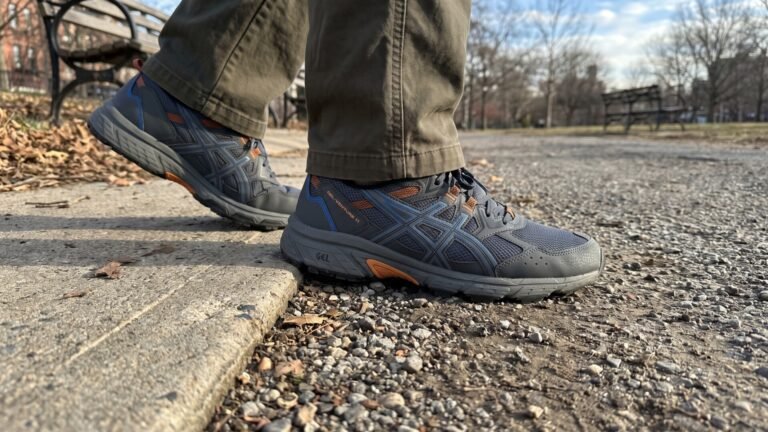
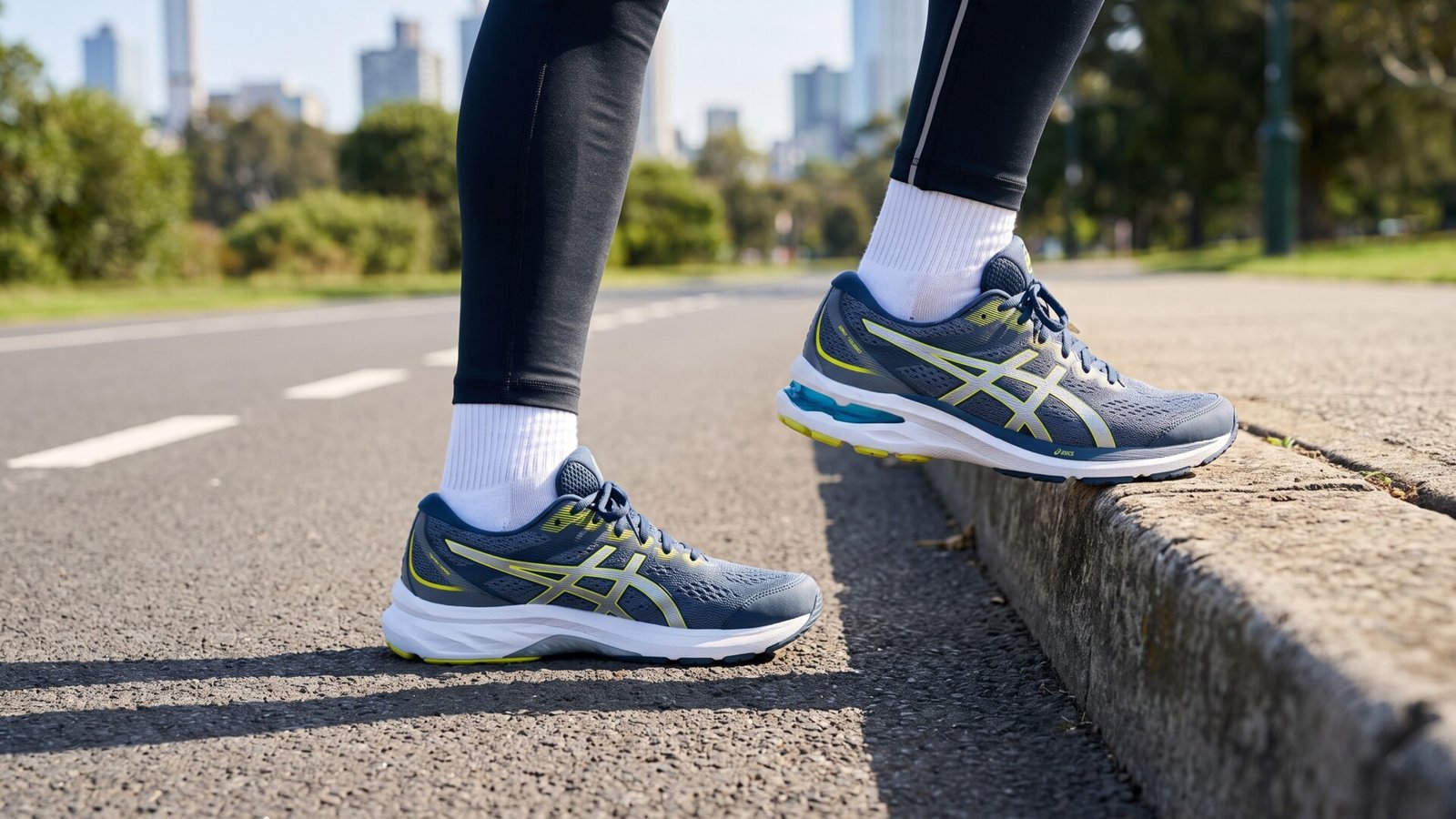
For runners, ASICS is synonymous with reliable support and cushioning. GEL technology, a signature feature of many models, absorbs impact during foot strikes, providing a smoother ride. Modern foams keep shoes lightweight while maintaining responsiveness, and AHAR rubber outsoles deliver traction that holds up on road or treadmill.
Beyond running, ASICS sneakers are designed for versatile training. Models built for cross-training incorporate lateral stability, reinforced midsoles, and adaptive cushioning to handle multi-directional movement. This focus on biomechanical detail makes ASICS a favorite for athletes who need their footwear to perform under varied conditions. For model-by-model picks, see Top ASICS Sneakers for Running, and for a head-to-head against one of its biggest rivals, ASICS vs HOKA Clifton 9 for road running. Other maximalist and performance brands worth cross-shopping include Hoka, Saucony, On and New Balance.
How long do ASICS running shoes last? Mileage varies with your weight, gait, surfaces, and the model, and ASICS does not guarantee a number. Many running brands suggest replacing daily trainers after several hundred miles, and the midsole usually goes flat before the upper looks worn. If your shoes feel flatter or your legs feel more beat up than usual, that is the time to rotate in a new pair.
Lifestyle and Everyday Comfort
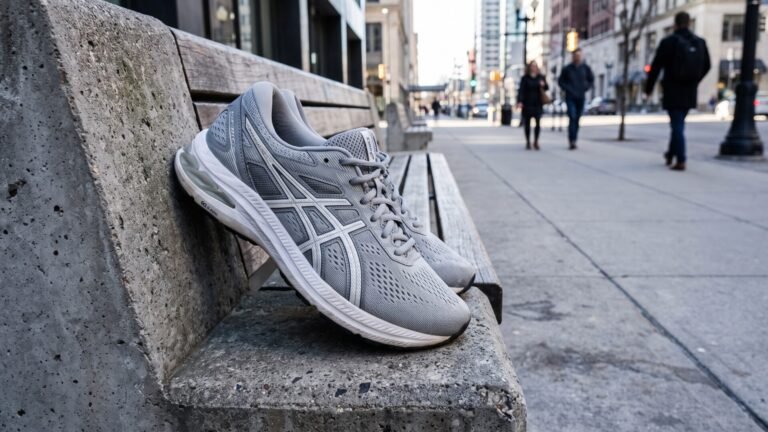
While ASICS excels in performance, its lifestyle models are equally compelling. Many runners find themselves wearing GEL-Lyte and other retro-inspired silhouettes casually, appreciating their comfort and minimalist style. Materials like mesh, suede, and knit uppers combine with supportive soles to create sneakers that are easy to wear all day. Comfort-focused running lines such as GEL-Kayano and GEL-Cumulus make ASICS a natural choice for anyone seeking footwear that transitions from exercise to casual outings.
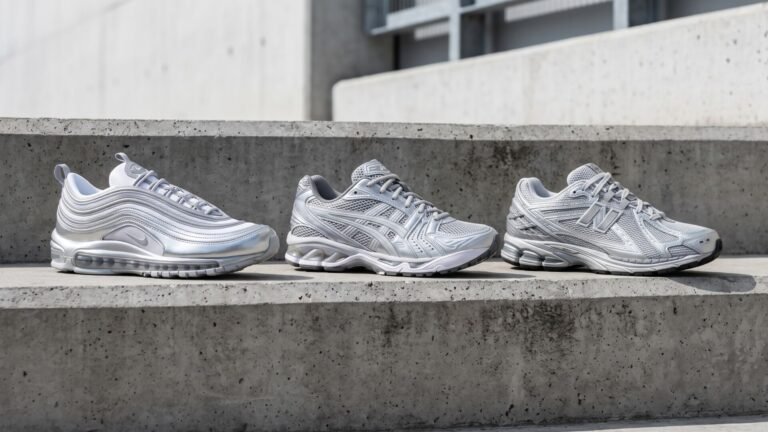
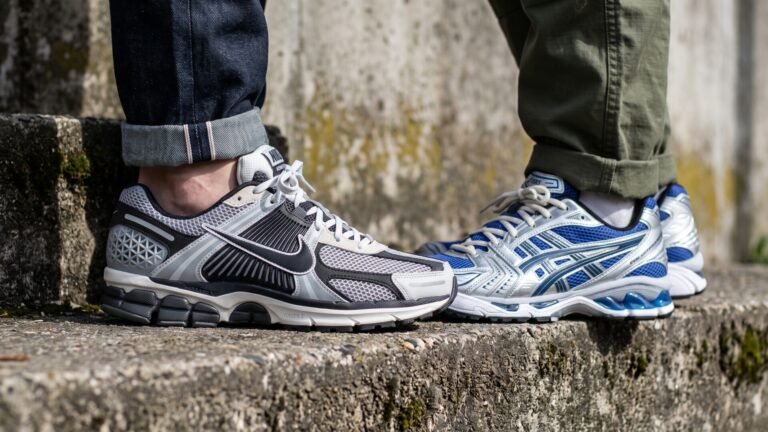
If you want lifestyle ASICS specifically, three routes cover most buyers. The GEL-1130 is the budget route into the retro-runner look, and our GEL-1130 vs Nike Vomero 5 comparison weighs it against a pricier rival. The GEL-Kayano 14 and GEL-NYC sit in the “silver runner” trend, compared in GEL-Kayano 14 vs GEL-NYC and rounded up in the best silver and metallic sneakers for 2026. And the GEL-Lyte III, with its split tongue, is the retro choice with the strongest design story.
Design Philosophy: Blending Function and Aesthetics
ASICS sneakers are a study in balance. While they prioritize function, the brand doesn’t ignore aesthetics. Clean lines, thoughtful colorways, and subtle branding ensure that ASICS can hold its own in both athletic and streetwear contexts. Retro-inspired models, like the GEL-Lyte series, showcase heritage designs updated with modern materials and color schemes, appealing to both nostalgic collectors and new fans alike.
How to Style ASICS Sneakers
Retro runners have a busy, layered look, so the outfit should give them room:
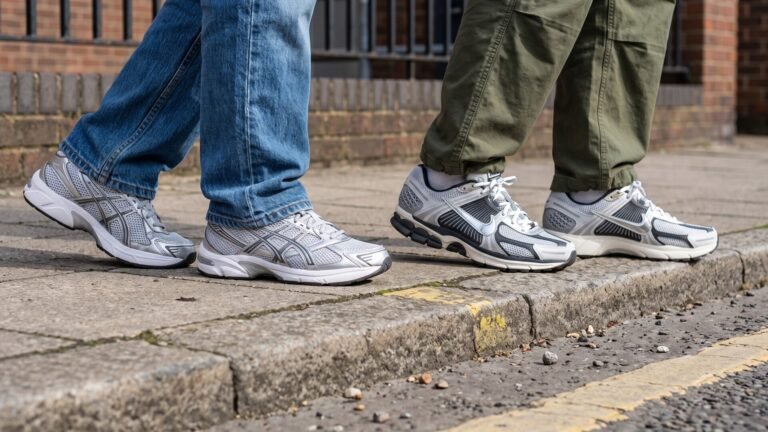
- Straight or relaxed jeans, slightly stacked or cropped at the ankle, let the shoe’s shape show without the denim swallowing it.
- Technical trousers and track pants suit the metallic and silver colorways, which read as sporty by design.
- Neutral tones (white, grey, black, cream) are the easiest to pair; reserve bold colorways for simple outfits so only one thing is doing the talking.
- Very formal tailoring is not the natural home for a mesh-and-overlay runner. Smart-casual, with chinos or relaxed wool trousers, is as far as most pairs go.
Material and Construction Insights
The durability of ASICS sneakers comes from careful attention to materials and construction. Uppers often blend mesh for breathability with synthetic or suede overlays for structure. Midsoles incorporate advanced foams for energy return and stability, while outsoles use AHAR (ASICS High Abrasion Rubber) for traction and longevity. Understanding these elements helps buyers choose the right model for running, training, or casual wear, ensuring that performance and comfort are maximized. Mesh breathes well but marks easily, and suede overlays need a protector spray if you plan to wear them in wet weather; our sneaker care guide covers cleaning and storage.
Choosing the Right ASICS Sneakers
Selecting the right ASICS sneaker depends on your needs. If you’re an athlete or runner, focus on models with GEL or FF BLAST technology to support foot mechanics and minimize fatigue. For casual wear, retro or lifestyle lines provide comfort and versatile style. Those managing foot issues can look at models with extra arch support or cushioning. By considering purpose, fit, and design, you can ensure that your ASICS sneakers meet both functional and aesthetic needs.
| If you want… | Start with |
|---|---|
| A supportive daily running trainer | GEL-Kayano or GT-2000 |
| A soft, neutral daily trainer | GEL-Cumulus or GEL-Nimbus |
| A bouncier, livelier run | NOVABLAST |
| Retro style under about $100 | GEL-1130 |
| The silver-runner look | GEL-Kayano 14 or GEL-NYC |
| A heritage design with a story | GEL-Lyte III |
| A sneaker for narrower feet | See our narrow-foot sneaker guide |
| Good value without spending much | See underrated sneakers under $150 |
ASICS Sizing and Fit Tips
Fit varies between ASICS lines, because running models, retro runners and heritage designs are built on different shapes. Measure your foot, then compare it to ASICS’s size chart for the specific model rather than carrying your size over from another pair. Many running models are offered in more than one width, so check the listing if standard widths feel tight. Retro runners often have narrower, more structured toe boxes than cushioned running shoes, so try them on or order from a retailer with free returns. We have also published a roundup of sneakers for narrow feet and heel slippage.
ASICS in Sneaker Culture
ASICS’ influence extends beyond the running track. Collectors and enthusiasts prize vintage models and retro-inspired releases, while collaborations with designers and artists add cultural relevance to the brand. Limited editions and heritage lines maintain excitement among sneakerheads, highlighting ASICS’ ability to bridge performance, style, and collector appeal.
Is ASICS a Luxury Brand?
No. ASICS is a mainstream performance and lifestyle brand, and its core running shoes sit at a mid-to-premium price point of roughly $145 to $210 in the current range, with lifestyle models mostly under $150 at list price. Where it touches luxury is through collaborations with fashion houses and designers, such as the Onitsuka Tiger x Versace project and the Thom Browne GEL-Kayano 14 collaboration covered above. Those releases are priced and positioned very differently from the standard range.
The Timeless Appeal of ASICS
What sets ASICS apart is its consistent focus on a balance between performance, comfort, and heritage. The brand’s commitment to innovation, combined with a respect for its history, means most of its sneakers are functional and carry a story. Whether you’re a runner, a casual wearer, or a collector, there is a line that fits: start with the table above, check the version and size, and use our sneaker comparisons to narrow the final choice.
ASICS Sneakers FAQs
What does ASICS stand for?
ASICS is an acronym of the Latin phrase “Anima Sana In Corpore Sano,” usually translated as “a sound mind in a sound body.”
Who founded ASICS?
Kihachiro Onitsuka founded the company in Kobe, Japan in 1949 as Onitsuka Co. ASICS Co. was formed in 1977 through a merger of Onitsuka, GTO and Jelenk.
Is ASICS a luxury brand?
No. ASICS is a mainstream performance and lifestyle brand. Some collaborations with fashion designers are priced higher, but the standard range is mid-priced.
How much do ASICS sneakers cost?
In October 2026, ASICS lists lifestyle models such as the GEL-1130 around $90 to $100 and core running shoes between roughly $145 and $210. Sale prices change often, so check the product page.
What is the difference between ASICS running and SportStyle shoes?
Running models are built for mileage and updated regularly. SportStyle models are retro designs from the archive made for casual wear, even when they share a name with a running shoe.
What does GEL mean in ASICS shoes?
GEL is ASICS’s silicone-based cushioning technology, designed to absorb impact. The brand released its first shoe with GEL cushioning in 1986.
Which ASICS shoes are best for everyday wear?
For casual style, the GEL-1130, GEL-Kayano 14, GEL-NYC and GEL-Lyte III are popular retro options. For comfort-first daily wear, runners such as the GEL-Cumulus are often chosen.
Do ASICS shoes run true to size?
Fit varies by model and width. Check ASICS’s size chart for the specific shoe, and buy from a retailer with free returns if you are unsure.