The Best Narrow-Foot Sneakers: No More Heel Slippage
Let’s talk about a problem that doesn’t get enough attention: narrow feet in a world built for “average” widths. If you’ve ever laced up a fresh pair of sneakers, taken two steps, and felt your heel lift right out of the heel cup – you know exactly what I mean.
Heel slippage. Midfoot looseness. Blisters from friction. It’s the silent killer of comfort and performance. And it happens because most modern sneakers are designed for a mythical “average” foot that, frankly, doesn’t exist for a huge chunk of sneaker buyers.
The good news? You don’t have to suffer. The right sneaker – with the right fit – can eliminate heel slippage entirely. Better fit means better comfort, better performance, and better style. No more re‑tightening your laces every 15 minutes. No more dreading a long walk because you know your foot will be raw by the end.
This guide is for:
- Narrow‑heel users who can’t find sneakers that lock their foot in place
- Slim‑footed runners and streetwear buyers tired of “pooling” at the toe
- Anyone who’s ever sized down half a size and still felt loose
We’ll cover why heel slippage happens, what design features to look for, the best sneakers by category, and even how to fix a pair you already own. Let’s lock it down.
Why Heel Slippage Happens
Heel slippage isn’t random. It’s a direct result of mismatch between your foot shape and the shoe’s “last” – the mold around which the shoe is built.
Anatomy of Narrow Feet vs. Standard Lasts
Most sneakers are built on lasts that assume a D width (medium) heel and midfoot. If your foot is narrower (B or C width in men’s, or simply slim‑heeled), the heel cup is too wide. Your heel doesn’t engage with the padding, so it lifts with every step.
Shoe Construction Factors
- Wide heel cups – Many lifestyle sneakers prioritize a “comfortable” loose fit around the heel. For narrow feet, that’s a disaster.
- Loose collar padding – Thin or soft padding compresses easily, creating even more space.
- Oversized toe boxes – A wide toe box is fine if the heel is secure. But some shoes combine a wide toe box with a wide heel – bad news.
Common Mistakes Buyers Make
- Buying true to size instead of adjusting fit – If a shoe runs wide, going down half a size might help, but it also shortens the length, causing toe jamming.
- Ignoring brand‑specific sizing differences – Nike fits narrow. New Balance varies wildly by model. Adidas Ultraboost fits like a sock, but some other Adidas models are wide.
- Not trying different lacing patterns – Many people don’t realize you can customize lockdown with lacing techniques.
How Materials Affect Lockdown
- Knit / Primeknit – Stretchy and adaptive. Can hug a narrow foot well, but sometimes too stretchy to provide true heel lockdown.
- Leather – Stiffer, less forgiving. If the last is too wide, leather won’t conform.
- Mesh – Varies. Engineered mesh with internal booties (like in running shoes) can be excellent.
What Makes a Sneaker “Narrow‑Foot Friendly”?
Not all narrow‑foot sneakers are created equal. Here’s what to look for.
Key Design Features
Tapered heel counter – The plastic or structured cup around the heel should be narrow and deep, not wide and shallow. Run your finger inside – if there’s a lot of empty space on the sides, it’s too wide.
Secure midfoot lockdown system – Laces that wrap the midfoot, integrated straps, or an internal bootie construction can pull the shoe tight around your arch.
Adjustable lacing structure – Extra eyelets near the ankle (like runner’s loops) let you cinch the heel independently.
Slim last construction – Some brands (Common Projects, Salomon) use lasts that are inherently narrower than American lifestyle brands.
Internal padding geometry – Well‑placed foam pads around the ankle and Achilles can fill space without feeling bulky.
Best‑Fitting Sneaker Categories
- Performance running shoes – Designed to prevent heel slip during dynamic movement. Often have excellent heel counters.
- Retro runners with slim lasts – Models like Asics Gel‑Kayano 14 have a narrow European fit.
- Skate shoes with snug collars – Vans Sk8‑Hi and Nike SB Dunks have padded collars that grip the ankle.
- Technical sneakers with engineered uppers – Salomon, Hoka, and On Running use precise 3D‑engineered uppers that conform.
Best Narrow‑Foot Sneakers by Category
1. Nike Performance Running Models
Nike has long been a favorite for narrow feet. Their lasts are generally slimmer than Adidas or New Balance, especially in the heel.
Key models:
- Nike Air Zoom Pegasus – The Pegasus 41 has a tapered heel counter and a midfoot cage that locks down well. Go true to size.
- Nike Vaporfly 3 – Racing fit is extremely narrow and aggressive. Heel hold is superb. Not for daily training.
- Nike Structure 25 – Stability shoe with a secure heel fit. Good for overpronators with narrow feet.
Pros:
- Tight midfoot lockdown
- Secure heel structure with internal foam pads
- True to size for narrow feet
Cons:
- Can feel too narrow in the forefoot for some
- Not all lifestyle models share the performance fit
Best for: Running, training, and any activity where you need zero slip.
2. Adidas Boost & Lightstrike Models
Adidas uses a different philosophy: sock‑like knit uppers that stretch and adapt. For narrow feet, this works well – as long as you size correctly.
Key models:
- Adidas Ultraboost 1.0 (and later) – The Primeknit upper hugs the foot tightly. Heel cup is padded but flexible. Size down half a size if you have very narrow feet.
- Adidas Adizero Adios Pro 3 – Racing fit is narrow and snug. Heel lockdown is excellent due to internal heel pods.
- Adidas Adizero SL – Lightweight trainer with a slim fit. Good for narrow‑heeled runners.
Pros:
- Adaptive knit upper conforms to narrow foot
- Lace cage system allows fine‑tuning
- Comfortable for all‑day wear
Cons:
- Some heel slip if you go true to size (size down)
- Not all Boost models (like the 4DFWD) fit narrow
Best for: Everyday casual wear, long walks, light running.
3. New Balance Narrow‑Fit Retro Runners
New Balance is known for wide options, but some of their retro runners fit surprisingly narrow – especially when you use the lacing system correctly.
Key models:
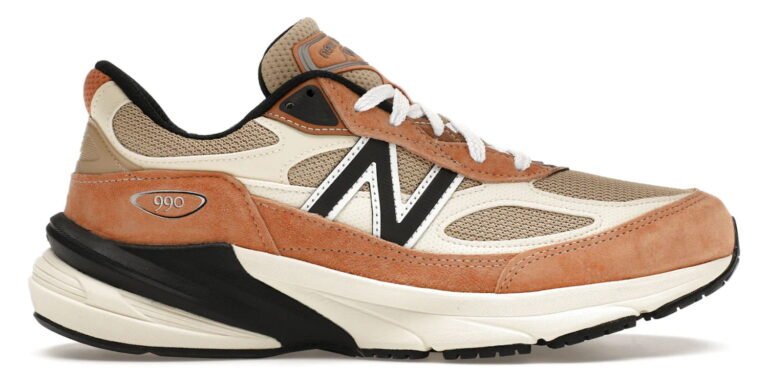
- New Balance 990v6 – The newest 990 has a more streamlined last than previous versions. The heel counter is structured, and the laces allow a tight midfoot wrap. Works well for narrow feet if you don’t size down.
- New Balance 2002R – The heel counter is stiff and deep. The toe box is medium, but the midfoot can be cinched down. Many narrow‑foot users love this model.
- New Balance 1906R – Similar to 2002R, with an even more secure heel cup.
Pros:
- Structured heel support
- Premium materials
- Great for streetwear
Cons:
- Some models (like 574) run wide by default – avoid those.
- Need to lace tightly to achieve lockdown.
Best for: Streetwear, casual wear, long standing days.
4. Asics Stability & Running Line
Asics has some of the best heel containment in the business, thanks to their “Heel Clutching System” found in many running models.
Key models:
- Asics Gel‑Kayano 31 – The Heel Clutching System uses external plastic to wrap the heel. Extremely secure for narrow feet.
- Asics Gel‑Nimbus 26 – Softer than Kayano, but still has a narrow heel fit. Size true to size.
- Asics GT‑2000 13 – Stability trainer with a snug midfoot and heel.
Pros:
- Excellent heel containment
- Good for overpronation
- Durable outsoles
Cons:
- More performance‑oriented look – not as lifestyle‑friendly as New Balance.
- Some models feel narrow in the toe box for wider forefeet.
Best for: Running, walking, and anyone who prioritizes fit over fashion.
5. Salomon Technical Sneakers
Salomon is the king of lockdown. Their trail runners and lifestyle hybrids are built to keep your foot from moving inside the shoe – even on uneven terrain.
Key models:
- Salomon XT‑6 – The Endofit internal sleeve and Quicklace system create an incredibly snug fit. Heel is narrow and deep. Size true to size.
- Salomon ACS Pro – A chunkier retro runner with the same internal sleeve. Heel lockdown is top‑tier.
- Salomon Speedcross 6 – Aggressive trail runner with a narrow, precise fit.
Pros:
- Extremely tight midfoot and heel fit
- Quicklace system allows micro‑adjustments
- Great for narrow feet and low‑volume insteps
Cons:
- Aggressive aesthetic not for everyone
- Can be too narrow for some in the toe box
Best for: Techwear, trail running, urban commuting, anyone who hates heel slip.
Lifestyle Sneakers That Work for Narrow Feet
Not everyone wants a performance runner. Here are clean everyday options with great narrow‑foot fit.
Common Projects Achilles Low
- Price: $450–$550
- Why it works: The Italian last is naturally narrow. The heel counter is firm and shallow. Minimal padding means no extra bulk. True to size for narrow feet – size down if between sizes.
- Best for: Minimalist style, smart casual, luxury everyday.
Axel Arigato Clean 90
- Price: $250–$300
- Why it works: Similar narrow European fit as Common Projects, but slightly more affordable. The heel cup is snug, and the leather is stiff enough to hold shape.
- Best for: Clean streetwear, office‑adjacent fits.
Vans Sk8‑Hi (and some Old Skool)
- Price: $70–$90
- Why it works: The high‑top Sk8‑Hi has a padded collar that wraps the ankle. The canvas upper is not stretchy, so it holds its shape. Low‑top Old Skool can work with thick socks.
- Best for: Skate style, casual wear, budget buy.
Nike Dunk Low (specific colorways)
- Price: $110–$130
- Why it works: Standard Dunks are not narrow – they’re medium. But the SB Dunk Low has a padded tongue and collar that can fill space. Also, women’s colorways (which use a narrower last) work well for men with narrow feet.
- Best for: Streetwear hype without the slip.
How to Fix Heel Slippage (Even in the Wrong Sneakers)
Don’t throw away a pair that almost fits. Try these fixes first.
Heel Lock Lacing (Runner’s Loop)
Use the extra eyelet at the top of the shoe. Lace up normally, then thread each lace end through the top eyelet on the same side (creating a loop). Cross the laces and feed them through the opposite loop, then pull tight. This pulls the heel back into the cup.
Adding Insoles for Volume Control
A thicker insole takes up vertical and horizontal space. Try Superfeet or Currex insoles. Even a cheap foam insole can reduce heel slip.
Thicker Socks Strategically
Wool or cushioned socks add volume. Not just any socks – look for “medium cushion” or “high cushion” running socks. This is the easiest fix.
Tongue Padding Hacks
If the shoe has a thin tongue, you can add a tongue pad (adhesive foam) to push your foot back into the heel. Available on Amazon for a few dollars.
Lace Tension Adjustment Zones
Don’t just tighten everything. Loosen the toe box area, tighten the midfoot, and use heel lock at the top. Different zones, different tensions.
Sizing Strategy for Narrow Feet
When to size down vs stay true to size:
- True to size for narrow feet – Nike performance models, Asics, Salomon. These are built on narrow lasts. Going down a half size will make them too short.
- Half size down – Adidas Ultraboost (knit stretches), Common Projects (Italian sizing runs long), some retro New Balance (if between sizes).
- Full size down – Never. That’s a recipe for toe jamming.
Brand‑Specific Sizing Behavior
| Brand | Narrow‑Foot Fit | Sizing Advice |
|---|---|---|
| Nike (running) | Very good | True to size |
| Adidas Ultraboost | Good – knit adapts | Half size down |
| New Balance (990, 2002R) | Good with lacing | True to size |
| Asics (Kayano, Nimbus) | Excellent | True to size |
| Salomon (XT‑6) | Excellent | True to size |
| Common Projects | Excellent | True to size (US) |
Importance of trying different lace patterns before returning shoes – Most people give up too early. Spend 10 minutes with a runner’s loop before you ship them back.
Common Mistakes Narrow‑Foot Buyers Make
Buying wide “comfort” sneakers thinking they fit better – Wide sneakers are for wide feet. If you have narrow feet, a wide shoe will feel like a boat.
Ignoring heel structure in reviews – Look for words like “heel lock,” “secure,” “snug.” Avoid “roomy” or “loose.”
Over‑relying on EU/US size conversion – A size 9 in one brand might fit, but a 42 in another might be loose. Always check the specific last.
Not tightening midfoot correctly – The midfoot is where you get most of the lockdown. If you only tighten the top laces, your heel will still slip.
Choosing fashion over fit – That hyped sneaker might look fire, but if it doesn’t fit, you won’t wear it. Don’t let FOMO cost you comfort.
Best Overall Picks (Quick Summary)
Best for running – Nike Pegasus or Asics Gel‑Kayano. Both have proven heel lockdown and narrow lasts.
Best for streetwear – Salomon XT‑6. The internal sleeve and Quicklace system are unmatched for narrow‑foot security.
Best luxury minimal – Common Projects Achilles Low. The Italian last is narrow, and the heel cup is firm.
Best everyday comfort – New Balance 990v6 or 2002R. Use the runner’s loop and they’ll lock your heel in place.
Best budget narrow‑foot sneaker – Adidas Ultraboost (on sale) or Vans Sk8‑Hi with heel lock lacing.
Final Takeaway: The Perfect Narrow‑Foot Fit Formula
Here’s your simple checklist:
- Prioritize heel lockdown over toe room – A little extra length is fine if the heel is secure. A loose heel is a deal‑breaker.
- Use lacing systems to customize fit – The runner’s loop is free and effective.
- Choose structured heel counters – Look for internal or external heel clips (common in running shoes).
- Avoid overly wide lifestyle silhouettes – Dunks, Air Force 1s, and Yeezy 350s are generally not narrow‑foot friendly.
Stop suffering in shoes that don’t fit. The right pair is out there – and now you know exactly what to look for.
Street Sneakers Vault – Keeping you locked in since day one.
You might also like: [Best Sneakers for Heel Pain] | [How to Lace Sneakers for Perfect Fit] | [Nike vs. Adidas: Which Fits Narrow Feet Better?]