Sneaker Culture & Trends
From Street Corners to Global Obsession
Sneakers aren’t just shoes anymore. They’re identity, status, nostalgia, rebellion, and creativity all wrapped up in rubber soles and stitched leather. What started as simple athletic footwear has turned into one of the most influential cultural movements of the last 50 years — touching music, fashion, sports, art, and even finance.
Welcome to the Sneaker Culture & Trends hub at StreetSneakersVault — the place where we break down why sneakers matter, where they came from, what’s popping right now, and where the culture is headed next. This isn’t just about what’s dropping this week. It’s about understanding the stories, the hype cycles, the icons, and the moments that turned everyday kicks into cultural artifacts.
Whether you’re a long-time sneakerhead, a streetwear fan trying to stay ahead of trends, or someone who just wants to understand why a pair of shoes can cost more than rent — you’re in the right place.
This hub exists to do one thing: give you the full picture. Whether you’re a casual sneaker fan, a seasoned collector, or someone just trying to understand why a pair of shoes can cost more than a month’s rent, this page connects the dots between history, trends, hype, design, and drops.
Think of this as your top‑down map of sneaker culture — with clear paths into deeper sub‑hubs like Sneaker History, Sneaker Trends, Limited Releases, and Collabs & Drops. Along the way, we’ll answer the big questions, break down the forces driving prices and hype, and show how sneakers evolved from utility footwear into cultural artifacts.
Sneakers as Culture, Not Just Footwear
At some point, sneakers crossed the line from “thing you wear” to “thing you believe in.” That moment didn’t happen overnight — it was built brick by brick, decade by decade, by athletes, musicians, designers, and everyday people who made sneakers part of their daily uniform.
In the early days, sneakers were performance tools. You wore them to run faster, jump higher, or move better. But once basketball players started rocking certain silhouettes on the court, and hip-hop artists started wearing them off the stage, sneakers became a visual language. They started saying something before you even opened your mouth.
A clean pair of kicks could signal where you’re from, what era you love, what music you grew up on, or how deep you are into the culture. Jordans weren’t just Jordans. Air Force 1s weren’t just Forces. Vans weren’t just skate shoes. Each pair came with context, meaning, and community.
That’s what sneaker culture really is: shared meaning built around footwear.
What Is Sneaker Culture, Really?
Sneaker culture is the intersection of sports, fashion, music, art, and street identity — all expressed through footwear. It’s not owned by one group, brand, or era. Instead, it evolved organically as people started attaching meaning to what they wore on their feet.
At its core, sneaker culture is about:
- Storytelling – Every iconic sneaker has a backstory
- Belonging – Crews, communities, forums, and fandoms
- Scarcity – Limited supply fuels desire
- Expression – Sneakers signal taste, status, and values
What makes sneakers unique compared to other fashion items is their functional origin. They were built for performance first — running, basketball, tennis, skateboarding. Culture came later, layered on by athletes, musicians, designers, and everyday wearers.
To fully understand where sneaker culture is today, you need to know where it started — which is why history matters.
Explore the full timeline in our dedicated sub‑hub: Sneaker History
Why Sneaker Culture Still Runs the Streets (and the Internet)
One of the reasons sneaker culture refuses to slow down is because it constantly reinvents itself. Every generation brings something new to the table — new icons, new aesthetics, new ways of participating.
Today, sneaker culture lives everywhere:
- On Instagram and TikTok fit checks
- In Discord servers tracking drops
- On resale platforms and stock charts
- In music videos, tunnels, and courtside seats
- On the feet of people who don’t even call themselves sneakerheads
The culture is bigger than ever, but it’s also more fragmented. Some people are here for history. Some are here for hype. Some just want clean everyday pairs. Others are flipping releases like assets. And somehow, all of that still fits under the same umbrella.
This hub exists to make sense of that chaos.
Sneaker History: How We Got Here
To understand where sneaker culture is going, you have to know where it came from. The past explains the silhouettes, the brand loyalty, the price tags, and the obsession with certain models.
Sneaker history isn’t just timelines and release dates — it’s about moments:
- The first signature athlete sneakers
- The rise of basketball shoes as street fashion
- Skate culture flipping mainstream brands on their heads
- Hip-hop making sneakers a non-negotiable part of style
- Retro releases turning nostalgia into billion-dollar business
From canvas trainers to performance monsters to lifestyle staples, sneakers evolved alongside society. Wars, music movements, economic shifts, and youth subcultures all left their fingerprints on what people wore on their feet.
The Early Days: Rubber Soles & Athletics
Sneakers began as simple rubber‑soled shoes in the late 19th and early 20th centuries. Their defining feature? Quiet movement. You could literally “sneak” around in them — hence the name.
Brands like Converse and Keds dominated early athletic footwear, long before branding meant lifestyle. Shoes were tools, not statements.
The Basketball Explosion
Everything changed when basketball shoes entered the mainstream. Converse Chuck Taylors became synonymous with the sport, but the real turning point came decades later.
When Nike signed Michael Jordan in 1984, sneakers crossed into mythology. The Air Jordan line didn’t just sell shoes — it sold aspiration, rebellion, and excellence.
Hip‑Hop, Skate, and Street
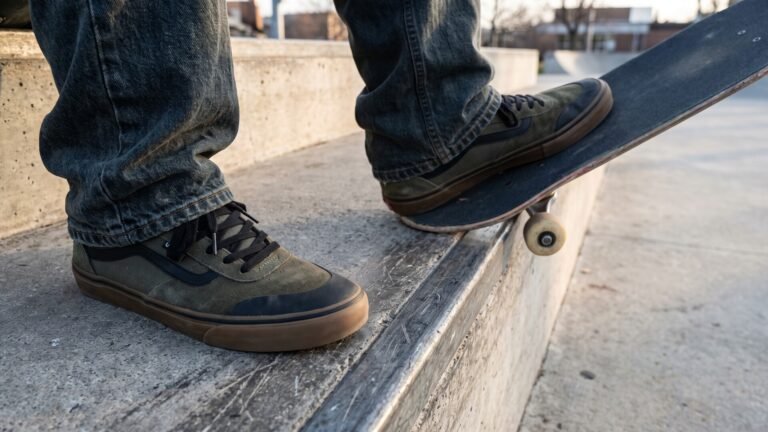
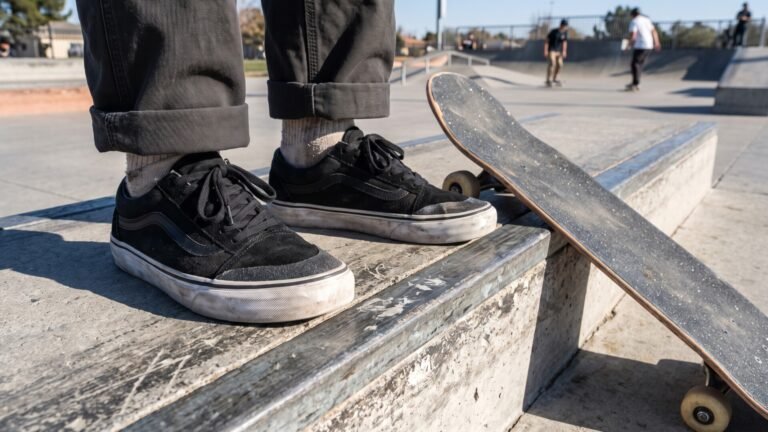
As basketball drove performance innovation, hip‑hop and skate culture gave sneakers soul. Adidas Superstars, Puma Suedes, Vans Old Skools — these weren’t marketed, they were adopted.
By the 1990s and early 2000s, sneakers were firmly embedded in street culture.
Explore the full breakdown inside our Sneaker History sub-hub, where we unpack eras, icons, and the stories behind the most influential kicks ever made.
Sneaker Culture Highlights
Iconic 90s Sneakers to Collect
Discover the most collectible kicks from the 1990s. These shoes defined style and still hold value for collectors today.
Nike Sneakers That Shaped Streetwear
Explore the Nike models that went beyond performance, influencing fashion, music, and streetwear culture worldwide.
Adidas Sneakers That Shaped Street Culture
See which Adidas sneakers set trends and became symbols of style and self-expression across global street culture.
Puma Sneakers That Defined Street Culture
Discover the Puma models that left a mark on music, fashion, and streetwear, shaping trends and inspiring sneaker culture worldwide.
Streetwear Sneakers That Defined the 2020s
Check out the key sneakers of the current decade, from hype releases to designer collabs shaping modern streetwear.
Iconic Sneakers of the 90s — The Kicks That Defined a Decade
Revisit the 90s shoes that became cultural staples and continue to inspire collectors and streetwear enthusiasts today.
Why Sneakers Became Collectible
Sneakers didn’t become collectibles by accident. Several forces collided at the same time:
- Limited production runs
- Celebrity endorsement
- Emotional storytelling
- Rising resale platforms
Collectors started treating sneakers like art pieces — keeping them deadstock, displaying them, and tracking release dates obsessively.
This collector mindset paved the way for modern hype culture.
Understanding Sneaker Trends (Beyond Hype)
Not every sneaker trend is about resale value. Some trends come from fashion cycles, others from technology, and some from nostalgia.
Key Drivers of Sneaker Trends
- Fashion Cycles – Slim vs chunky, retro vs futuristic
- Technology – New cushioning, knit uppers, sustainability
- Cultural Moments – Movies, music, sports milestones
- Social Media – TikTok, Instagram, and influencer reach
Retro Is Always Relevant
One of the biggest truths in sneakers: nothing ever really disappears. Models from the 80s and 90s continuously return — sometimes unchanged, sometimes modernized.
Dunks, Jordans, Air Maxes — all proof that nostalgia sells.
Dive deeper into what’s shaping the market right now in our Sneaker Trends sub‑hub.
Upcoming Sneaker Trends This Year
Each year brings subtle shifts rather than total revolutions. Here’s what continues to dominate and what’s emerging:
1. Retro Basketball Silhouettes
Low‑top Jordans, classic Dunks, and vintage colorways remain staples — especially when tied to OG storytelling.
2. Lifestyle Runners
Running‑inspired sneakers worn casually are everywhere. Comfort and versatility matter more than performance for most buyers.
3. Sustainable Materials
Brands are experimenting with recycled materials, plant‑based leathers, and lower‑impact production — though style still comes first.
4. Muted Color Palettes
Neutral tones, earth colors, and soft pastels are replacing loud, over‑designed releases.
This section is expanded and updated regularly in Upcoming Sneaker Trends This Year.
Limited Releases: The Engine of Hype
Scarcity is rocket fuel for sneaker culture.
Limited releases create urgency, conversation, and — often — frustration. Whether it’s SNKRS app Ls or raffle losses, limited drops are a shared experience among sneakerheads.
Why Brands Limit Supply
- Protect brand value
- Drive demand without oversaturation
- Create cultural moments
- Feed the resale ecosystem
The Psychology of the Drop
When something is hard to get, it feels more valuable — even before resale prices enter the picture.
Learn how limited sneakers work, from raffles to shock drops, in Limited Releases.
Why Sneakers Are So Expensive
Sneaker pricing isn’t just about materials.
What You’re Really Paying For
- Research & development
- Athlete endorsements
- Marketing & storytelling
- Distribution and logistics
- Brand equity
On the resale market, prices are driven by:
- Supply vs demand
- Cultural relevance
- Condition and size
- Timing and hype cycles
This topic is broken down fully in Why Sneakers Are So Expensive.
Sneaker Collaborations: When Culture Collides
Collaborations changed the sneaker landscape forever.
When brands partner with designers, artists, musicians, or even other brands, the result is often more than a shoe — it’s a statement.
Why Collaborations Matter
- Fresh creative direction
- Access to new audiences
- Strong storytelling hooks
- Built‑in hype
From luxury fashion houses to underground creatives, collaborations sit at the heart of modern sneaker culture.
Explore iconic and unexpected partnerships in Collabs & Drops.
Best Sneaker Collaborations Ever
Some collaborations transcend hype and become legendary.
What sets them apart?
- Authentic creative input
- Strong narrative
- Timeless design
- Cultural impact beyond release day
This evolving list lives in Best Sneaker Collaborations Ever, where we break down what made each one special.
The Role of Resale & Secondary Markets
Resale platforms didn’t create sneaker culture — but they changed it.
They introduced:
- Price transparency
- Market speculation
- Investment‑style thinking
While controversial, resale is now inseparable from the ecosystem.
Sneakers as Identity
For many people, sneakers are personal.
They represent:
- Memories
- Achievements
- Belonging
- Taste
That emotional connection is why sneaker culture keeps growing — even when trends shift.
Global Sneaker Culture
What started in the U.S. now lives worldwide.
- Japan’s attention to detail
- Europe’s fashion influence
- Asia’s resale power
- Global streetwear communities
Sneakers speak a universal language.
How to Navigate Sneaker Culture as a Newcomer
If you’re just getting started:
- Learn the history
- Follow trends, but trust your taste
- Don’t chase every drop
- Buy what you’ll wear
This hub exists to help you find your lane.
Explore the Sneaker Culture & Trends Network
Use this hub as your starting point:
- Sneaker History – Where it all began
- Sneaker Trends – What’s shaping the future
- Limited Releases – The anatomy of hype
- Collabs & Drops – Creativity meets footwear
Each sub‑hub goes deeper, with guides, explainers, and curated lists.
Designer Perspectives — Creativity Behind the Craft
Sneakers start with ideas.
Before the sketches, before the samples, before the hype — there’s a mindset. The way designers think about form, culture, risk, and originality shapes everything that follows. Understanding that mindset changes how you see the shoes on your feet.
In Quotes from Sneaker Designers on Creativity, we step inside the thoughts of the people who build the industry. What inspires them. How they approach innovation. Why constraints sometimes create better design.
No marketing spin.
No surface-level soundbites.
Just insight into how creativity actually works in sneaker culture.
If you care about the thinking behind the product, this is worth your time.
Final Thoughts
Sneaker culture isn’t slowing down — it’s evolving.
Whether you’re here for the stories, the trends, or the drops, this hub is your foundation. Bookmark it, explore the sub‑hubs, and keep coming back as the culture continues to move forward.
Welcome to the vault.