Nike Sneakers: Innovation, Culture, and Legacy
Nike isn’t just a sneaker brand; it’s a cultural force, a design innovator, and an authority in athletic and streetwear footwear. From the earliest running tracks to the global influence of basketball courts, Nike has consistently set trends, merged performance with style, and built narratives that transcend the shoes themselves. For sneaker enthusiasts, athletes, and collectors alike, understanding Nike means understanding how a company transformed the way the world sees, wears, and interacts with sneakers.
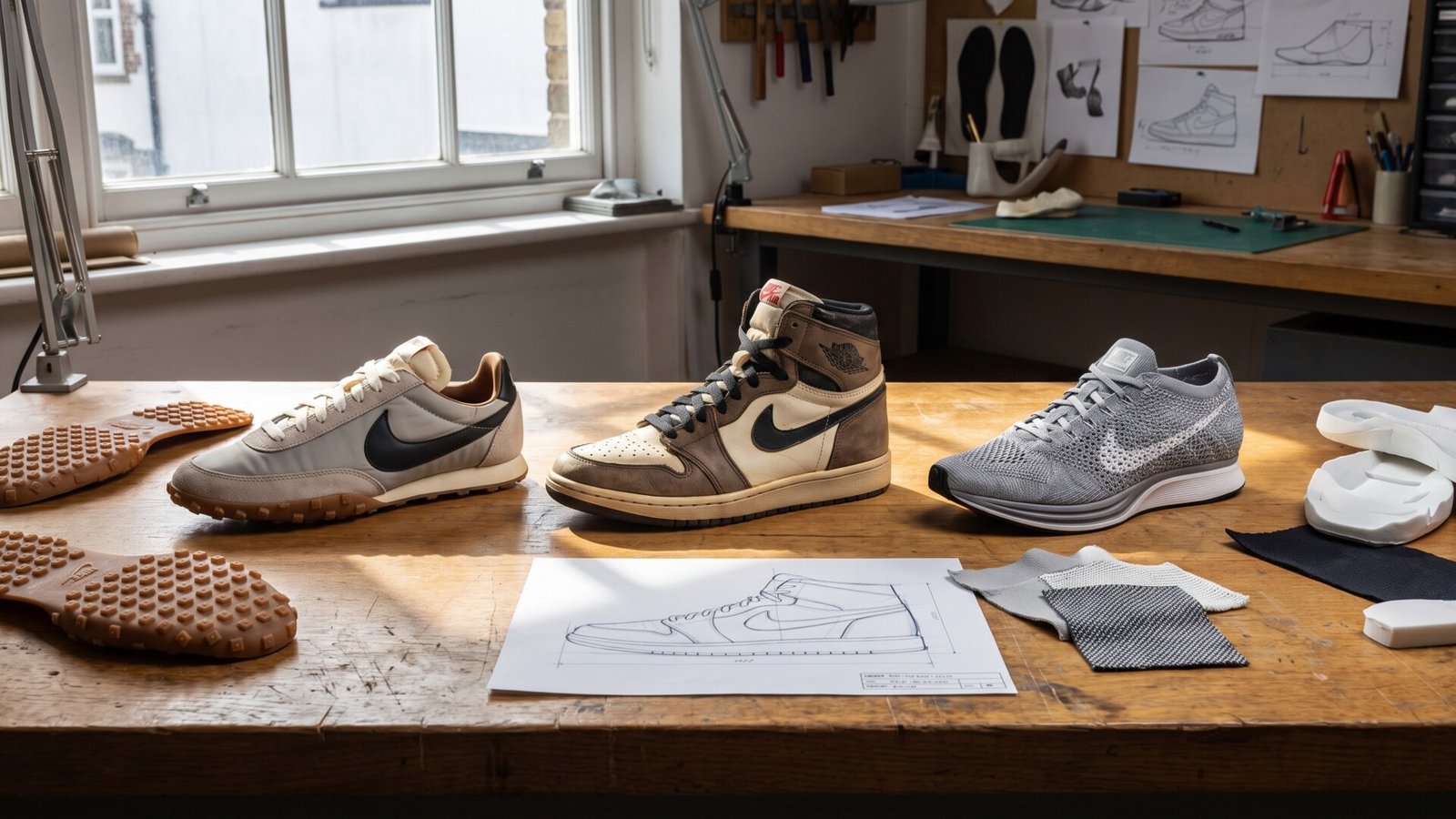
Founded in 1964 as Blue Ribbon Sports by Bill Bowerman and Phil Knight, Nike’s journey began with a focus on running shoes. Bowerman, a track coach, was obsessed with helping athletes move faster and more comfortably, experimenting with lightweight soles and innovative tread patterns. Knight’s business acumen paired with Bowerman’s design mindset created a synergy that propelled the brand from a small operation in Oregon to a global powerhouse. By 1971, the Nike name and iconic Swoosh logo were introduced, symbolizing speed, movement, and innovation — values that remain central to the brand today.
Nike isn’t just a brand; it’s a global phenomenon influencing sport, streetwear, and culture. Explore our Sneakers Brands hub to see Nike in the context of the entire sneaker landscape, from heritage icons to rising stars.
Performance Innovation: Pushing Boundaries
Nike has been synonymous with performance-driven design. Innovations like Air cushioning, Flyknit uppers, Zoom technology, and React foam revolutionized running, basketball, and training shoes. Each advancement is rooted in biomechanics, material science, and athlete feedback, ensuring that every model isn’t just aesthetically appealing but also functional. Nike’s commitment to testing and refinement has set industry standards, inspiring competitors and shaping the expectations of athletes worldwide.
The impact of performance innovation extends beyond elite athletes. Everyday wearers experience improved comfort, support, and durability thanks to these technologies. Running enthusiasts enjoy responsive cushioning and breathable materials, while basketball players benefit from traction and stability engineered to enhance performance. By blending technology with design, Nike bridges the gap between professional sports and daily life, ensuring that sneakers work hard and look good doing it.
Nike and Streetwear: Where Sneakers Become Culture
While Nike began as a performance brand, it quickly evolved into a cultural icon. Streetwear enthusiasts embraced classic silhouettes, limited releases, and collaborative models that turned functional sneakers into statements of style and identity. The crossover between performance and lifestyle allowed Nike to dominate not only the sports arena but also music, fashion, and global youth culture.
One standout example is highlighted in our guide, Nike Sneakers That Shaped Streetwear, which explores models that defined style movements and inspired entire communities. From Air Jordans to Air Force 1s, Nike has a history of creating sneakers that resonate far beyond the court. Check out the guide here.
Signature Models and Their Cultural Impact
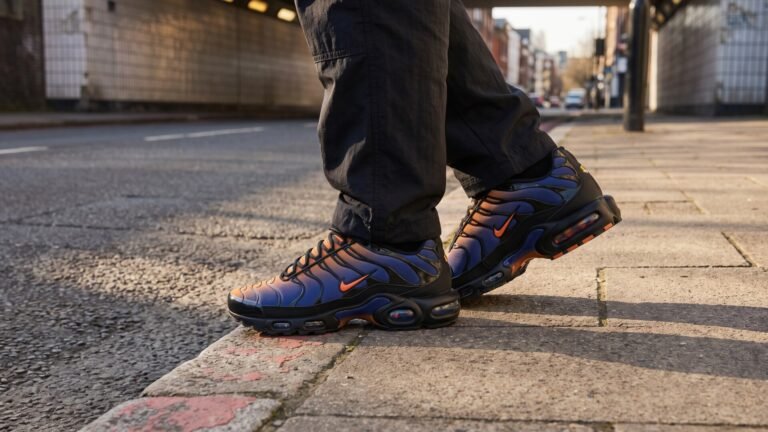
Certain Nike silhouettes have transcended their original purposes to become cultural touchstones. The Air Jordan line, beginning with the Air Jordan 1 in 1985, not only revolutionized basketball footwear but also influenced fashion, music, and collectible culture. Similarly, the Air Max series introduced visible air cushioning, merging performance and futuristic style, creating models that remain highly sought after decades later.
Few Nike innovations changed sneaker design as dramatically as Air Max. Visible air cushioning wasn’t just a technical upgrade — it was a design revolution. It shifted sneakers from pure performance gear into cultural icons, blending sport, style, and engineering in a way the industry hadn’t seen before.
If you want to understand how Air technology reshaped Nike’s identity and influenced decades of releases, read The History of Nike Air Max and see how one bold idea became a global movement.
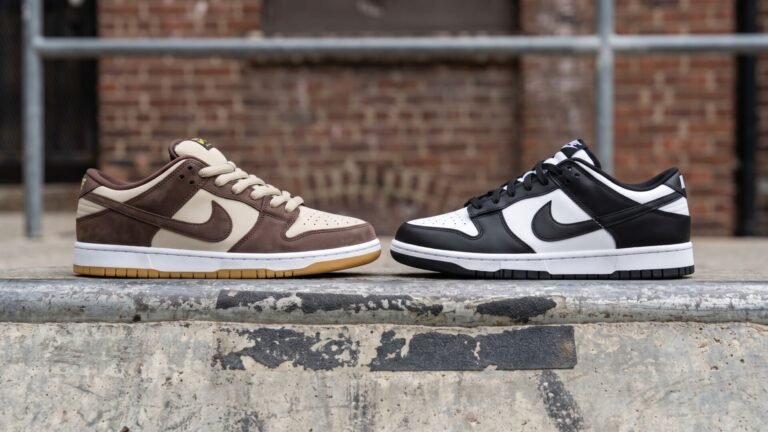
Other iconic models like the Air Force 1, Dunk, and Blazer have found lasting appeal due to their versatility and ability to evolve with trends. Limited releases, collaborations with artists, and special editions amplify their cultural significance, turning sneakers into collectible items with historical and emotional value.
Collaborations and Limited Releases
Nike’s collaboration strategy has been central to its influence in both performance and lifestyle markets. Partnerships with designers, musicians, and cultural icons allow for innovation, exclusivity, and storytelling. These collaborations often reinterpret classic models through new materials, colorways, and concepts, creating hype and maintaining cultural relevance.
Limited releases contribute to the brand’s allure, combining scarcity with desirability. Collectors and enthusiasts actively seek these drops, fueling secondary markets and increasing the value of certain models. By balancing mass-market accessibility with selective exclusivity, Nike has created a dynamic ecosystem where sneakers function as both performance gear and cultural currency.
Materials and Construction
Nike places heavy emphasis on materials and construction to ensure sneakers perform under varied conditions. From lightweight Flyknit uppers to responsive React foam midsoles and durable rubber outsoles, every component is engineered for function and comfort. Breathable meshes, reinforced overlays, and advanced cushioning systems contribute to both longevity and performance, ensuring that Nike sneakers meet the expectations of athletes and casual wearers alike.
Attention to detail also extends to design aesthetics, where color blocking, branding placement, and material textures work together to create cohesive, visually appealing sneakers. Whether the shoe is intended for running, basketball, or lifestyle, Nike ensures that form and function complement each other seamlessly.
Fit, Sizing, and Comfort
Nike’s commitment to performance also informs their approach to fit and sizing. Different models accommodate varied foot types, whether for narrow, wide, or high-volume feet. Comfort is a central consideration, with cushioning technologies designed to minimize fatigue, support natural movement, and enhance stability. Sizing guides and product reviews are critical tools for consumers to select models that match both performance needs and style preferences.
Understanding the nuances of fit helps buyers make informed decisions, particularly for high-impact activities or long-term wear. Properly fitted sneakers improve performance, reduce risk of injury, and ensure that the cultural and aesthetic experience of wearing Nike is fully realized.
Nike in Global Culture
Nike’s influence stretches far beyond athletic performance. Its presence in streetwear, music, and art underscores the brand’s cultural resonance. Sneakers like the Air Jordan 1 or the Dunk SB have become symbols of personal identity, rebellion, and creative expression. Nike’s marketing campaigns, athlete endorsements, and strategic collaborations amplify this effect, positioning sneakers as cultural artifacts rather than mere products.
The brand’s global reach ensures that Nike is not just a name, but a universal language in footwear, signaling style, performance, and credibility across generations and geographies.
Choosing the Right Nike Sneakers
Selecting a Nike sneaker involves understanding your priorities. Are you looking for performance, lifestyle versatility, or collectible value? Running shoes like the Pegasus or Zoom series prioritize support and responsiveness, while basketball models such as Air Jordans focus on traction, stability, and iconic style. Lifestyle sneakers, including Air Force 1s and Dunks, offer versatility, aesthetic appeal, and streetwear credibility.
By assessing purpose, fit, and design, buyers can navigate Nike’s extensive catalog to find models that meet individual needs, whether for athletic performance, everyday wear, or cultural expression.
Legacy and Timeless Appeal
Nike’s enduring success is rooted in its ability to innovate while honoring legacy. The brand continuously evolves its technologies, design language, and cultural relevance, ensuring that each new model resonates with consumers. Nike sneakers are more than shoes — they are tools, statements, and symbols that carry decades of innovation, style, and cultural significance.
For those looking to explore the intersection of performance, lifestyle, and street culture, our guide on Nike Sneakers That Shaped Streetwear breaks down the models that defined movements, influenced trends, and inspired generations. Understanding these sneakers is key to appreciating Nike’s lasting impact and why it remains the benchmark in footwear innovation and cultural influence. Explore the guide here.
Further Reading
Innovation didn’t start with Air Max.
Before visible air units and global hype, Nike was experimenting with traction in the most unconventional way possible — pouring rubber into a waffle iron. The result became one of the most important performance breakthroughs in running history.
The Nike Waffle Trainer represents the brand’s early obsession with lightweight construction, grip, and competitive advantage. It’s not just a retro silhouette — it’s the foundation of Nike’s innovation mindset.
Read The History and Evolution of the Nike Waffle Trainer to understand how a simple kitchen experiment helped launch a global sneaker empire.