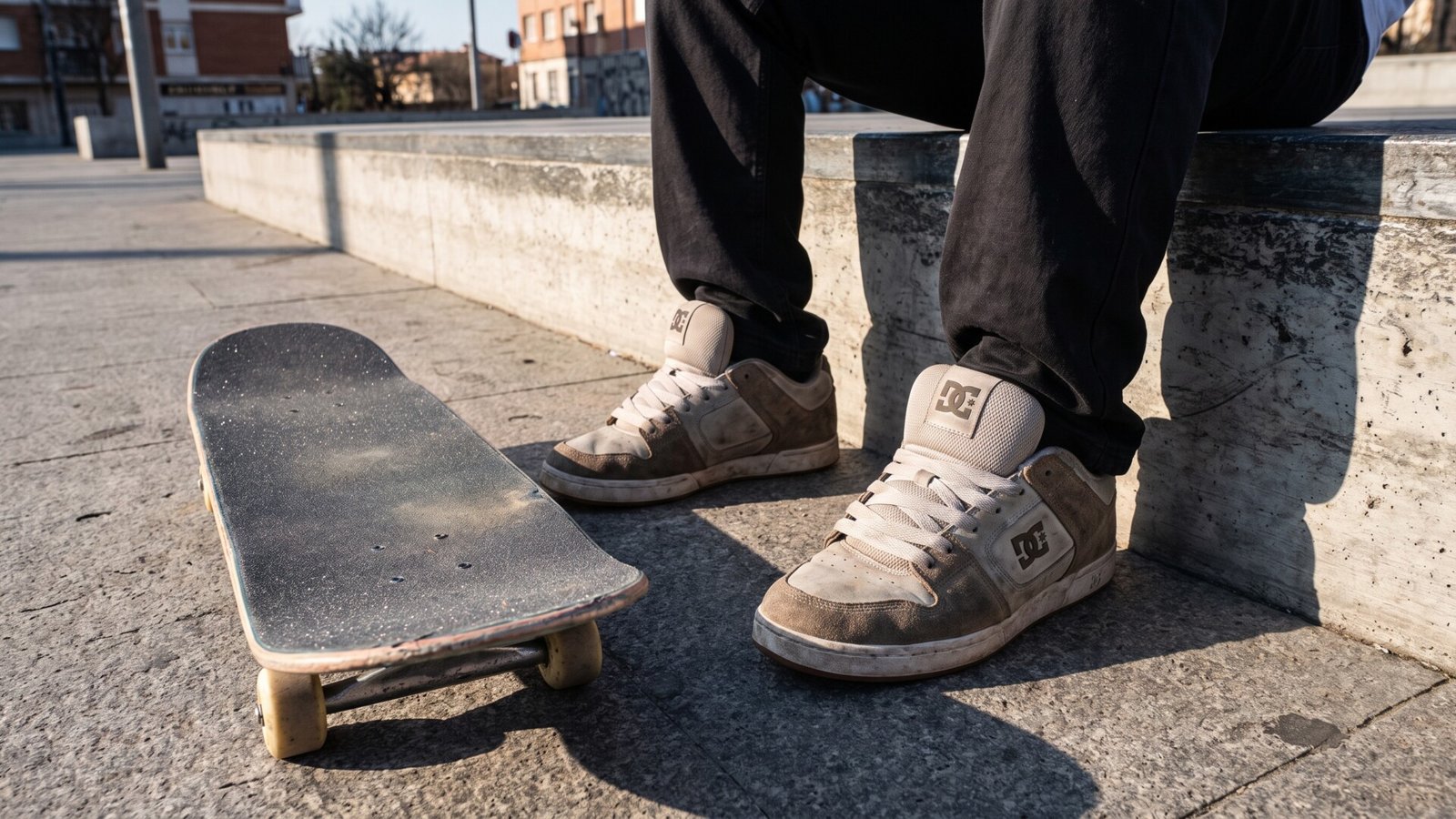
DC Shoes Sneakers – The Kicks That Shaped a Generation
If you’ve ever set foot on a skateboard or just rolled through skate culture, you know DC Shoes isn’t just a brand, it’s a movement. Since 1994, DC has been making kicks that blend performance, street cred, and style. From board riders to casual streetwear fans, these shoes became iconic for a reason.
Let’s take a deep dive into DC Shoes, their history, signature models, and why they still matter in skate culture today. And to answer the question people search most: yes, DC Shoes are sneakers. They started as skate shoes, and the brand now describes itself as a lifestyle brand amplifying street and skate culture, with skate and lifestyle footwear alongside apparel, snowboards and snow boots, outerwear and accessories.
DC Shoes has been a staple for skateboarding and street culture for decades. See how it fits within the larger ecosystem of sneaker brands in our Sneakers Brands hub, alongside both legendary and emerging names.
DC Shoes at a Glance
| Quick fact | Answer |
|---|---|
| Launched | 1994 (some company materials say 1993) |
| Founders | Damon Way, Ken Block and Clayton Blehm |
| Name origin | DC originally stood for “Droors Clothing” |
| First pro models | Danny Way and Colin McKay, 1994 |
| Owner history | Acquired by Quiksilver in 2004; now part of the Boardriders family of brands |
| Known for | Padded skate shoes, pro-rider models, Supreme/Shepard Fairey/KAWS collaborations |
The Origins: Born for the Streets
DC Shoes was founded in 1994 by Damon Way, Ken Block and Clayton Blehm (the name originally stood for “Droors Clothing”), people who knew skateboarding wasn’t just a sport, it was a lifestyle. They wanted sneakers that could take hits on the board, feel comfortable, and look fresh off it. Skater Danny Way was DC’s first pro rider, and DC’s own heritage timeline lists the first Danny Way and Colin McKay pro models in 1994. Quiksilver acquired DC in 2004, and DC now sits within the Boardriders family of brands.
- Performance first: reinforced stitching, grippy soles, and padded collars
- Style second (but just as important): bold colorways, graphic prints, and attention-grabbing designs
- Skater-led mentality: they made shoes for skaters, with skaters
Right away, DC set itself apart from traditional sneakers: it was all about utility, durability, and street credibility.
A Quick DC Timeline
- 1994: DC launches, with the first Danny Way and Colin McKay pro models.
- 1999: First footwear collaboration with Supreme.
- 2001: The Artist Projects program launches with Shepard Fairey and KAWS.
- 2003: “The DC Video” is released.
- 2004: Quiksilver acquires DC Shoes.
- 2009: Co-founder Ken Block releases Gymkhana 2, extending DC’s profile into motorsport culture.
- 2014: DC rider Wes Kremer wins Thrasher’s Skater of the Year.
Dates come from DC’s own heritage timeline and published company histories. Sources are not entirely consistent on the founding year (some list 1993), so we use 1994 as DC’s product-launch year.
When Were DC Shoes Popular?
Reading the timeline above, DC’s profile climbed quickly through the late 1990s and 2000s. The Supreme collaboration (1999) and the Artist Projects program (2001) pulled DC into fashion and art circles, “The DC Video” (2003) gave skaters a reason to watch and wear the brand, and Ken Block’s Gymkhana films in the late 2000s pushed the name well beyond skateparks. Skate shoe trends move in cycles, so the exact peak depends on who you ask, but a lot of people who grew up skating or watching skate videos in that era still associate DC with those years. The brand is still in production, and retro-styled models regularly find new fans.
The Riders Behind the Shoes
Skate shoes live and die by who wears them, and DC built its identity around its team:
- Danny Way and Colin McKay: the riders behind DC’s first pro models in 1994.
- Josh Kalis: longtime DC rider and the namesake of the Kalis; his later signature model was the Centric S in 2012.
- Wes Kremer: won Thrasher’s Skater of the Year while riding for DC in 2014.
- Ken Block: co-founder whose Gymkhana films made DC familiar to motorsport fans.
For the wider story of how skate teams and shoe brands grew up together, read our history of skate culture and DC Shoes.
Signature Models That Defined the Brand
DC Shoes made some true classics that still resonate today. Which pair is best depends on whether you skate or just want the look. Quick guide to the models below:
| Model | Vibe | Best for |
|---|---|---|
| Court Graffik | Low-profile, padded skate classic | Skaters and baggy-jeans streetwear |
| Kalis | Sleek skate silhouette named for pro Josh Kalis | People wanting function plus fashion |
| Lynx | Chunky, padded, bold colorways | Streetwear fans who like a bigger shoe |
| Pure | Minimal, understated | Clean everyday looks |
Starting with the classic? Shop the Court Graffik – Men’s →Women’s →
1. DC Court Graffik
The Court Graffik is a legend and still part of DC’s current men’s skate range. Low-profile, padded, and with plenty of board feel, it has long been a favorite for skaters and casual wearers.
- Reinforced toecaps = perfect for ollies and flips
- High-grip sole = sticky on the deck
- Bold, artistic design = stood out in skate videos and on the streets
This shoe became synonymous with skater style and streetwear culture, bridging the gap between performance and hype.
2. DC Kalis
Named for pro skater Josh Kalis, a longtime DC rider, this shoe brought modern style and tech-forward performance to the board. (Kalis’s later signature model was the Centric S, released in 2012.)
- Extra cushioning = support for high-impact tricks
- Sleek silhouette = versatile for casual wear
- Durable suede and leather uppers = longevity under abuse
The Kalis remains a favorite for people who want function and fashion in one package.
3. DC Lynx
The DC Lynx kicked things up a notch with a chunkier, more padded look. DC’s current men’s skate range includes the Lynx OG and Lynx Zero.
- Integrated padding = comfort for street sessions
- Bold colors and patterns = aesthetic flexibility
- Chunkier profile = suits baggy trousers and the current wide-leg trend
Lynx was DC showing the world they could innovate while staying true to their skate roots.
4. DC Pure
The Pure series focused on simplicity and clean style, perfect for skaters who wanted performance without extra bulk.
- Minimalist design = classic streetwear vibe
- Lightweight feel = ease for cruising or flipping tricks
- Solid grip sole = consistent board control
Pure proves DC wasn’t just about loud designs; they could make understated, functional kicks too.
What DC Sells Now: Current Models and Types
People searching for “DC shoe types” and “DC shoe models” usually want to know what is in the range today. DC’s US men’s skate shoe collection currently includes the Manteca 4, Court Graffik, Gaveler, DC Ascend, Lynx OG, Astrix, Crisis 2, JS 1 and Lynx Zero, among others (49 products at the time we checked). Beyond skate shoes, DC sells lifestyle footwear, snowboard boots, apparel and accessories. Several models come in low and higher-cut versions, so if you want a DC high top, check the current listing rather than assuming a model has one.
We have not verified current US prices for these models, because DC’s product pages were not accessible when we wrote this. Check DC’s site or a retailer for today’s price and sizing before you buy.
Which DC Shoe Should You Buy?
| If you want… | Look at | Why |
|---|---|---|
| A proven skate classic with padding | Court Graffik | Low profile, padded, still in DC’s current men’s skate range |
| A chunkier shoe for baggy trousers | Lynx OG or Lynx Zero | Bigger, padded profile balances wide-leg and baggy cuts |
| A sleek shoe that works on and off the board | Kalis | Slimmer silhouette than the Lynx |
| Something minimal and understated | Pure | Clean look, less bulk |
| Today’s skate range to compare options | Manteca 4, Gaveler, Astrix, Crisis 2, JS 1 | Current men’s skate models listed on DC’s site |
DC Shoes & Skate Culture
DC Shoes weren’t just footwear; they defined skate culture for a generation.
- Sponsored pro skaters who influenced style and performance
- Released videos and media content that made the brand aspirational
- Became a crossover into streetwear, giving non-skaters a reason to wear skate shoes
Wearing DC wasn’t just about skating. It was a statement: urban, rebellious, creative.
Why Are DC Shoes So Popular?
Three things explain most of it. First, authenticity: DC began as a skate brand with a pro team from day one, so skaters trusted it. Second, media: videos, event tours and, later, Ken Block’s Gymkhana films gave the brand reach beyond skateparks. Third, collaboration: projects with Supreme, Shepard Fairey and KAWS pulled DC into fashion and art circles. Together those made DC a name people recognized whether or not they skated.
Why Skaters Still Rock DC
Even in 2026, DC remains relevant because the shoes work as hard as they look:
- Durable construction = handles grind after grind
- Comfortable padding = long skate sessions without foot fatigue
- Bold designs = good on the board and on the street
Plus, retro models are making a comeback, letting OG skaters and newcomers reconnect with the brand’s classic energy.
Skateboarding isn’t just a sport; it’s a culture, a mindset, and a style all its own. DC Shoes has been woven into that history from the start, creating sneakers that support skaters while reflecting the attitude and creativity of the scene. Our History of Skate Culture & DC Shoes guide takes you through the evolution of skateboarding, the rise of iconic silhouettes, and how DC helped shape skate style and culture over the decades, showing why these sneakers are more than just gear: they’re a piece of skateboarding legacy.
Style Beyond the Board
DC Shoes don’t just belong on skateboards. They blend into streetwear fits easily:
- Pair Court Graffik or Kalis with baggy jeans and graphic tees for classic skater energy
- Use Lynx or Pure for clean, minimal streetwear looks
- Layer with hoodies, windbreakers, and beanies to stay cozy and stylish
- Chunkier pairs like the Lynx suit wide-leg and baggy trousers; see our sneakers for wide-leg trousers and chunky shoe guide
DC proves you don’t need to skate to wear a skater shoe; the energy translates anywhere. For more outfit ideas, our Streetwear & Style hub, how to style sneakers for streetwear and essential streetwear sneakers guide are good next stops.
Collaborations & Limited Editions
DC has a history of collabs that push their sneakers further into streetwear hype culture, starting with a Supreme collaboration in 1999 and the Artist Projects program with Shepard Fairey and KAWS in 2001:
- Artist collaborations for unique prints and patterns
- Limited edition drops for collectors
- Crossovers with skate shops and small brands to keep OG energy alive
These collabs keep the brand fresh while honoring their roots. If limited releases are your thing, our resale market guide explains what to watch for before paying aftermarket prices. For how a rival skate brand handles collaborations, see limited edition Vans collaborations.
Key Features That Make DC Kicks Legendary
Every DC skate sneaker is built around traits that skaters rely on:
- Reinforced stitching and toecaps for durability
- Padded collars and tongues for comfort
- High-traction soles for board control
- Bold, unique designs for self-expression
It’s this mix of performance and identity that has kept DC sneakers relevant in skate culture.
Are DC Shoes Comfortable for Everyday Wear?
Because DC designs around padding, many of its shoes feel more cushioned than a thin, flat canvas sneaker, which is part of the appeal if you spend a lot of time on your feet. The trade-off is that padded skate shoes are generally bulkier and can run warmer than minimal canvas pairs, and the footbed and break-in vary by model. If you want the lightest, flattest feel, a model like the Pure leans that way, while the Lynx is the chunkiest in this lineup. Check reviews for the exact model and try before you commit if possible.
DC vs Vans and Other Skate-Friendly Brands
DC is often compared with Vans, the other big name in skate footwear. Broadly, Vans leans on flatter, simpler vulcanized classics, while DC’s signature look is more padded and technical. Neither is better in the abstract; it depends on whether you prefer a thin, close-to-the-board feel or more padding.
| DC Shoes | Vans | |
|---|---|---|
| Overall look | Padded, technical, bolder shapes | Flatter, simpler classic silhouettes |
| Feel underfoot | More padding in most models | Thinner, closer to the board |
| Best for | Skaters who want cushioning and a chunkier look | Skaters and casual wearers who want classic board feel |
| Where to read more | This guide | Best Vans for skaters |
Our best Vans for skaters guide covers the Vans side, and Vans Old Skool vs Sk8-Hi helps pick within the brand. Converse, Puma and emerging sneaker brands are other places to look, and skateboarding with Adidas covers another big name. For more skate options, see skate sneakers that will never go out of style and our emerging skate sneakers spotlight. On a tighter budget, see underrated sneaker brands that make great budget shoes and best sneakers under $100, and use our sneaker comparisons hub if you are weighing two pairs.
Sizing and Fit Tips
Padded skate shoes can fit snugger than thin canvas shoes, because the padding takes up space inside. Use DC’s size chart for the specific model, try on with the socks you skate in, and expect a short break-in with suede and leather. If you are buying online, choose a retailer with free returns, and read our sizing comparisons for how to compare fit between models.
Caring for Your DC Sneakers
Skaters know the grind is real, but you can make your DCs last longer:
- Clean regularly: mild soap and a soft brush for suede and leather
- Rotate shoes: keep soles from wearing unevenly
- Store properly: don’t leave them in damp corners; use boxes or shelves
- Protect from water: many DC sneakers aren’t waterproof
Taking care of your kicks helps them handle tricks and street style for years. For deeper cleaning guidance, see our sneaker care and longevity hub.
DC Shoes Legacy
DC Shoes shaped skate culture by bridging performance and streetwear. The brand’s influence spans:
- Skaters: pro sponsorships and functional designs
- Streetwear enthusiasts: bold visuals and versatile silhouettes
- Pop culture: music videos, video games, and collabs
They’ve maintained relevance while staying true to their roots, a rare feat in the sneaker world. For another look at how 90s-era designs shaped today’s shoes, see iconic sneakers of the 90s.
More Sneaker Brand Guides
If DC has you thinking about other brands, our guides to Vans, Converse, Nike, Adidas, Puma, New Balance, Reebok, Keds and Superga are good next stops. Streetwear-focused readers might also like KITH, A Bathing Ape and Fear of God.
Final Thoughts: Why DC Still Matters
DC Shoes aren’t just nostalgia. They’re still in production, still functional, and still recognizable in 2026.
- Performance: tough soles, reinforced uppers, padding
- Style: bold graphics, retro and modern silhouettes
- Culture: embedded in skateboarding history and streetwear
Whether you’re a seasoned skater, a streetwear fan, or just someone who wants sneakers that work hard and look good, DC has something for you.
Step on your board or hit the streets: rock a pair of DCs, and you’re carrying skate culture with every move.
Frequently Asked Questions About DC Shoes
Are DC Shoes sneakers?
Yes. DC started as a skate shoe brand and now sells skate and lifestyle sneakers, as well as apparel, snowboard boots and accessories.
When was DC Shoes founded?
DC launched in 1994, founded by Damon Way, Ken Block and Clayton Blehm. Some company materials give 1993, so sources are not fully consistent. Quiksilver acquired the brand in 2004.
Who founded DC Shoes and what does DC stand for?
DC was founded by Damon Way, Ken Block and Clayton Blehm. The name originally stood for Droors Clothing.
Who owns DC Shoes?
Quiksilver acquired DC Shoes in 2004, and the brand now sits within the Boardriders family of brands.
What are the coolest DC shoes?
That is subjective, but classic favorites include the Court Graffik, the Lynx for a chunkier look, the Pure for a minimal pair, and the Kalis for a sleek skate silhouette.
What types of DC shoes are there?
DC makes skate shoes, lifestyle sneakers, slip-ons and snowboard boots. Its US men’s skate range currently includes models such as the Manteca 4, Court Graffik, Gaveler, Lynx OG and Lynx Zero.
Does DC make high tops?
Several DC models have been offered in higher-cut versions. Check the current listing for the model you like, since availability changes by season.
Why are DC Shoes so popular?
DC began as a skater-led brand with a pro team, built its profile with videos and events, and expanded into fashion through collaborations with Supreme, Shepard Fairey and KAWS.
When were DC Shoes popular?
DC’s profile grew through the late 1990s and 2000s, with the Supreme collaboration in 1999, the Artist Projects program in 2001, The DC Video in 2003 and Ken Block’s Gymkhana films. The brand is still in production today.
Are DC Shoes good for skateboarding?
Yes. DC designs its skate range around durability, padding and board control, with reinforced toecaps and high-traction soles. Fit and break-in vary by model.
Are DC Shoes better than Vans?
Neither is better in the abstract. DC tends toward padded, technical builds, while Vans leans on flatter vulcanized classics. Try both and pick based on feel and fit.