On Cloudmonster Review
The On Cloudmonster sells for $179.99 at full retail. That is real money for a running shoe, but it is not the number that matters. The number that matters is the stack of CloudTec pods under your heel, the biggest On has ever put in a road shoe, and what they actually feel like when you move.
Here is the short version: the Cloudmonster is worth buying for runners and walkers who want a cushioned daily shoe with a distinctive look and a ride that rolls you forward. It is not automatically the best choice for all-day standing, and it is not the soft, plush cruiser its oversized sole suggests. The shoe feels more engineered and more visually distinctive than most daily trainers, but that premium positioning comes with questions about fit, the rocker, and long-term value that deserve a closer look before you hand over the cash.
If you are expecting a sink-in, mattress-like ride, read this before you buy.
On Cloudmonster At a Glance
Here is the quick breakdown before we get into the weeds.
| Category | Assessment | What it means for buyers |
|---|---|---|
| Cushioning | Highly cushioned with a firm, energetic feel | Good for daily miles and walking, less ideal if you want a soft, sinking ride |
| Comfort | Very good for many runners and walkers | Break-in and fit matter more than you might expect |
| Walking | Strong | Rocker and cushioning help maintain momentum on longer walks |
| Standing all day | Good, but not universal | Some users prefer a flatter, softer platform for stationary work |
| Fit | Generally close to true to size | Check width and return policy, especially with broad feet |
| Durability | Good with normal rotation | Outsole wear and exposed foam are the areas to monitor |
| Style | Distinctive and trend-aware | Works best with technical, casual, and athleisure outfits |
| Value | Mixed | Premium price makes the shoe more compelling on sale |
Quick verdict
- Best for: Daily road running, long walks, commuters, and buyers who like a technical sneaker aesthetic.
- Less suitable for: Wide feet without trying the shoe first, gym training that involves lateral movement, and anyone seeking a budget-friendly daily trainer.
- Editor’s choice: Recommend the On Cloudmonster when you value cushioning and rocker-driven ease more than low weight or maximum versatility.
- Value verdict: Stronger at a sale price than at full retail. [Affiliate: Check the current price of the On Cloudmonster on Amazon]
What the On Cloudmonster Is Trying to Do
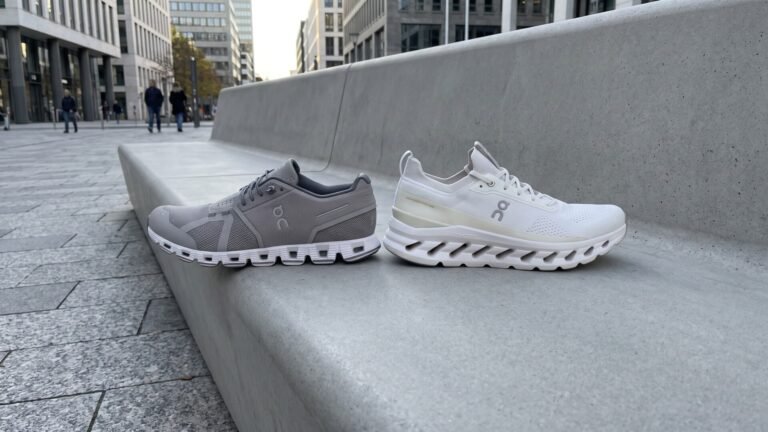
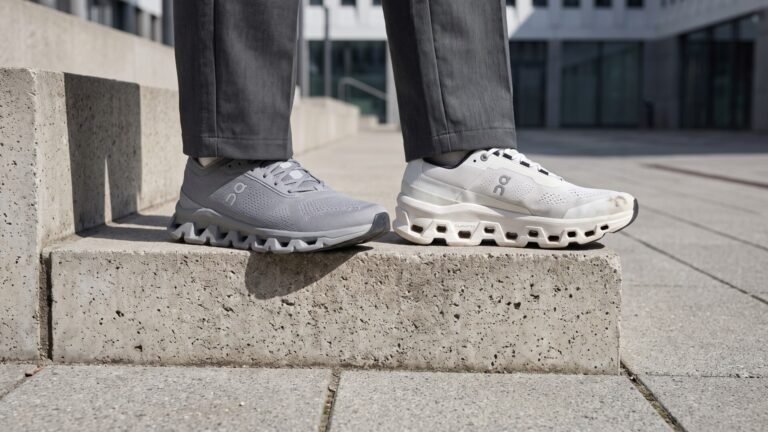
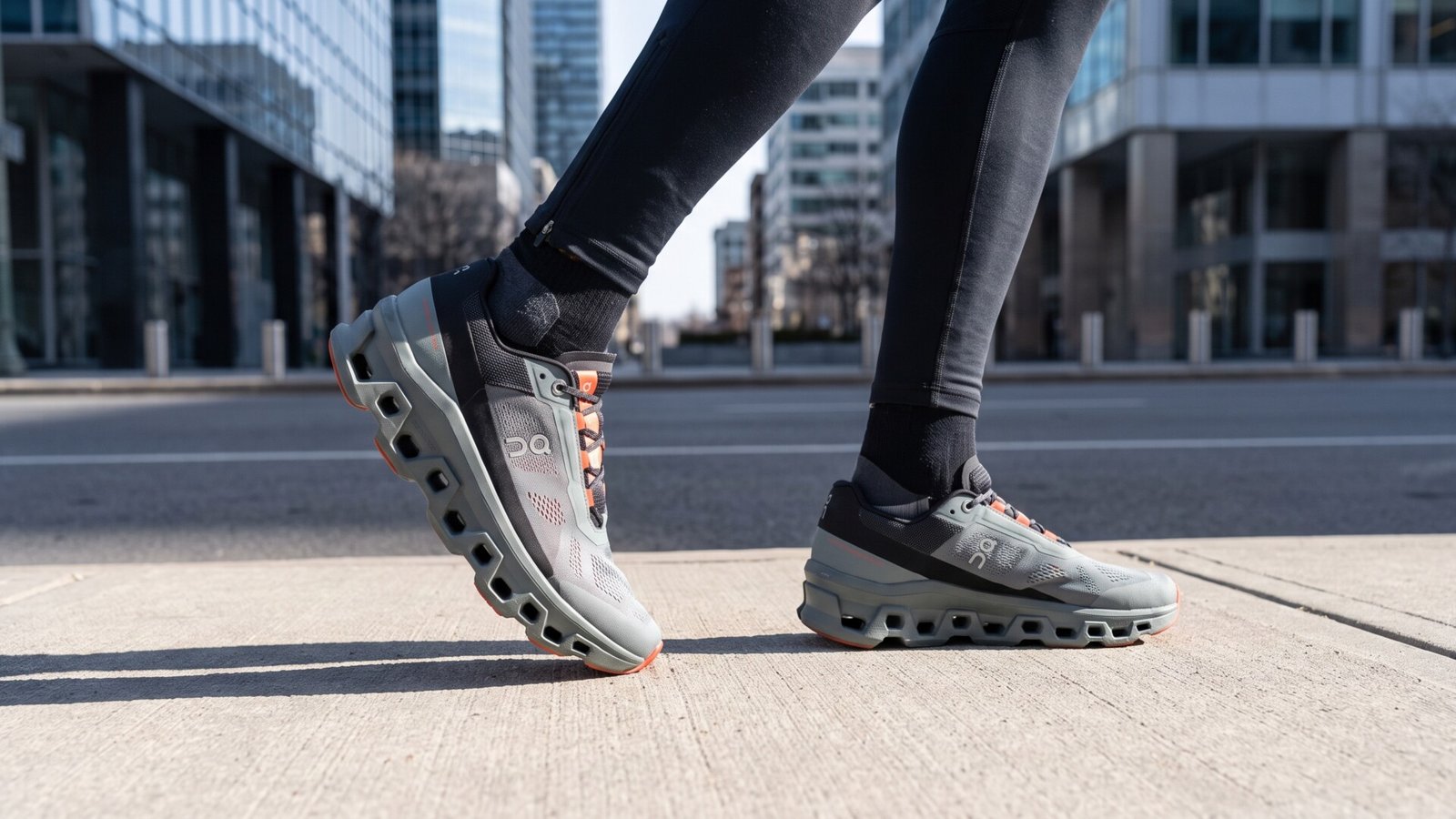
On built its name on the CloudTec system – those hollow pods you see cut into the side of every shoe they make. The Cloudmonster takes that concept and scales it up. The pods are bigger than anything On has used in a road shoe, and the midsole is built around a pronounced rocker that is designed to make forward motion feel smooth and energetic rather than simply soft.
That distinction matters. The Cloudmonster is not trying to be the plushest shoe in your rotation. It is trying to make every step feel efficient, like the shoe is helping you roll from heel to toe and keeping you moving. That is a different goal from a conventional max-cushion trainer, and it changes how the shoe feels on foot.
In the broader market, the Cloudmonster sits alongside some familiar names. The Hoka Clifton is the more conventional cushioned daily trainer – lighter, less dramatic, easier to ignore on your foot. The New Balance Fresh Foam X 1080 delivers a softer, more traditional ride. The ASICS Gel-Nimbus is the plush comfort pick. The Cloudmonster is the one that looks like it came from the future and rides like it wants to push you forward.
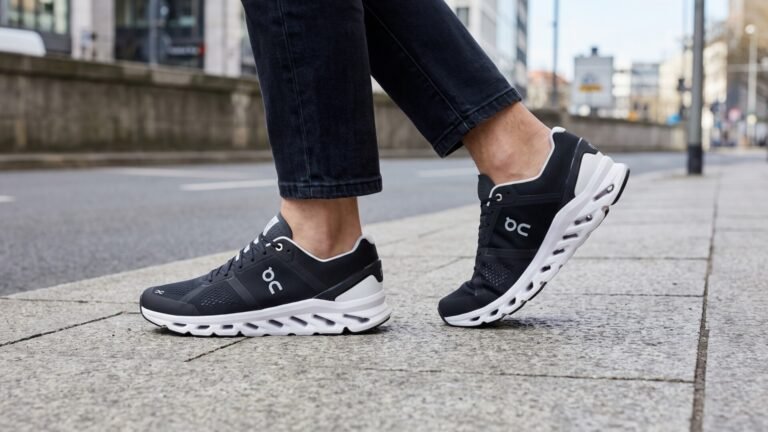
The shoe also appeals well beyond running. That recognizable sole and clean upper make it part performance shoe, part lifestyle purchase. You see them on commuters, in coffee shops, and in casual offices. That dual identity helps explain the premium price and the strong visibility – people are not just buying a trainer, they are buying a look.
One important note before we go further: this review covers the original On Cloudmonster. On has since released the Cloudmonster 2, and the two are not identical. Cushioning feel, fit, weight, and upper details differ between versions, and retailer listings do not always make the distinction obvious. Check the exact model name before you order. [Internal: See our On Running sneakers hub for the full lineup]
Design, Ride, and Everyday Comfort
This is the section that matters. The Cloudmonster’s construction changes how it feels in real use, and understanding that is the difference between loving the shoe and wondering what everyone was talking about.
Cushioning and ride character
Here is the thing most buyers get wrong before they ever try the shoe: the Cloudmonster is cushioned, but it is not plush. There is a real difference between a deep, soft ride and the more responsive, structured sensation that On shoes are known for. The CloudTec pods compress on impact, but they rebound quickly. The result is a ride that feels protective without feeling mushy, firm without feeling harsh.
The rocker does a lot of the work. When you land and roll through your stride, the curved sole helps carry you forward. It makes steady running feel efficient, particularly at moderate paces on straight roads. You are not fighting the shoe; you are letting it guide you.
That is exactly what some people will not like. Runners who prefer ground feel will find the Cloudmonster too intrusive. People who dislike a pronounced rocker will never get comfortable with the way it wants to move their foot. And if you expect the shoe to feel like a soft recovery trainer – the kind you put on after a hard workout and sink into – you will be disappointed.
Walking and standing comfort
For travel, commuting, errands, and long urban walks, the Cloudmonster is genuinely strong. The cushioning absorbs the impact of hard pavement, and the rolling transition keeps you moving without extra effort. If you are on your feet and in motion for hours, the shoe works with you.
Standing is a different story. A shoe that feels excellent over many miles can feel less natural during long periods of stationary standing. The rocker geometry that helps you roll forward does not help when you are planted in one spot. The platform is firm enough that some users find it less comfortable for static standing than a flatter, softer shoe.
Surface matters too. The Cloudmonster makes sense on pavement and hard urban surfaces. It is not built for uneven trails, indoor court work, or jobs that involve frequent side-to-side movement. The high stack and rounded sole are advantages in a straight line and liabilities when you need lateral stability.
Break-in and daily wear
Most buyers should expect the comfort to improve as they adjust to the rocker and the upper. The first few wears can feel unusual if you are coming from a conventional trainer. That is not a flaw; it is the shoe’s design making itself known.
The weight and visual bulk are worth acknowledging. The Cloudmonster feels substantial compared with lightweight trainers. It is not a shoe that disappears on your foot. But that bulk contributes to its protective, high-cushioning personality. You notice the shoe, and for many buyers that is exactly the point.
Here is a simple decision rule: choose the Cloudmonster if you want the shoe to guide your stride. Avoid it if you want a neutral, flexible sneaker that you forget you are wearing.
Fit, Sizing, and Foot Shape
Sizing questions are where buyers get into trouble with the Cloudmonster. Here is what you need to know.
Start with your usual running-shoe size. The Cloudmonster generally fits true to size for most wearers. Do not size down for a close fashion fit – you need practical toe room in a shoe designed for forward motion. Your toes should have space to spread and move, not be jammed against the front of the shoe.
The toe box and midfoot experience are where fit gets personal. Average-width feet are usually the safest match. The shoe has a reasonably accommodating toe box, but the midfoot is more structured. If you have genuinely wide feet, do not assume the upper will stretch enough. Try the shoe on, or use a retailer with easy returns.
Heel security is another area worth attention. The heel counter holds reasonably well, but your sock choice and lacing technique can change the fit more than you expect. Thin performance socks give you a more precise fit. Heel-lock lacing – where you use the extra eyelet at the top to lock your heel in place – can solve slippage issues without changing the size.
Here is the sizing breakdown:
- Average-width feet: Usually the safest fit profile.
- Wide feet: Try before committing; do not assume the upper will stretch enough.
- High-volume feet: Check the midfoot pressure and tongue area before buying.
- Narrow heels: Assess heel hold before wearing the shoe outdoors.
One more thing: confirm the exact product version and retailer size chart before you order. The Cloudmonster and Cloudmonster 2 can fit differently, and a listing that does not specify the version is a red flag.
Build Quality, Durability, and Ownership
The Cloudmonster looks premium. The materials feel quality, the construction is clean, and the design is cohesive. But a premium appearance does not guarantee a longer life than less expensive daily trainers. Here is what you should actually monitor.
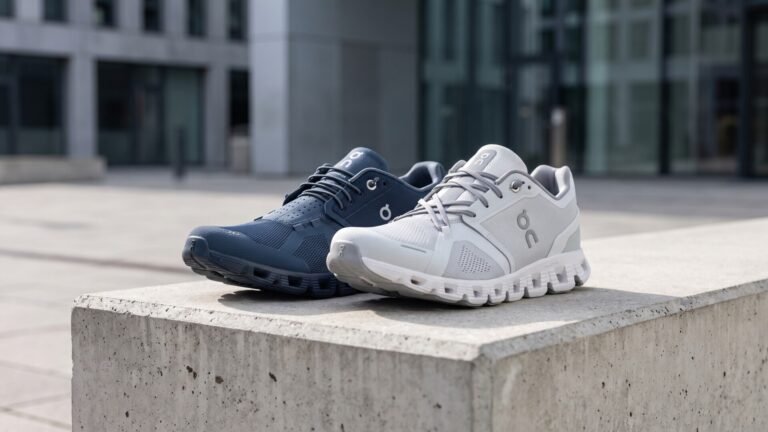
The upper uses a engineered mesh that balances breathability with structure. It holds up well in normal use, but light-colored colorways show dirt and are vulnerable to abrasion. The overlays are minimal, which keeps the shoe flexible but means less protection for the mesh in high-wear areas.
The outsole is where durability questions start. On uses rubber in high-contact areas, but significant portions of the midsole foam are exposed. That exposed foam is the first thing to show wear, especially if you run on rough pavement or drag your feet. The CloudTec pods themselves can pick up debris and show scuffing over time.
The heel lining is another area to watch. If you wear the shoe without socks, or with socks that do not stay in place, the lining can wear prematurely. Creasing in the upper around the toe box is cosmetic and expected.
Rotation is the single biggest factor in how long the shoe lasts. The Cloudmonster will last noticeably longer if you alternate it with another pair rather than using it for every run, commute, and casual outing. Giving the foam time to recover between wears extends its life.
Maintenance is straightforward but worth doing right:
- Use a soft brush and mild soap for the light-colored upper.
- Avoid aggressive washing or high heat that can damage adhesives and materials.
- Budget for replacement sooner if you use the shoe on rough pavement, in wet conditions, or for high weekly mileage.
The honest value interpretation: durability is good enough to support regular use, but the shoe’s value depends on mileage and comfort rather than a promise of unusually long lifespan. It is not a shoe that will outlast a Hoka or New Balance at a similar price point, and it is not trying to be.
Real-World Use Cases
The Cloudmonster is not a one-size-fits-all shoe. Here is how it performs in the situations that actually matter.
Running
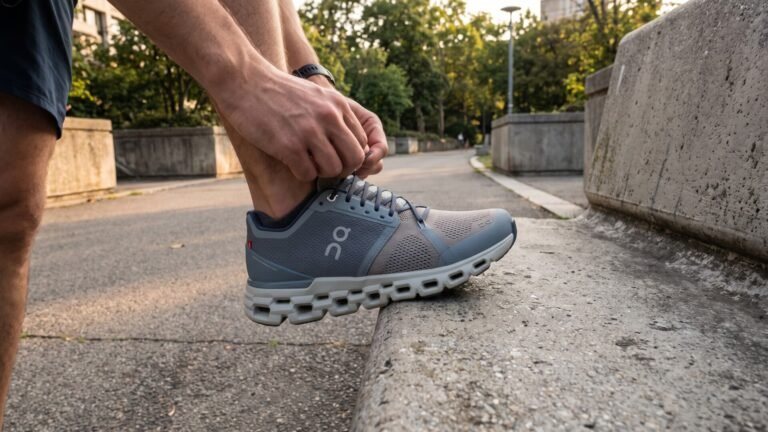
The Cloudmonster is best suited to easy runs, steady daily training, and longer road sessions where cushioning and forward roll are assets. At moderate paces, the rocker makes you feel like the shoe is doing some of the work. The cushioning absorbs impact mile after mile, and the ride stays consistent.
It is less compelling for speedwork. The weight and the rocker work against you when you want to change pace quickly. Sharp turns expose the lack of lateral stability. Technical trails are out of its lane entirely. And runners who want a light, flexible racing sensation will find the Cloudmonster heavy and intrusive.
The sweet spot is the daily run – the kind of run you do three or four times a week at a conversational pace. The Cloudmonster makes those miles feel easier.
Walking, travel, and commuting
This is where the Cloudmonster genuinely shines. Long city walks on hard pavement are exactly what the shoe is built for. The cushioning absorbs impact, and the rocker keeps you moving without extra effort. Airport travel is another strong use case – you are on your feet, moving between gates, and the shoe keeps you comfortable.
The appearance helps too. The Cloudmonster moves between athletic and casual outfits better than most performance trainers. You can wear them for a walk, grab lunch, and not look like you just came from the gym.
The caveat is weather and cleaning. Lighter colorways show dirt quickly, and commuters exposed to rain, mud, and public transit floors will spend more time cleaning the shoe than they might like. [Affiliate: Pick up a sneaker cleaning kit to keep light colorways fresh]
Work and all-day standing
This is a qualified recommendation. The Cloudmonster can work for active jobs where you are constantly walking – think retail, hospitality, or any role that keeps you moving. The cushioning and rocker support that kind of day.
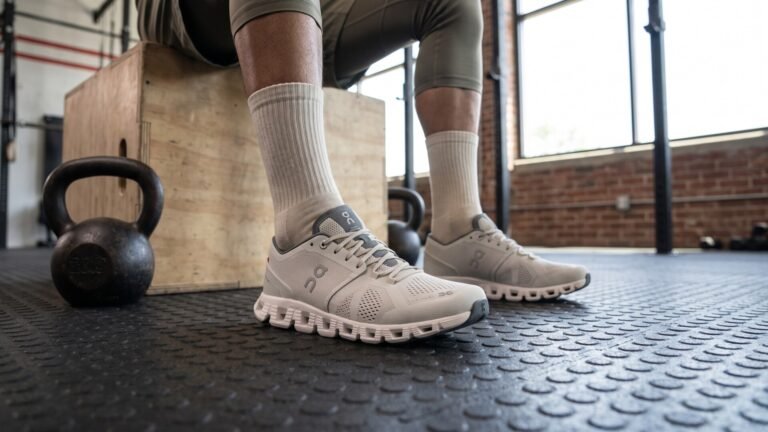
But if you stand mostly in one place – a workshop, a reception desk, a kitchen station – the shoe is less ideal. The rocker geometry that helps you walk does not help you stand. The platform is firmer than plush options like the Hoka Bondi or New Balance Fresh Foam X 1080. [Internal: See our best sneakers for standing all day guide]
And do not use the Cloudmonster for lifting, court sports, or jobs requiring strong lateral stability. The high stack and rounded sole are wrong tools for those jobs. [Internal: See our best walking sneakers guide for more options]
What Most Buyers Get Wrong About the Cloudmonster
Let us clear up the common misconceptions that lead to disappointing purchases.
Mistake: assuming maximum cushioning means maximum softness. The Cloudmonster has serious cushioning, but the signature sensation is a combination of cushioning, rocker, and rebound. It is not a plush, mattress-like feel. Buyers who want that should look at the New Balance Fresh Foam X 1080 or ASICS Gel-Nimbus instead.
Mistake: treating the shoe as a universal lifestyle sneaker. The sole and ride are excellent for forward movement, but they can feel excessive for short errands, gym work, or outfits that need a low-profile silhouette. This is a performance shoe that happens to look good, not a casual sneaker that happens to be comfortable.
Mistake: paying full price because the brand feels premium. On commands a premium price, and the Cloudmonster is a strong shoe. But sale pricing improves the value equation significantly. Compare the Cloudmonster with Hoka, New Balance, ASICS, and Brooks alternatives before committing. You might find a shoe that fits better and costs less.
Mistake: ignoring version differences. The original Cloudmonster and Cloudmonster 2 are not identical. Cushioning feel, fit, weight, and upper details differ. Verify the model name, fit notes, and return terms before ordering. Do not assume a listing for one version tells you everything about the other.
Value, Alternatives, and Whether It Still Makes Sense
The purchase decision comes down to how often you will wear the shoe and what you are comparing it against.
Cost per wear
The premium price makes sense if you run or walk in the shoe several times a week. Spread across 100-plus uses, the cost per wear drops to a reasonable level. For a frequent runner or commuter, the Cloudmonster can be strong value if it remains comfortable through regular use.
For occasional wearers – someone who buys the shoe for weekend walks or the occasional run – the value is weak. You are paying a premium price for a shoe that will spend most of its time in the closet. Unless you strongly prefer the look, a less expensive daily trainer makes more sense.
Sale shoppers are usually in the best position. The comfort and design remain the same, but the price gap narrows. If you can find the Cloudmonster at a discount, the value equation improves significantly.
Do not forget secondary costs. Performance socks improve the fit and comfort. Replacement insoles may be needed if the originals wear out. And a second pair for rotation extends the life of both shoes. [Affiliate: Check out performance running socks to get the most from your Cloudmonster]
Alternatives
| Alternative | Better choice if you want | Main tradeoff |
|---|---|---|
| Hoka Clifton | A lighter, more conventional daily trainer | Less visually distinctive and may feel less substantial |
| Hoka Bondi | Maximum underfoot protection for walking and standing | Bulkier and less versatile for casual styling |
| New Balance Fresh Foam X 1080 | A softer, more traditional cushioned ride | Less pronounced rocker and less distinctive design |
| ASICS Gel-Nimbus | Plush comfort and a structured daily trainer | Heavier feel and a more performance-first appearance |
| Brooks Ghost | Reliable everyday versatility and a familiar ride | Less dramatic cushioning and less fashion appeal |
The Cloudmonster wins when its specific ride and design are the point. If you want the rocker-driven feel, the distinctive look, and the On experience, nothing on this list replicates it. If you just want a comfortable daily trainer, the alternatives may serve you better for less money.
On purchase timing: compare current prices for the Cloudmonster and Cloudmonster 2 before buying. Do not pay more for an older version unless its fit or colorway is specifically what you want. [Internal: See our On Cloudmonster vs Hoka Clifton comparison for the full breakdown]
Who Should Buy the On Cloudmonster?
Buy it if you want a cushioned road shoe that feels energetic and rolls naturally through your stride. The rocker makes daily miles feel easier, and the cushioning protects you on hard pavement.
Buy it if you walk or commute on hard surfaces and prefer a technical sneaker that also works with casual outfits. The Cloudmonster moves between contexts better than most performance trainers.
Buy it if you appreciate On’s design language and will wear the shoe often enough to justify the price. This is a shoe for people who notice their footwear and want it to make a statement.
Buy it on sale if value matters and you are not committed to owning the newest version. The original Cloudmonster at a discount is a better deal than the Cloudmonster 2 at full price for most buyers.
Who Should Skip the On Cloudmonster?
Skip it if you want a soft, flexible, low-profile shoe with strong ground feel. The Cloudmonster is none of those things.
Skip it if you have wide or high-volume feet and cannot try the shoe or return it easily. The midfoot is structured, and the upper will not stretch as much as you might hope.
Skip it if your main need is standing still for long shifts rather than walking. The rocker geometry does not help you stand, and the platform is firmer than dedicated standing shoes.
Skip it if you need one shoe for lifting, court sports, trail use, or frequent lateral movement. The Cloudmonster is built for forward motion on hard surfaces, and it is not the right tool for anything else.
Skip full-price purchase if a Hoka Clifton, New Balance Fresh Foam X 1080, or Brooks Ghost offers the fit and ride you prefer for less. [Affiliate: Compare prices on the Hoka Clifton and New Balance Fresh Foam X 1080]
Final Verdict: Is the On Cloudmonster Worth It?
The On Cloudmonster is worth buying for the right user. If you are a regular road runner, an urban walker, or a commuter who wants distinctive styling and a rolling, cushioned ride, this shoe delivers. The combination of rocker geometry, cushioning, recognizable design, and everyday versatility gives it a clear identity. It is not another generic trainer.
The main limitation is that it is not the universal comfort shoe its appearance and price may suggest. Wide feet, stationary standing, and buyers expecting soft cushioning should look elsewhere. The Cloudmonster has a specific personality, and that personality does not suit everyone.
It earns the recommendation because it commits to its design. The rocker is pronounced. The cushioning is firm and energetic rather than soft. The look is unmistakably On. You are not getting a watered-down version of a trend; you are getting a shoe that knows what it wants to be.
The final buying advice is simple: purchase the correct version, confirm the fit through a retailer with straightforward returns, and favor a sale price unless the latest model solves a specific problem you have. [Affiliate: Check the current price of the On Cloudmonster]
Frequently Asked Questions About On Cloudmonster
Is the On Cloudmonster good for walking?
Yes, for long walks on hard surfaces. The rocker and cushioning work together to keep you moving efficiently, and the shoe absorbs the impact of pavement well. Some walkers may prefer a softer or less structured shoe, but the Cloudmonster is a strong walking performer.
Is the On Cloudmonster good for standing all day?
It depends on what kind of standing. For active jobs with frequent walking, the Cloudmonster works well. For shifts spent mostly stationary in one spot, the rocker geometry and firmer platform are less ideal. A flatter, softer shoe like the Hoka Bondi may serve you better.
Does the On Cloudmonster run true to size?
Generally yes. Most buyers should start with their usual running-shoe size. Foot width, toe room, and version differences all matter, so use a retailer with a reliable return policy and confirm the exact model before ordering.
Is the On Cloudmonster suitable for wide feet?
Average-width feet are the safer match. The toe box is reasonably accommodating, but the midfoot is structured and the upper will not stretch as much as wide-footed buyers might hope. Try the shoe on or use a retailer with easy returns.
How does the On Cloudmonster compare with the Cloudmonster 2?
The two are not interchangeable. Fit, cushioning feel, weight, upper, price, and availability all differ between versions. Compare the exact model you are considering and do not assume a review of one applies to the other.
How long does the On Cloudmonster last?
With normal rotation and care, the Cloudmonster supports regular use for a reasonable lifespan. Mileage, surface, rotation, and maintenance all affect durability. The outsole rubber and exposed midsole foam are the first areas to show wear. There is no guaranteed mileage number, so monitor the shoe and replace it when cushioning or support breaks down.
Is the On Cloudmonster worth the price?
It depends on how often you wear it. For frequent running or walking, the cost per wear drops to a reasonable level. For occasional casual use, the premium price is hard to justify. The shoe is better value on sale than at full retail, so compare prices before committing.