On Cloud 5 Review
The On Cloud 5 is everywhere, and that popularity has convinced a lot of people it is the perfect all-day walking shoe. The marketing shows clouds. The name says clouds. Your coworker swears by theirs. So you assume it is soft, plush, and ready for ten miles of sightseeing.
It is not.
The Cloud 5 is a lightweight, stylish, and genuinely comfortable everyday sneaker. It is also firmer than most buyers expect, with a ride that is more structured and responsive than it is soft. For commuting, errands, travel, and moderate walking, it is a strong choice. For long-distance walking, wide feet, or standing on concrete for eight hours, it is often the wrong one.
Here is the quick verdict: buy the Cloud 5 for its clean look and easy daily wear. Look elsewhere if your main problem is sustained comfort under heavy use.
At a Glance: On Cloud 5 Review
Let us start with the bottom line, because the details matter less than the fit between this shoe and your actual life.
| Category | Verdict |
|---|---|
| Best for | Casual daily wear, commuting, travel, and light walking |
| Comfort | Light and responsive, but firmer than many buyers expect |
| Fit | Generally true to size, with a snugger feel for some foot shapes |
| Walking | Good for everyday walking; less convincing for very long distances |
| Style | Minimal, modern, and easy to wear with casual outfits |
| Durability | Good upper and outsole potential, but the midsole feel may change with use |
| Value | Fair if the design and fit are exactly what you want; weaker at full retail price |
| Overall verdict | A stylish everyday sneaker, not a universal walking shoe |
Quick recommendation
Buy the On Cloud 5 if: you want a lightweight sneaker with a clean technical look for commuting, errands, travel, and moderate daily walking.
Skip it if: you need a roomy toe box, maximum softness, heavy-duty standing comfort, or a running shoe for regular training.
Editor’s choice: On Cloud 5 for style-conscious everyday wear; Hoka Clifton 9 for buyers prioritizing softer long-walking comfort.
What the On Cloud 5 Is Actually Designed to Do
Here is the thing most people miss. The Cloud 5 is not a dedicated performance running shoe, and it is not trying to be the softest walking shoe on the market. It is an everyday lifestyle sneaker with performance DNA. That positioning explains everything about how it feels.
On built its name on CloudTec cushioning – those hollow pods you see on the sole. The idea is that the pods compress on impact and then firm up to give you a springy push-off. Combined with a stiff Speedboard-style plate underfoot, the result is a ride that feels light, agile, and responsive rather than deeply cushioned.
That is a deliberate choice. Some people love it. They want to feel the ground, they want a shoe that snaps back, and they find overly soft foam mushy and unstable. Others step into the Cloud 5 expecting a cloud and get something closer to a firm running flat with a fancy sole. Neither reaction is wrong. It is a preference thing, and the marketing does a poor job of telling you which side you are on before you buy.
The buyer psychology here is worth naming too. The Cloud 5 sells because it looks like performance without looking like a traditional running shoe. It has that sleek, technical, almost futuristic silhouette that reads as "I take my comfort seriously" while still pairing with jeans. It is the sneaker equivalent of a nice mechanical watch – you are not buying it purely for function, you are buying the way it signals taste.
Where it fits in the On lineup
On’s lineup can get confusing fast, so here is the short version.
The standard Cloud 5 is the lifestyle entry point. It is breathable, relatively light, and styled to work with casual outfits. [Internal: See our On Running brand hub] for the full family breakdown.
The On Cloud 5 Waterproof swaps breathability for weather protection. It uses a waterproof membrane that keeps rain out but traps more heat, making it a worse choice for warm days or high-output walking.
The On Cloudswift sits a step up in terms of daily performance. It has a more substantial midsole and a slightly softer feel, making it a better option if you want the On aesthetic with a bit more underfoot comfort for longer walks.
And then there are the running-specific models, which are built for actual training mileage. The Cloud 5 can handle a light jog, but it is not the tool for regular running. More on that later.
For most buyers, the decision between the standard Cloud 5 and the Cloudswift comes down to how much walking you actually do. Light to moderate daily mileage, errands, commuting? The Cloud 5 is enough. Regular long walks or a more active routine? The Cloudswift earns its higher price.
Design, Style, and Everyday Wear
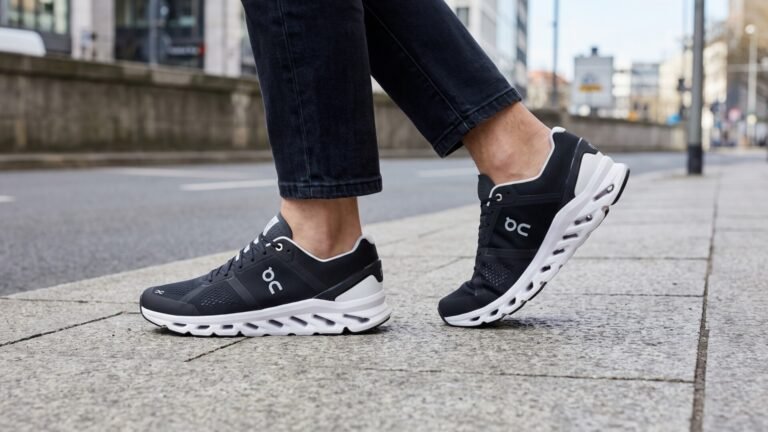
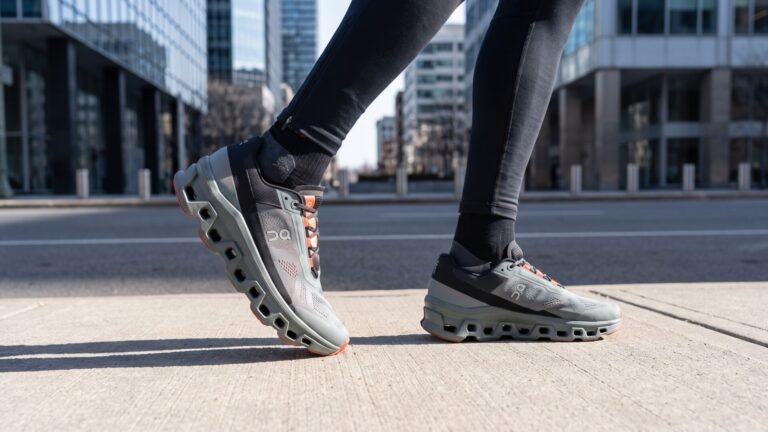
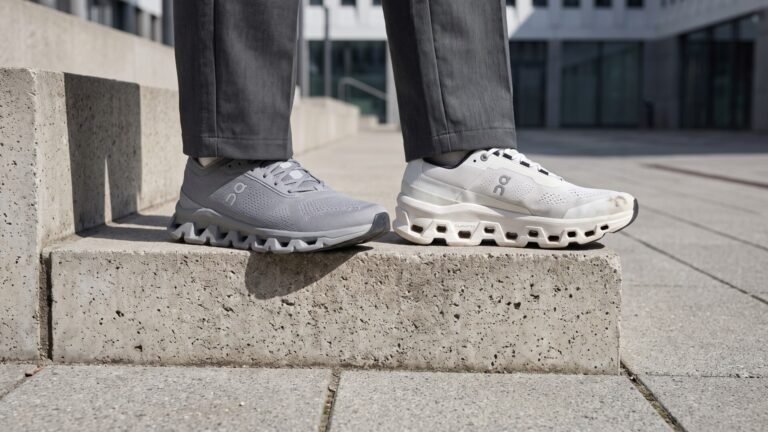
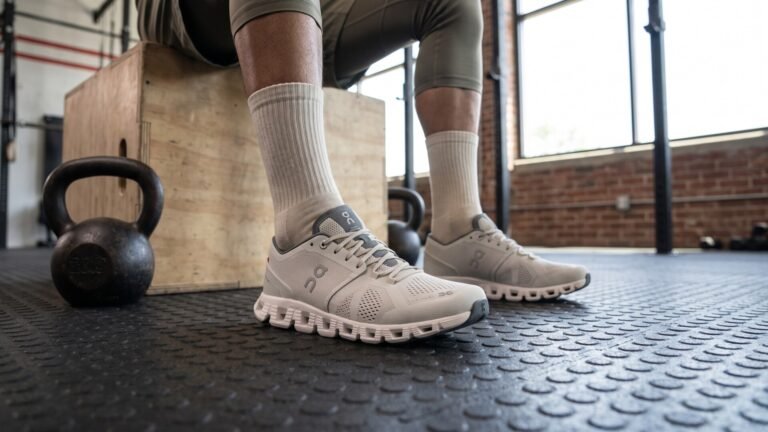
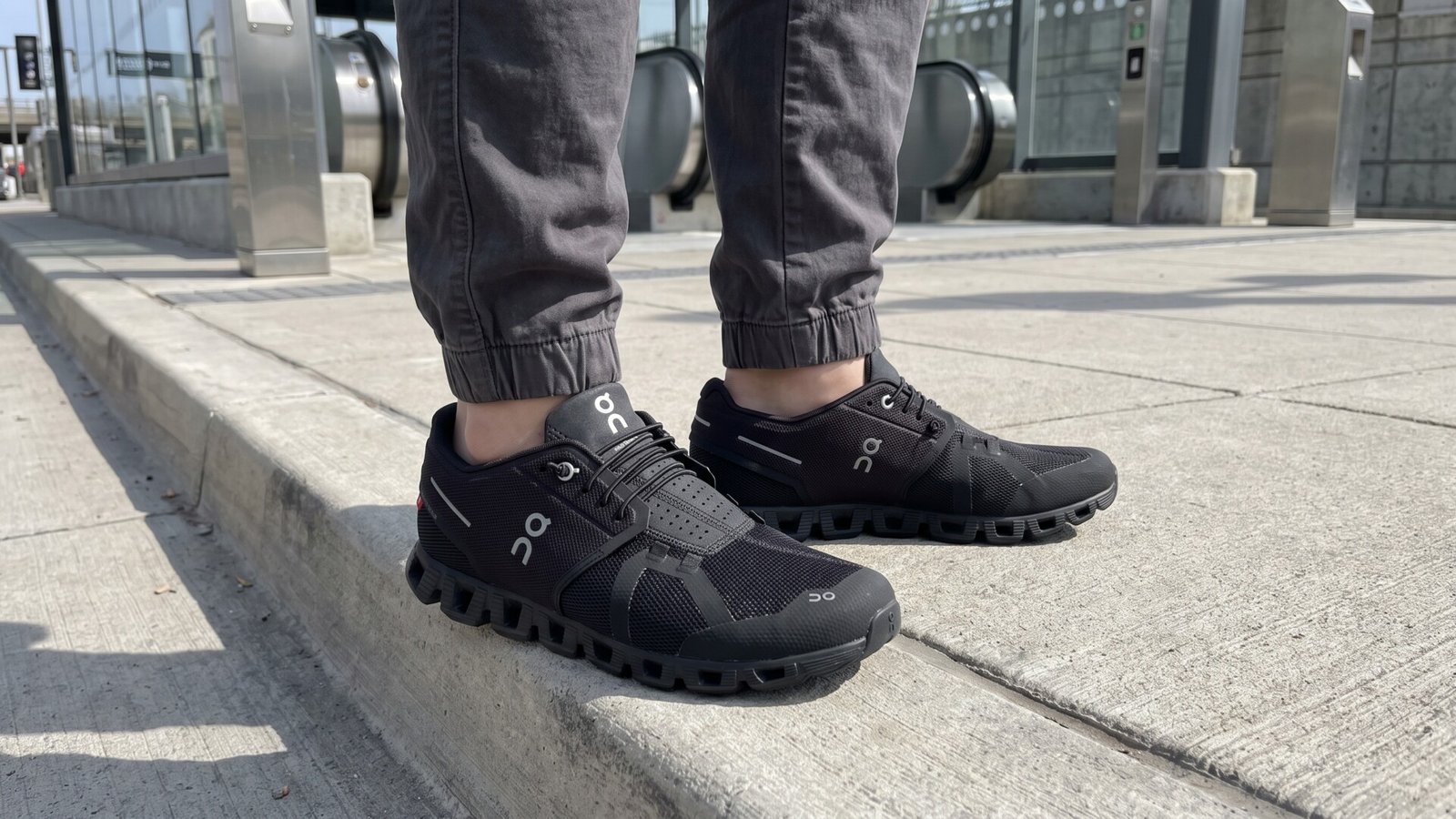
The Cloud 5 looks the way it does for a reason, and that reason is not just performance. The streamlined upper, the layered mesh panels, the visible On branding, and those hollow sole pods all combine into a silhouette that is immediately recognizable from across the street.
That recognizability is part of the appeal. On has done something clever with branding – the shoes are identifiable without being loud. There is no giant swoosh or three-stripe logo screaming for attention. The design itself is the logo. That gives it a more understated, premium feel than most athletic sneakers.
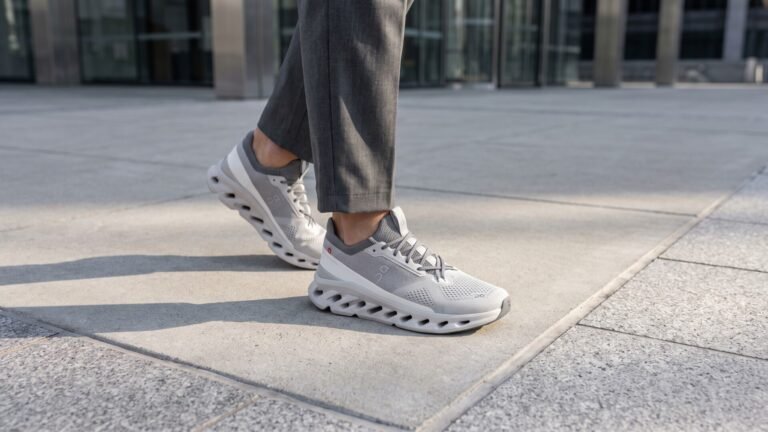
From a styling perspective, the Cloud 5 is genuinely versatile. It works with joggers, jeans, chinos, and technical trousers. It is a solid airport shoe because it looks intentional with a travel outfit. It reads as sporty but not sloppy, which is a harder balance to hit than it sounds.
The limits are real though. The athletic shape looks out of place with formal clothing, and it can feel visually busy next to vintage-inspired or heritage pieces. If your wardrobe leans toward selvedge denim and workwear boots, this shoe will look like it wandered in from another outfit.
Color choice matters more than most buyers think. Neutral versions – black, white, grey, bone – are wardrobe staples that will still look current in three years. Louder colorways and seasonal exclusives are trend-dependent. Buy the loud color because you love it, not because you think it will age well. It will not.
What most buyers get wrong about the style
Here is the honest truth: the Cloud 5 looks more versatile online than it is in person. The product shots make it look like a minimal leather sneaker with a technical sole. In reality, the sole is visually distinctive and fairly thick. It has presence. That is great if you want a shoe that makes a statement. It is a problem if you wanted something that disappears under your outfit.
The other styling trap is the double-On logo on the heel and tongue. It is subtle, but it is branding. If you want a completely clean, unbranded look, this is not the shoe.
For a two-year wardrobe staple, stick to neutral colorways. The all-black and all-white versions are the safest buys. They pair with everything and do not date as quickly.
How does it compare to the alternatives on style? The New Balance 2002R has a chunkier, retro-inspired look that fits streetwear and vintage-leaning outfits better. The Adidas Ultraboost Light is more overtly athletic and performance-looking. And a classic leather sneaker like the Nike Killshot 2 is the cleaner, more timeless option if you want something that works with a wider range of clothing. The Cloud 5 sits between athletic and lifestyle, which is exactly where its fans want it.
Comfort: Light, Firm, and More Specific Than the Marketing Suggests
The first step-in experience with the Cloud 5 is distinctive. The shoe is light – noticeably lighter than most cushioned sneakers. The upper wraps your foot securely, and the sole has a springy, almost bouncy quality when you walk.
It is not soft. Let us be clear about that. The CloudTec pods give a structured, responsive feel rather than a plush, sinking sensation. If you are used to the deep cushioning of a Hoka or a max-cushioned Brooks, the Cloud 5 will feel firm by comparison.
Some wearers describe the segmented sole as slightly uneven underfoot. The pods create a distinct sensation as they compress individually, which most people find either interesting or mildly distracting. It is rarely uncomfortable, but it is not the uniform, forgettable platform of a traditional foam midsole either.
Comfort also depends heavily on context. For short errands, the Cloud 5 is great. The light weight and secure fit make it easy to forget you are wearing it. After a few hours of continuous walking, the firmness becomes more noticeable. Your feet will not necessarily hurt, but you will be aware of the shoe in a way you might not be with a softer platform.
The other factor is foot shape. People with high arches often find the Cloud 5 supportive and comfortable. People with flat feet or wide forefeet may find the streamlined fit less forgiving. Your socks matter too – a thicker sock changes the fit noticeably.
Walking and standing performance
Let us separate the two use cases, because they are different questions.
For walking – commuting, shopping, airport terminals, sightseeing – the Cloud 5 is a solid performer. The light weight reduces fatigue over a day of movement. The responsive sole gives you a bit of energy return with each step. For moderate daily mileage, it is comfortable.
The shoe starts to struggle on very long walking days. On hard surfaces, with heavy mileage, the firm platform offers less impact protection than a dedicated walking shoe. If your travel itinerary involves eight hours of sightseeing on concrete, your feet will feel it by the evening.
Standing all day is a separate challenge. The Cloud 5 feels agile early in the day, but the firmer platform is not automatically ideal for long stationary shifts. When you stand in one place, you want cushioning that absorbs pressure and spreads it out. The Cloud 5’s structured ride is less effective at that than a softer, higher-volume midsole.
If your primary goal is sustained walking or standing comfort, compare the Cloud 5 with the Hoka Clifton 9 or Brooks Ghost 16 before you commit. Both are softer, more protective, and better suited to long days on your feet. They are heavier and less stylish, but they answer a different question.
Travel use
For travel, the Cloud 5 has genuine strengths. It is light, which matters when you are carrying everything on your back. It looks presentable enough for a nice dinner after a day of exploring. And it handles moderate walking well.
The limitations are worth knowing. The mesh upper offers no meaningful weather protection, so a sudden downpour means wet socks. The streamlined fit can feel snug if your feet swell during a long flight. And depending on the version you buy, the insole may not be removable, which limits your ability to swap in custom orthotics.
If you travel frequently to wet climates, the On Cloud 5 Waterproof is worth considering. Just remember that the waterproof membrane trades breathability and flexibility for protection. In warm weather, the standard version is the better choice.
Fit and Sizing: Who Will Get Along With the Cloud 5?
Start with your usual size. Most wearers find the Cloud 5 runs true to size, and the secure fit means you do not need to size down to compensate for a loose heel.
That said, fit varies by version and colorway, and On’s sizing has shifted slightly across production runs. If you are buying online without trying them on, check the current retailer sizing guidance and read recent reviews for the specific colorway you want.
The fit itself is streamlined. The shoe hugs the midfoot and heel securely, with a toe box that is adequate but not generous. For average-width feet, this creates a comfortable, locked-in feel. For broader forefeet, high-volume feet, or anyone who likes to spread their toes, the fit can feel restrictive.
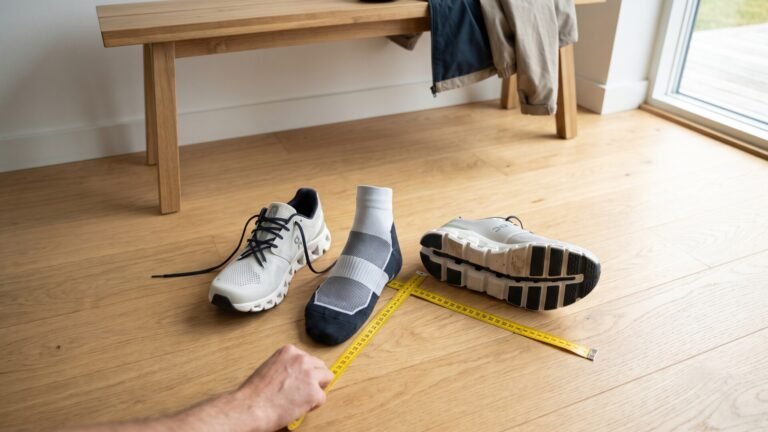
Pay attention to three things when you try them on:
- Heel security: your heel should not slip when you walk
- Instep pressure: there should be no tight band across the top of your foot
- Toe room: you should have a thumb’s width of space in front of your longest toe
There is a difference between a comfortably snug fit and a shoe that is simply too short. If your toes hit the front of the shoe when you walk, size up. If the shoe feels tight across the forefoot but you have length to spare, the Cloud 5 may not be the right shape for you.
On Cloud 5 for wide feet
Here is the direct answer: the standard Cloud 5 is not the safest blind purchase for genuinely wide feet. On does not offer the Cloud 5 in wide widths, and the streamlined shape runs narrow through the forefoot for many wearers.
Do not size up to create width. Adding length to gain width usually creates heel slippage and poor lockdown, which leads to blisters and an unstable feel. If the shoe is tight across the ball of your foot in your usual size, that is a shape problem, not a size problem.
Try the shoe with the socks you plan to wear. A thin dress sock fits differently than a thick performance sock. If you use custom insoles, bring them to the fitting.
If width is a priority, compare the Cloud 5 with the New Balance 990v6 or New Balance 1080v14. Both offer genuine wide options and more accommodating toe boxes. [Internal: See our guide to the best sneakers for wide feet] for a fuller list.
Break-in expectations
The Cloud 5 requires minimal break-in. The mesh upper adapts to your foot within a few wears, and the sole does not need to soften up to feel comfortable.
What should improve with short wear: the upper will flex more easily, and the shoe will feel less stiff overall. The initial firmness of the sole may also feel less pronounced as your feet adjust.
What should not be ignored: persistent pressure at the toes, instep, or forefoot. If the shoe feels clearly too narrow or too tight at the fitting stage, it will not become genuinely wide after break-in. The upper can stretch slightly, but it will not transform the fit.
A shoe that fits correctly should feel comfortable from the first wear. If you are hoping a painful fit will resolve itself, you are setting yourself up for a return.
Build Quality and Durability After Months of Ownership
The Cloud 5 is built to a reasonable standard for its price, but it is a lightweight shoe, and lightweight construction has tradeoffs.
The upper is a mix of engineered mesh and synthetic overlays. It breathes well, dries quickly, and holds its shape reasonably. The downside is that lightweight textiles show creasing and wear more visibly than leather or heavier synthetics. If you are hard on your shoes – dragging your feet, kicking things, wearing them in rough conditions – the upper will show it.
The outsole is where On has done good work. The rubber coverage is decent, and the pods are designed to wear evenly. Most wearers report the outsole lasting well beyond what you might expect from the shoe’s light feel.
The midsole is the bigger question mark. The CloudTec pods and the Speedboard-style plate are firm, which means they resist compression better than soft foams. But the distinctive feel does change with use. As the pods and plate break in, the ride becomes slightly less springy and more neutral. The shoe does not die dramatically – it just becomes less interesting underfoot.
What determines your long-term satisfaction is not any single component but the combination. The upper can stain, the midsole feel can flatten, and the fit can loosen slightly as the materials relax. If you wear the Cloud 5 as your only pair, every day, for everything, it will show wear faster than you expect. If you rotate it with other shoes, it will look and feel good for a long time.
Practical care is straightforward. Wipe the upper with a mild soap and water solution when it gets dirty. Do not machine wash or use aggressive heat drying – the lightweight materials do not respond well to either. Use shoe trees to maintain the shape if you care about creasing. And let the shoes fully air out between wears.
The hidden cost of choosing a lightweight sneaker
Here is the ownership question nobody puts in the marketing materials. A lightweight, comfortable everyday shoe encourages frequent wear. It becomes your default pair. And if it is your only pair, you are compressing its useful life into a shorter calendar span.
Let us do the math with an illustrative framework. A $150 pair of shoes worn three times a week for a year costs roughly $1 per wear. That sounds reasonable. But if constant use wears the shoe out in eight months instead of twelve, the cost per wear goes up. And if you are replacing it more often than you expected, the total annual cost of footwear rises.
The smarter move for many buyers is a rotation. A dedicated walking shoe for long days, a casual sneaker for everyday wear, and maybe a third pair for specific occasions. Each pair lasts longer because it is not being worn constantly, and the total cost per wear often drops.
The Cloud 5 works best as part of a rotation. It is an excellent everyday casual shoe. It is not designed to be the only shoe you own, doing every job from running to standing to hiking. If you treat it that way, you will be disappointed in both its comfort and its lifespan.
On Cloud 5 Versus the Alternatives
The Cloud 5 does not exist in a vacuum, and a few shoes are direct competitors for the same buyer. Here is how they stack up.
| Shoe | Best for | Ride | Fit tendency | Main drawback | Value verdict |
|---|---|---|---|---|---|
| On Cloud 5 | Casual everyday wear and commuting | Light and firm-responsive | Streamlined | Not the roomiest or softest | Best when style matters |
| On Cloud 5 Waterproof | Wet commutes and travel | Similar, with less breathable feel | Similar fit considerations | More heat and added cost | Worth it for weather exposure |
| Hoka Clifton 9 | Long walking and softer cushioning | Soft and protective | More generous feel for many wearers | Less minimal styling | Better comfort-first buy |
| Brooks Ghost 16 | Walking and daily training | Balanced and stable | Conventional running-shoe fit | More athletic appearance | Reliable practical alternative |
| New Balance 2002R | Lifestyle wear and streetwear | Cushioned and casual | Often easier for average-to-wide feet | Heavier and less agile | Better fashion-value alternative |
When the On Cloud 5 is the better purchase
Choose the Cloud 5 over the Hoka Clifton 9 or Brooks Ghost 16 when the shoe will be worn mainly with casual outfits and for moderate walking. If you are commuting, running errands, and meeting friends, the Cloud 5’s lighter weight and cleaner look make it the more pleasant shoe to wear.
Choose it over the New Balance 2002R when low weight and a cleaner technical silhouette matter more than plushness and retro styling. The 2002R is heavier and chunkier. The Cloud 5 disappears on your foot.
Choose the standard Cloud 5 over the Waterproof version when breathability and warm-weather use matter more than rain protection. The Waterproof model runs warmer and feels less flexible.
When the alternative is smarter
Choose the Hoka Clifton 9 for frequent long walks, travel itineraries with high daily mileage, or if you consistently prefer soft cushioning. It is the better comfort-first buy.
Choose the Brooks Ghost 16 for a more conventional all-purpose walking and running platform. It is not exciting, but it is dependable in a way the Cloud 5 is not.
Choose the New Balance 2002R for a broader streetwear wardrobe, more visible lifestyle appeal, or a softer casual sneaker feel. It is the better fashion-value alternative.
And if you have wide feet, choose a wide-foot-friendly New Balance model instead of forcing the Cloud 5 fit. Sizing up will not solve the problem.
Is the On Cloud 5 Worth It?
At full retail price, typically around $150, the Cloud 5 is a fair value if the design and fit are exactly what you want. It is not an obvious bargain based on comfort or materials alone. You are paying for the design, the branding, and the lightweight construction.
On sale, the value calculation changes materially. At $110 to $120, the Cloud 5 becomes a much more reasonable purchase. The gap between what you pay and what you get narrows considerably.
Before you buy, compare the current price with the On Cloud 5 Waterproof and newer On alternatives. If the Waterproof version is only slightly more expensive and you live in a wet climate, the extra cost is justified. If a newer On model offers a softer ride at a similar price, that is worth considering.
On resale, the Cloud 5 has brand recognition and an active lifestyle market, but ordinary used pairs should not be treated as an investment. This is not a limited collaboration. It is a mainstream shoe that On produces in volume. Used pairs sell for a fraction of retail, which is good news if you are buying and bad news if you are selling.
Two-year satisfaction comes down to role. The buyer who remains happiest is the one who treats the Cloud 5 as a specific tool: a lightweight, stylish everyday shoe for casual wear. The buyer who expects it to handle running, long-distance walking, work shifts, and bad weather equally well will be disappointed by the end of year one.
Buy this if / avoid this if
Buy the On Cloud 5 if:
- You want a lightweight, recognizable everyday sneaker
- You prefer a firm, responsive feel to a soft, sinking one
- You need a commuter, travel, or casual walking shoe
- You value a technical silhouette that works with modern casual clothing
- You can confirm the fit without forefoot pressure
Avoid the On Cloud 5 if:
- You need a wide or high-volume fit
- You stand for long shifts and want maximum cushioning
- You plan to use it as a serious running shoe
- You regularly walk long distances on hard surfaces
- You expect premium pricing to guarantee premium durability
Who Should Buy the On Cloud 5?
Three types of buyers will be genuinely happy with the Cloud 5.
First, the style-conscious commuter. You want one clean sneaker that works with office-casual clothing, handles public transport, and looks good at dinner after work. The Cloud 5 does this better than almost anything in its category.
Second, the frequent traveler. You value low weight and outfit versatility more than maximum cushioning. The Cloud 5 packs light, pairs with everything, and handles airport walking without complaint.
Third, the buyer who knows what they like. You have tried soft, plush sneakers and found them unstable or mushy. You prefer a firm, responsive platform. The Cloud 5’s ride is exactly what you want.
And fourth, the smart shopper. You are buying during a sale, and you are treating the Cloud 5 as one part of a small rotation rather than your only pair. You understand what it is and what it is not.
Who Should Choose Something Else?
The all-day walker should choose the Hoka Clifton 9 or Brooks Ghost 16. If your days involve hours of continuous walking on hard surfaces, the Cloud 5’s firm platform is not enough protection.
The buyer with wide feet should investigate New Balance width options rather than sizing up in the Cloud 5. The fit will not improve with length.
The person seeking a fashion-first retro sneaker may prefer the New Balance 2002R. It has more streetwear presence and a softer, more casual feel.
And the runner needs a purpose-built training shoe, not a lifestyle model. [Internal: See our best running shoes guide] for options that will actually hold up to training mileage.
Final Verdict: Should You Buy the On Cloud 5?
The On Cloud 5 wins for lightweight everyday style, commuting, travel, and moderate walking. It is a well-designed, recognizable sneaker that fills a specific role better than almost anything else.
Its decisive weakness is equally clear. It is too firm, too streamlined, and too limited in use for some buyers who assume its popularity makes it universally comfortable. The marketing says clouds. The reality is a structured, responsive ride that not everyone will love.
The Hoka Clifton 9 is the better overall purchase for walking-first buyers who want maximum cushioning and don’t care about the athletic look. The New Balance 2002R is the better lifestyle alternative for a softer streetwear aesthetic.
Buy the Cloud 5 if its fit is comfortable and its role is everyday casual wear. Skip it if the problem you are solving is long-distance comfort, wide-foot fit, or long-shift standing. This is a great shoe for the right buyer, and the wrong buyer is not served by pretending otherwise.
Frequently Asked Questions About On Cloud 5
Is the On Cloud 5 good for walking?
It is good for everyday walking, commuting, errands, and moderate travel mileage. The light weight and responsive ride make it comfortable for typical daily use. For maximum cushioning on long walking days, the Hoka Clifton 9 or Brooks Ghost 16 are better choices.
Is the On Cloud 5 comfortable for standing all day?
Comfort depends on your preference for firm versus soft cushioning. The Cloud 5 feels agile early in the day, but the firmer platform is not an automatic choice for prolonged standing on hard floors. If you stand for long shifts, a softer, higher-volume shoe is usually better.
Does the On Cloud 5 run true to size?
Most wearers find it runs true to size, so start with your usual size. The streamlined fit makes trying them on important, especially if you have wide or high-volume feet. Check current retailer sizing guidance before buying online.
Is the On Cloud 5 good for wide feet?
The standard fit is not the safest option for genuinely wide feet. Sizing up creates excess length rather than useful width, which can cause heel slippage. Look at New Balance models with genuine wide options instead.
Can you run in the On Cloud 5?
It can handle light, occasional running for some wearers, but it should not be treated as the best choice for regular training or higher-mileage running. It is a lifestyle shoe with performance styling, not a dedicated running shoe.
Is the On Cloud 5 worth the money?
It is worth buying when you value its lightweight design, styling, and fit, especially at a discount. At full retail price, the value is harder to justify if you are focused only on cushioning or durability.
What is the difference between the On Cloud 5 and Cloud 5 Waterproof?
The Waterproof version is aimed at wet-weather use and trades some breathability and flexibility for protection. The standard version is the better everyday option in dry or warm conditions. Choose based on your climate and how much rain you actually walk in.