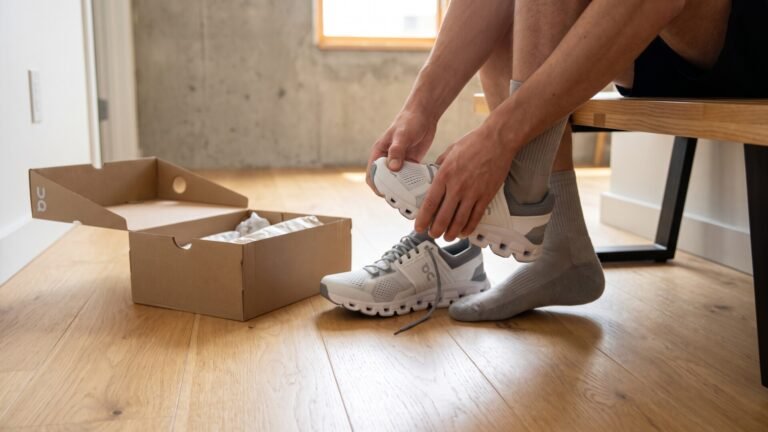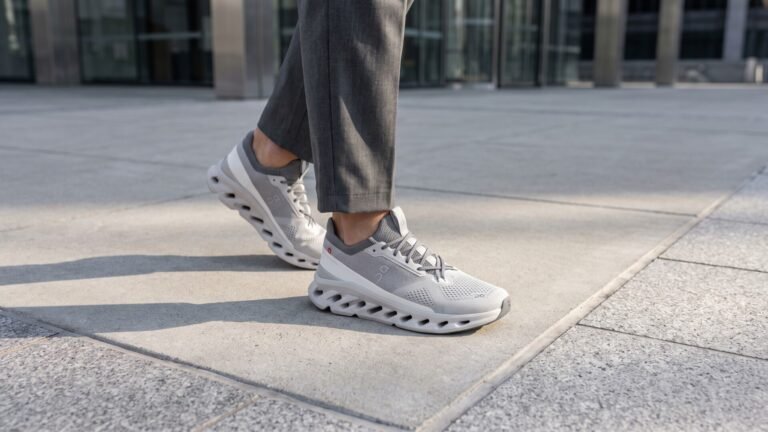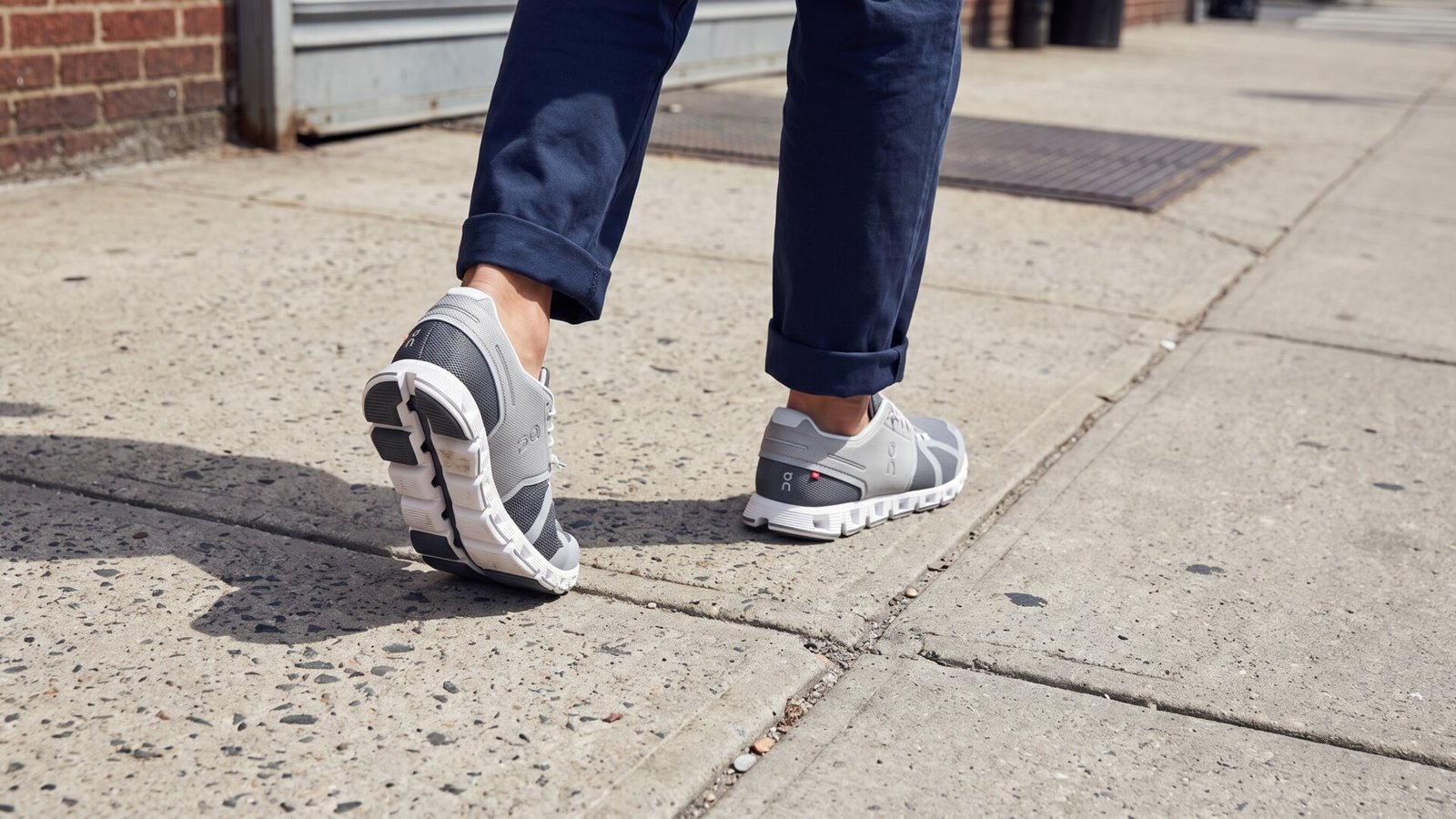
Best On Shoes For Walking
You know what most people do when they decide they want a pair of On shoes? They walk into the store, see the Cloudmonster with its giant slab of foam, assume that’s the “most comfortable” one, and walk out $180 lighter. Then they spend the next six months wondering why their feet feel more tired than they did in their old $80 trainers.
The truth is less photogenic. On’s lineup looks similar, costs similar, and feels completely different underfoot. The newest model isn’t automatically the best walker. The most cushioned one isn’t automatically the most comfortable for your feet. And the brand’s signature firm, responsive ride – which feels great when you’re moving with purpose – can feel like a lot if you wanted a soft, sink-in walking shoe.
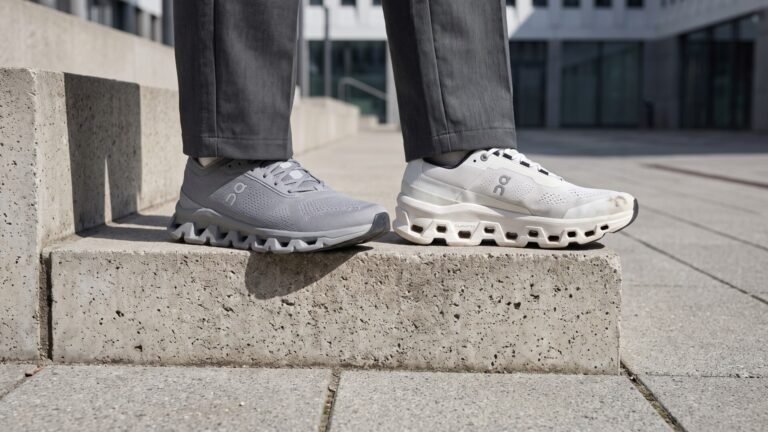
Here’s the quick version before we dig in: On Cloud 6 is the best all-rounder for daily walking and travel. On Cloudrunner 2 is the pick if you want more support and stability. On Cloudmonster 2 is for long pavement days when maximum cushioning is the priority. The rest of this guide is about figuring out which of those scenarios actually describes you.
Quick Recommendations: The Best On Shoes for Walking
| Shoe | Best for | Main strength | Main drawback | Approximate price | Verdict |
|---|---|---|---|---|---|
| On Cloud 6 | Everyday walking and travel | Lightweight comfort and easy styling | Not the softest option for long walks | Around $160 | Best overall for most walkers |
| On Cloud 5 | Sale shoppers and casual walking | Comfortable, recognizable everyday design | Older fit and cushioning platform | Around $150 | Best value when discounted |
| On Cloudrunner 2 | Supportive walking | Stable ride and structured upper | Heavier and less casual-looking | Around $160 | Best for support |
| On Cloudmonster 2 | Long walks and hard surfaces | High cushioning and impact protection | Bulky feel and higher price | Around $180 | Best for maximum cushioning |
| On Cloudsurfer 2 | Smooth, natural-feeling walking | More fluid transition than many On models | Less stable for some feet | Around $160 | Best for a smoother ride |
| On Cloudnova 2 | Walking plus casual streetwear | Fashion-forward shape and everyday versatility | Not the strongest choice for high-mileage walking | Around $160 | Best for style-led buyers |
Editor’s choice: On Cloud 6 for most people. It balances weight, comfort, styling versatility, and travel practicality better than anything else in the lineup.
Best alternative: On Cloudrunner 2 if you need a more stable, secure feel underfoot.
Best for long walks: On Cloudmonster 2 if you want maximum cushioning and don’t mind a bulkier shoe on your feet.
How We Chose the Best On Shoes for Walking
Here’s the thing about most “best On shoes” lists you’ll find: they’re just running shoe reviews with the word “walking” swapped in. That misses the point. Walking is a different movement than running. You’re not landing with the same force, you’re not looking for the same energy return, and you’re spending a lot more time just standing around in whatever you’ve got on.
We judged these shoes on walking-specific priorities. That means thinking about how they feel over short errands, extended city walking, and long periods of standing – not just how they’d perform on a tempo run. We looked at heel-to-toe transitions, forefoot flexibility, outsole traction on different surfaces, upper comfort, lockdown, and overall weight. We also factored in things that matter after the first wear: sale availability, outsole wear, ease of cleaning, and whether the shoe actually works with the clothes you own.
One honest note: these are editorial expectations based on how each shoe is constructed and what owners commonly report, not results from a lab test. We haven’t strapped sensors to anyone’s feet. But after years of watching this category, patterns emerge – and the patterns are what we’re sharing.
Decision framework
If you want the short version, use this:
- Choose Cloud 6 for light, everyday walking and travel.
- Choose Cloudrunner 2 for stability and a more secure fit.
- Choose Cloudmonster 2 for long walks on firm pavement.
- Choose Cloudsurfer 2 for a smoother, less distinctly “Cloud” walking feel.
- Choose Cloud 5 when the price is meaningfully lower than the Cloud 6.
- Choose Cloudnova 2 when style and casual versatility matter as much as walking performance.
Detailed Reviews of the Best On Walking Shoes
On Cloud 6 – Best Overall On Shoe for Walking
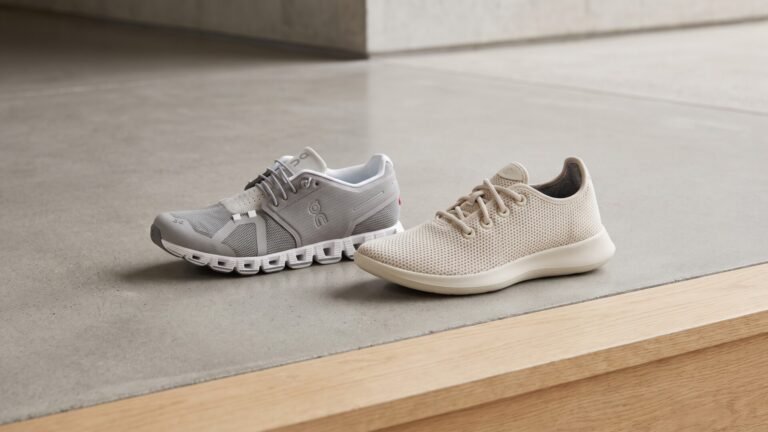
The Cloud 6 is the shoe On fans have been waiting for. It takes everything the Cloud 5 did well and refines it without messing with the formula. For walking, that makes it the most balanced option in the lineup.
Why it made the list: This is the shoe for errands, commuting, airport walking, and everyday casual wear. It’s light enough that you forget you’re wearing it, styled neutrally enough that it works with most outfits, and cushioned well enough for normal daily mileage. You’re not going to set any records in it, but you’re also not going to be thinking about your feet at hour six of a city day.
Strengths: The lightweight build is the headline. On’s whole design philosophy centers on making shoes that feel barely there, and the Cloud 6 delivers that better than most. The step-in feel is comfortable right out of the box with no real break-in period. The upper is practical – breathable, quick to dry, and easy to clean. And the cushioning, while firm by walking-shoe standards, is enough for most people’s daily routines.
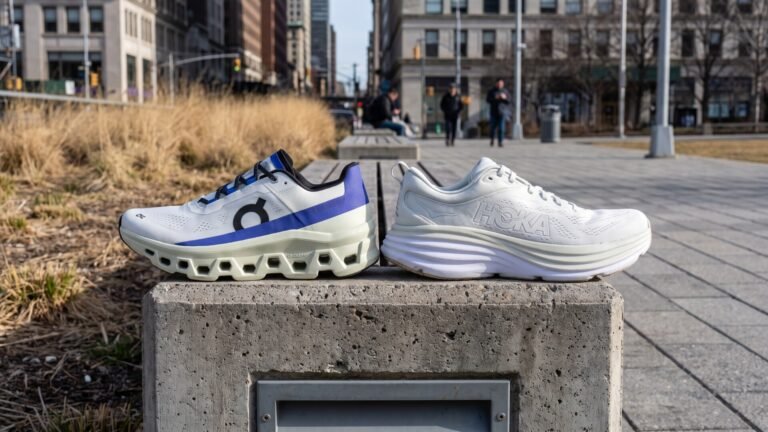
Weaknesses: If you’re coming from a plush walking shoe – something like a Hoka with a thick bed of foam – the Cloud 6 will feel firm. That’s not a flaw, but it is a difference. The sleek shape also runs visually narrow, and while the fit is generally true to size, people with broad feet need to be careful here.
Best for: Buyers who want one On shoe for walking, travel, casual outfits, and light standing. If you’re the kind of person who wants a shoe that does everything reasonably well rather than one thing spectacularly, this is it.
Value assessment: At around $160, the Cloud 6 is a solid investment if you’ll wear it several times per week. The cost per wear drops fast when a shoe becomes your default choice. It’s less compelling if you’re buying it for occasional use – say, a once-a-month city break – where a discounted older model makes more sense.
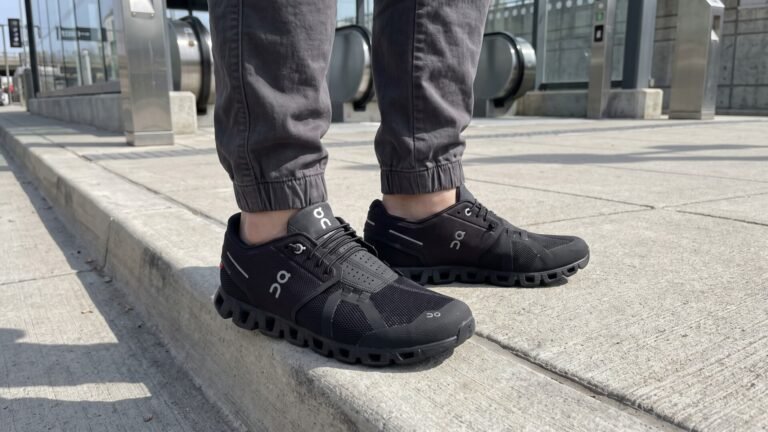
Styling guidance: This is one of On’s most versatile designs. It works with jeans, tapered trousers, travel clothing, and even casual office outfits. The clean lines and neutral colorways mean it doesn’t scream “athletic shoe” the way some chunkier models do.
One clarification: the Cloud 6 is not automatically the best choice for very long walks, very wide feet, or anyone who needs substantial motion control. For those situations, one of the other models below is a better fit.
On Cloud 5 – Best Value When Discounted
The Cloud 5 is the shoe that put On on the map for casual buyers. It’s been superseded by the Cloud 6, but that doesn’t mean it’s obsolete – it just means it’s often available for less.
Why it made the list: The Cloud 5 remains a capable casual walking shoe, and because it’s been replaced by newer versions, it’s frequently discounted. For someone who wants the On experience without paying full price, it’s worth a serious look.
Strengths: The everyday shape is comfortable and familiar. It’s lightweight, easy to slip on thanks to the speed-lacing setup, and has broad lifestyle appeal. If you see someone wearing On shoes in an airport or a coffee shop, chances are they’re in the Cloud 5 or its successor.
Weaknesses: The cushioning and fit details are older than what you’ll find in the Cloud 6. The upper doesn’t breathe quite as well, and there’s less room for high-volume feet. The bigger issue is price: when the Cloud 6 is only $10 to $20 more, paying full price for the Cloud 5 is hard to justify.
Best for: Shoppers who find a significant discount, casual walkers who don’t need the latest updates, and buyers who simply prefer the Cloud 5’s appearance. Some people genuinely like the older design better – that’s a legitimate reason to choose it.
Value assessment: The Cloud 5 is the best On bargain only when the discount is large enough to offset the newer model’s updates. If you can find it for $100 or less, it’s a genuine steal. At $130 or more, you should probably just get the Cloud 6.
The buying rule: Compare the final sale price with the Cloud 6 rather than assuming an older model is automatically better value. A $30 discount on an older shoe isn’t a deal if the newer one fits better and feels better underfoot.
On Cloudrunner 2 – Best for Supportive Walking
Not everyone wants a feather-light shoe that disappears on their foot. Some people want to feel planted, secure, and supported – especially when they’re on their feet for hours at a time. That’s the Cloudrunner 2’s job.
Why it made the list: The Cloudrunner 2 offers a more stable, structured feel than the casual Cloud models. It’s a better choice for people who want their shoe to provide a sense of security rather than just lightweight comfort.
Strengths: The stable platform is the headline. You feel grounded in this shoe in a way that the Cloud 6 doesn’t offer. The upper is more supportive, with a secure heel hold that keeps your foot locked in place. And during longer periods on hard surfaces, that structure translates into less fatigue for many wearers.
Weaknesses: It’s heavier than the Cloud 6, and it looks more like a performance shoe than a casual lifestyle sneaker. If you want something that works with a nice pair of trousers, this isn’t it. The structure can also feel like too much if you prefer a flexible, relaxed shoe.
Best for: Commuters, people who stand for long periods at work, and walkers who dislike a loose or unstable ride. If you’ve ever felt like your walking shoes were letting your foot roll around inside, the Cloudrunner 2 is the answer.
Value assessment: The extra consideration is worth it when stability reduces discomfort or fatigue. If you’re on your feet all day and the Cloud 6 leaves you feeling worn out, the Cloudrunner 2 is worth every dollar of its $160 price. If you only want a lightweight lifestyle sneaker, it’s overkill.
One important note: “supportive” in this context means the shoe provides structure and stability. It is not a medical device. If you have persistent foot pain, plantar fasciitis, or other issues, see a professional rather than relying on a shoe label to fix it.
On Cloudmonster 2 – Best for Maximum Cushioning
The Cloudmonster 2 is On’s answer to the max-cushioning trend. It’s the shoe with the most pronounced cushioned, high-stack experience in the recommended lineup – and it looks like it.
Why it made the list: For walkers who cover serious distance on hard surfaces, the Cloudmonster 2 offers impact protection that lighter models can’t match. The rocker-like transition helps keep you moving forward, and the high stack of foam absorbs the punishment of concrete and pavement.
Strengths: Impact protection is the headline. If you’re walking five or more miles a day on hard surfaces, your joints will notice the difference. The cushioning is genuinely comfortable for long-distance walking, and the shoe has a strong streetwear presence that some buyers love. It also transitions smoothly, thanks to the rocker geometry.
Weaknesses: It’s bulky. There’s no way around that. The Cloudmonster 2 is a lot of shoe, and you’ll feel that on stairs, uneven surfaces, and when you’re trying to pack it in a carry-on. It also costs more than the other models, and the ground feel is muted compared with lower-profile options.
Best for: Long pavement walks, travelers covering large distances on foot, and buyers who prefer a softer, more protected ride. If you’re the kind of walker who logs serious miles and wants your shoes to absorb as much impact as possible, this is the one.
Value assessment: At around $180, the Cloudmonster 2 is the priciest shoe on this list. That cost makes sense if you’re walking frequently and your body benefits from the extra cushioning. It’s a waste of money if you only need a casual everyday shoe for short errands.
The contrarian point: More foam does not automatically mean more walking comfort. Some walkers find a lower, lighter shoe easier for errands and changing surfaces. The Cloudmonster 2 is a specialized tool, not a universal upgrade.
On Cloudsurfer 2 – Best for a Smoother Walking Feel
Here’s a model that doesn’t get enough attention from walkers. The Cloudsurfer 2 is designed to feel more fluid and less mechanically segmented than some CloudTec-based alternatives. For people who find On’s signature ride a bit too “clunky” or artificial, this is the fix.
Why it made the list: The Cloudsurfer 2’s ride is smoother and more natural than most On models. Instead of the segmented, almost spring-loaded feel of the CloudTec sole, you get a more continuous transition from heel to toe.
Strengths: Smooth transitions are the headline. The shoe rolls forward in a way that feels natural rather than mechanical. The cushioning is responsive without being mushy. And it’s a less bulky option for buyers who want performance-oriented comfort without the visual weight of the Cloudmonster.
Weaknesses: Some foot shapes may find it less stable than the Cloudrunner 2. The running-focused appearance is also less versatile for dressier casual outfits – this looks like a performance shoe, not a lifestyle sneaker.
Best for: Active walkers, travelers who alternate walking with light jogging, and people who dislike a stiff or overly structured shoe. If you’ve tried other On models and found the ride too segmented, the Cloudsurfer 2 is worth a shot.
Value assessment: At around $160, the Cloudsurfer 2 is most worthwhile when you’ll use it for multiple activities. A shoe that handles both walking and light running has a lower effective cost per wear than one that only works for a single activity – even if the upfront price is identical.
On Cloudnova 2 – Best Style-Led Walking Option
Sometimes you want On comfort without looking like you just came from a 10K. The Cloudnova 2 is the shoe for that buyer.
Why it made the list: The Cloudnova 2 offers a more fashion-oriented silhouette for readers who want On’s comfort credentials without the traditional running-shoe look. It bridges the gap between athletic performance and streetwear style.
Strengths: Streetwear compatibility is the headline. This shoe looks right with joggers, cropped trousers, and casual outfits in a way that the Cloudrunner 2 doesn’t. The platform is visually substantial, giving it a modern, fashion-forward presence.
Weaknesses: It’s less efficient for high-mileage walking than the more purpose-built models. The cushioning is adequate for city wear and short walks, but it’s not designed for all-day pavement pounding. It can also run warmer and heavier than the Cloud 6 for travel use.
Best for: City wear, short walks, casual outfits, and buyers who prioritize appearance. If you want a shoe that looks good with your clothes and happens to be comfortable, this is the pick.
Value assessment: The Cloudnova 2 is a good buy only if it will serve as both a walking sneaker and a general lifestyle shoe. At around $160, it’s not cheap – but style versatility is part of the value. A shoe you wear with more outfits delivers a better cost per wear than a technically superior pair that stays in the closet because it doesn’t match anything you own.
Which On Shoe Is Best for Your Walking Situation?
Forget the spec sheets for a minute. Here’s how the models stack up for the situations that actually come up in daily life.
Best On shoes for travel
Travel is where On shoes shine. They’re light, they pack well, and they don’t look out of place from the airport to a nice dinner.
The Cloud 6 is our top recommendation for travel. It handles airport walking, sightseeing, and long layovers without weighing you down. The neutral colorways transition easily from day to evening, and the speed-lacing system means no fiddling with laces in security lines.
The Cloudrunner 2 is the pick for travelers who expect long days on hard pavements and prefer more structure. Museum marathons and walking tours are its natural habitat.
The Cloudmonster 2 works for high-mileage city trips if you accept the extra bulk. It’s a lot of shoe to pack, but if you’re planning 10-mile days exploring a city, the cushioning pays off.
Practical concerns matter here: easy lacing, neutral colors, cleanability, and packability. The Cloud 6 wins on all four counts.
Best On shoes for standing all day
Standing is a different challenge than walking. When you’re stationary, your feet bear constant pressure without the natural movement that walking provides. That changes what you need from a shoe.
The Cloudrunner 2 comes first for standing. Its stable, secure feel keeps your foot from shifting around, and the structured upper provides support that reduces fatigue during long periods on your feet.
The Cloud 6 is the lighter option for standing duties. If you dislike heavy footwear and your standing isn’t constant – say, a mix of sitting and standing throughout the day – it’s plenty.
Here’s the important insight: a soft-looking sole does not guarantee comfort after several hours of standing. In fact, overly soft cushioning can increase fatigue because your foot has to work harder to maintain stability. This is why the Cloudrunner 2’s firmer, more stable platform often outperforms softer shoes for all-day standing.
If you’re buying for standing, try shoes on late in the day when your feet are at their largest. Check toe room, heel hold, and pressure across the forefoot. A shoe that feels fine at 10 a.m. can feel tight by 6 p.m.
Best On shoes for wide feet
Let’s be direct: On shoes have a sleek, close-fitting shape. The brand’s aesthetic leans toward a performance-oriented fit that hugs the foot. For buyers with wide feet, this is the central buying risk.
Not every On model fits the same, so check the specific model’s available width options and current fit guidance. Some newer models offer a bit more room in the toe box than older ones.
The Cloudrunner 2 is the best starting point for wide-footed buyers because its structured upper provides more room through the midfoot and a secure heel hold. But structure can also feel restrictive if the forefoot is too narrow – so try before you buy.
Here’s the fit rule that matters: do not size up simply to gain width. Extra length doesn’t solve forefoot width problems – it just creates heel slip and a sloppy feel. Look for a genuinely wider version or a different model instead.
Best On shoes for long walks on pavement
Long walks on hard surfaces demand cushioning and impact protection. The question is how much you want.
The Cloudmonster 2 is the pick for buyers who prefer substantial cushioning. The high stack absorbs the punishment of concrete and asphalt, and the rocker transition keeps you moving forward efficiently.
The Cloudsurfer 2 is the alternative for a smoother, more responsive feel. It’s less cushioned than the Cloudmonster but transitions more naturally, which some walkers prefer.
The Cloud 6 is the lighter choice for walkers who value agility and don’t want a high-stack shoe. If your long walks are more about covering ground at a brisk pace than about maximum impact protection, the lighter shoe serves you better.
One distinction worth making: “long walk” and “fast walk” are different activities. The best option changes when pace and ground feel matter more than impact protection. A fast 5-mile walk might favor the Cloudsurfer 2 or Cloud 6, while a slow 8-mile stroll on concrete favors the Cloudmonster 2.
Fit, Sizing, and Comfort: What On Shoes Feel Like After the First Hour
Product pages will tell you about foam density and sole geometry. They won’t tell you what the shoes actually feel like after the first hour of wear. Here’s what you need to know.
The general fit pattern: Many On models have a secure, performance-oriented upper. That means they can feel more fitted than a traditional casual walking sneaker. The heel hugs your foot, the midfoot is snug, and the toe box is moderate – not cramped, but not spacious either.
Sizing guidance: Most On models run true to size, but there’s meaningful model variation. Foot volume matters as much as length – a shoe that’s the right length can still feel tight if you have a high-volume foot. Check the current size chart for the specific model and consider sock thickness when choosing.
Toe-box assessment: Your toes should have room to spread without the foot sliding forward. If your toes are hitting the end of the shoe, size up. If your foot is sliding forward, the shoe is too long or the heel hold is insufficient.
Comfort types: On models feel different from each other. The Cloud 6 is about lightness. The Cloudrunner 2 is about structure. The Cloudmonster 2 is about cushioning. The Cloudsurfer 2 is about smooth transitions. None of these is objectively better – they’re different comfort profiles for different preferences.
Break-in expectations: A shoe should not require painful break-in. Some initial stiffness is normal, but pressure points, numbness, or persistent rubbing are reasons to reconsider the size or the model. If a shoe hurts in the store, it will hurt more after three miles.
The try-on checklist: Walk downstairs to test heel hold. Stand for several minutes to check pressure points. Check for heel slip with the laces properly tightened. Test the forefoot on both smooth floors and uneven ground. And do it all late in the day when your feet are at their largest.
What Most Buyers Get Wrong About On Shoes for Walking
This is where we earn our keep. Most buying mistakes come from a few recurring assumptions that don’t hold up under scrutiny.
Mistake: Assuming the most expensive On model is the most comfortable. The Cloudmonster 2 costs more than the Cloud 6, but that doesn’t make it more comfortable for everyone. Cushioning preference, stability needs, and foot shape matter more than price. A shoe that’s too soft for your gait is uncomfortable regardless of how much it costs.
Mistake: Treating “walking shoe” and “running shoe” as opposites. Running-derived models can work excellently for walking. The Cloudsurfer 2 is a running shoe that transitions beautifully to walking. But a running geometry can feel excessive for short errands – the aggressive rocker and high stack that help at pace can feel clumsy at walking speed.
Mistake: Buying based on the CloudTec appearance alone. Here’s the thing about On’s signature look: similar-looking soles can produce completely different levels of firmness, stability, flexibility, and weight. The Cloud 6 and Cloudmonster 2 both have that distinctive segmented sole, but they feel nothing alike underfoot. The visual is not the experience.
Mistake: Ignoring the outsole and walking surface. Smooth indoor floors, concrete, pavement, wet sidewalks, and uneven paths create different demands. A shoe with limited traction that feels fine on a treadmill can be treacherous on wet pavement. Consider where you’ll actually be walking before you buy.
Mistake: Buying the narrowest-looking silhouette for style, then compensating with a larger size. This is the most common fit error we see. Extra length does not solve forefoot width problems. It creates heel slip, blisters, and a shoe that feels like it’s swimming on your foot. If a shoe is too narrow in the forefoot, buy a wider version or a different model.
Value, Durability, and Which On Shoe Still Makes Sense in Three Years
A $160 shoe is an investment. Let’s talk about whether it’s a smart one.
Value by wear frequency: Frequent commuters who wear their shoes five days a week justify premium pricing quickly. A $160 shoe worn 250 times a year costs about 64 cents per wear in year one. An occasional walker who wears the same shoe twice a month is paying over $6 per wear. That’s a different value proposition entirely.
Cost per wear framework: A $160 shoe worn three times per week becomes more economical than a cheaper $80 shoe worn rarely – but only if the fit remains comfortable. A shoe that hurts your feet after six months isn’t a bargain at any price.
Likely ownership concerns: The outsole will show abrasion over time, especially if you walk on rough concrete. Light-colored uppers will show dirt. Cushioning will compress gradually – expect a noticeable change after a year of regular use. And if you depend on a very specific fit, replacing the shoe when it wears out becomes harder as models change.
Trend longevity: On’s recognizable sole and clean technical styling remain useful for modern casual wardrobes. The brand has moved from niche running gear to mainstream lifestyle footwear, and that staying power matters. But highly sculpted versions – the Cloudmonster’s chunky profile, for example – may age less gracefully than the simpler Cloud models.
The three-year decision: The Cloud 6 is the safest long-term lifestyle purchase. Its clean design and balanced performance will still look and feel right in three years. The Cloudrunner 2 is the better utility choice if support is your priority. The Cloudmonster 2 is worth it only if you’ll consistently use its cushioning – if your walking habits change, you’re left with a bulky shoe you don’t want.
Care and maintenance: Rotate pairs to extend the life of each. Clean mesh uppers gently with a soft brush and mild soap. Allow shoes to dry naturally – never in a dryer or near direct heat. Consider supportive insoles only if they fit without reducing toe room, and skip them if they make the shoe feel tight.
Final Recommendations
Let’s cut through the options and give you the verdict.
Best overall: On Cloud 6. It offers the best balance of everyday walking comfort, low weight, travel practicality, styling versatility, and reasonable cost per wear. For most people, this is the On shoe to buy.
Best for support and standing: On Cloudrunner 2. Its more stable construction is more useful than extra softness for many work and commuting situations. If you’re on your feet all day, this is the one.
Best for long pavement walks: On Cloudmonster 2. This is for buyers who want maximum cushioning and accept a heavier, more noticeable shoe. If you’re logging serious miles on concrete, the impact protection is worth it.
Best value: On Cloud 5 – but only when discounted substantially below the Cloud 6. At the right price, it’s a genuine bargain. At near-full price, it doesn’t make sense.
Best alternative for a smoother feel: On Cloudsurfer 2. Active walkers who want a more fluid ride and don’t mind a performance-oriented look will find a lot to like here.
Here’s the buying rule that matters: choose the model that matches your walking scenario and foot shape, not the model with the most dramatic sole or the highest price. The Cloudmonster 2 is the most impressive-looking shoe in the lineup. It’s also the wrong choice for someone who walks two miles a day on flat ground and wants a shoe that works with jeans.
If you’re a daily walker or frequent traveler who wants one reliable shoe, the Cloud 6 is the answer. If you’re on your feet all day and need support, get the Cloudrunner 2. And if you’re planning a big walking trip and want maximum cushioning underfoot, the Cloudmonster 2 will take care of you.
The right On shoe is out there. It’s just not necessarily the one with the biggest sole or the loudest marketing.
Frequently Asked Questions About On Shoes For Walking
Are On shoes good for walking?
Yes, On shoes work well for everyday walking – but with a caveat. The brand’s firm, responsive feel suits some walkers better than others. If you prefer a soft, sink-in walking shoe, On’s signature ride will feel firm. If you like a shoe that feels light and responsive, On is an excellent choice. The key is matching the model to your walking style and foot shape.
Which On shoe is best for walking all day?
The **On Cloudrunner 2** is the best choice for all-day walking if you value stability and support. Its structured upper and stable platform reduce fatigue during long periods on your feet. The **Cloud 6** is the lighter alternative for more casual all-day use. Your specific situation matters: standing in place favors the Cloudrunner 2, while varied movement might suit the Cloud 6 better.
Is the On Cloud 6 better for walking than the Cloud 5?
Generally, yes. The Cloud 6 has an updated fit, improved cushioning, and a more breathable upper than the Cloud 5. But the Cloud 5 is still a capable walking shoe, and when it’s discounted significantly, it can be the smarter purchase. Compare the final sale price with the Cloud 6 before deciding – a $30 difference might not justify the older model, but a $60 difference might.
Are On Cloudmonster shoes too bulky for walking?
That depends on what you need. The Cloudmonster 2’s high-cushioning platform benefits walkers who cover serious mileage on hard surfaces and want maximum impact protection. But if you’re doing shorter walks or prefer a lighter, more agile feel, the Cloud 6 or Cloudsurfer 2 serve you better. The bulk is a tradeoff, not a flaw – it’s about matching the shoe to your walking habits.
Do On shoes run narrow?
Many On models have a secure, performance-oriented fit that can feel narrower than traditional casual walking sneakers. But there’s meaningful model variation, and some newer models offer more room in the toe box. Check the specific model’s available width options and fit guidance. And remember: sizing up to gain width creates heel slip and doesn’t solve forefoot width problems.
Are On shoes worth the price for walking?
For frequent walkers, yes. A $160 shoe worn several times per week delivers a reasonable cost per wear, especially when you factor in the styling versatility that means you’ll actually wear it. For occasional walkers, a discounted Cloud 5 or a less expensive competitor may deliver better value. The price is justified by frequency of use, not by the brand name alone.
Which On shoes are best for travel?
The **Cloud 6** is the best travel shoe in the lineup. It balances weight, comfort, and styling versatility better than any other model, and it transitions easily from airport walking to sightseeing to casual dinners. The **Cloudrunner 2** is the pick for travelers who expect long days on hard pavements and want more support. The **Cloudmonster 2** works for travelers planning very high daily walking mileage but requires accepting extra bulk in your bag.