On Cloudtilt Review
Alright, let’s be real for a second. Most people land on the On Cloudtilt because it looks like a piece of athletic equipment. It’s got that sculpted sole, the technical upper, the whole performance vibe. So they assume it must be a running shoe. It’s not. Not really.
The On Cloudtilt is a premium lifestyle sneaker that’s dressed up in running clothes. And for what it actually is – a seriously comfortable, easy-wearing shoe for walking, commuting, travel, and looking good while you do it – it’s one of the best options On makes. But if you’re genuinely planning to train in these, or you’ve got wide feet, or you’re hoping for a do-everything shoe, you’re looking at the wrong model. Let’s break down who this shoe is actually for, who should walk away, and whether that price tag makes sense.
At a Glance: On Cloudtilt Verdict
| Category | Verdict |
|---|---|
| Best for | Daily walking, commuting, travel, and casual outfits |
| Comfort | Soft, supportive, and easy to wear for long periods, with fit depending heavily on foot shape |
| Running ability | Suitable for light activity, but not a dedicated running shoe |
| Fit | Generally true to size, though the forefoot may feel restrictive for wide feet |
| Style | More fashion-forward and substantial than the Cloud 5 |
| Value | Fair for buyers who will wear it frequently, less compelling as a single-purpose casual sneaker |
| Main drawback | Premium price and a fit that may not suit broad feet |
Editor’s choice: The On Cloudtilt for buyers who want one polished everyday sneaker for walking, travel, and streetwear. It’s the rare shoe that earns its place in a rotation and still looks right with a pair of decent trousers.
Look elsewhere: On Cloudmonster for maximum cushioning, On Cloud 5 for a lighter and more understated shoe, or a dedicated running model for training.
What the On Cloudtilt Is Actually For
Here’s the thing about On’s lineup: they’ve got running shoes, and they’ve got lifestyle shoes, and sometimes the line blurs. The Cloudtilt sits firmly on the lifestyle side, but it borrows enough performance design language that you’d be forgiven for thinking otherwise.
The Cloudtilt was built around everyday movement. Not intervals, not tempo runs, not marathon training. It’s for the person who walks a lot, stands around a fair bit, and wants a shoe that feels as good at hour eight as it did when they put it on that morning. The CloudTec cushioning, the engineered upper, the rocker shape – all of that works in service of comfortable daily wear, not athletic output.
That distinction matters more than most buyers realize. A shoe can look like a runner and feel nothing like one when you actually pick up the pace. The Cloudtilt’s cushioning is soft and responsive for walking, but it doesn’t have the energy return, the stability features, or the outsole design that serious running demands. Treat it as what it is: a performance-inspired sneaker for real life.
The strongest use cases are obvious once you stop thinking about running. Daily commuting where you’re on your feet between transit connections. Airport days where you’re walking miles on hard floors with a bag on your shoulder. Shopping trips, museum days, casual office environments that allow athletic footwear. Travel, generally. If your day involves a lot of moving around but not a lot of sprinting, this shoe was basically designed for you.
There’s a psychological angle here too. People buy the Cloudtilt because they want visible technical design. They want the recognizable On branding, the sculpted sole, the sense that they’re wearing something engineered rather than just something comfortable. It’s an elevated alternative to a basic walking sneaker – the difference between showing up in a pair of nondescript white trainers and showing up in something that looks considered. That’s a real part of the appeal, and it’s not a shallow one. Clothes and shoes are communication. The Cloudtilt says you care about comfort without sacrificing style.
Design, Styling, and Everyday Versatility
What the Cloudtilt looks like in person
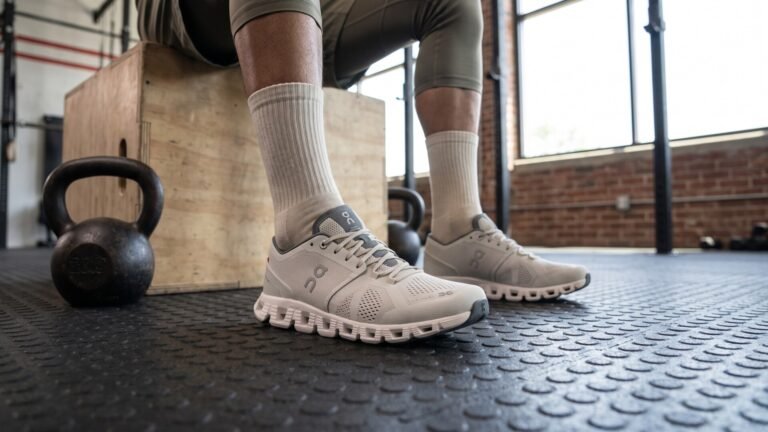
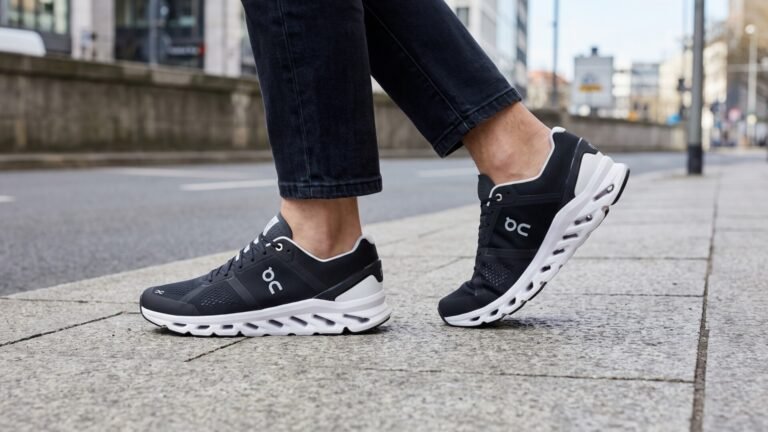
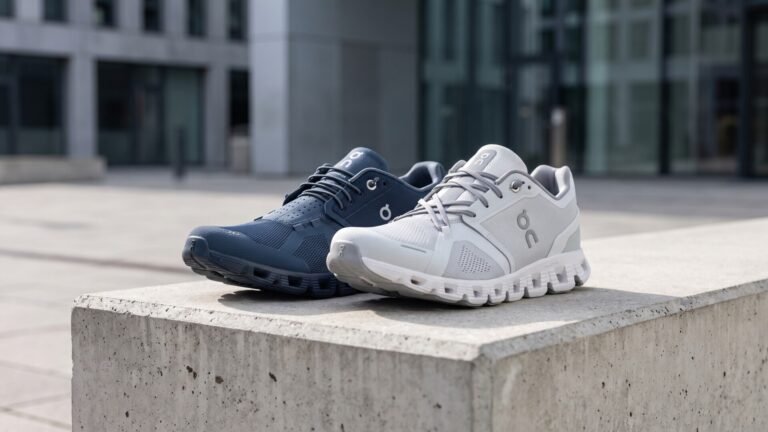
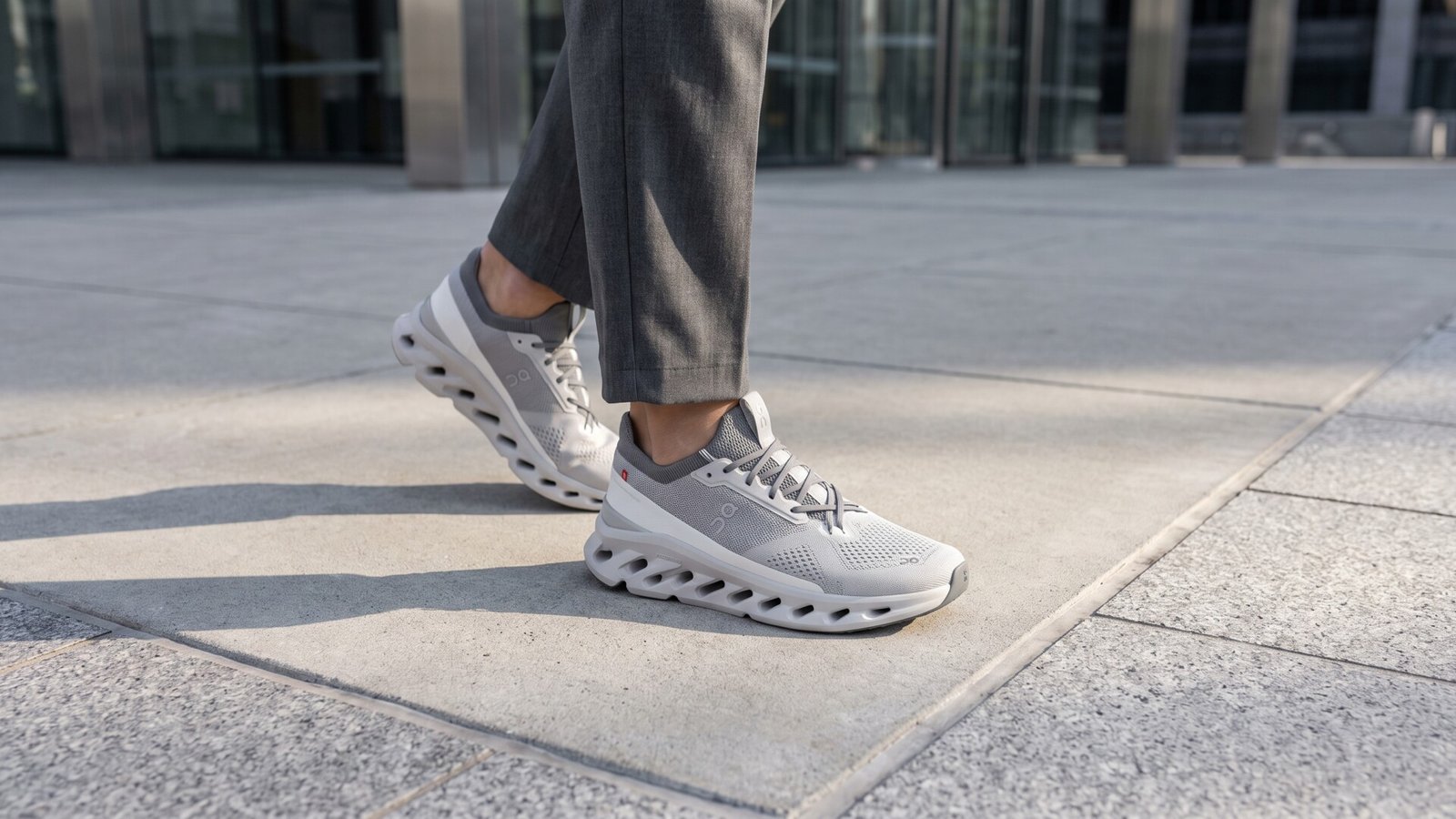
Pictures don’t quite capture how substantial the Cloudtilt feels on foot. The sole is thick and sculpted, with that signature On design language – the hollowed-out pods, the curved profile, the sense of motion even when the shoe is sitting still. The upper is layered and technical, with engineered mesh and synthetic overlays that give it a modern, almost architectural look.
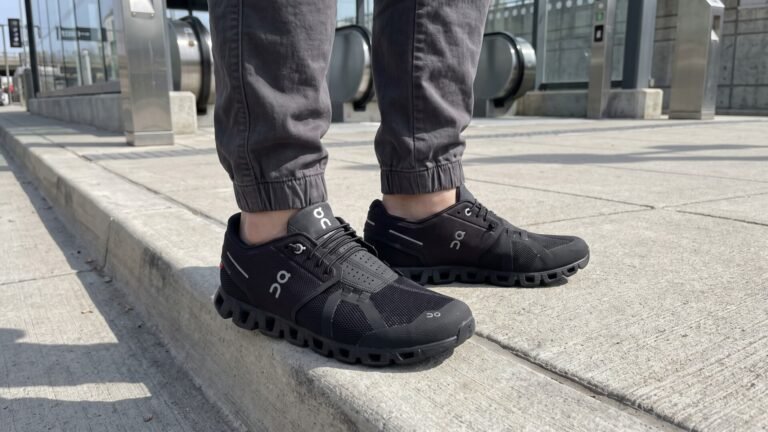
Compared to the Cloud 5, the Cloudtilt has real visual presence. The Cloud 5 is sleek and almost minimal by comparison; the Cloudtilt is chunkier, more fashion-forward, closer to the current technical sneaker trend that’s dominated street style for the past few seasons. It’s a shoe that people notice, and for buyers who want that, it delivers.
Color choice matters more here than with most sneakers. Neutral versions – black, white, grey, maybe a muted earth tone – are genuinely versatile. They work with a surprising range of outfits and won’t look dated in two years. The louder colorways, the ones with bold accents or unusual combinations, make the shoe more fashion-led. They’re fun, but they’re also harder to wear regularly. If you’re dropping this kind of money, think about what you’ll actually reach for on a Tuesday morning, not what looks best in the product photos.
How easy it is to style
This is where the Cloudtilt earns its keep. It pairs naturally with straight-leg jeans, relaxed trousers, technical pants, joggers, cargo pants, and simple travel outfits. The silhouette is athletic but not aggressive, so it doesn’t fight with your clothes the way a bulkier running shoe might.
It works less well in a few situations. Formal clothing is an obvious no – this is not a shoe for suits or even smart-casual office wear. Very slim trousers can also be tricky, since the Cloudtilt’s sole and upper have enough volume that they can look bulky against narrow pant legs. And if you’re after a minimalist, low-profile sneaker that disappears into an outfit, this isn’t it. The Cloudtilt wants to be seen.
Here’s how it stacks up against its On siblings:
- Cloudtilt: Balanced between lifestyle sneaker and technical runner. Substantial enough to feel current, wearable enough to pair with most casual outfits.
- Cloud 5: Cleaner, lighter, and more understated. The safer choice if you want a shoe that doesn’t announce itself.
- Cloudmonster: More exaggerated and performance-oriented. A statement piece that works with athletic clothing but can overwhelm a simple outfit.
Is the trend likely to last?
The technical sneaker trend has shown real staying power. It’s been building for years, and while it will eventually evolve, the Cloudtilt’s particular balance of performance cues and everyday wearability gives it a longer stylistic shelf life than an extreme fashion collaboration.
That said, the Cloudtilt will date faster than a plain white leather sneaker. The recognizable sole and strong brand identity are part of the appeal now, but they’re also what will mark this shoe as a product of its era in five years. That’s not necessarily a reason to avoid it – most shoes date eventually – but it’s worth factoring into the decision.
Practical buying rule: if long-term wear matters more than novelty, choose a neutral colorway and a silhouette that works with your existing wardrobe. The most exciting version of any sneaker is rarely the one you still want to wear two years later.
Comfort for Walking, Standing, and Travel
Cushioning and underfoot feel
The CloudTec cushioning in the Cloudtilt delivers a ride that’s responsive and structured rather than completely soft. You feel the cushioning working, but it doesn’t swallow your foot the way a max-cushion shoe might. There’s a firmness to it, a sense of support that keeps you stable on your feet.
This distinction between initial softness and all-day comfort is crucial. A shoe that feels plush for the first hour can become fatiguing by hour six if the cushioning bottoms out or lacks support. The Cloudtilt is designed for the long game. It maintains its comfort over extended wear because the cushioning is tuned to support rather than just feel nice in the store.
If you want maximum plushness – that sinking, cloud-like sensation – the Cloudmonster is the better choice. The Cloudtilt is more balanced, more versatile, and arguably better for all-day wear because it doesn’t let you sink so far that your feet have to work to keep you stable.
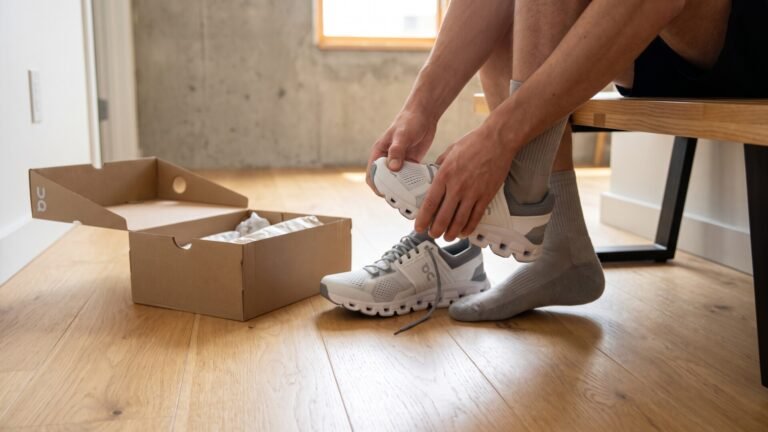
Break-in expectations are modest. The Cloudtilt doesn’t require an extended break-in period like a stiff leather boot, but the upper and fit should be assessed indoors first. Pay attention to the toe box and heel. If anything feels tight or rubs in the first hour, it’s not going to magically fix itself.
Best real-world uses
Let’s be specific about where the Cloudtilt shines:
- Daily commuting: Walking between transit connections, standing on platforms, navigating crowded sidewalks. The cushioning absorbs impact, and the shoe’s weight stays reasonable even over long days.
- Airport and travel days: Low weight matters when you’re hauling luggage, and the Cloudtilt’s cushioning helps with the miles of walking that airports demand. It also slips through security easily and looks presentable when you arrive.
- Casual office environments: If your workplace allows athletic footwear, the Cloudtilt reads as intentional rather than sloppy. It’s a step up from gym shoes without requiring you to sacrifice comfort.
- Errands and general daily wear: This is the shoe’s home turf. Grocery runs, coffee meetings, walking the dog, meeting friends – the Cloudtilt handles all of it without complaint.
Standing comfort deserves separate consideration from walking comfort. A shoe can feel great in motion but create pressure when you’re stationary for hours. The Cloudtilt’s cushioning helps with moderate standing, but it’s not a specialty work shoe. If your job involves eight-hour shifts on your feet, you need to assess how the shoe feels when you’re not moving, especially around the forefoot and heel.
Socks matter more than most people realize. A good moisture-wicking sock changes the fit and feel of any shoe, and the Cloudtilt is no exception. Foot shape also plays a role – the same shoe can feel completely different to two people with different feet. And personal preference for cushioning firmness will determine whether the Cloudtilt feels just right or slightly too firm for your taste.
Where comfort falls short
The main comfort risk with the Cloudtilt is fit, not cushioning. People with wide feet, a high-volume forefoot, or sensitivity around the toes may find the shoe restrictive. The Cloudtilt runs moderately narrow through the forefoot, and there’s no wide version available for most colorways.
A thick, technical midsole doesn’t automatically make a shoe suitable for every long-shift job. The Cloudtilt is comfortable for walking and moderate standing, but it’s not engineered for the specific demands of, say, a restaurant server or a retail worker who’s on their feet for ten hours. Those buyers need to think carefully about their actual use case before committing to this price point.
Fit, Sizing, and Foot Shape
Start with your usual On size or regular sneaker size. That’s the safest initial guess. But don’t treat it as gospel – fit can vary by version and width, and the Cloudtilt’s forefoot runs moderately narrow.
The ideal fit has your heel and midfoot secure without creating pressure, while your toes have enough room to spread naturally. If you’re between sizes, prioritize toe clearance over a snug appearance. A shoe that looks right but cramps your toes will end up in the back of your closet.
Foot-shape recommendations:
- Best for: Average or moderately narrow feet. If your feet are unremarkable in width and volume, the Cloudtilt will likely fit well in your usual size.
- Potentially difficult for: Broad forefeet. If you routinely find sneakers too tight across the toes, the Cloudtilt may not work unless the specific version offers enough room.
- Buyers between sizes: Size up rather than down. A slightly roomier fit is easier to manage than one that’s too tight, and you can always wear thicker socks.
Fit checklist before you keep the shoe:
- Walk downstairs and uphill to test heel security and toe clearance.
- Check for toe contact with the front of the shoe.
- Look for sidewall pressure across the widest part of your foot.
- Wear the socks you’ll actually use with the sneaker.
- Test indoors on a clean surface if returns are available.
If you’re unsure about On sizing generally, check our guide on [Internal: how On sneakers fit]. And if you’re between sizes or have any foot-shape concerns, buy from a retailer with a straightforward return policy. This is not a shoe you want to gamble on without a safety net.
Build Quality, Durability, and Ownership
Materials and construction
The Cloudtilt’s upper is an engineered mesh or textile with layered synthetic overlays. In ownership terms, that means breathability and low weight – both genuine advantages for daily wear. It also means the upper is more exposed to staining and abrasion than a leather sneaker would be. Scuffs show, dirt accumulates in the mesh, and the lighter colorways need more attention.
The padded collar and lacing system are well-executed. The collar holds the heel securely without digging in, and the laces stay tied without constant adjustment. These are small things that matter over months of daily use.
The midsole is the heart of the shoe, but it’s also the component you should monitor. CloudTec pods can compress and show visible wear over time, especially if you’re putting serious daily mileage on the shoe. That’s normal for any foam-based sneaker, but it’s worth knowing that the Cloudtilt’s most distinctive feature is also its most perishable one.
What may wear first
Without pretending we’ve run a lab test, here’s what owner reports and the construction suggest will go first:
- Creasing and staining on the upper: The textile material shows wear more readily than leather. Darker colorways hide this better.
- Heel lining: Repeated use creates friction here, and the lining can wear thin over time.
- Outsole wear at high-contact areas: The heel and forefoot will show wear first, especially if you walk on rough pavement.
- Loss of freshness in the midsole: After heavy daily mileage, the cushioning may feel less responsive. This is gradual, but it’s the difference between a shoe that feels great at month three and one that feels flat at month twelve.
Rotation extends useful life dramatically. A buyer who wears the Cloudtilt every single day will experience wear much sooner than someone alternating it with another pair. If you can, give the shoe a day off between wears to let the foam recover.
Cleaning is straightforward but requires care. Use a soft brush to remove loose dirt, a mild cleaner diluted in water, and minimal moisture. Air dry only – heat from a dryer or radiator can distort the materials and weaken the adhesives. Never machine wash a shoe like this.
Water and weather expectations
Here’s the honest truth: a standard Cloudtilt is not a waterproof shoe. Unless you’re buying a version specifically marketed as weatherized, treat it as a dry-weather sneaker.
In light rain, the shoe will handle a few puddles, but the mesh upper will absorb moisture. In heavy rain, wet pavement, mud, or winter salt, the Cloudtilt will struggle. The materials aren’t designed for those conditions, and repeated exposure will accelerate wear.
If you commute in poor weather, you have two options: buy a weather-specific alternative, or keep a second pair for wet days. The Cloudtilt is a great dry-weather shoe, but it’s not a four-season boot, and pretending otherwise will just shorten its life.
On Cloudtilt Versus the Alternatives
| Shoe | Best for | Comfort character | Main advantage | Main drawback |
|---|---|---|---|---|
| On Cloudtilt | Everyday walking and technical styling | Balanced cushioning and support | Most versatile lifestyle option of the three | Price and potentially narrow forefoot |
| On Cloud 5 | Light daily wear and understated outfits | Lighter, firmer, more compact feel | Easier to style and often easier to find on sale | Less substantial cushioning |
| On Cloudmonster | Maximum cushioning and bold styling | Softer, more pronounced, more energetic | Better for buyers who want a highly cushioned ride | Bulkier and less discreet |
| On Cloudrunner | Walking and light running support | More structured and stable | Better choice for buyers prioritizing support | Less lifestyle-focused |
| Nike Pegasus | Running and general athletic use | Familiar, versatile running feel | Stronger all-purpose training value | Less distinctive as a fashion sneaker |
Cloudtilt vs Cloud 5
This is the comparison most buyers are actually making. The Cloud 5 is On’s most popular lifestyle shoe, and it’s easy to see why – it’s light, clean, and understated, with a lower price point that often gets even more attractive when it goes on sale.
The Cloudtilt wins for buyers who want more cushioning, more visual presence, and a stronger streetwear look. If you’re building outfits around technical sneakers and want something that makes a statement, the Cloudtilt is the better choice.
The Cloud 5 wins for buyers who prefer a lighter, cleaner sneaker for casual use and travel. It’s easier to style with a wider range of outfits, it’s less conspicuous, and it’s often available at a significant discount. If you’re looking for a shoe that disappears into your wardrobe rather than standing out from it, the Cloud 5 is the smarter buy.
Value is where this gets interesting. The Cloud 5 at a discount is a better deal than the Cloudtilt at full price, full stop. The Cloudtilt earns its premium through comfort and styling, not through radically broader capability. Both shoes walk well, commute well, and travel well. The Cloudtilt just does it with more presence.
Cloudtilt vs Cloudmonster
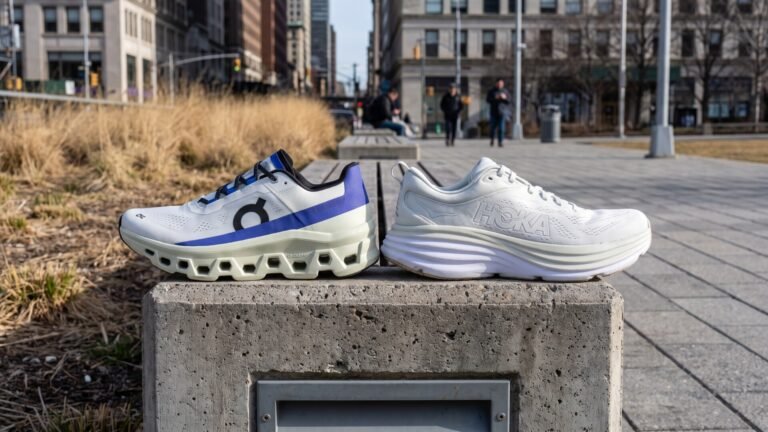
The Cloudmonster is On’s max-cushion statement piece. It’s softer, higher-stacked, and more energetic than the Cloudtilt, with a silhouette that’s more exaggerated and performance-oriented.
Buy the Cloudmonster if you prioritize soft, high-stack cushioning above all else. If you want that plush, almost bouncy ride and you don’t mind a shoe that looks like athletic equipment, the Cloudmonster delivers.
Buy the Cloudtilt if you need an easier everyday shape that works with more outfits and doesn’t feel oversized. The Cloudmonster can overwhelm a simple outfit, and its bulk makes it less versatile for travel and casual wear.
One thing worth noting: the Cloudmonster’s additional cushioning doesn’t automatically make it better for standing or for every foot type. More foam isn’t universally better. Some people find high-stack shoes unstable, and the Cloudmonster’s pronounced rocker shape takes some getting used to. The Cloudtilt is the more balanced, more wearable shoe for most people.
Cloudtilt vs a dedicated running shoe
If you run regularly, stop reading this section and go look at running shoes. The Cloudtilt is not your shoe.
Serious runners should consider models like the Nike Pegasus or one of On’s dedicated running models. Those shoes are engineered for training purpose, stability, fit, outsole use, and repeated impact. They have features – guidance systems, energy-return foams, outsole rubbers designed for road contact – that the Cloudtilt simply doesn’t need because it wasn’t built for that job.
The Cloudtilt is best viewed as an everyday movement shoe with athletic design cues. It can handle light jogging or casual activity, but regular training demands a shoe designed for the task. Buying the Cloudtilt for running because it looks like a running shoe is a category error that will cost you comfort and potentially lead to injury.
What Most Buyers Get Wrong About the Cloudtilt
The biggest misconception is that the most expensive On sneaker is automatically the most comfortable. Price doesn’t work that way. Fit and preferred cushioning feel matter far more than cost. A $200 shoe that doesn’t fit your foot is worse than a $120 shoe that does, and no amount of premium branding changes that.
Technical styling also creates an illusion of performance. The Cloudtilt looks like it could handle anything – trail runs, interval training, a triathlon, maybe. It can’t. It’s excellent for walking, and it’s the wrong tool for regular running. The visual language of performance doesn’t mean the shoe delivers performance.
There’s also a hidden cost to buying the wrong fit. If the Cloudtilt cramps your toes or puts pressure on your forefoot, you won’t wear it. Discomfort leads to lower wear frequency, which means the shoe’s real value drops even if the retail price seemed acceptable. A $200 shoe worn twice a month is a terrible investment. A $200 shoe worn four times a week is a bargain.
And finally, neutral colorways often produce a better cost-per-wear result than attention-grabbing releases. The exciting colorway gets worn on weekends. The neutral version gets worn to work, to the store, to meet friends, to travel. A pair worn three or four times a week is a stronger purchase than a more exciting pair left in the closet. Buy for the life you actually live, not the one you post about.
Value, Cost Per Wear, and Who Should Buy It
Is the price justified?
The Cloudtilt is a premium everyday sneaker, not a budget walking shoe. At its typical retail price, it’s competing with some serious footwear. The question isn’t whether it’s a good shoe – it is. The question is whether it’s a good shoe for you.
The price makes sense when:
- You’ll wear it several days per week.
- Comfort supports long commutes or frequent travel.
- You value technical styling and brand identity.
- The shoe replaces several less comfortable casual pairs.
The price doesn’t make sense when:
- You need one shoe for running, rain, and formal settings.
- You have wide feet and no reliable return option.
- A discounted Cloud 5 or a dedicated walking sneaker offers the same practical benefits.
Cost-per-wear framework
Here’s a simple way to think about value. Take the purchase price and divide it by the number of times you expect to wear the shoe in a year.
A Cloudtilt worn 150 times in a year costs roughly $1.30 per wear. That’s excellent value for a premium sneaker.
The same shoe worn 20 times because it doesn’t fit right or doesn’t work with your wardrobe costs roughly $10 per wear. That’s terrible value, regardless of how good the shoe is.
The difference isn’t the shoe. It’s the fit and the styling match. A shoe that works with your life is always a better value than a shoe that doesn’t, regardless of price.
Maintenance and replacement costs add to the real ownership picture. Cleaning supplies, rotation to extend lifespan, and weather limitations all affect how much value you actually extract from the shoe. The Cloudtilt is not a high-maintenance shoe, but it’s also not a set-and-forget purchase.
Who should buy the On Cloudtilt?
- Commuters who walk regularly and want a polished athletic sneaker.
- Travelers who need cushioning and a versatile neutral shoe.
- Casual dressers who prefer technical sneakers over leather or canvas styles.
- Buyers with average-width feet who can use a dependable return policy.
- On fans who find the Cloud 5 too minimal and the Cloudmonster too bulky.
Who should skip it?
- Runners seeking a dedicated training shoe.
- Buyers with wide feet unless the specific fit has been confirmed.
- People who need waterproof protection for wet commutes.
- Shoppers focused primarily on the lowest cost per wear.
- Anyone who wants a simple, low-profile sneaker that disappears into an outfit.
Final Verdict: Is the On Cloudtilt Worth It?
The On Cloudtilt is worth buying for everyday walking, commuting, travel, and technical streetwear if the fit is right.
It wins because it combines noticeable cushioning, a distinctive but wearable silhouette, and enough styling flexibility to earn frequent use. This is a shoe that works with your wardrobe, supports your feet through long days, and looks intentional rather than accidental. For the right buyer, it’s one of the best everyday sneakers On makes.
The main reservation is the premium price. It’s difficult to justify when you need running performance, broad sizing, weather protection, or a more minimal sneaker. The Cloudtilt is a specialist tool for a general purpose – comfortable, stylish daily wear – and it charges specialist prices.
If it’s not the right shoe for you, here’s where to look:
- Buy the On Cloud 5 for a lighter, cleaner, often more affordable option. [Internal: See our On Cloud 5 review]
- Buy the On Cloudmonster for maximum cushioning and a bolder look. [Internal: See our On Cloudmonster review]
- Buy the On Cloudrunner or Nike Pegasus for a more performance-focused athletic shoe.
The buying rule is simple: purchase the Cloudtilt in a versatile color from a retailer with easy returns, and don’t keep it if the forefoot feels cramped during the first indoor try-on. The shoe is excellent. The fit is personal. Trust your feet over the hype.
Frequently Asked Questions About On Cloudtilt
Is the On Cloudtilt good for walking?
Yes, it’s well suited to everyday walking, commuting, travel, and errands. The cushioning is supportive and comfortable for extended periods. That said, it’s not designed for demanding running or extended work shifts where individual fit and support requirements matter more.
Is the On Cloudtilt good for standing all day?
The cushioning can work for moderate standing, but the shoe isn’t automatically ideal for long shifts. Foot shape, firmness preference, and pressure around the forefoot should determine your decision. If you’re on your feet for eight-plus hours, try the shoe in your actual work conditions before committing.
Does the On Cloudtilt run true to size?
Start with your usual sneaker size, but check the exact version’s fit guidance since it can vary. Buy from a retailer with a clear return policy so you can test the fit indoors and exchange if needed.
Is the On Cloudtilt good for wide feet?
It’s more likely to suit average-width feet than very wide feet. The forefoot runs moderately narrow, and there’s limited width availability. Try the shoe indoors and avoid keeping a tight fit that depends on the upper stretching.
Can you run in the On Cloudtilt?
It can handle light jogging or casual activity, but regular runners should choose a dedicated running shoe designed for their training needs. The Cloudtilt looks athletic, but it’s built for everyday movement, not repeated impact.
How does the On Cloudtilt compare with the Cloud 5?
The Cloudtilt offers more cushioning and a stronger technical look. The Cloud 5 is lighter, simpler, and more understated. Choose based on whether you want presence or invisibility, and remember the Cloud 5 is often available at a better price.
Is the On Cloudtilt worth the price?
It’s worthwhile when worn frequently for walking and commuting. The value falls quickly if you need broader use, have fit concerns, or can get a suitable alternative at a substantial discount. At $1.30 per wear it’s a bargain. At $10 per wear it’s a mistake. The difference is how often you actually wear it.