Do On Shoes Run True to Size?
Alright, let’s get this written. The outline is solid and detailed. I’ll follow the heading structure it provides, write in the “Homeboy Casual” voice, and hit the word count target for a narrow, single-question topic (1,800-2,200 words).
Here is the article:
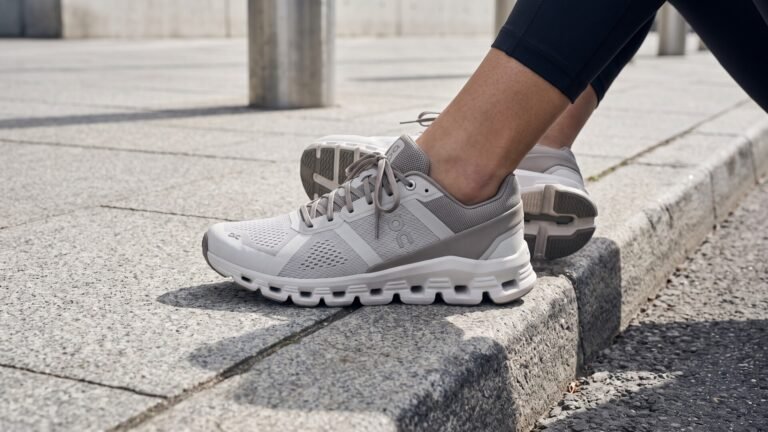
Most people overthink this. You’re staring at a pair of On Cloud 5s, you’ve read twelve reviews, and you’re still asking the same question: do On shoes run true to size? The short answer is yes, in length, most of them do. Start with your regular athletic-shoe size.
But that’s not the whole story, and you know it. If it were, you wouldn’t be here.
The real issue isn’t length. It’s that On shoes have a specific fit philosophy. They’re designed to feel secure, almost performance-tight through the midfoot. That snugness gets misinterpreted as “running small” all the time. Add in different toe-box shapes across models, and you’ve got a recipe for confusion.
If you’re between sizes, lean towards the larger half size. And always, always check the specific model’s size chart and the retailer’s return policy before you click buy.
On Shoes Sizing at a Glance
Before we get into the weeds, here’s the cheat sheet. This table is based on the general fit characteristics of On’s most popular models.
| Model | Typical Fit | Best Starting Point | Width Note | Best For |
|---|---|---|---|---|
| On Cloud 5 | True to size, slightly snug | Regular athletic-shoe size | Can feel narrow in the forefoot | Casual wear and light daily walking |
| On Cloudmonster | True to size with a roomy front | Regular size | Better for average to slightly wider feet | Cushioned walking and running |
| On Cloudswift | True to size, secure fit | Regular size | Performance-oriented upper | Road running and commuting |
| On Cloudrunner | True to size, structured fit | Regular size | Supportive but not especially wide | Walking and daily training |
| On Cloudsurfer | True to size | Regular running-shoe size | Moderate forefoot room | Everyday running |
Here are the quick recommendations:
- Most buyers: Start with the size you wear in comparable running shoes.
- Between sizes: Usually choose the larger half size, especially for running or long walks.
- Wide feet: Prioritize models with more forefoot room. Don’t assume a standard On fit will stretch significantly.
- Casual wear: Stay with your regular size unless the shoe feels cramped across the toes.
- Editor’s choice for the safest general fit: On Cloudmonster. Individual fit still depends on your foot shape, but this is the most forgiving model we’re talking about.
Do On Shoes Generally Run True to Size?
Let’s clear up the difference between length and overall fit. In terms of length, On shoes are generally consistent with other athletic brands. A size 10 in a Nike Pegasus is almost always going to be the right length in an On Cloud 5.
But “true to size” doesn’t mean every model feels identical. The fit experience across the heel, midfoot, and toe box varies. On’s design language leans into a performance aesthetic. That means a close-to-foot fit that locks you in. For someone used to a roomier lifestyle sneaker, that security can feel like the shoe is too small, even when your toes have plenty of room.
The upper material, the lacing system, the shape of the insole, and even the rocker profile all change how a shoe feels without changing the number on the box. A stiff, structured upper will make the same length shoe feel more restrictive than one with a soft, flexible mesh.
So, when you’re comparing, only compare to other running or walking shoes. Don’t use your size in a pair of leather boots or loose canvas sneakers as a reference point. It’ll just mess with your head.
Here’s your starting rule: begin with the size you wear in a Nike Pegasus, Adidas Ultraboost, or a New Balance running shoe. If it’s your first time buying On, or you’re switching between men’s and women’s sizing, measure your foot. And check if the retailer lists standard, wide, or model-specific fit info.
How Different On Models Fit
On’s lineup isn’t one-size-fits-all, pun intended. Here’s how the models you’re likely searching for actually fit.
On Cloud 5
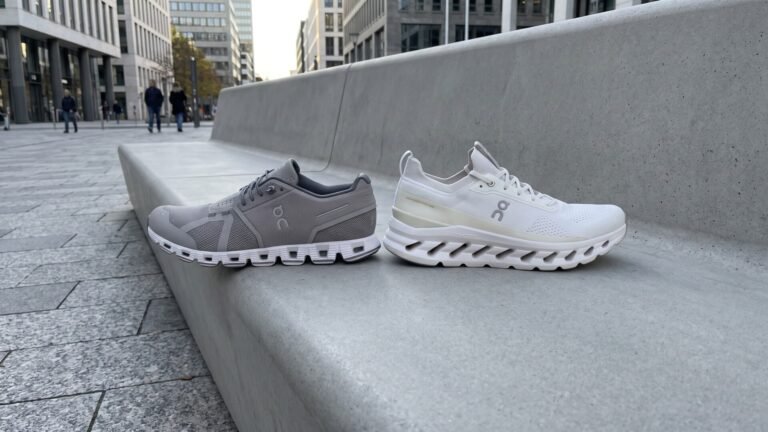
The Cloud 5 is the casual king. It usually starts true to size in length. The structured upper and snug midfoot can feel restrictive if you have wider feet. This is a shoe for commuting and everyday walking, but don’t judge the fit by standing in it for two minutes at the store. Walk around.
Only size up if your current size creates toe pressure or if you’re between sizes. Do not size up just because the shoe looks narrow. That visual slimness is often just the upper shape, not a lack of length.
On Cloudmonster
This is the one that fits most people best. It’s typically true to size with a noticeably roomier toe box than the slimmer lifestyle models like the Cloud 5. The Cloudmonster has a ton of cushioning and a taller platform, so a secure heel fit is crucial.
If you have wide feet, your first instinct might be to size up. Don’t. A larger size will likely cause heel slip. The width issue is better solved by this model’s naturally more generous forefoot. For most shoppers, this is the best On starting point if you want cushioning and a less restrictive fit.
On Cloudswift
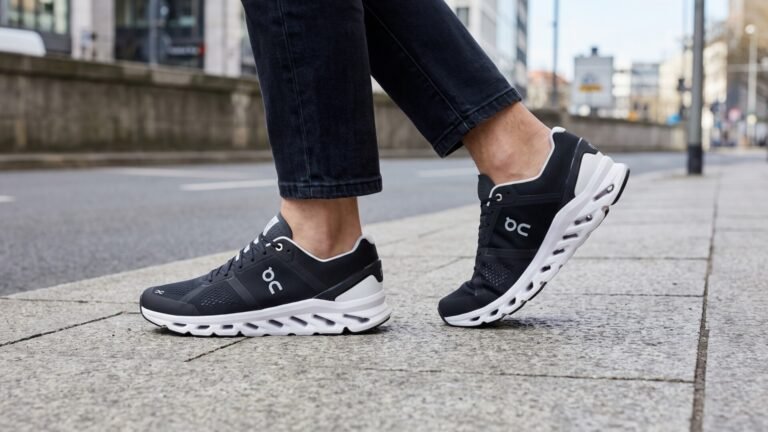
The Cloudswift is built for a secure running fit, not a relaxed casual one. It’s designed to hold your foot in place. For most runners, your regular size is the correct starting point.
A half size up makes sense if your feet swell on longer runs, you plan on wearing thicker socks, or your toes are brushing the front of the shoe. But if you need a lot of width, the shape of this model might not be for you, regardless of the size you order.
On Cloudrunner
The Cloudrunner offers structured support, which means it can feel more fitted through the midfoot. It’s usually true to size in length. A snug heel and midfoot is a good thing for walking; it provides stability. But if you feel pressure across the forefoot, that’s a fit problem, not a break-in issue.
If you want a soft, roomy feel, this isn’t it. You’d be happier in a Cloudmonster or another model with a more relaxed fit.
On Cloudsurfer
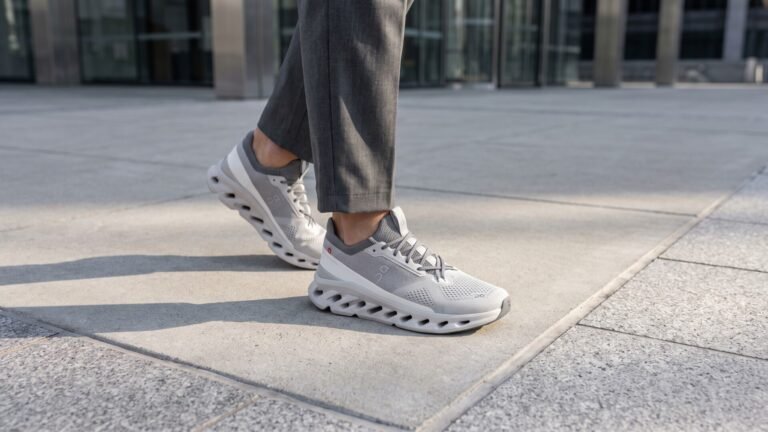
The Cloudsurfer is a return to form for On’s running line. Use your regular running-shoe size as the starting point. It strikes a nice balance between a secure performance fit and enough space for your toes to move.
One thing to note: the fit can feel different from older On models. So, just because you wore a size 10 in a pair of On Clouds from three years ago doesn’t mean the new release will fit the exact same way.
On Shoes for Wide Feet and Different Foot Shapes
Let’s get specific. How do you know if the shoe is actually too narrow? Look for these signs: pressure on your little toe, the upper raising up visibly at the widest part of your foot, numbness, or the feeling that the edge of the sole is digging in.
Sizing up is not the automatic answer. Adding length when you need width creates a new set of problems. Your heel will slip, the shoe will crease oddly, and your foot won’t sit in the right place, which can throw off your stride.
If you have wide feet, look at the roomier models, specifically the Cloudmonster. It has a much more forgiving forefoot.
Also, remember that high-volume feet, flat feet, high arches, and narrow heels all experience the same shoe differently. A shoe that feels perfect for a narrow heel might feel sloppy for someone with a wide one, even at the same length.
Here’s a practical tip: try shoes on later in the day or after a walk. Your feet swell slightly. And wear the socks you plan on using with them.
Buy wide or size up? Use this framework:
- If the length is correct but the forefoot is tight, look for a wider or roomier model.
- If your toes are hitting the front, try a half size up.
- If your heel slips after sizing up, the shoe’s shape is wrong for your foot.
- If the discomfort is one specific pressure point, don’t assume break-in will fix it.
Should You Size Up or Down in On Shoes?
Let’s give you direct answers for the most common situations.
- Size up half a size: Do this if the length is borderline, you’re a long-distance runner, your feet swell, you wear thicker socks, or your toes are near the front of the shoe.
- Stay with your regular size: Do this if the heel security is good, your toes can move freely, and the widest part of your foot isn’t under pressure.
- Size down: This is rarely the first recommendation. Only consider it if the shoe is clearly too long and the smaller size doesn’t compress your toes.
- Do not size up to solve width alone: This is the biggest mistake. You’ll trade a tight forefoot for a sloppy heel, which causes blisters and instability.
- Casual wear versus running: Casual wear can tolerate a slightly different feel. Running demands enough toe clearance and a stable heel.
Here’s a simple fitting test you can do at home:
- Stand with your full weight on both feet.
- You should have about a thumb’s width of space in front of your longest toe.
- Walk around and make sure your heel stays secure.
- Confirm the upper isn’t pressing hard across the widest part of your foot.
- Walk on a firm surface for several minutes before you decide.
On Shoes Compared With Other Brands
If you’re coming from another brand, here’s how to translate your size.
| If your usual size is in… | Starting point in On | What to watch |
|---|---|---|
| Nike running shoes | Same size first | On may feel more structured through the midfoot |
| Adidas running shoes | Same size first | Compare toe-room preference, not just length |
| New Balance running shoes | Same size first | A roomier New Balance model may make On feel narrower |
| Hoka running shoes | Same size first | Check heel hold and forefoot space |
| Casual sneakers | Use athletic-shoe measurement | Casual sizing may not translate accurately |
Brand-to-brand conversion charts are a starting point, not a guarantee. The most reliable comparison is with a similar running shoe, in the same gender category, and with a comparable fit style.
Also, remember that different On models fit differently. Your experience with one pair is helpful, but it’s not an absolute rule for every shoe they make. If you’re shopping online, prioritize a retailer with easy exchanges over trying to perfectly nail the size based on reviews alone.
What Most Buyers Get Wrong About On Shoe Sizing
Let’s correct some common misconceptions.
- Mistake: Assuming a snug upper means the shoe is too short. Midfoot compression and toe length are two separate issues. A shoe can be the right length and still feel tight across the top of your foot.
- Mistake: Buying a full size up for wide feet. This creates instability and heel slip. You need a wider shoe, not a longer one.
- Mistake: Judging fit while seated. Your feet spread under load. Always check the fit standing and walking.
- Mistake: Expecting significant stretching. Mesh and engineered uppers might soften up a bit, but a shoe that’s tight across the toes isn’t going to turn into a wide fit. It will just stay uncomfortable.
- Mistake: Ignoring socks and insoles. Thick socks or bulky replacement insoles reduce the internal volume of the shoe and can change the correct size for you.
Which On Size Choice Still Makes Sense After Months of Wear?
First try-on comfort isn’t the same as long-term happiness. Here’s the thing about owning On shoes.
Repeated wear will soften the upper, but it won’t meaningfully increase the usable width. So, if a shoe is tight on day one, it’ll be tight on day one hundred. A slightly secure fit is often better than excessive room, as long as your toes aren’t compressed. That security is what makes the shoe feel stable on long walks.
An overly large size is a bigger problem than a slightly snug one. It causes heel movement, which leads to rubbing, blisters, and uneven wear on the shoe’s internal lining. It also makes you less confident on your feet.
The hidden cost of getting it wrong isn’t just the return shipping. It’s the replacement insoles you buy trying to fix the fit, the blister bandages, and ultimately, the abandoned pair sitting in your closet that never got comfortable.
So, make your decision based on what you’re actually going to do in these shoes. Commuting all day is different from running a marathon, which is different from travel.
Here’s your buyer framework:
- Buy your regular size if the shoe is secure and your toes have room.
- Buy a half size up if the length is borderline or your feet swell during use.
- Choose another model if the width is wrong, even when the length is correct.
- Avoid the purchase if the retailer has poor exchange terms and you’re unsure about the fit.
Who Should Buy Which On Model?
Let’s make this easy.
Choose On Cloud 5 if:
- You want a streamlined casual sneaker for commuting and daily wear.
- You have average or narrow-to-average feet.
- You prefer a secure, close fit over a wide toe box.
- You can try the shoe on or buy from a retailer with easy exchanges.
Choose On Cloudmonster if:
- Cushioning and walking comfort matter more than a minimal profile.
- You want more forefoot room without immediately sizing up.
- You’ll use them for travel, long walks, or everyday mileage.
- You want the most forgiving starting point of all the models we’ve compared.
Choose On Cloudrunner or Cloudswift if:
- You prefer a structured, performance-oriented fit.
- Heel security is critical for running or fast walking.
- You’re comfortable going a half size up if your toes need more space.
- Your foot isn’t substantially wide through the forefoot.
Final Verdict: Do On Shoes Run True to Size?
Here’s the bottom line. Most On shoes run true to size in length. Your regular athletic-shoe size is the best starting point for most of you.
But don’t mistake that for a guarantee of a roomy fit. On models vary in forefoot space, midfoot security, and heel shape. For the safest general recommendation, stay with your regular size if your toes have room and your heel is secure. Choose a half size up when your toes are close to the front, your feet swell, or you plan on thicker socks. And if the shoe is tight across the forefoot but the length is right, choose a roomier model instead of sizing up.
For the broadest everyday fit, the winner is the On Cloudmonster. If you want a slimmer casual profile and don’t need much width, the On Cloud 5 is your pick.
Frequently Asked Questions About Do On Shoes Size?
Do On shoes run small?
Most On shoes are not consistently short in length. However, some models feel snug through the midfoot or forefoot because of their performance-oriented design. That’s a narrow fit, not a lack of length.
Should I size up in On Cloud shoes?
Most shoppers should begin with their usual athletic-shoe size. A half size up can make sense for more toe clearance, foot swelling, or thicker socks. But it shouldn’t be an automatic fix for a shoe that feels too narrow.
Are On shoes good for wide feet?
Some models are more forgiving than others, but standard On shoes may not suit substantially wide feet. Focus on the forefoot shape of the specific model and check whether a wider option is available for it.
Do On shoes stretch after wearing?
The upper may soften slightly with wear, but don’t expect a cramped toe box to become genuinely roomy through break-in. If it’s tight on the widest part of your foot, it will likely stay tight.
Are On Cloud 5 and Cloudmonster the same size?
The same nominal size is a reasonable starting point for both. But they can feel different due to their upper shape, cushioning, and forefoot volume. The Cloudmonster generally has more room up front.
How much room should be in front of my toes in On shoes?
You want enough space for natural toe movement without allowing your foot to slide forward. Check the fit standing and walking, not just while seated.
Can I use my Nike or Adidas size in On shoes?
The same size is a sensible starting point. But compare the fit of the specific models rather than relying on brand conversion alone. Different foot shapes can change the result. The one thing to carry with you: On shoes fit true to length, but their secure fit can fool you. Give your toes room, keep your heel locked, and don’t trade width for length. Do that, and you’ll get the size right the first time.