Adidas Samba vs Cheaper Alternatives: Are They Worth It?
The Samba Craze — And the Price Problem
Walk into any coffee shop, creative office, or city park in 2026, and you will see them. The Adidas Samba has completed a transformation from niche football shoe to global lifestyle essential. Originally released in 1949 as a indoor soccer trainer, the Samba spent decades as a subculture favorite—beloved by terrace culture fans, indie rock musicians, and art school students. Then something shifted. Around 2022, the Samba began its climb toward mainstream ubiquity. By 2026, it has become one of the most recognizable silhouettes on the planet.
The numbers tell the story. Search interest in “Adidas Samba” has sustained levels that rival the Nike Dunk at its peak. TikTok hashtags run into the billions. Every fashion influencer seems to own at least one pair—usually in the classic white with black stripes and gum sole. The “terrace trend” (drawing from 1980s British football casual style) has merged with a broader minimalist movement that rejects chunky, bulky sneakers in favor of slim, low-profile designs.
Here is the problem that every potential buyer faces in 2026: the Samba is increasingly difficult to find at retail price. While Adidas has ramped up production, popular colorways still sell out within hours. The classic black-and-white gum sole version frequently appears on resale platforms for $150-$200—well above the $100-$130 retail price. Limited collaborations and special editions command even higher premiums. Even standard colorways can be out of stock in common sizes for weeks at a time.
This scarcity forces a difficult question onto shoppers. Are Sambas actually worth the effort—and the markup? Or are cheaper alternatives from Adidas’s own lineup, or from competing brands, just as good for a fraction of the price?
The answer is more nuanced than you might expect. The Samba offers a specific combination of heritage, silhouette, and styling versatility that alternatives cannot perfectly replicate. But for many buyers—particularly those who prioritize comfort, value, or availability—alternatives make significantly more sense. This guide breaks down exactly what makes the Samba special, where it falls short, and which alternative shoes you should buy instead. By the end, you will know whether paying the Samba premium is justified for your specific needs.
Why Sambas Became So Popular
Understanding the Samba’s rise requires looking beyond the shoe itself. The Samba succeeded because it arrived at the perfect moment in fashion cycles and offered something that bulky sneakers could not.
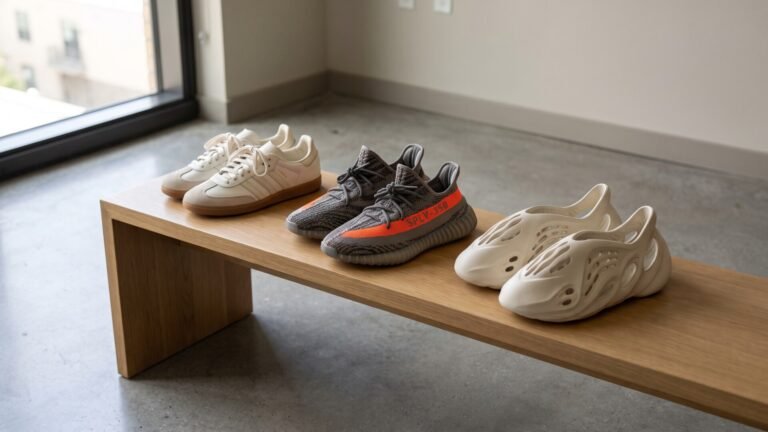
The slim, low-profile silhouette stands out in a chunky world. For years, sneaker trends favored exaggerated proportions—think Yeezy 700, Nike Air Max 720, and Balenciaga Triple S. The Samba offers the opposite. A narrow toe box. A thin gum sole. A tongue that sits flat against the foot. This silhouette works with slim-fit trousers, straight-leg jeans, skirts, and tailoring in ways that chunky sneakers cannot. The Samba disappears into an outfit rather than dominating it.
Styling versatility is off the charts. You can wear Sambas with almost anything. Cropped trousers and a white t-shirt? Yes. Flowing maxi dress? Surprisingly yes. Tailored blazer and wool pants? Absolutely. Workwear denim and a flannel? Also yes. The neutral color palette of most Sambas (white, black, gum, navy) means they complement rather than compete. Few sneakers match this level of outfit integration.
Retro football and terrace heritage created cultural depth. The Samba was never just a sneaker. It carried meaning from the 1970s onward as the shoe of choice for British football casuals—fans who adopted expensive sportswear as identity markers. This subcultural history gives the Samba authenticity that manufactured hype cannot replicate. When you wear Sambas, you tap into decades of street-level credibility.
The contrast with bulkier sneakers became increasingly appealing. As the chunky trend exhausted itself, consumers gravitated toward sleeker options. The Samba was ready. Its low profile, simple construction, and understated branding felt like a breath of fresh air compared to the maximalist competition. This shift from “more is more” to “less is better” accelerated the Samba’s mainstream adoption.
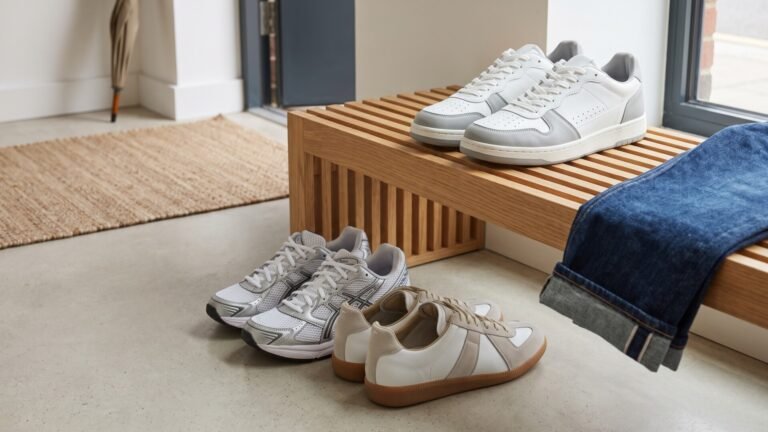
Competing brands have tried to capture similar territory. Nike offers the Killshot 2, originally a tennis shoe, with a slim profile and gum sole option. Puma’s Smash v2 delivers a clean leather low-top at budget prices. Reebok’s Club C 85 provides minimalist tennis style. Even Adidas’s own Gazelle and Spezial models compete for the same customer. But none have achieved the Samba’s specific cultural resonance. The Samba is the original, and in sneakers, originality carries weight.
The Samba’s popularity is not accidental. It is the right shoe at the right time, backed by decades of authentic history. But popularity brings problems—scarcity, inflated prices, and the inevitable question of whether the hype justifies the cost.
The Downsides of Adidas Sambas (Buyer Intent Section)
Before you commit to hunting down a pair of Sambas, you should understand where the shoe falls short. No sneaker is perfect, and the Samba has legitimate drawbacks that affect real-world wear.
The narrow fit is the most common complaint. Adidas designed the Samba as a football shoe for indoor courts. That heritage means a snug, narrow fit through the midfoot and toe box. For wearers with wide feet or even slightly wider-than-average feet, Sambas can feel uncomfortably tight. Sizing up helps but creates heel slip. Some buyers simply cannot wear Sambas at all. This is not a minor issue—it is a dealbreaker for many potential customers.
The flat sole offers minimal cushioning. The Samba features a thin gum rubber outsole with a basic foam midlayer. There is no modern cushioning technology—no Boost, no Cloudfoam, no Ortholite insole. For short walks and casual wear, this is fine. But wear Sambas for a full day of city exploration, a concert, or a festival, and your feet will feel every step. The lack of arch support and impact protection leads to fatigue faster than properly cushioned alternatives.
Leather creasing happens quickly. The Samba’s leather upper, while decent quality for its price point, is not particularly thick or pliable. The toe box creases noticeably within the first few wears. Some buyers appreciate this as character. Others see it as premature aging. Compared to suede alternatives like the Gazelle, which age more gracefully, the Samba’s leather shows wear faster.
The price versus comfort debate is real. At $100-$130 retail—and often higher on resale—the Samba costs as much as sneakers with substantially better comfort technology. You can buy running-inspired casual shoes with modern foam midsoles for the same money. You are paying for style and heritage, not engineering. For buyers who prioritize foot health or all-day wearability, this trade-off may not make sense.
These drawbacks do not make the Samba a bad shoe. They simply mean the Samba is not for everyone. Buyers with wide feet, high arches, or long walking days should seriously consider alternatives that address these limitations.
Quick Picks
If you only have thirty seconds, here is the short version of everything that follows.
Best overall alternative: Adidas Gazelle. The Gazelle shares the Samba’s retro heritage, slim silhouette, and brand DNA while offering a softer suede upper and slightly more comfortable fit. Available in countless colorways at retail pricing. Most Samba seekers should start here.
Best budget option: Puma Smash v2. At $50-$70, the Smash v2 costs roughly half what Sambas cost at retail. Clean leather upper, simple design, and acceptable comfort for casual wear. Perfect for buyers who want the look without the price tag.
Best comfort upgrade: Nike Killshot 2. The Killshot delivers substantially more cushioning than the Samba with a similar low-profile aesthetic. The gum sole option closely mimics the Samba’s visual identity. Priced at $90-$120. Ideal for buyers who prioritize all-day wearability.
Best vintage look: Reebok Club C 85. The Club C offers a minimalist tennis silhouette with premium leather and excellent comfort. Less “terrace” than the Samba but equally versatile. Priced at $70-$100. Perfect for clean, understated style.
Best hidden gem: Adidas VL Court 2.0. An underrated Adidas option that flies under the radar. Suede or leather construction, slim profile, and budget-friendly pricing ($60-$90). Great for buyers who want the Adidas look without the Samba hype.
Comparison Table
| Sneaker | Price Range | Style Similarity | Comfort (1-5) | Materials | Best For |
|---|---|---|---|---|---|
| Adidas Samba | $100-$150+ | ⭐⭐⭐⭐⭐ | ⭐⭐⭐ | ⭐⭐⭐⭐ | Classic style/heritage |
| Adidas Gazelle | $90-$120 | ⭐⭐⭐⭐⭐ | ⭐⭐⭐⭐ | ⭐⭐⭐⭐ | Best overall alternative |
| Puma Smash v2 | $50-$70 | ⭐⭐⭐⭐ | ⭐⭐⭐ | ⭐⭐⭐ | Budget-conscious buyers |
| Nike Killshot 2 | $90-$120 | ⭐⭐⭐⭐ | ⭐⭐⭐⭐ | ⭐⭐⭐⭐ | Comfort priority |
| Reebok Club C 85 | $70-$100 | ⭐⭐⭐ | ⭐⭐⭐⭐ | ⭐⭐⭐⭐ | Minimalist style |
| Adidas VL Court 2.0 | $60-$90 | ⭐⭐⭐⭐ | ⭐⭐⭐ | ⭐⭐⭐ | Hidden gem/value |
The Best Samba Alternatives
1. Adidas Gazelle: The Closest Competitor Overall
The Adidas Gazelle is not trying to copy the Samba—it is the Samba’s sibling. Both shoes emerged from Adidas’s 1960s and 1970s training shoe lineup. Both share the same slim, low-profile DNA. Both have been reissued multiple times as lifestyle classics. But the Gazelle offers distinct advantages that make it a better choice for many buyers.
Visually, the Gazelle is nearly identical to the Samba from a distance. The same three stripes. The same low-top cut. The same slim silhouette. The key differences are subtle: the Gazelle typically features a suede upper rather than leather, a slightly thicker tongue, and a different toe box perforation pattern. The gum sole option on many Gazelle releases mirrors the Samba’s most iconic look. To the average observer, the two shoes are interchangeable.
Where the Gazelle wins is material feel and comfort. Suede molds to the foot more comfortably than leather. It breathes better. It creases less visibly. The Gazelle’s foam midsole is marginally thicker than the Samba’s, providing slightly better impact protection. The overall fit is also slightly more accommodating—still narrow, but less aggressively so than the Samba.
The Gazelle also benefits from better availability. Adidas produces Gazelles in enormous quantities across dozens of colorways. Core colors like black/white, navy/white, and green/white are almost always in stock at retail. Limited editions exist but rarely command the same resale premiums as Sambas. You can walk into most Adidas retailers and leave with Gazelles the same day.
The only potential drawback is durability. Suede requires more care than leather. It stains more easily and does not wipe clean as simply. For buyers who want a beater shoe they can abuse, the leather Samba may hold up better. For everyone else, the Gazelle’s superior comfort and style parity make it the best overall alternative.
Who should buy the Gazelle? Anyone who wants the Samba look with better comfort and availability. The Gazelle is the closest thing to a Samba without actually being a Samba, and for most buyers, it is the smarter choice.
2. Puma Smash v2: The Budget King
The Puma Smash v2 exists for one reason: to deliver a clean, simple leather sneaker at the lowest possible price. At $50-$70 retail—frequently discounted to $40-$50—the Smash v2 costs roughly half what you will pay for Sambas. For budget-conscious buyers, that math is impossible to ignore.
Visually, the Smash v2 borrows heavily from classic tennis and training shoes. The silhouette is slim but slightly fuller than the Samba. The Puma formstrip on the side panel curves gently across the midfoot. The toe box features a simple perforation pattern. The overall effect is not a Samba clone but rather a shoe that occupies the same aesthetic territory. From a distance, most people will not notice the difference.
Materials quality reflects the price point. The leather is thin and synthetic-leaning. The construction is basic. The insole is minimal. These are not premium sneakers. But they are also not trying to be. For $50, you get a shoe that looks good enough for casual wear, lasts through a season of regular use, and does not cause financial pain if destroyed.
Comfort is comparable to the Samba—which is to say, basic. The flat sole and minimal cushioning mean these are fine for short walks but not all-day adventures. The fit is more generous than the Samba, which benefits wider feet. Break-in time is minimal.
The Smash v2’s greatest strength is its role as a gateway shoe. Buy these for teenagers who will outgrow them. Use them as beaters for messy activities. Keep a pair in your car for emergencies. Or simply buy them because you want the look of a retro sneaker without spending $100+. The Smash v2 delivers acceptable style at an unbeatable price.
Who should buy the Smash v2? Budget buyers, parents buying for kids, anyone who needs a disposable sneaker, or anyone who simply does not want to spend triple digits on casual footwear.
3. Nike Killshot 2: The Comfort Upgrade
The Nike Killshot 2 has developed its own cult following, independent of the Samba craze. Originally a tennis shoe from the 1980s, Nike revived the Killshot as a lifestyle sneaker in partnership with J.Crew. The result is a shoe that competes directly with the Samba for the title of “best slim retro sneaker.”
Visually, the Killshot 2 shares the Samba’s low-profile, gum-sole aesthetic. The differences are notable but not disqualifying. The Nike Swoosh is larger and more prominent. The toe box features a distinctive perforated suede panel. The heel tab adds a small visual flourish. The overall silhouette is slightly more athletic than the Samba. But the classic white/blue/gum colorway is instantly recognizable and highly appealing.
Where the Killshot 2 decisively beats the Samba is comfort. Nike uses a foam midsole with better cushioning properties than Adidas’s basic construction. The insole is thicker and more contoured. The padding around the collar is more generous. The result is a shoe that you can actually wear all day without foot fatigue. For buyers who prioritize comfort, this is the most significant advantage of any alternative on this list.
Materials quality is excellent for the price point. The leather upper is soft and pliable. The suede toe panel adds texture and visual interest. The stitching is clean. The overall construction feels substantial without being heavy. At $90-$120, the Killshot 2 delivers value that matches or exceeds its price.
The only downside is availability. While not as scarce as Sambas, popular Killshot colorways sell out periodically. The classic white/blue/gum version can be hard to find in common sizes. However, Nike releases new colorways regularly, and secondary market prices rarely exceed retail significantly.
Who should buy the Killshot 2? Comfort-focused buyers who want a slim, retro-inspired sneaker that can handle all-day wear. The Killshot 2 is the best choice for anyone who has tried Sambas and found them uncomfortable.
4. Reebok Club C 85: The Minimalist’s Choice
The Reebok Club C 85 occupies a different stylistic universe than the Samba, but it competes for the same customer: the person who wants a clean, versatile, low-profile sneaker that works with everything.
The Club C’s design language is minimalist excellence. A smooth leather upper with minimal branding. A simple Reebok logo on the side and tongue. A subtle perforation pattern on the toe box. No aggressive stripes, no oversized logos, no unnecessary panels. The shoe disappears visually in the best possible way, letting outfits take center stage.
Where the Samba shouts “terrace culture” and “retro football,” the Club C whispers “tennis heritage” and “understated quality.” This makes the Club C more versatile in some contexts—particularly with tailoring, dresses, and smarter casual outfits. The Samba can feel a bit too “sneakerhead” for certain settings. The Club C flies under the radar.
Materials quality is outstanding for the price. Reebok uses soft, pliable leather that breaks in beautifully. The padding around the collar and tongue is generous. The internal lining is smooth and comfortable. At $70-$100, the Club C delivers materials that rival shoes costing twice as much.
Comfort is excellent for a low-profile sneaker. The EVA midsole provides adequate cushioning without adding bulk. The shape follows the natural contour of the foot better than the Samba’s narrow platform. The outsole is flexible. For daily casual wear, the Club C is genuinely comfortable.
The trade-off is that the Club C does not look like a Samba. Buyers who want the specific three-stripe aesthetic will be disappointed. Buyers who want a clean, comfortable, high-quality leather sneaker at a fair price will be delighted.
Who should buy the Club C 85? Minimalist style lovers, buyers who prefer tennis shoe aesthetics to football shoe aesthetics, anyone who wants premium leather under $100, and people who find Sambas too narrow or too sporty.
5. Adidas VL Court 2.0: The Hidden Gem
The Adidas VL Court 2.0 is the Samba alternative that almost no one talks about. That is a shame, because it delivers much of the Samba’s visual identity at a significantly lower price with better availability.
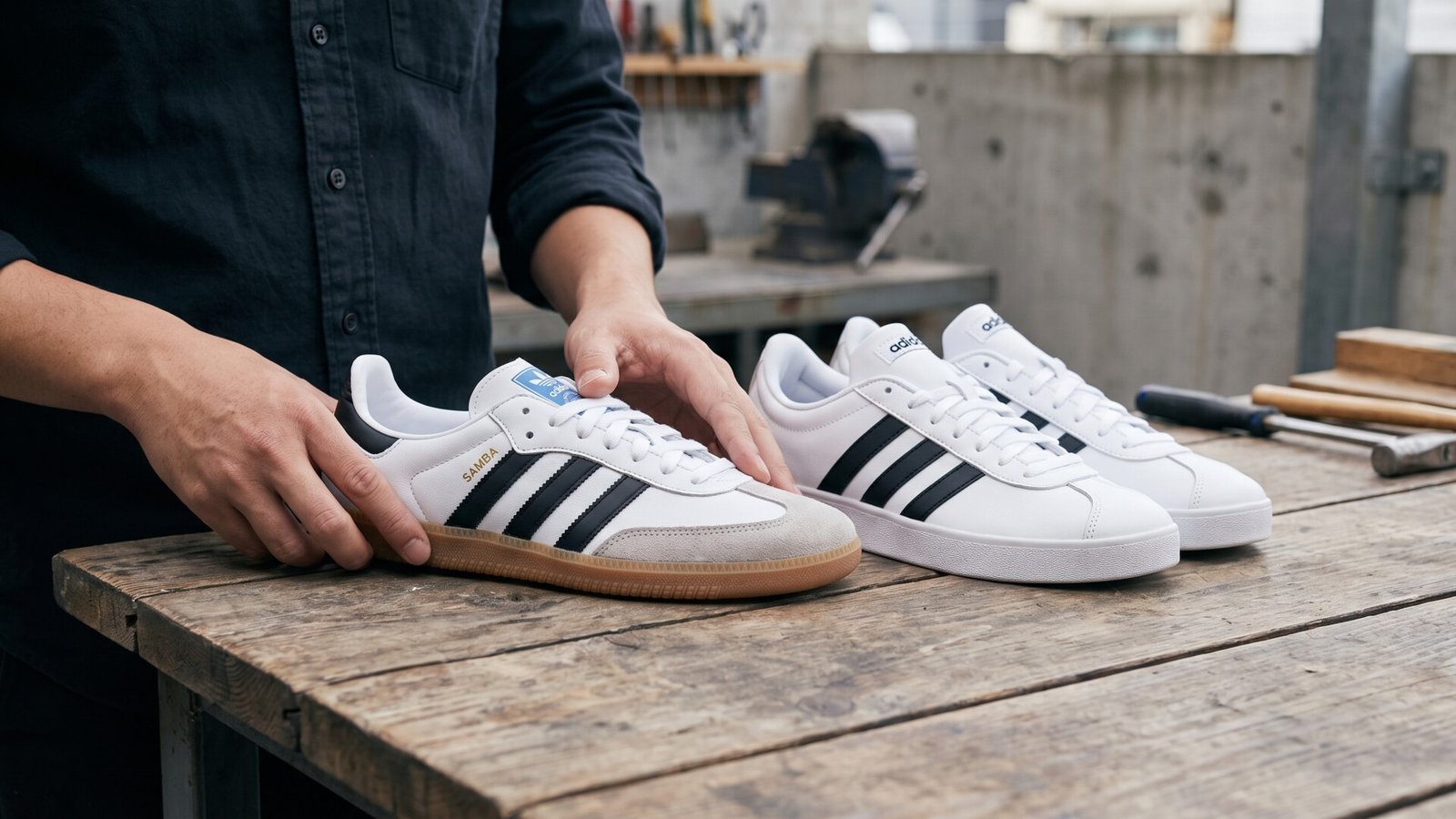
The VL Court 2.0 (the name stands for “Vintage Leather Court”) is clearly inspired by the Samba’s design language. The slim silhouette. The gum sole option on many colorways. The three stripes. The low-profile tongue. From a distance, the VL Court reads as a Samba variant. Up close, the differences are minimal—slightly different toe box shape, a different heel construction, and a less prominent tongue logo.
Materials quality is appropriate for the price point. The leather is decent for a $60-$90 shoe—not premium, but not embarrassingly cheap. Suede versions are also available. The construction is clean. These are not luxury sneakers, but they are also not falling apart.
Comfort matches the Samba—basic but acceptable for casual wear. The fit is slightly more generous than the Samba, which helps wider-footed buyers. The sole is flat and minimally cushioned.
The VL Court 2.0’s greatest strength is its value proposition. You get the Adidas three stripes, the slim retro silhouette, and the gum sole aesthetic for $60-$90—often discounted to $50-$70. You avoid the Samba’s scarcity and resale markup. You get a shoe that looks 90% like a Samba for 60% of the price. For buyers who want the Adidas look without the hassle, the VL Court 2.0 is a genuine hidden gem.
Who should buy the VL Court 2.0? Buyers who want the Adidas three-stripe aesthetic on a budget, anyone frustrated by Samba stockouts, and value-focused shoppers who do not need the exact Samba model.
6. Honorable Mentions
Three additional shoes deserve recognition even if they did not make the main list.
Adidas Spezial: The Spezial is essentially a premium Gazelle variant with higher-quality suede and more refined construction. Priced higher ($120-$150) but offers exceptional materials. Best for buyers who love the Samba/Gazelle aesthetic and want to upgrade.
Puma Suede Classic: A completely different silhouette—thicker, chunkier, with a wider sole. But the suede upper and retro heritage appeal to similar buyers. Priced at $65-$85. Best for those who want a 1970s aesthetic rather than a 1960s training shoe look.
Vans Old Skool: The Vans sidestripe shoe offers a slim profile but with skateboarding heritage rather than football. The canvas and suede construction is durable and comfortable. Priced at $70-$90. Best for buyers who want a slim sneaker but prefer Vans’ aesthetic.
Adidas Samba vs Alternatives: Key Differences
Understanding the specific differences helps buyers make informed decisions.
Style Differences
The Samba’s style is specific. The T-toe overlay, the gum sole, the elongated tongue, the gold foil branding—these details add up to a shoe that is immediately recognizable as a Samba. Alternatives each deviate. The Gazelle swaps leather for suede and removes the T-toe. The Smash v2 simplifies the design. The Killshot 2 adds Nike’s Swoosh and suede toe panel. The Club C goes minimalist. The VL Court 2.0 approximates but lacks the exact detailing. None perfectly replicate the Samba’s specific visual identity. Buyers who want the exact Samba look should buy Sambas. Buyers comfortable with similar-but-different have excellent options.
Comfort Comparison
The Samba is not comfortable by modern standards. The flat sole, minimal cushioning, and narrow fit lead to foot fatigue during extended wear. Most alternatives improve on comfort. The Gazelle offers slightly better cushioning and a more forgiving suede upper. The Killshot 2 provides substantially better impact protection. The Club C delivers excellent all-day comfort. Only the Smash v2 and VL Court 2.0 match the Samba’s basic comfort level. If comfort matters to you, the Killshot 2 is the clear winner.
Fit Differences
The Samba’s narrow fit is a legitimate issue for many wearers. The Gazelle is slightly wider but still snug. The Killshot 2 and Club C offer more accommodating fits. The Smash v2 is positively roomy by comparison. Buyers with wide feet should avoid the Samba entirely and look at the Smash v2 or Club C instead.
Price Reality
The Samba at retail ($100-$130) is reasonably priced for what it offers. The problem is availability. Popular colorways often require resale purchases at $150-$200. Alternatives are widely available at or below retail. The Gazelle costs $90-$120 and is almost always in stock. The Smash v2 costs $50-$70. The Killshot 2 costs $90-$120. The Club C costs $70-$100. The VL Court 2.0 costs $60-$90. For buyers unwilling to chase restocks or pay resale, alternatives provide massive savings.
Are Adidas Sambas Actually Worth It? (Core Decision Section)
After reviewing the alternatives and understanding the trade-offs, we arrive at the central question. Are Adidas Sambas worth the money and effort?
Sambas are worth it if:
- You want the exact iconic look with all its specific details (T-toe, gum sole, gold foil)
- You care about trend authenticity and want the shoe that started the terrace revival
- You have narrow feet that fit the Samba’s snug profile comfortably
- You are willing to pay retail or slightly above for the genuine article
- You prioritize style heritage over comfort technology
Sambas are not worth it if:
- You have wide feet or need a more accommodating fit
- You prioritize all-day comfort and foot health
- You want the best value for your money (alternatives offer similar style for less)
- You are unwilling to hunt for restocks or pay resale prices
- You prefer suede over leather or want more cushioning
The best compromise position:
Buy the Adidas Gazelle. You get the same brand DNA, a similar silhouette, softer suede materials, better comfort, and vastly better availability. The Gazelle is the Samba for people who want 95% of the look with none of the hassle. Alternatively, buy the Nike Killshot 2 if comfort is your priority—you sacrifice the three stripes but gain significantly better cushioning.
For most buyers in 2026, the Samba is not the smartest purchase. It is a style-driven purchase, not a value-driven or comfort-driven one. That is fine if style is your priority. But be honest with yourself about what you are paying for.
Best Alternatives by Use Case
For buyers with specific needs, here is how the alternatives stack up.
Closest Samba Look: Adidas Gazelle
The Gazelle is the clear winner for visual similarity. Same brand. Same era. Same silhouette. The suede versus leather difference is minor. Most people will not notice.
Cheapest Option: Puma Smash v2
At $50-$70, the Smash v2 costs half what Sambas cost at retail and a third of resale prices. Acceptable quality for casual use. Perfect for tight budgets.
Best Comfort: Nike Killshot 2
The Killshot 2 offers substantially better cushioning than any other shoe on this list. If you plan to walk extensively, this is your best choice.
Clean Everyday Sneaker: Reebok Club C 85
The Club C delivers premium leather, excellent comfort, and minimalist style for under $100. More versatile than the Samba for smart-casual outfits.
Budget Adidas Feel: Adidas VL Court 2.0
The VL Court 2.0 gives you the three stripes and gum sole aesthetic for $60-$90. The best value among Adidas-branded alternatives.
Final Verdict
The Adidas Samba is an iconic sneaker with genuine cultural credentials. The slim silhouette, retro football heritage, and styling versatility have made it a genuine phenomenon. For collectors, terrace culture enthusiasts, and style purists, the Samba is worth pursuing at retail.
But for the average buyer in 2026—someone who wants a good-looking, comfortable sneaker without overpaying or hunting—the Samba is rarely the best choice. The narrow fit excludes many feet. The flat sole leads to fatigue. The availability issues create frustration. Alternatives from Adidas’s own lineup and from competing brands offer similar style with better comfort, better fit, and better value.
The Adidas Gazelle is the best overall alternative. It delivers the same brand DNA, a nearly identical silhouette, softer materials, and better availability at a lower price. Most Samba seekers should buy Gazelles instead.
The Puma Smash v2 is the best budget pick. At half the price, it delivers acceptable style for casual wear.
The Nike Killshot 2 is the best comfort upgrade. For buyers who actually walk in their sneakers, the Killshot’s superior cushioning makes it the smart choice.
The Samba is not a bad shoe. It is simply a specialized one. Buy it if you need the exact look. Buy something else if you need comfort, value, or a fit that actually works for your feet.
FAQ Section
Are Adidas Sambas worth it?
Yes for style and heritage, but less so for comfort and value. At retail price ($100-$130), Sambas are reasonably priced for an iconic silhouette. At resale prices ($150-$200), they are overpriced relative to alternatives. Buyers prioritizing comfort or value should consider alternatives like the Gazelle or Killshot 2.
What are cheaper alternatives to Adidas Sambas?
The Puma Smash v2 ($50-$70) and Adidas VL Court 2.0 ($60-$90) are the best budget alternatives. Both offer similar low-profile styling at significantly lower prices.
What shoes are similar to Adidas Samba?
The Adidas Gazelle is the most similar in terms of brand, silhouette, and aesthetic. The Nike Killshot 2 offers a similar slim profile with gum sole options. The Reebok Club C 85 provides a minimalist alternative.
Are Sambas comfortable for all-day wear?
Not compared to modern sneakers with advanced cushioning. The Samba’s flat sole and minimal padding lead to foot fatigue during extended walking. For all-day comfort, consider the Nike Killshot 2 or Reebok Club C 85 instead.
Do Sambas run small?
Yes. Sambas run narrow, particularly through the midfoot and toe box. Buyers with wide feet often find them uncomfortably tight. Sizing up half a size can help but may create heel slip. Trying before buying is recommended.
Are Sambas still in style in 2026?
Yes. The terrace trend continues to influence fashion, and the Samba remains a central part of that aesthetic. However, the silhouette has become increasingly common, which may reduce its appeal for buyers seeking uniqueness. The Gazelle offers a similar but slightly less ubiquitous alternative.