Ben Nethongkome: The Designer Helping Reebok Find Its Identity Again
You know that feeling when a brand you grew up loving suddenly feels back? Not just nostalgic – actually relevant again. That’s exactly what’s happening with Reebok right now, and one of the key people driving that revival is a designer named Ben Nethongkome.
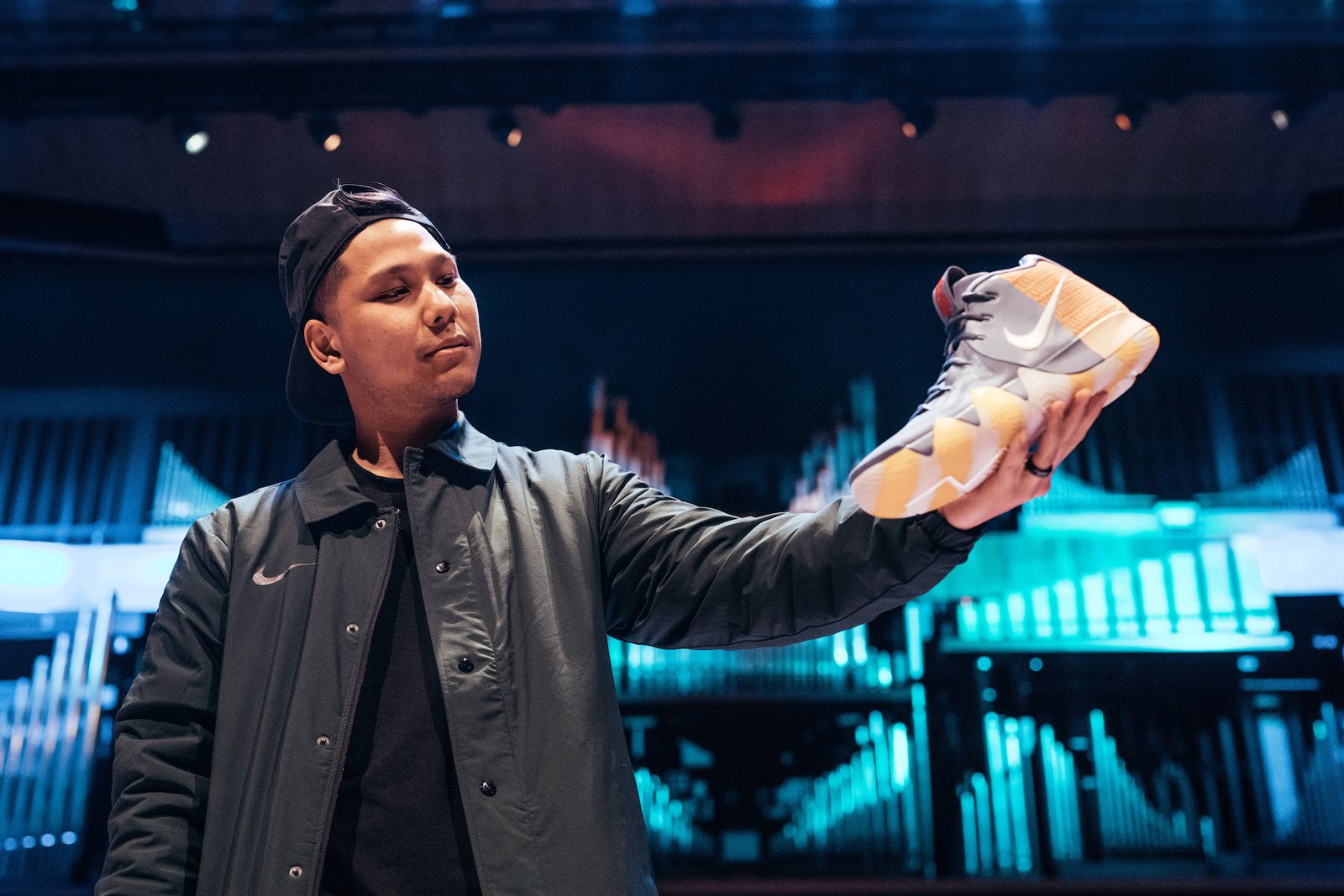
If you’ve been paying attention to sneakers over the past few years, you’ve seen his work. He was the lead designer for Kyrie Irving’s Kyrie 4, 5, and 6. He crafted the Sabrina Ionescu signature line. He worked on the Nike Adapt BB 2.0, the Ja Morant JA 1, and the Devin Booker Book 1. Before all that, he was an intern at Nike, cutting his teeth on Kobe Bryant’s Mentality 2 and Mamba Rage.
But here’s where the story gets interesting. After over a decade designing for the biggest basketball brand on the planet, Nethongkome took his talents to Reebok – a brand that’s been fighting to reclaim its place in the sneaker conversation.
Reebok needed new energy. They needed someone who understood performance, heritage, and modern streetwear. And they found him.
This article breaks down Nethongkome’s journey, his design philosophy, how he’s helping revive Reebok basketball, and why his work matters in 2026. Let’s get into it.
Ben Nethongkome’s Background & Rise at Reebok
From Thailand to Oregon
Ben Nethongkome (pronounced “neh-TONG-koh-mee”) was born in Thailand and moved to Miami with his family at age ten. He didn’t grow up dreaming of sneakers – that came later. But once he discovered footwear design at Miami’s Design and Architecture Senior High (DASH), he was hooked. From there, he went to Detroit’s College for Creative Studies to study industrial design, then landed at Nike as an intern in 2007.
His early years were all about learning the ropes. He worked on Kobe Bryant’s Mentality 2 and Mamba Rage, as well as LeBron James’ Zoom Witness 1. For nine years, he put in the work behind the scenes, soaking up everything he could about performance basketball footwear.
The Kyrie Years
In 2016, Nethongkome was tapped to take over the Kyrie Irving signature line from designer Leo Chang. It was a huge responsibility, and he didn’t take it lightly. He studied Irving’s game obsessively – watching film, analyzing his footwork, even scrolling Reddit to find rare game angles. He knew that Irving’s signature style required a shoe that could handle extreme lateral movements, sudden stops, and explosive takeoffs.
The result was the Kyrie 4, which introduced a curved outsole, a “longitudinal flex groove” down the middle, and a Cushlon midsole with a Zoom Air unit in the heel. It was a shoe built for shiftiness – and it worked.
Nethongkome went on to design the Kyrie 5 and Kyrie 6 as well, helping establish one of the most successful signature lines in modern basketball.
Moving to Reebok
After over a decade at Nike, Nethongkome made the jump to Reebok. It wasn’t a lateral move – it was a challenge. Reebok had lost significant market share in basketball footwear, overshadowed by Nike and Adidas. Their performance shoes had been largely absent from the hardwood conversation for years.
But Reebok had something Nike couldn’t replicate: heritage. The Question. The Answer. The Pump. These were iconic silhouettes with real cultural weight. The challenge was modernizing them without losing their soul.
Nethongkome stepped in to help lead that charge. His mission: blend Reebok’s retro basketball DNA with modern materials, performance innovation, and lifestyle appeal.
Design Philosophy: Blending Performance and Lifestyle
Sculpted Midsoles & Aggressive Geometry
One of the first things you notice about Nethongkome’s designs is the midsole. He loves sculpted, aggressive shapes – not just for looks, but for function. The Kyrie 4’s curved outsole wrapped up the sidewalls for better grip on hard cuts. The Book 1 and Book 2 were designed with a lower profile for enhanced court feel, moving the Air Zoom unit from the heel to the forefoot to achieve that responsive, lightweight ride.
That same sculptural approach carries over to his Reebok work. Modern Reebok basketball shoes are sleeker, more streamlined, and more athletic than the chunky retro models from the 2000s. They still look like Reeboks – but they move like modern performance shoes.
Lightweight Construction
Nethongkome is obsessed with weight. Every gram matters. When designing the Nike Book 2, he explained: “We lowered the profile of the shoe for enhanced court feel, and because we removed materials to get lower to the ground, we were able to move the Air Zoom unit from the heel to the forefoot — achieving Devin’s desired feel and performance at a lighter weight.”
That philosophy applies directly to Reebok. The new Engine A 26, Reebok’s first performance basketball shoe in over a decade, is built around lightweight materials and responsive cushioning. It’s not heavy. It’s not clunky. It’s designed for modern athletes who need speed and agility.
Hybrid Sneaker Design
Here’s where Nethongkome really shines: making performance shoes that look good off the court too. In 2026, no one wants a shoe that only works on the hardwood. Consumers want one sneaker for practice, casual wear, and streetwear styling.
Nethongkome’s designs bridge that gap. They have the tech – Zoom Air, Cushlon, supportive uppers – but they also have clean lines, subtle branding, and colorways that pop. That’s exactly what Reebok needs: performance credibility with lifestyle heat.
Reviving Reebok Basketball
The Challenge
Reebok basketball had been in a long hibernation. After the heyday of Allen Iverson in the late ’90s and early 2000s, the brand struggled to keep up. Nike signed the next generation of stars (LeBron, KD, Kyrie, Zion). Adidas made a push with James Harden and Damian Lillard. Reebok was left on the sidelines.
But in 2023, Reebok made a bold move: they named Shaquille O’Neal as the first-ever president of Reebok Basketball. Shaq’s role was to oversee strategy, player recruitment, and athlete relationships – bringing instant credibility and nostalgia.
The next step was bringing in designers who could translate that vision into actual product. Enter Nethongkome.
Athlete-Focused Development
One thing Nethongkome learned from his Nike years is that great signature shoes come from great relationships. He spent 18 months working with Ja Morant on the JA 1. He collaborated with A’ja Wilson on the A’One, describing her as “the most authentic, special, and expressive player” he’s ever worked with.
That same athlete-first approach is now shaping Reebok’s revival. The Engine A 26 was developed with input from real players. Angel Reese’s signature shoe – the Angel Reese 1 – has been a massive success, selling out multiple colorways. And the brand is actively recruiting young stars who resonate with a new generation.
Balancing Nostalgia with Innovation
Here’s the trick: Reebok’s most valuable asset is its archive. The Question. The Answer. The Pump. But you can’t just rerelease old shoes forever – you have to evolve them.
Nethongkome understands that balance. He’s not trying to erase Reebok’s history; he’s building on it. The new Engine A 26 doesn’t look like a 2002 sneaker – it looks like 2026. But it still feels like a Reebok: bold, functional, and just a little bit unexpected.
The Return of Reebok Retro Performance Design
Why Retro Basketball Sneakers Came Back
The chunky sneaker trend of the late 2010s and early 2020s opened the door for retro basketball silhouettes to return. Suddenly, sneakers that had been buried in the archive were cool again. The New Balance 550. The Nike Dunk. And yes – the Reebok Question.
Reebok has capitalized on this trend by reissuing classic colorways of the Question Mid, the Answer, and the Pump. But they’ve also been smart about modernizing them: updated materials, better cushioning, and cleaner construction.
Nethongkome’s Role
While Nethongkome is focused on new performance models, his influence can be felt across the retro revival too. His design language – sculpted midsoles, lightweight materials, hybrid aesthetics – is shaping how Reebok approaches all of its footwear, not just the signature lines.
The goal isn’t just to sell nostalgia. It’s to build a bridge between Reebok’s past and its future.
Ben Nethongkome’s Most Important Sneaker Designs
Here’s a quick rundown of the key models that define his career.
| Sneaker | Brand | Year | Key Features |
|---|---|---|---|
| Kyrie 4 | Nike | 2017 | Introduced the curved outsole and longitudinal flex groove for sharper cuts. Cushlon midsole + Zoom Air heel made it responsive yet stable. Set the tone for Kyrie’s signature line. |
| Kyrie 5 | Nike | 2018 | Added an articulated midfoot strap for lockdown and a forefoot Zoom Air Turbo unit. The “Bandulu” and “SpongeBob” colorways became instant collectors’ items. |
| Kyrie 6 | Nike | 2019 | ’90s-themed design with a retro logo, forefoot Zoom Turbo, and a padded collar. Balanced nostalgic aesthetics with modern performance. |
| Nike Adapt BB 2.0 | Nike | 2020 | Updated the self-lacing Adapt BB with a mesh upper, forefoot Zoom Turbo, and a sleeker silhouette. Showed Nethongkome could work with advanced tech. |
| Nike Ja 1 | Nike | 2023 | Ja Morant’s first signature. Lightweight, affordable ($110), with forefoot Zoom Air and a curved outsole for quick stops. Became a hit with younger players. |
| Nike Sabrina 1 | Nike | 2023 | Sabrina Ionescu’s debut signature. Responsive foam, lightweight mesh, and clean lines. Bridged the gap between elite performance and casual wearability. |
| Nike Book 1 | Nike | 2024 | Devin Booker’s signature. Low‑profile, forefoot Zoom Air, and a classic car‑inspired design. Praised for its simplicity and comfort |
| Nike A’One | Nike | 2025 | A’ja Wilson’s first signature. Pearl‑inspired upper, Cushlon SLT midsole, and inclusive sizing. A milestone for women’s basketball footwear. |
| Reebok Engine A 26 | Reebok | 2026 | Nethongkome’s first major performance basketball shoe for Reebok. Lightweight, sculpted midsole, modern cushioning – marks Reebok’s return to the hardwood. |
| Angel Reese 1 | Reebok | 2026 | Angel Reese’s signature model (designed under Nethongkome’s direction). Bold, expressive, with performance tech, multiple colorways. |
Common design themes across his work:
- Sculpted, aggressive midsoles that look fast even when standing still
- Lightweight construction that doesn’t sacrifice support
- A focus on athlete‑driven details (Zoom Air placement, outsole flex grooves, heel lockdown)
- Clean, modern aesthetics that work on the court and the street
How Ben Nethongkome Fits Into Modern Sneaker Trends
Steven Smith wasn’t the only designer to recognize the power of chunky, sculpted silhouettes. Ben Nethongkome has been quietly shaping the same trends from within the performance basketball world – and now at Reebok, he’s bringing that vision to a brand that desperately needs a modern identity.
Let’s break down the key trends Nethongkome aligns with – and why his approach is perfectly suited for 2026.
1. The Rise of Hybrid Sneakers (Court-to-Street)
One of the biggest shifts in sneaker culture over the past decade is the blurring line between performance and lifestyle. Consumers no longer want a shoe that’s only good for basketball or only good for casual wear. They want one sneaker that can do both – practice in the morning, hang out in the afternoon.
Nethongkome has been designing hybrid sneakers his entire career. The Kyrie 4, with its curved outsole and cushioned midsole, looked just as good with jeans as it did on the hardwood. The Ja 1, built for speed and affordability, became a streetwear staple. The Sabrina 1, with its clean lines and WNBA-inspired colorways, was spotted everywhere from courtside to coffee shops.
Now at Reebok, he’s applying that same hybrid philosophy to the Engine A 26. It’s a performance basketball shoe first – but it’s sleek enough to wear with cargos, tapered joggers, or even shorts. That’s the modern consumer expectation.
Why it matters: In 2026, no one wants a closet full of single‑purpose shoes. Hybrid designs sell better, stay relevant longer, and appeal to a broader audience.
2. Performance-Inspired Streetwear (The “Gorpcore” Adjacent Look)
Techwear, gorpcore, and Y2K revival have all pushed performance aesthetics into the mainstream. A shoe that looks like it belongs on a basketball court or a running trail is now just as likely to be seen on a fashion week sidewalk.
Nethongkome’s designs – with their sculpted midsoles, technical mesh, layered paneling, and bold color blocking – fit right into this aesthetic. The Kyrie 5’s articulated midfoot strap, the Kyrie 6’s 1990s‑themed logo, the Ja 1’s angular heel counter – these aren’t just functional elements; they’re visual cues that say “I care about performance, but I also care about how I look.”
At Reebok, this approach is even more pronounced. The brand’s retro basketball archives are a goldmine of chunky, aggressive shapes – the Pump, the Question, the Answer. Nethongkome is refining those shapes with modern materials and sleeker lines, creating shoes that appeal to both sneakerheads and casual fashion fans.
Why it matters: The line between “athletic gear” and “streetwear” is gone. Designers who understand how to make performance shoes look good off the court have a massive advantage.
3. Chunky Yet Functional (The Sculpted Midsole Trend)
Chunky sneakers are still going strong in 2026 – but the most popular models aren’t just bulky for the sake of being bulky. The best‑selling chunky sneakers combine exaggerated proportions with genuine functionality: cushioning, support, stability.
Nethongkome’s midsole designs are a perfect example. The Kyrie 4’s curved outsole wasn’t just a visual gimmick – it actually helped Kyrie Irving make sharper cuts. The Engine A 26’s sculpted foam isn’t just there to look cool; it’s engineered to provide responsive impact protection.
This is the same philosophy that made the Yeezy 700, the New Balance 990v6, and the ASICS Kayano 14 successful. They’re chunky, yes – but they’re also comfortable and functional.
Why it matters: Consumers have learned that “chunky” doesn’t have to mean “clunky.” They want shoes that look substantial but feel light and supportive. Nethongkome delivers exactly that.
4. The Revival of Retro Basketball Aesthetics
The retro basketball trend isn’t going away. From the Nike Dunk to the New Balance 550 to the Reebok Question, sneakerheads can’t get enough of ’80s, ’90s, and early 2000s hoops silhouettes.
Reebok has a deep archive of exactly these kinds of shoes. The Question (Iverson’s first signature) is a chunky, bold, unmistakably 90s design. The Answer (the DMX model) is even more aggressive. The Pump series – the Omni Zone, the Twilight Zone, the Blacktop – are all ripe for revival.
Nethongkome’s job is to modernize these classics without losing what made them special. That means updating materials (smoother leather, more durable mesh), refining cushioning (modern foams instead of old‑tech EVA), and cleaning up the silhouettes (reducing unnecessary bulk while keeping the iconic lines).
Why it matters: Nostalgia sells. But it only sells once. To keep retro basketball shoes relevant, you need to evolve them. Nethongkome is the right designer for that job.
5. Athlete-Driven Storytelling
Modern sneaker consumers don’t just buy shoes – they buy stories. They want to know who wore them, what they were designed for, and why they matter.
Nethongkome has always been athlete‑first. He spent 18 months working with Ja Morant, watching film and analyzing his game, to create the JA 1. He collaborated closely with A’ja Wilson on the A’One, describing her as “the most authentic, special, and expressive player” he’s ever worked with. He learned Devin Booker’s game – his footwork, his preferred court feel – to design the Book 1.
At Reebok, that athlete‑driven approach continues. The Engine A 26 was developed with input from real players. Angel Reese’s Angel Reese 1 was designed with her style and performance needs in mind. And Shaq’s role as president of Reebok Basketball adds another layer of authentic storytelling.
Why it matters: In a crowded market, brand loyalty comes from connection. Consumers want to feel like the shoe was made for someone real – not just a focus group.
6. The Return of Lightweight Performance
For a few years, “heavy” was cool. Balenciaga’s Triple S weighed over 800 grams. New Balance’s 990v4 was a substantial shoe. But in 2026, consumers are increasingly prioritizing comfort and wearability.
Nethongkome has always been obsessed with weight. His Nike designs were consistently praised for being lighter and more responsive than competitors. The Kyrie 4 was significantly lighter than the Kyrie 3. The Book 2 was designed specifically to be lower to the ground and lighter overall.
At Reebok, that lightweight philosophy is a key differentiator. The Engine A 26 is built with modern foams and minimal bulk – it feels like a 2026 shoe, not a 1996 relic.
Why it matters: Heavy sneakers are fine for statement pieces, but everyday wear requires everyday comfort. Nethongkome’s lightweight approach makes Reebok’s revival more wearable for real people.
In Summary: Why His Approach Works in 2026
| Trend | How Nethongkome Aligns | Why It’s Important |
|---|---|---|
| Hybrid sneakers | Performance shoes that look good casually | One shoe for court + street |
| Performance-inspired streetwear | Sculpted midsoles, technical mesh, bold colors | Fits gorpcore and Y2K aesthetics |
| Chunky yet functional | Exaggerated shapes with real cushioning | Consumers want substance, not just style |
| Retro basketball revival | Modernizing Reebok’s archives | Nostalgia + newness |
| Athlete-driven storytelling | Ja, A’ja, Devin, Angel Reese, Shaq | Builds authentic connection |
| Lightweight performance | Obsession with reducing weight | Everyday comfort matters |
Ben Nethongkome isn’t just following trends – he’s helping define them. And he’s doing it at a brand that desperately needs a modern identity. If he succeeds, Reebok won’t just be back – it’ll be ahead of the curve.
Can Ben Nethongkome Help Reebok Compete Again?
Reebok’s Challenge
Reebok is competing in a market dominated by two giants: Nike and Adidas. But the sneaker landscape is shifting. Consumers are more open to underdog brands. They’re hungry for authenticity. And they’re tired of paying $300 resale for the same old Jordans.
Reebok’s strengths are still there: basketball heritage (Iverson, Shaq), retro credibility (the Pump, the Question), and a design language that’s recognizable but not overexposed.
Why Designers Matter
Strong creative direction shapes brand identity. Look at what Tinker Hatfield did for Nike. What Steven Smith did for New Balance, Reebok, and Yeezy. What Virgil Abloh did for Louis Vuitton.
Nethongkome has the potential to be that kind of figure for Reebok. He’s not just designing shoes – he’s helping define what Reebok stands for in 2026.
His Potential Legacy
If Nethongkome succeeds, his legacy will be reviving a sleeping giant. He’ll be remembered as the designer who took Reebok’s performance basketball line from dormant to dangerous. And he’ll have done it by staying true to his philosophy: function first, never chase trends, and always put the athlete’s needs above hype.
Frequently Asked Questions About Ben Nethongkome
Who is Ben Nethongkome?
A sneaker designer known for modernizing Reebok basketball and retro performance footwear. He previously designed signature shoes for Kyrie Irving, Ja Morant, Sabrina Ionescu, Devin Booker, and A‘ja Wilson at Nike before joining Reebok.
What sneakers did Ben Nethongkome design?
Most notably: the Nike Kyrie 4, 5, and 6, the Nike Ja 1, Nike Sabrina 1, Nike Book 1, Nike A’One, and the Reebok Engine A 26 and Angel Reese 1.
What is Ben Nethongkome’s design style?
Sculpted midsoles, lightweight materials, and hybrid performance/lifestyle aesthetics. He focuses on athlete‑driven details, clean lines, and versatile court‑to‑street wearability.
Why is Ben Nethongkome important to Reebok?
He plays a major role in helping modernize and revive Reebok basketball – bringing performance credibility, fresh design energy, and a connection to younger audiences.
What makes modern Reebok sneakers different?
They combine retro basketball heritage (the Question, the Answer, the Pump) with modern comfort (lightweight foams, responsive cushioning) and streetwear styling.
Is Reebok becoming popular again?
Yes – especially through retro basketball revivals and lifestyle crossover models like the Reebok Engine A 26 and Angel Reese 1, driven by designers like Nethongkome.
Final Verdict
Ben Nethongkome is one of the most important modern sneaker designers you’ve probably never heard of – but that’s changing.
He’s got the resume (Nike signature lines), the relationships (Kyrie, Ja, Sabrina, A’ja, Devin), and now, the platform (Reebok). His biggest challenge is also his biggest opportunity: helping Reebok find its identity again.
If he pulls it off – and early signs are promising – he’ll go down as the designer who brought Reebok back to the table.
Key takeaway: He represents the future of hybrid sneaker design – where performance, nostalgia, and streetwear live under one roof.