Hoka Clifton Review: Is This Lightweight Running Shoe Worth Buying?
Let’s cut to it: the Hoka Clifton is one of the most balanced shoes you can buy right now. It gives you that signature Hoka cushioning without making you feel like you’re walking on moon boots. But here’s the catch that gets people stuck: it’s not the softest, not the most stable, and not the most durable. It’s the Goldilocks option, and that’s exactly why it works for so many people.
The problem is that Hoka’s entire lineup looks similar at a glance. A tall midsole, a curved rocker, a chunky silhouette. If you don’t know what you’re looking for, you can easily buy the wrong one. The Clifton is for the runner, walker, or commuter who wants a shoe that disappears under them—light enough to forget, cushioned enough to matter. If you need maximum protection or structured support, this isn’t the shoe for you, and we’ll tell you exactly what to get instead.
Hoka Clifton at a Glance
Before we get into the weeds, here’s the quick breakdown you actually need.
| Category | Assessment | What it means for buyers |
|---|---|---|
| Best use | Daily running, walking, travel, commuting | Versatile enough for regular casual wear and easy miles |
| Cushioning | Soft but not excessively plush | More responsive than a maximum-cushioning shoe |
| Weight | Lightweight for its stack height | Less tiring during long walks and everyday wear |
| Fit | Generally true to size, with standard and wide options depending on version | Check the specific release and width before ordering |
| Stability | Neutral | Better for neutral feet than for shoppers seeking structured support |
| Durability | Good but dependent on use and surface | Expect normal outsole wear before the upper becomes unusable |
| Value | Strong if worn frequently | Cost per wear improves quickly for commuting, walking, and running |
Quick verdict
- Editor’s choice: Hoka Clifton for buyers who want one lightweight shoe for easy runs, walking, errands, and travel.
- Choose the Hoka Bondi instead: If maximum cushioning, a broader platform, or extended standing comfort matters more than low weight.
- Choose Brooks Ghost instead: If a more traditional running-shoe feel, firmer transitions, or a less exaggerated rocker is preferred.
- Choose the Hoka Arahi instead: If the buyer wants a Hoka fit with additional stability features.
What the Hoka Clifton Is Designed to Do
The Clifton is Hoka’s lightweight, neutral daily trainer. It’s not a race shoe. It’s not a recovery shoe. It sits right in the middle, designed to handle the miles you do most days without beating you up.
Originally, the Clifton was a revelation because it packed Hoka’s signature high-cushion geometry into a package that weighed significantly less than the competition. That was the whole point: get the soft ride without the heavy, clunky feel of early maximalist shoes. Over time, that mission has blurred a bit as the shoe became a lifestyle staple.
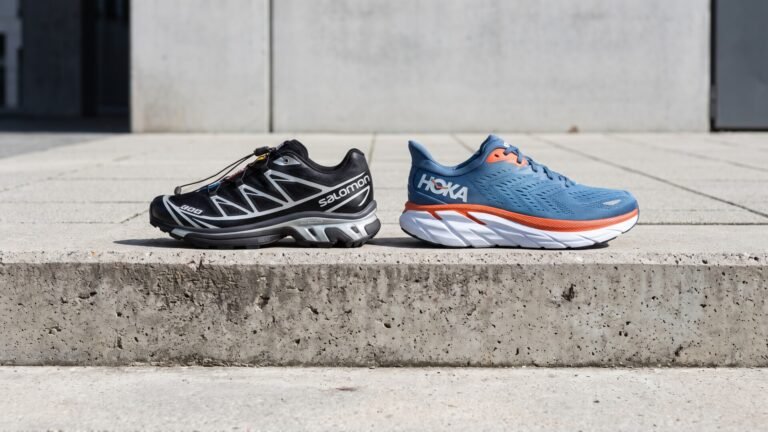
Here’s where the cultural piece comes in. Hoka’s oversized midsoles have moved way past the running track. They signal comfort, active utility, and a performance-informed streetwear look. You see them on commuters, in airports, on college campuses, and with outfits that have never seen a training plan. The Clifton, in particular, became the gateway shoe for that shift because it’s the most wearable version of the Hoka formula.
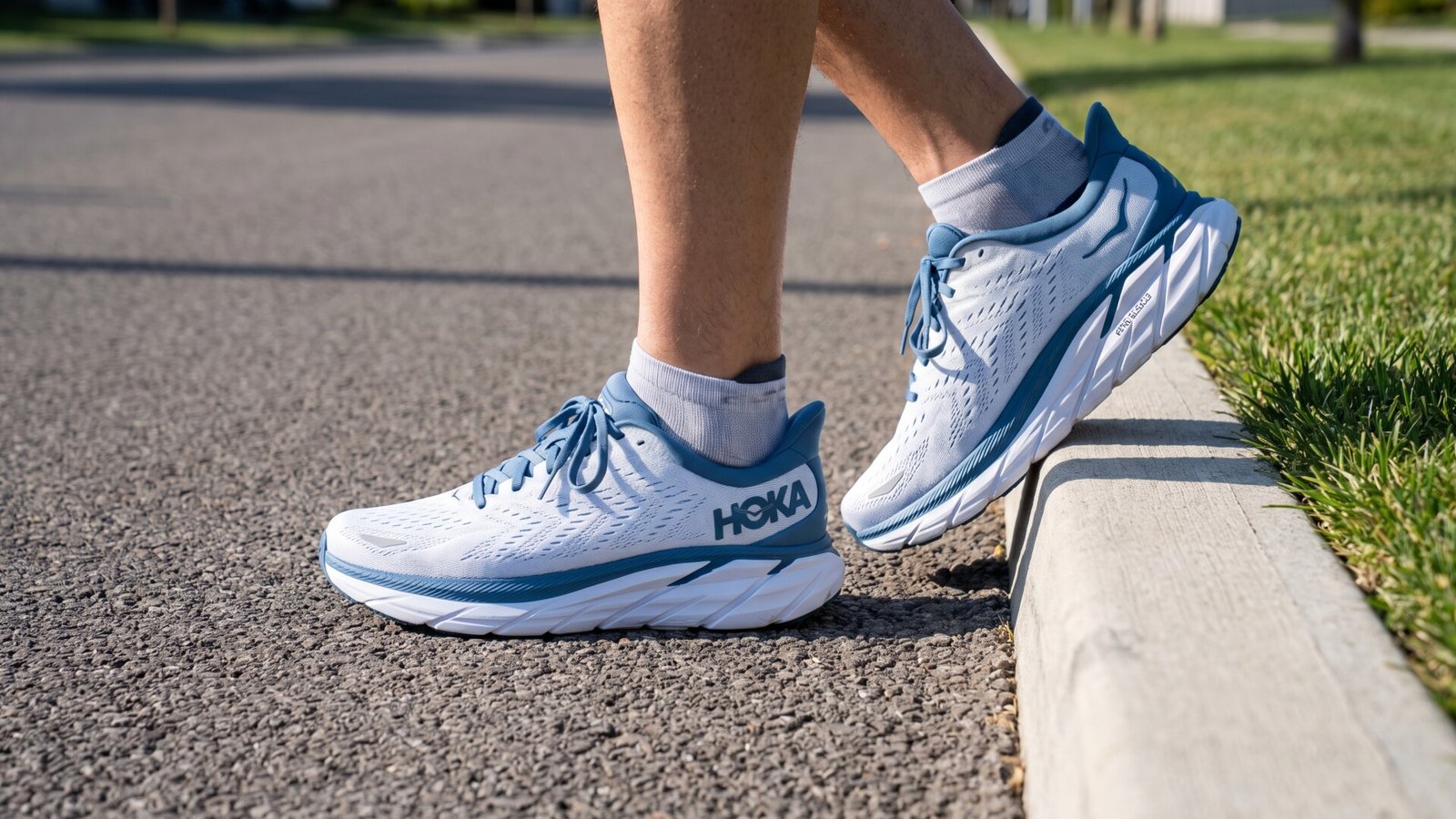
But don’t let the visual bulk fool you. The Clifton’s value isn’t in being the deepest or softest ride in the Hoka lineup. It’s in reducing the perceived weight of a high-cushion shoe. That’s the trick. You get a lot of foam underfoot, but the shoe moves with you instead of against you.
Cushioning, Ride, and Everyday Comfort
Running and walking feel
The ride is best described as cushioned, smooth, and rocker-assisted. You land, the foam compresses, and the curved sole helps roll you forward into the next step. It’s a pleasant, rhythmic sensation that works well for easy daily miles. What you won’t find here is a snappy, propulsive feel. If you want to run fast, this shoe isn’t holding you back, but it’s not helping you either. It’s built for comfort, not speed.
For walkers, the rocker is a genuine feature. It makes transitions feel fluid, almost like the shoe is doing a small part of the work for you. That said, some people need time to adapt to the geometry. If you’re coming from a flat, traditional trainer, the curved sole can feel like it’s tilting you forward. Most people get used to it within a few wears, but it’s worth knowing before you buy.
Compared to the Bondi, the Clifton feels lighter and more agile. The Bondi is a more protective, substantial ride—more foam, more platform, more presence underfoot. The Clifton is the shoe you grab when you want cushioning but still want to feel connected to the ground.
Standing, commuting, and travel
This is where the Clifton really earns its keep. If you’re on your feet all day, walking through airports, or pounding city pavement, the low weight is a massive advantage. A heavy shoe makes your legs tired even if the cushioning is plush. The Clifton avoids that trap.
For standing all day specifically, the story is a bit more nuanced. The cushioning is genuinely helpful, but the neutral geometry means it’s not guiding your foot into any particular position. If you have flat feet or need structure, you might find yourself fatigued by the end of a shift. For people with neutral mechanics, though, the Clifton is a solid choice for long days because it doesn’t feel cumbersome.
As a travel shoe, it’s nearly perfect. It slips into a carry-on, works for a long day of sightseeing, and doesn’t look out of place with athleisure or casual clothing. You can run in them, walk in them, and wear them to dinner. That one-shoe versatility is rare and valuable.
What most buyers get wrong about cushioning
Here’s the thing nobody tells you: more foam doesn’t automatically mean more comfort. We see people buy the max-cushion shoe thinking it will solve all their problems, only to find it feels unstable or bulky. Fit, heel stability, midsole geometry, and your own stride matter as much as softness.
So who should avoid the Clifton despite liking cushioned shoes? People who need firm guidance, people who dislike rocker-shaped soles, and people who want a highly planted, stable platform. If you fall into any of those groups, the Clifton’s softness won’t save you. You need a different tool.
Fit, Sizing, and Foot Shape
Start with your usual running-shoe size. Most people find the Clifton fits true to size, but this is where you need to pay attention to the specific version you’re buying. Hoka has tweaked the upper and last across generations, so a size 10 in the Clifton 9 might feel slightly different from a size 10 in the Clifton 10.
The standard fit is secure through the heel and midfoot with usable room in the forefoot. It’s not a narrow shoe, but it’s also not naturally roomy. If you have wide feet, this is where you need to be careful.
The wide version is the solution for forefoot pressure. Sizing up instead is a trap. A longer shoe can create heel slip and a sloppy midfoot fit, which leads to blisters and a general feeling of swimming in your shoes. If you need wide, buy wide.
Here are the practical fit checks to run when you try them on:
- You should have about a thumb’s width of space in front of your longest toe.
- No pressure over the little-toe joint.
- Your heel should feel secure, not slipping as you walk.
- Leave room for your feet to swell on long walks or hot days.
One more thing: socks and insoles change the fit. A thick cushioned sock takes up volume. An aftermarket insole can do the same. If you plan to swap insoles, factor that into your size decision.
Build Quality, Durability, and Ownership
In buyer terms, the Clifton is built from an engineered mesh upper, a molded foam midsole, and rubber outsole coverage in the high-wear areas. The heel area is padded and comfortable. It’s a design that prioritizes comfort and weight savings over ruggedness. This isn’t a boot, and it won’t survive being treated like one.
The likely wear points are predictable. The outsole rubber in the heel and forefoot will show wear first. The foam will develop creases around the forefoot as it compresses. The upper can show abrasion if you’re constantly bending it or scraping it against rough surfaces.
Compared to the Bondi and the Brooks Ghost, the Clifton is a lighter, less substantial shoe. It’s easier to wear daily, but it may not hold up as well if you’re dragging it through harsh weather, gym workouts, or heavy pavement mileage. The Bondi has more foam to chew through. The Ghost has a more traditional, durable build.
You can extend the life of the Clifton with a few habits. Rotate it with a second pair so the foam has time to decompress. Air the shoes out after wear instead of stuffing them in a bag. Clean the mesh gently when it gets dirty. And don’t use running shoes as all-purpose work boots.
The key long-term question is use. If you’re wearing the Clifton for running, walking, and commuting every single day, you’ll compress the foam faster than someone who alternates it with other shoes. That’s not a flaw; it’s physics. Plan for a replacement cycle that matches how hard you’re using them.
How the Hoka Clifton Performs in Real Life
Best for running
The Clifton shines as a daily trainer. It’s the shoe you grab for easy runs, recovery efforts, and steady mileage when you want comfort over speed. It handles those tasks exceptionally well.
It’s not the first choice for intervals, racing, technical trails, or runners who want a firm, close-to-the-ground response. If your training is mostly speed work, you’ll want something snappier.
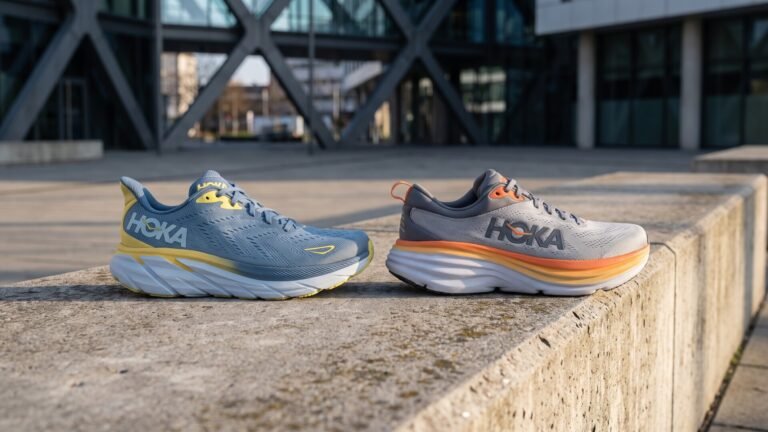
One important note: newer Clifton versions should be evaluated individually. The foam feel, upper fit, and outsole details change between releases. Don’t assume the Clifton 10 feels exactly like the Clifton 9. Check reviews of the specific generation you’re considering.
Best for walking and work
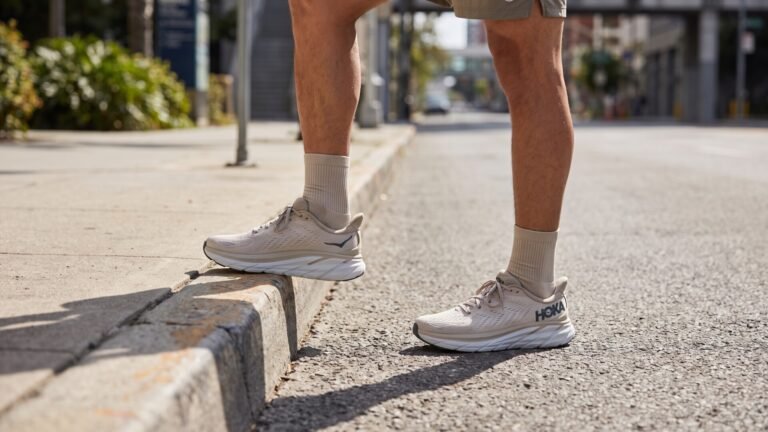
For city walking, commuting, retail work, campus life, and travel, the Clifton is a standout. You get a running shoe’s cushioning without a heavy appearance. It looks like a performance shoe, which fits right in with modern workwear and athleisure.
The limits show up for standing all day. Neutral support and the rocker geometry don’t work for everyone. If you need strong medial guidance or a very stable base, you’ll want something with more structure. For workers who value maximum protection over weight, the Bondi is the better call.
Best for casual styling
The Clifton has carved out a real place in performance-streetwear. Its technical shape works with joggers, nylon pants, relaxed denim, and travel clothing. It reads as modern and athletic, which is exactly what a lot of people want right now.
The style tradeoff is real, though. The tall sole and technical upper don’t suit minimalist outfits or formal casual settings. You’re not wearing these with tailored trousers. If you want a sneaker that disappears into any outfit, this isn’t it.
Color choice matters here. Neutral colors—black, grey, white, or earth tones—are easier to wear across different outfits. A loud seasonal colorway might look great in the store but gets less use over time. If the Clifton is going to be an everyday sneaker, pick a color that works with most of your wardrobe.
What the Hoka Clifton Gets Right – and Where It Falls Short
Strengths
- Lightweight cushioning that feels more usable for everyday wear than a bulky maximum-cushioning shoe.
- Smooth transitions for walking and easy running.
- Strong versatility across commuting, travel, errands, and training.
- Wide-size availability in some versions, depending on the release.
- Distinctive styling that connects performance footwear with contemporary streetwear.
Weaknesses
- Neutral construction may not provide enough guidance for runners who need stability.
- The rocker and high-stack profile can feel unusual to buyers coming from traditional trainers.
- Durability may be less impressive for people using one pair for every activity.
- The Clifton’s price becomes harder to justify if it’s worn only occasionally.
- The tall silhouette is not universally flattering or easy to style.
The hidden cost of choosing the wrong Hoka
This is the part that hurts. If you buy the lighter Clifton when you really need maximum cushioning or stability, you’re looking at a return, a replacement, or a second pair. That’s money wasted.
Conversely, if you buy the heavier Bondi when you wanted an agile daily shoe, you’ll end up with a shoe that feels excessive and gets worn less often. That’s also money wasted.
The decision rule is simple: choose the least shoe that fully meets your comfort and support needs. Don’t buy the biggest midsole. Buy the shoe that fits your actual use case.
Hoka Clifton Compared With Its Main Alternatives
| Shoe | Best for | Ride and support | Main advantage over Clifton | Main drawback |
|---|---|---|---|---|
| Hoka Clifton | Lightweight daily running and walking | Cushioned, neutral, rocker-assisted | Best balance of low weight and cushion | Less stable than structured options |
| Hoka Bondi | Maximum cushioning and long standing | Plush, substantial, neutral | More protective underfoot | Heavier and less agile |
| Hoka Arahi | Mild stability needs | Cushioned with added guidance | Better for runners wanting more structure | Less neutral and potentially less natural |
| Brooks Ghost | Traditional daily training | Balanced, neutral, more conventional | Familiar fit and smoother traditional feel | Less distinctive cushioning and rocker |
| ASICS Gel-Nimbus | Soft daily running and comfort | Plush, neutral | Rich cushioning and upper comfort | Heavier and usually less versatile visually |
The Clifton is the best default for buyers who value low weight and versatility. It’s not the universal winner on softness, stability, or durability. If you want the softest ride, get the Bondi. If you need structure, get the Arahi. If you want a familiar, traditional feel, get the Ghost.
The Clifton vs Bondi comparison is the one most buyers will make. Here’s the short version: Clifton for walking, commuting, and easy running. Bondi for maximum underfoot protection and long standing. The Bondi is more shoe in every sense. The Clifton is less shoe in the best way.
The Clifton vs Brooks Ghost comparison is for people deciding between modern Hoka geometry and a conventional daily trainer. The Ghost feels more familiar, with a firmer transition and a less exaggerated rocker. The Clifton feels more modern and more cushioned. Both are excellent; they just feel different.
One final caution: compare the exact release and return policy. Don’t assume every Clifton iteration feels identical. The differences between versions are real, and a good return policy is your safety net.
Is the Hoka Clifton Worth Buying?
At its typical retail position, the Clifton is a fair deal for what you get. It’s not cheap, but it’s not outrageous for a shoe that can handle running, walking, and casual wear. Seasonal discounts and prior-generation pricing can make it an even better value.
The real value case is cost per wear. A pair worn three to five times per week for commuting, walking, or running offers far better value than a cheaper shoe used only occasionally. The Clifton’s comfort means you’ll reach for it more often, which spreads the cost across more uses.
The Clifton is poor value in specific cases. If you need one shoe for rough outdoor work, you’ll destroy it quickly. If you dislike the Hoka shape, no discount makes it worth buying. If you need stability features, the Clifton won’t provide them, and you’ll end up buying a second pair anyway.
Here’s the purchase strategy that makes sense:
- Buy the current Clifton when fit and color are important or you need the latest upper and foam updates.
- Buy a previous Clifton generation at a discount when the fit works and your use case is ordinary daily running or walking.
- Avoid buying multiple colorways before confirming the shoe’s long-term comfort and durability.
On trend longevity: Hoka’s performance-streetwear relevance is likely to stick around because it’s tied to comfort and active lifestyles, not a fleeting aesthetic. But neutral colors will age more gracefully than highly seasonal versions. If you’re buying for the long haul, keep it simple.
Who Should Buy the Hoka Clifton?
- Runners seeking a lightweight neutral daily trainer for easy and steady miles.
- Walkers, commuters, and travelers who want cushioning without the weight of a maximum-cushioning shoe.
- Buyers who like technical performance styling and want a sneaker that works with casual streetwear.
- People who wear through ordinary trainers quickly and will use the shoe frequently enough to justify its price.
- Shoppers who can choose the correct width rather than compensating for a narrow fit by sizing up.
Who Should Skip the Hoka Clifton?
- Buyers who need structured stability or a highly supportive motion-control shoe.
- People who want the softest, most protective Hoka ride and don’t mind extra weight. Consider the Hoka Bondi instead.
- Runners who prefer a firm, traditional, low-profile trainer.
- Workers who need an especially durable shoe for abrasive job sites, wet conditions, or heavy-duty use.
- Shoppers who dislike conspicuous platform soles or want a minimalist everyday sneaker.
Final Verdict
For most buyers seeking one lightweight, cushioned shoe for daily running, walking, commuting, and travel, the Hoka Clifton is the overall winner. Its strongest advantage is balance. It gives you meaningful cushioning while staying light and wearable across several parts of your day.
It is not the best choice for maximum cushioning, stability, rugged durability, or a traditional running-shoe feel. Don’t buy it expecting any of those things.
If you need maximum cushioning and extended standing comfort, get the Hoka Bondi. If you want more guidance, get the Hoka Arahi. If you prefer a more conventional daily trainer, get the Brooks Ghost.
Before you buy, confirm the width you need and the retailer’s return policy. If the shoe will serve as an everyday sneaker, prioritize a neutral color. And if the fit and your intended use haven’t changed, consider a discounted previous generation. You’ll get nearly the same shoe for less money.
Frequently Asked Questions About Hoka Clifton
Is the Hoka Clifton good for walking?
Yes. The lightweight cushioning and smooth rocker make it a strong walking option. The rocker helps transitions feel fluid, and the low weight keeps your legs fresh on long walks. People who need extra stability or a broad, planted base may prefer another model.
Is the Hoka Clifton good for standing all day?
It offers useful cushioning and low weight, which helps. But prolonged standing comfort depends on your foot shape, support needs, and tolerance for the Clifton’s neutral rocker geometry. If you need structured support, you may want something with more guidance.
Does the Hoka Clifton run true to size?
Generally, yes. Start with your usual running-shoe size. But fit can vary between releases and foot shapes, so check the exact version, width, and return policy before ordering.
Is the Hoka Clifton good for wide feet?
The wide version is the right solution if you need forefoot room. Sizing up can create heel slip and a poor midfoot fit. Check for pressure over the little-toe joint and make sure your heel feels secure.
How does the Hoka Clifton compare with the Bondi?
The Clifton is lighter and more versatile. The Bondi is more substantial and better suited to buyers who prioritize maximum cushioning and protection. If you want one shoe for everything, get the Clifton. If you want the softest ride possible, get the Bondi.
How long does the Hoka Clifton last?
Durability varies with mileage, body weight, running surface, rotation, and use. Outsole wear and midsole compression are the common reasons to replace them. A frequently worn pair may need replacing sooner than a pair you rotate with other shoes.
Can you wear Hoka Clifton shoes casually?
Yes. The Clifton works with athleisure, relaxed denim, travel clothing, and streetwear. The technical silhouette may not suit every outfit, so neutral colors are the safer choice for everyday wear.