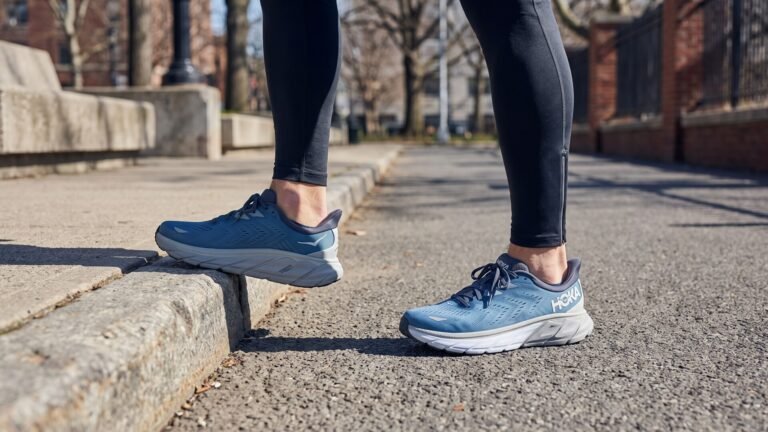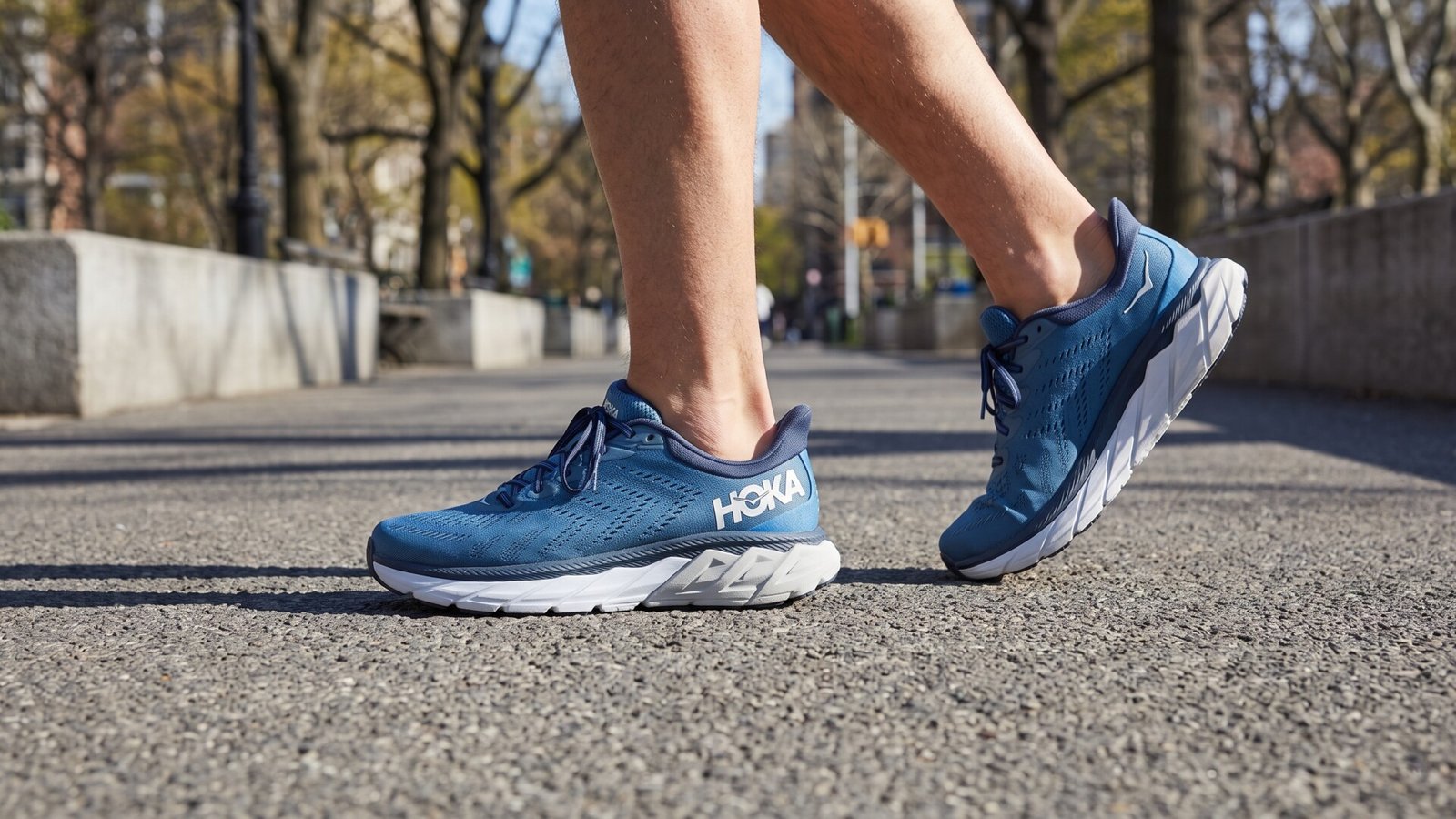
Hoka Arahi Review
Most people don’t actually want to know if the Hoka Arahi is comfortable. That is the wrong question, and it is why so many buyers end up confused. The real question is whether the stability support baked into this shoe makes daily movement feel easier – or whether it makes the ride feel rigid and medical for no benefit. That is the decision hiding behind every "Hoka Arahi review" search.
Here is the quick answer: the Arahi is a strong choice for runners and walkers who want a guided, supportive ride in a lighter package than most stability shoes offer. The tradeoff is real, though. Its stability design can improve confidence and control, but it can also feel less natural and less cushioned than neutral Hoka models like the Clifton.
The reason buyers get stuck is that product listings throw around words like "cushioning" and "stability" without ever explaining how the Arahi actually differs from the Clifton or the Gaviota in daily use. So let’s settle it: who should buy the Arahi, who should skip it, and what you need to check before you order.
Hoka Arahi at a Glance
Before we get into the weeds, here is the short version of what this shoe is and who it serves.
Quick verdict table
| Category | Assessment |
|---|---|
| Best for | Mild-to-moderate stability needs, daily running, walking, and standing |
| Ride | Guided, controlled, moderately cushioned |
| Comfort | Good for everyday use, but not the softest Hoka option |
| Fit | Generally secure and performance-oriented; check width needs carefully |
| Durability | Suitable for regular training, with outsole wear depending on mileage and surfaces |
| Value | Good if the support matches your gait; poor value if you do not need stability |
Editor’s choice and quick recommendations
- Best overall use: Daily running and walking for people who prefer noticeable guidance.
- Best for standing all day: The Arahi, if a stable platform matters more to you than maximum softness.
- Best alternative for plush cushioning: Hoka Clifton.
- Best alternative for stronger support and more protection: Hoka Gaviota.
- Skip it if: You have a very wide forefoot, you dislike structured shoes, or you want a highly flexible casual sneaker.
What the Hoka Arahi Is Designed to Do
Here is the thing most people miss about the Arahi. It is not trying to be the softest shoe Hoka makes, and it is not trying to be the most aggressive stability shoe on the market. It sits in the middle, and that middle is exactly where a lot of runners and walkers actually live.
The Arahi is a stability running shoe. Its job is to guide your foot through the gait cycle while keeping the overall package lighter and less bulky than traditional stability shoes. Hoka does this through what they call a J-Frame – a firmer foam density that runs along the inside of the shoe, supporting the arch side of your foot without the hard plastic post you find in older-school stability models.
That distinction matters. A traditional stability shoe with a hard medial post can feel like it is forcing your foot into one position. The Arahi’s approach is more subtle. You get a shaped, guided platform rather than something that feels like a cast. If you overpronate mildly – meaning your foot rolls inward a bit more than ideal when you land – the Arahi provides gentle resistance that keeps your stride feeling controlled.
But here is the honest part. Stability is not automatically better for every wearer. If you have a neutral gait, meaning your foot rolls naturally and evenly, the guidance the Arahi provides is mostly unnecessary. You might feel it as a slight firmness along the arch, or you might not notice it at all. Either way, you are paying for a feature you do not need.
The crossover appeal for walking, commuting, and standing comes from the same design. The Arahi’s value in those settings is predictable support and low-effort transitions. The rocker-shaped sole that Hoka is known for helps you roll forward smoothly, which reduces the effort of each step. For someone on their feet for hours, that smooth roll can make a real difference in how tired your legs feel by the end of the day.
Ride, Cushioning, and Comfort in Real Use
This is where the Arahi either wins you over or loses you, depending on what your feet actually need.
Cushioning and underfoot feel
The Arahi is not aiming for the deepest, softest sensation in the Hoka range. That honor goes to models like the Bondi or, in a lighter way, the Clifton. The Arahi goes for balance. You get enough cushioning to protect your joints on daily miles, but the foam is tuned to feel controlled rather than squishy.
Who appreciates that? Runners who dislike excessive softness – the kind of shoe that feels great in the store but leaves you feeling unstable on the road. Walkers who want a secure base underfoot. Workers who need support that does not compress into a flat, lifeless slab by hour six.
The tradeoff is obvious the moment you compare it to a Clifton. The Arahi feels firmer and more structured. If you were hoping for that cloud-like Hoka sensation, this is not the shoe that delivers it. The Clifton is. The Arahi trades a little plushness for a lot of control.
Running and walking comfort
For easy runs and daily mileage, the Arahi is a dependable partner. The guidance keeps your foot tracking straight, and the rocker geometry makes each stride feel efficient. It is not a fast shoe, and it is not trying to be. It is a daily trainer, built for logging miles at a comfortable pace.
For brisk walking, commuting, and travel, the same qualities apply. The stable platform means you are not fighting for balance on uneven sidewalks. The cushioning absorbs the impact of hard pavement. And because the shoe is relatively light for a stability model, your feet do not feel like they are carrying bricks by the end of a long airport day.
Here is the thing that surprised me about the Arahi’s comfort profile. It can feel more useful after several hours than a softer but less stable model. A very soft shoe often feels amazing for the first hour and then leaves your feet working harder to maintain stability as the foam compresses. The Arahi’s firmer, guided platform stays consistent. Your feet are not sinking into it, so they are not fighting it.
That said, comfort depends heavily on whether your foot benefits from guidance. If you have a neutral gait, the Arahi might just feel like a slightly firm running shoe. Not bad, but not obviously better than a neutral option.
Standing all day and travel
For standing, the Arahi offers a secure platform. The stable base keeps your weight distributed evenly, and the rocker shape means you are not locked into a flat-footed stance. Some workers who stand on hard floors for hours report that the Arahi reduces the fatigue they felt in softer, less structured shoes.
But we need to be honest about the limits. Standing still is not what this shoe is designed for. It is designed for movement. If your job involves mostly standing with little walking, a softer model might serve you better. The Arahi’s firmer feel can become noticeable when you are not actively moving through the gait cycle.
For travel, the Arahi works well if you are okay with the look. It is unapologetically a technical running shoe. It pairs fine with joggers, athletic pants, and casual travel outfits. It looks out of place with anything tailored or dressy. If you want one shoe that works for a business-casual flight and a long day of sightseeing, this is not it.
One practical note: pair the Arahi with moisture-managing running socks. The upper breathes reasonably well, but a good sock makes a bigger difference than most people expect. And only add an insole if you are sure it will not interfere with the shoe’s existing support geometry. The J-Frame is doing specific work, and a thick aftermarket insole can disrupt it.
Fit, Sizing, and Foot Shape
Fit is where the Arahi gets tricky, and it is also where most returns happen.
Start with sizing. The Arahi is generally approached as a true-to-size running shoe. If you wear a 10 in most running shoes, a 10 is usually right here. But you want enough room in front of your toes for swelling during long runs and walks. Your feet expand when you are moving, and a shoe that fits perfectly in the morning can feel cramped by mile five.
The toe box is moderately shaped. It is not narrow, but it is not genuinely roomy either. This is a performance fit, meaning the shoe holds your foot securely rather than letting it spread out naturally. If you have broad forefeet, do not just size up to solve the problem. Extra length creates heel slip and poor control, which defeats the purpose of a stability shoe. Look for the wide version of the Arahi instead.
Who fits the Arahi best? Medium-width feet. Runners who prefer a locked-in heel. Wearers who need stable midfoot support and like feeling connected to the shoe.
Who should be cautious? Very wide feet. High-volume feet that need a lot of vertical space. People sensitive to arch contact – the J-Frame is firmer along the inside of the shoe, and some wearers feel that pressure more than others. And anyone who prefers an unstructured, flat-feeling shoe with lots of toe room.
Here is a fit checklist that applies to any running shoe but matters especially here:
- Try the shoe later in the day when your feet are slightly swollen.
- Wear the socks you plan to use for running or walking.
- Check for heel slip by walking and making sure your heel stays locked in place.
- Ensure your toes can wiggle without touching the front of the shoe.
Fit can vary between Arahi versions, so check reviews for the specific model year you are considering. Hoka has made small tweaks to the upper and last over the years, and what fit perfectly in the Arahi 6 might feel different in the Arahi 7. If you are between sizes, the general advice is to size up rather than down, since a slightly long shoe is easier to manage than one that is too short.
Design, Materials, and Durability
The Arahi has a clear visual identity. It looks like what it is: a technical running shoe built for performance. The silhouette is unmistakably Hoka, with that exaggerated rocker sole and stacked midsole. It works well with activewear, airport outfits, joggers, and casual streetwear. It is less versatile with tailored or minimalist clothing.
One thing buyers sometimes notice is that the Arahi feels lighter and less substantial than they expected from a stability shoe. That is by design. Hoka built the Arahi to offer guidance without the heavy, clunky feel of traditional maximum-support models. The tradeoff is that it does not have the armored, heavy-duty feel some people associate with stability shoes.
In terms of durability, the Arahi holds up reasonably well for a daily trainer, but it is not indestructible. The likely wear points are predictable:
- Outsole abrasion in high-contact areas, especially the heel and forefoot where you strike the ground.
- Creasing or thinning in the upper mesh, particularly around the toe box and the flex points.
- Compression of the midsole foam over time, which reduces cushioning and changes the feel of the ride.
- Loosening of the heel counter or lacing system with heavy use.
A realistic ownership framework is simpler than most people think. Mileage, body weight, running surface, rotation, and cleaning habits matter more than calendar age. A 150-pound runner who rotates the Arahi with another pair and runs mostly on soft surfaces will get far more life out of it than a 220-pound runner who wears it every day on concrete.
That brings up a point worth making. Rotating the Arahi with another pair preserves cushioning. Foam needs time to decompress between uses. Wearing the same shoe every day, especially for all-purpose use beyond running, compresses the midsole faster and shortens the shoe’s useful life.
Care advice is straightforward. Let the shoe air out after use rather than stuffing it in a gym bag. Clean the mesh gently with a soft brush and mild soap. Avoid machine washing unless the manufacturer explicitly permits it – the heat and agitation can break down the foam and adhesives. And replace the pair when comfort and support have clearly declined, not just when the tread looks worn. A shoe with visible tread but dead cushioning is not protecting your feet anymore.
Hoka Arahi Compared With Its Closest Alternatives
The Arahi does not exist in a vacuum. Most buyers are choosing between it and a few other shoes, and the decision comes down to what your feet actually need.
| Shoe | Best for | Ride and support | Main advantage | Main drawback |
|---|---|---|---|---|
| Hoka Arahi | Mild-to-moderate stability needs | Guided and moderately cushioned | Support without the bulk of a maximum-stability shoe | Less plush and less natural-feeling than neutral options for some users |
| Hoka Clifton | Neutral runners and walkers wanting lighter, softer cushioning | Neutral and cushioned | More versatile for buyers who do not need stability | May feel less controlled for people seeking guidance |
| Hoka Gaviota | Stronger support and maximum comfort | More substantial and supportive | More protective platform for long walks and demanding daily use | Heavier, bulkier, and less agile |
| Brooks Adrenaline GTS | Traditional stability feel and dependable daily training | Guided, familiar stability ride | Proven all-rounder for runners who prefer a conventional feel | Less distinctly Hoka in geometry and underfoot sensation |
| ASICS GT-2000 | Stable daily running with a more structured performance feel | Responsive and guided | Good option for runners wanting a firmer, more athletic ride | May feel less relaxed for walking and standing than the Arahi |
Let us walk through the scenarios that actually decide this purchase.
Choose the Arahi over the Clifton when stability and foot guidance are the deciding factors. If your foot rolls inward and you feel it in your knees or ankles after long walks, the Arahi’s support is worth more than the Clifton’s extra softness.
Choose the Clifton over the Arahi when you have a neutral gait and want a simpler, softer daily shoe. The Clifton is one of the most versatile shoes Hoka makes, and if you do not need stability, there is no reason to pay for it or feel it.
Choose the Gaviota when you want maximum protection, more room to settle into the ride, or stronger support than the Arahi provides. The Gaviota is the Arahi’s bigger, more supportive sibling. It is heavier and bulkier, but it offers a more substantial platform for long walks and demanding daily use.
Consider the Brooks Adrenaline GTS or ASICS GT-2000 when you prefer a more traditional stability-running experience. The Adrenaline is the classic stability shoe, with a familiar feel that has convinced millions of runners over decades. The GT-2000 offers a firmer, more athletic ride. Both are excellent shoes. They just do not have Hoka’s distinctive rocker geometry or underfoot sensation.
What Most Buyers Get Wrong About the Hoka Arahi
There are a few misconceptions about the Arahi that lead people to buy the wrong shoe. Let us clear them up.
Mistaking stability for universal comfort. This is the big one. A stability feature only helps if you benefit from the type of guidance it provides. More support can make a neutral runner feel restricted. It can create unwanted pressure along the arch. It can change your stride in ways that feel wrong. Stability is a tool, not a universal upgrade.
Assuming every Hoka feels equally soft. Hoka built its reputation on maximum cushioning, but the brand makes shoes across a wide range of feels. The Arahi is firmer and more structured than the Clifton. The Bondi is softer than both. The brand name alone does not tell you how a specific shoe will feel underfoot.
Sizing up to solve width problems. This is the most common fit mistake. If the Arahi feels narrow, the answer is not to buy a half size up. Extra length creates heel movement, which leads to blisters and poor control. That is especially bad in a stability shoe, where the whole point is keeping your foot guided and secure. Look for the wide version instead.
Buying it as a lifestyle sneaker first. The Arahi can work for casual wear, but its technical shape and support structure are most valuable when you are walking, running, commuting, or standing for hours. If you just want a sneaker to wear with jeans on the weekend, there are better-looking, more comfortable options at a lower price.
Judging value by retail price alone. The Arahi’s value depends on whether it reduces fatigue and remains useful across several activities. A cheaper neutral shoe is not a bargain if you actually need stability. Conversely, the Arahi is a waste of money if you do not need its support features. Price only matters relative to what the shoe does for you.
Which Option Still Makes Sense in Three Years?
Here is a question most reviews never ask: will you still be glad you bought this in three years?
The Arahi has better staying power as a functional purchase than as a fashion statement. Stability running shoes are not dependent on short-lived sneaker trends. Nobody is going to look at your Arahi in three years and think it is dated, because it was never about being trendy in the first place. It is a tool. Tools do not go out of style.
Think about cost per wear. If you run in the Arahi three times a week, you are looking at roughly 150 wears in a year. At a typical retail price around $150, that is a dollar per run in the first year alone. If the shoe lasts into a second year, the cost drops further. Compare that to a $200 lifestyle sneaker you wear twice a month, and the Arahi is dramatically better value for anyone who actually uses it as intended.
The hidden cost of choosing wrong is worth naming. Discomfort leads to unused pairs. Unused pairs lead to replacement insoles bought in desperation. Poor fit leads to return shipping fees or a second shoe purchased to compensate. Buyers who skip the fit check often end up spending more overall than they would have on the right shoe from the start.
Resale is not a factor here, and you should not pretend it is. Used performance running shoes have limited resale appeal compared with hyped lifestyle sneakers. Nobody is paying a premium for your gently worn Arahi. That means you should choose based on wearability, not on any expectation of recovering your money later.
The way to extend the Arahi’s useful life is simple: rotate it with another pair, use it for the activities it is designed for, clean it gently, and replace it when the cushioning or guidance no longer feels consistent. The tread can look fine while the midsole is dead. Trust your feet over your eyes.
Here is the three-year verdict. The Arahi makes sense when it becomes a dependable workhorse – the shoe you grab for daily runs, long walks, travel days, and hours on your feet. It does not make sense when you want one fashionable sneaker for every setting. Know which buyer you are before you order.
Who Should Buy the Hoka Arahi?
Let us make this simple.
- Runners who want a guided daily trainer without moving to the heavier feel of a maximum-support shoe.
- Walkers, commuters, and travelers who appreciate a stable platform over long distances.
- People who spend long hours on their feet and prefer controlled cushioning to an extremely soft ride.
- Buyers who like Hoka’s rocker-shaped running geometry but need more guidance than a neutral model offers.
- Existing stability-shoe wearers looking for a lighter, less traditional alternative.
If you recognize yourself in any of those descriptions, the Arahi is worth serious consideration.
Who Should Skip the Hoka Arahi?
Equally important is knowing when to walk away.
- Neutral runners who do not need structured support and want a more natural, flexible ride.
- Buyers who prioritize the softest possible cushioning and should look at the Hoka Clifton or Hoka Gaviota instead.
- People with very wide or high-volume feet who cannot get a secure fit in the available width options.
- Shoppers seeking a low-profile, minimalist, or fashion-first sneaker.
- Gym users who need a stable, flat platform for lifting. The Arahi’s running geometry is not designed for that purpose.
- Buyers with persistent foot pain or a medical concern who should seek individualized advice from a qualified professional rather than choosing a shoe based only on an online review.
That last one matters. If you have plantar fasciitis, severe overpronation, or any ongoing foot condition, a review like this can help you understand your options, but it cannot replace a proper assessment. See a professional. Your feet are worth more than a guess.
Final Verdict
The Hoka Arahi is a worthwhile buy for runners and walkers who need mild-to-moderate stability and want a lighter, more usable daily shoe. Its strongest advantage is balance. It offers guidance without feeling as substantial as the Gaviota, and it delivers that support in a package that works for running, walking, commuting, and long days on your feet.
Its limits are real. It is not the softest Hoka. It is not the best choice for every neutral runner. And it is not a true lifestyle sneaker, no matter how many people try to wear it that way.
Buy the Arahi when stability, daily comfort, and long-term practicality matter more to you than maximum softness or fashion versatility. If you need neutral cushioning, get the Clifton. If you need a more protective, supportive ride, get the Gaviota. But if you are the buyer the Arahi was built for – someone whose feet need guidance without feeling locked into a heavy stability shoe – this is the one.
Frequently Asked Questions About Hoka Arahi
Is the Hoka Arahi good for walking?
Yes, for most walkers. The guided platform keeps your foot tracking straight, and the rocker sole makes each step feel efficient. It is a strong choice for everyday walking, commuting, and travel. If you have a neutral gait and want a softer feel, a neutral model like the Clifton may serve you better. If you need more toe room, check the wide version before ordering.
Is the Hoka Arahi good for standing all day?
It depends on your foot and your preferences. The stable platform can help some workers feel more secure and less fatigued on hard floors. But the shoe is designed for movement, not stationary standing. If you prefer a soft, flexible work shoe, the Arahi may feel too structured. If you want a controlled, supportive base, it is worth trying.
Does the Hoka Arahi run true to size?
Generally, yes. Most buyers take their usual running shoe size. Leave enough room in front of your toes for swelling during long runs and walks. Check the specific version and width rather than relying only on the size printed in another shoe, since fit can vary between Arahi models.
Is the Hoka Arahi good for wide feet?
Only if you get the wide version. The standard width has a moderately shaped toe box that is not genuinely roomy. Do not size up to solve a width problem – extra length creates heel slip and poor control. Look for the wide option instead.
What is the difference between the Hoka Arahi and Clifton?
The Arahi is a stability shoe with a guided, controlled ride. The Clifton is a neutral shoe with softer cushioning. If you need foot guidance, choose the Arahi. If you have a neutral gait and want a simpler, softer daily shoe, choose the Clifton.
What is the difference between the Hoka Arahi and Gaviota?
The Gaviota offers stronger support and a more substantial, protective platform. It is heavier and bulkier than the Arahi. Choose the Gaviota for maximum support and protection. Choose the Arahi when you want guidance in a lighter, more agile package.
How long does the Hoka Arahi last?
There is no guaranteed mileage. Lifespan depends on your body weight, running surface, rotation habits, and how you care for the shoe. Replace the Arahi when the cushioning or guidance no longer feels consistent, even if the tread still looks fine. Dead foam does not protect your feet, regardless of what the outsole looks like.