Jordan Retro vs OG: Which Should You Buy?
What’s good, Street Sneakers Vault fam! Let’s settle a debate that’s been raging in group chats, Discord servers, and sneaker conventions for decades. You see a pair of Jordan 1s on the shelf. One box says "OG," the other says "Retro." The price tags are wildly different. The hype levels are different. But what’s the actual difference?
Real talk, this isn’t just about a label. This is about history, materials, comfort, and cold hard cash. Whether you’re a seasoned collector with a climate-controlled vault or a newbie looking for your first pair of heat, you need to know what you’re paying for. Are you buying a piece of history, or are you buying a daily driver? Sometimes they’re the same thing, but often they’re not.
We’ve spent years breaking down the culture, wearing the kicks, and analyzing the market. Today, we’re breaking down the Jordan Retro vs OG debate with no filter. We’re looking at the craftsmanship, the feel on foot, the resale game, and the everyday practicality. By the end of this, you’ll know exactly which path is right for your wallet and your rotation.
Let’s get into it.
Understanding Jordan OG Sneakers
First up, we gotta talk about the originals. When we say OG, we’re not just talking about the original colorway of a shoe. In the strictest sense, an OG Jordan is a pair that represents the original release—the actual model from the year it dropped, or a faithful reproduction of that specific build and design ethos.
These are the shoes that started it all. The Air Jordan 1, the 3, the 4, the 11—these aren’t just shoes; they are the foundation of the entire sneaker industry. The OG is the blueprint. It’s the shoe that Michael Jordan actually wore on the court during his legendary seasons.
Authenticity and Cultural Significance
When you hold an OG Jordan, you’re holding a piece of history. The design language, the silhouette, the color blocking—it all speaks to a specific era. The "Bred" Jordan 1 wasn’t just a shoe; it was a rebellion. The NBA tried to ban it, and that story became legendary. That cultural weight is baked into the DNA of the original releases.
For collectors, the authenticity is non-negotiable. You’re not just paying for leather and rubber; you’re paying for the story. You’re paying for the connection to Michael Jordan’s legacy. These are the shoes that broke records and rules. The cultural significance is massive. It’s the difference between owning a classic muscle car and owning a modern sports car that looks like a classic. The soul is in the OG.
Premium Materials and Craftsmanship
Now, let’s talk about the build. In many cases, the OG releases—especially the higher-end "Remastered" versions Nike has been putting out—use premium materials. We’re talking about full-grain leather that’s thick, supple, and breaks in beautifully over time. The stitching is tighter. The attention to detail is on another level.
The craftsmanship on a true OG is usually superior because Nike treats these releases as flagship products. They know the purists are watching, and they bring their A-game. The molds are often more accurate to the original, and the overall shape is sleeker and closer to what MJ actually wore. It’s not just a shoe; it’s a piece of art that you can wear.
Examples of Popular OG Models
Let’s look at the heavy hitters that define the OG category.
- Air Jordan 1 (Bred): This is the holy grail for many. The black and red colorway is iconic. The OG high-top silhouette with the Nike Air branding on the tongue and insole is a must-have for any serious collector. It’s the shoe that started the empire.
- Air Jordan 3 (White/Cement): This is the shoe that saved Jordan’s career with Nike. Designed by Tinker Hatfield, it introduced the visible Air unit and the elephant print. The White/Cement colorway is arguably the most iconic, and the OG build features that beautiful tumbled leather and the classic Nike Air heel branding.
These are the pillars of the culture. They are the grails that people chase for years.
Exploring Jordan Retro Sneakers
Alright, now let’s talk about the other side of the coin. Retros. The term "Retro" in the sneaker world means a re-release of a classic model. But it’s not just a 1:1 copy. Retros are where Nike gets to play with the formula.
They take the classic silhouettes we love and update them for the modern era. Sometimes that means new colorways that never existed. Other times, it means tweaking the materials or the technology to make them more wearable for today’s lifestyle.
Definition and History of Retro Jordans
The Retro line officially kicked off in the late 90s and early 2000s. As the original Jordan models were getting harder to find, Nike saw the demand and started bringing them back. This was a game-changer. It allowed a new generation of sneakerheads to get their hands on the shoes they saw in old highlight reels.
But the Retro line isn’t just about rehashing the past. It’s about evolution. Nike started experimenting with new colorways, materials like suede and patent leather, and even new technologies like Flyknit or modern foam cushioning. The Retro line is where the classic meets the contemporary.
Key Features of Retro Sneakers
- Modern Updates: Retros often feature updated cushioning. For example, the Air Jordan 4 Retro might have a slightly different foam compound that’s more comfortable for all-day wear than the original polyurethane.
- Variety and Colorways: This is where Retros shine. You get the "Thunder," the "Lightning," the "Military Black," and countless other colorways that don’t exist in the OG history. This gives you more options to match your personal style.
- Accessibility and Affordability: While some Retros are hyped and limited, they are generally produced in much larger quantities than true OG releases. This means you have a better chance of getting them at retail price, and the resale prices are usually lower.
Examples of Popular Retro Models
- Air Jordan 4 (Thunder): This is a perfect example of a Retro that has become iconic in its own right. The "Thunder" colorway—a black and yellow suede combo—was originally released in 2006 and has been retroed a few times. It’s not an OG colorway, but it’s a fan favorite.
- Air Jordan 11 (Bred): The 11 is a special case. The Bred colorway is actually an OG, but the modern retros are significantly different from the originals. They feature a different patent leather cut and updated cushioning. The retros are also released in massive numbers, making them easier to get than the limited OG drops.
Retros are the workhorses of the sneaker world. They are the shoes you can actually wear without feeling like you’re destroying a museum piece.
Key Differences Between Jordan Retro and OG
Now we’re getting to the meat of the matter. What actually separates these two categories? It’s more than just the box label.
Design and Aesthetic
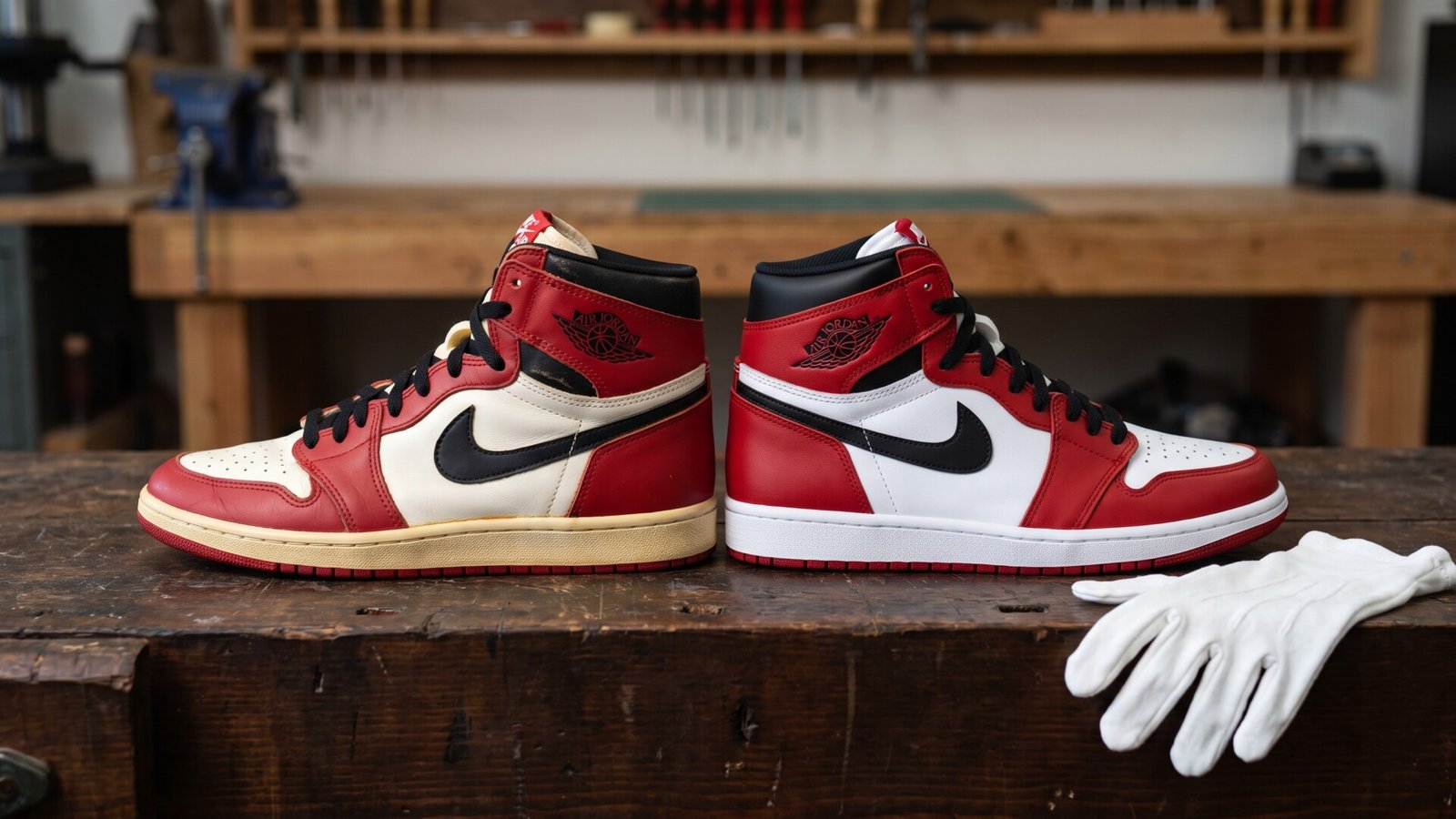
The design philosophy is different. OG Jordans are about historical accuracy. The shape is truer to the original, the color blocking is classic, and the materials are chosen to replicate the feel of the 80s and 90s. It’s a vintage aesthetic that screams "I know my history."
Retros, on the other hand, are about evolution. They might have a slightly different shape—often a bit chunkier or more padded in the collar—and they feature new colorways that are designed to pop in the modern fashion landscape. The aesthetic is more versatile, blending seamlessly with today’s streetwear and casual fits.
Comfort and Technology
This is a big one. Let’s be real: the original Air Jordan 1 from 1985 is not a comfortable shoe by modern standards. It’s basically a flat piece of rubber with a thin insole. It’s cool, but it’s not made for standing all day.
OG releases that are "Remastered" often try to stay true to the original foam, which means they can feel stiff at first. They take time to break in.
Retros, however, often get the benefit of modern tech. While they don’t have full-length Zoom Air like a modern basketball shoe, they do get updated polyurethane foams that are more responsive and comfortable right out of the box. The Air Jordan 11 Retro, for example, has a full-length Air unit that feels much better underfoot than the original.
If you’re planning to wear your kicks for hours on end, the Retro is usually the more comfortable choice.
Availability
This is where the market dynamics really kick in. True OG releases are often limited. They might drop once every few years, and when they do, they are in low quantities. This creates massive hype and high resale prices.
Retros are produced in much larger numbers. You can often find them sitting on shelves or easily grab them on release day. The scarcity is lower, which means the price is more reasonable.
Who Should Buy Jordan OGs?
Alright, let’s talk about the buyer. Who is the OG for?
Buyer Archetype: The Collector and Purist
If you are a collector who values history above all else, you are the OG buyer. You’re the person who wants the exact shoe that MJ wore. You appreciate the nuances of the original design, and you’re willing to pay a premium for that authenticity.
You’re also likely an investor. You understand that OG releases, especially the "Bred" 1s and "White Cement" 3s, are blue-chip assets. They hold their value and often appreciate over time.
Benefits of Investing in OGs
- Long-term Value: OG releases are like fine wine. They get more valuable as time goes on. The scarcity and the historical significance ensure that demand remains high.
- Cultural Cred: Wearing an OG is a flex. It shows you know the culture. It’s a conversation starter. It tells people you’re not just following the hype; you understand the roots.
Downsides to Consider
- Higher Price Point: You’re going to pay a premium for OGs. The retail price is often higher, and the resale market can be brutal. You might be paying two or three times the retail price.
- Limited Availability: You can’t just walk into a store and buy an OG. You have to win raffles, camp out, or pay resale prices. It takes effort.
If you’re a purist who wants the grails, the OG is your path.
Who Should Buy Jordan Retros?
Now, let’s talk about the other side. Who is the Retro for?
Buyer Archetype: The Casual Sneakerhead and Style Enthusiast
If you love Jordans but you’re not trying to make a museum exhibit, you’re the Retro buyer. You want to look good, feel good, and not break the bank. You’re into the variety and the ability to wear your kicks without stressing about every scuff.
You might be new to the game, or you might be a seasoned vet who just wants comfortable, wearable heat.
Benefits of Choosing Retros
- Affordability: Retros are generally more accessible price-wise. You can often get them at retail, and the resale market is much more forgiving.
- Variety: You have a ton of colorways to choose from. You can have a pair for every outfit. You’re not limited to the classic color blocking.
Downsides to Consider
- Potentially Lower Resale Value: Unless you hit a super limited Retro collab, your Retros probably won’t appreciate in value as much as an OG.
- Quality Differences: In some cases, the materials on Retros can be less premium than the OG "Remastered" releases. Nike sometimes uses synthetic leather or different cuts to keep costs down.
If you want to wear your Jordans every day and have fun with the style, the Retro is your move.
Ownership Perspective
Let’s get practical for a second. We need to talk about the cost per wear and how these shoes fit into your life.
Cost Per Wear Analysis
Let’s say you buy a pair of OG Jordan 1 Breds for $500 on resale. If you wear them once a week for a year, that’s 52 wears. That’s roughly $9.60 per wear. That’s not terrible.
But if you wear them once a month, that’s 12 wears, and the cost per wear jumps to over $40. That’s expensive.
Now, let’s say you buy a pair of Retro Jordan 4 Thunders for $200 at retail. If you wear them twice a week, that’s 104 wears in a year. That’s less than $2 per wear. That’s a steal.
The math is simple: if you’re going to wear your shoes, Retros offer a much better cost per wear. If you’re going to display them, OGs are the better investment.
Trend Longevity
OGs are timeless. The "Bred" 1 will never go out of style. It’s a cultural icon. It will always be relevant.
Retros are more tied to current trends. The "Thunder" 4 was hot in 2006, then it wasn’t, then it came back. The trend cycle is real. Some Retros will always be popular, but others will fade.
If you want a shoe that will be cool forever, go OG. If you want to ride the current wave, go Retro.
Market Context
The sneaker market is always shifting. Right now, we’re seeing a huge resurgence in retro basketball shoes. The chunky, vintage aesthetic is dominating fashion. This is great for both OGs and Retros.
However, we’re also seeing a market correction. The crazy resale prices of 2020-2021 are cooling down. This means it’s a better time to buy, but it also means that some Retros are sitting on shelves.
The key trend is that OG releases are becoming more exclusive. Nike is limiting the numbers to maintain the hype. Retros are becoming more accessible, which is great for the average consumer but makes them less of an "investment."
Final Verdict
So, Jordan Retro vs OG: which should you buy? Real talk, there’s no single right answer. It depends on your goals.
When to Go OG:
- You are a collector or investor.
- You value history and cultural significance above all else.
- You want a shoe that will hold or increase its value.
- You are willing to pay a premium for authenticity.
When to Choose Retro:
- You are a casual wearer who wants comfort and style.
- You want variety and don’t want to stress about scuffs.
- You are on a budget and want the best bang for your buck.
- You want a shoe you can wear every day without feeling like you’re losing money.
Both options have their merits. The OG is the grail. The Retro is the daily driver. You need to decide if you’re building a museum or building a rotation.
Conclusion
At the end of the day, the Jordan Retro vs OG debate is about what you value more: history or usability. Both are incredible, and you can’t go wrong with either. Just be honest with yourself about your budget and your lifestyle.
If you want a piece of history that will appreciate in value, go for the OG. If you want a fresh pair of kicks you can beat up and enjoy, go Retro. The choice is yours.
Remember, it’s not about the hype. It’s about what makes you happy when you lace up.
Street Sneakers Vault – Keeping you fresh since day one.
Frequently Asked Questions About Jordan Retro vs OG Sneakers
What makes OG Jordans more valuable?
OG Jordans are more valuable because of their scarcity and historical significance. They are often released in limited quantities and represent the original design from Michael Jordan’s era. The premium materials and cultural weight drive up demand, making them a solid investment.
Are Retro Jordans worth the price?
Absolutely, if you plan to wear them. Retros offer modern comfort and a ton of style options at a more accessible price point. The cost per wear is much lower, making them a smart buy for everyday sneakerheads.
How do OG and Retro sneakers fit in terms of sizing?
In general, OG and Retro Jordans fit true to size. However, OG models from the 80s and 90s can run a bit narrow. If you have wide feet, you might want to go half a size up. Retros are usually more accommodating, but it’s always best to try them on or check reviews.
Can you wear OGs casually, or are they better for collectors?
You can absolutely wear OGs casually, but you need to be prepared for the wear and tear. The premium leather will crease, and the soles will wear down. If you’re okay with that, go for it. If you want to preserve their value, they are better for display and occasional wear.
Whatu2019s the best way to clean and maintain both OG and Retro sneakers?
The best way is to use a gentle sneaker cleaner and a soft brush. For OG models with premium leather, use a conditioner to keep the material supple. For Retros with suede or nubuck, use a suede brush and eraser. Always stuff your shoes with paper to help them hold their shape when drying.