On Cloud X Review
Let’s get one thing straight right now: the On Cloud X is not a running shoe. Not really. It looks like one, it carries the same Swiss brand that sponsored hell of a lot of marathons, and it has a name that sounds like it should be clocking 10K PRs. But the moment you take it out for a long road run, you will feel the disconnect. The ride is firm, the cushioning is measured, and your feet will start talking to you around mile five.
Here is the actual truth: the Cloud X is a hybrid training shoe that happens to be okay at short runs. It is built for the gym, for circuits, for classes, for the commute, and for the guy who wants one good-looking pair that can handle a Tuesday squat session and a Saturday coffee run. If that sounds like you, this review is going to make your day. If you are shopping for a dedicated road runner, keep scrolling – I will point you somewhere better before we are done.
The question that decides everything is simple: do you value versatility and a firm, responsive feel, or are you after plush comfort and specialized performance? Answer that honestly and the Cloud X either becomes the smartest buy in your rotation or a very expensive mistake.
On Cloud X At a Glance
Before we dig into the details, here is the quick version for people who have places to be.
| Feature | On Cloud X |
|---|---|
| Approximate Price | Usually around $150, depending on version and retailer |
| Best Use | Gym training, short runs, classes, commuting, active daily wear |
| Comfort | Firm and responsive, not soft or deeply cushioned |
| Fit | Close-fitting with a performance-oriented shape |
| Durability | Good for mixed use; depends heavily on training surface |
| Overall Value | Strongest for buyers who use its cross-training versatility regularly |
Best for: People who want one athletic shoe that moves between gym work, short runs, and casual wear without missing a beat.
Avoid if: Your main goal is long-distance road running, you need maximal cushioning, or you have naturally wide feet that hate compression.
Editor’s verdict: The Cloud X is a legitimately good hybrid trainer. Buy it for mixed training. If you are a dedicated runner, get a purpose-built On model like the Cloudsurfer or Cloudmonster instead – I will explain the difference below.
What the On Cloud X Is Designed To Do
On does not market the Cloud X as a running shoe, and that is the first thing you need to understand. They position it as a training shoe built for people who move between disciplines. One session you are on the treadmill warming up, the next you are on the floor doing lunges and med-ball slams, and later you are walking to work. The Cloud X is supposed to handle all of that without making you change shoes.
That is a harder job than it sounds. A dedicated running shoe gets to obsess over one thing: forward motion, cushioning, and energy return. A training shoe has to be a generalist. It needs enough cushioning to make a three-mile warm-up bearable, but it also needs firmness and lateral stability so you do not roll an ankle during side shuffles or feel like you are standing on marshmallows while you squat.
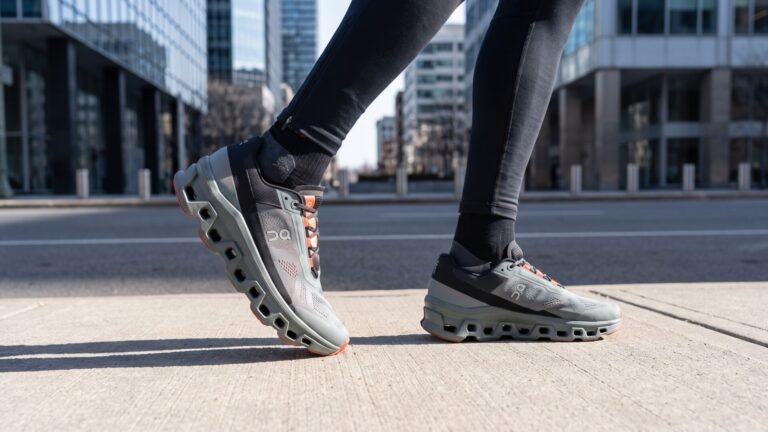
The Cloud X walks that line with a lightweight build and a surprisingly stable platform. The upper is structured and holds your foot securely during direction changes. The CloudTec sole – those distinctive hollow pods you see on every On shoe – compresses on impact but does not give you that deep, sinking sensation you get from maximalist runners. It is a controlled, responsive feel that works well when you are shifting weight, changing direction, and moving through a workout.
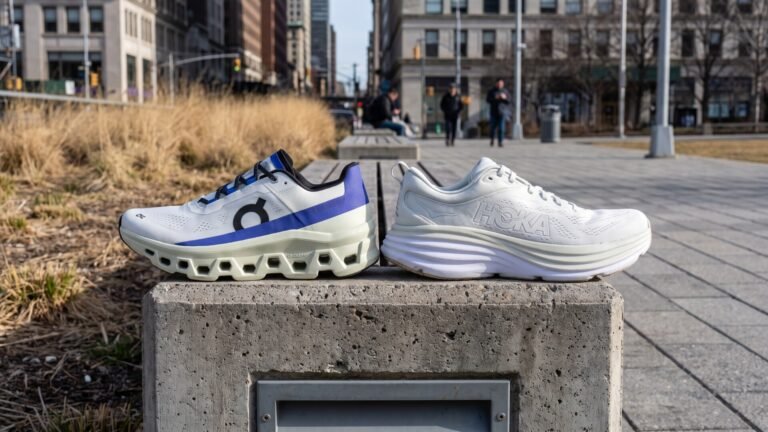
Here is where people get confused. On’s lineup includes the Cloudsurfer and the Cloudmonster, both of which are actual running shoes with softer, more generous cushioning. The Cloud X is not those. It sits in On’s training category, and it shares more DNA with cross-training shoes than with road runners. If you walked into a store and grabbed the Cloud X because it looked athletic, you might be taking home the wrong tool for your main activity.
Design, Style, and Everyday Wear
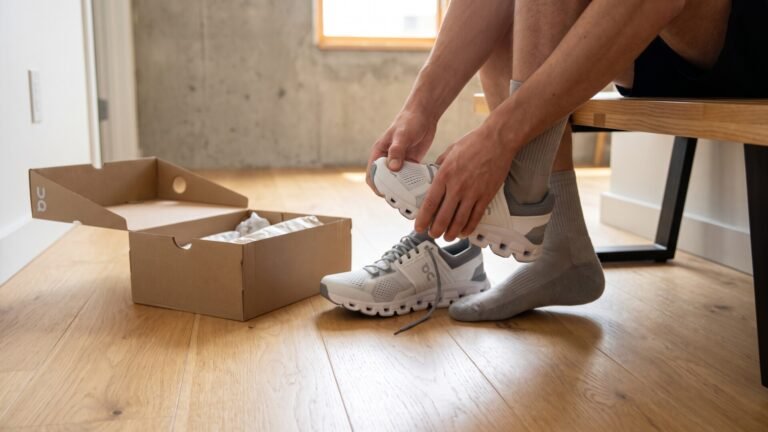
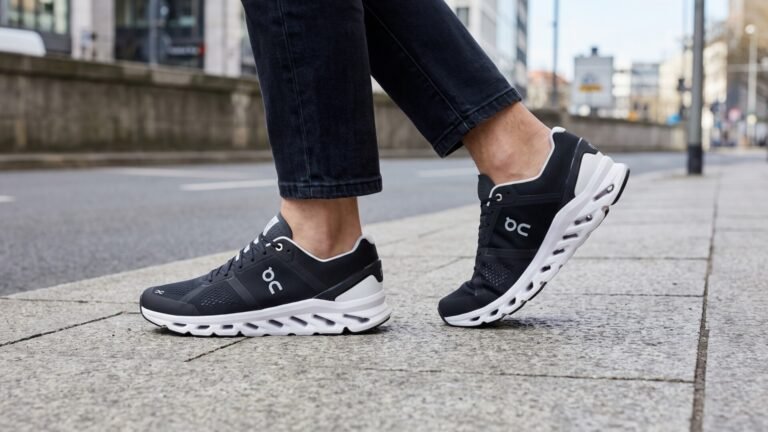
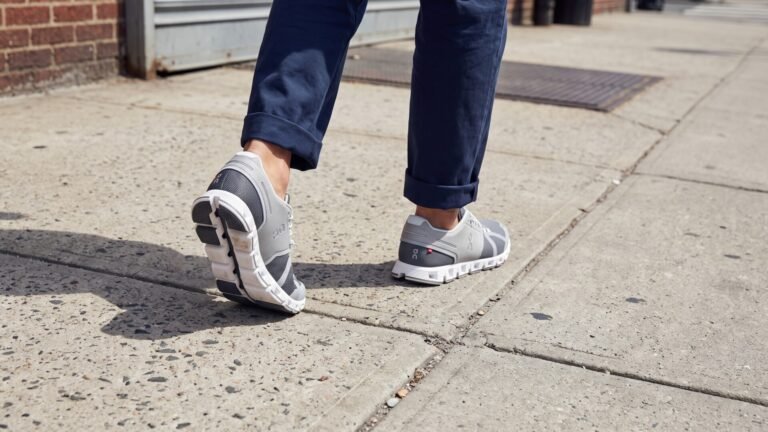
Let’s talk about looks, because the Cloud X is one of those shoes that wins people over before they even try it on. The CloudTec sole is immediately recognizable – those hollow pods stacked under the heel and forefoot give it a technical, engineered appearance that screams performance. The upper is streamlined and clean, with minimal overlays and a sock-like fit that looks sharp in motion.
On has spent the last few years moving from specialist performance brand into premium everyday athletic wear, and the Cloud X benefits from that positioning. You see these shoes everywhere now – not just at the gym, but at coffee shops, on commuter trains, and in airport security lines. The brand has become a status signal for people who want to look like they take fitness seriously, even on rest days.
Styling-wise, the Cloud X is more versatile than you might expect. It works with joggers and technical trousers, pairs fine with shorts, and can even pass with dark denim if you are not trying to look like a fashion plate. The one thing to know: the pronounced sole gives it a performance-led look. This is not a minimalist sneaker that disappears under a fit. It makes a statement, and some people love that while others find it overdesigned.
Practical ownership details matter here. Light colorways show dirt quickly – that is just the reality of white and cream mesh. The technical upper can feel too athletic for office-casual settings, so if your workplace is business casual, these are probably not your Friday shoe. And the distinctive On look? Some buyers love the flex, others find it busy. That is personal taste, and no review is going to settle it for you.
Compared to training alternatives like the Nike Metcon 9, Reebok Nano X4, and Adidas Dropset 3, the Cloud X is the most lifestyle-friendly of the group. The Metcon looks like a gym shoe through and through. The Nano is a bit more relaxed but still reads as athletic. The Cloud X is the one you can wear to brunch after your morning session without looking like you forgot to change.
Comfort and Performance In Real Use
Step into the Cloud X and the first thing you notice is the weight – or rather, the lack of it. These are light shoes, and they feel nimble on foot. The second thing you notice is the firmness. If you are coming from a maximalist runner or a thickly cushioned daily trainer, the Cloud X will feel almost minimal in comparison. That is not a flaw. It is a design choice, and it makes sense once you understand what the shoe is for.
Let’s break it down by activity.
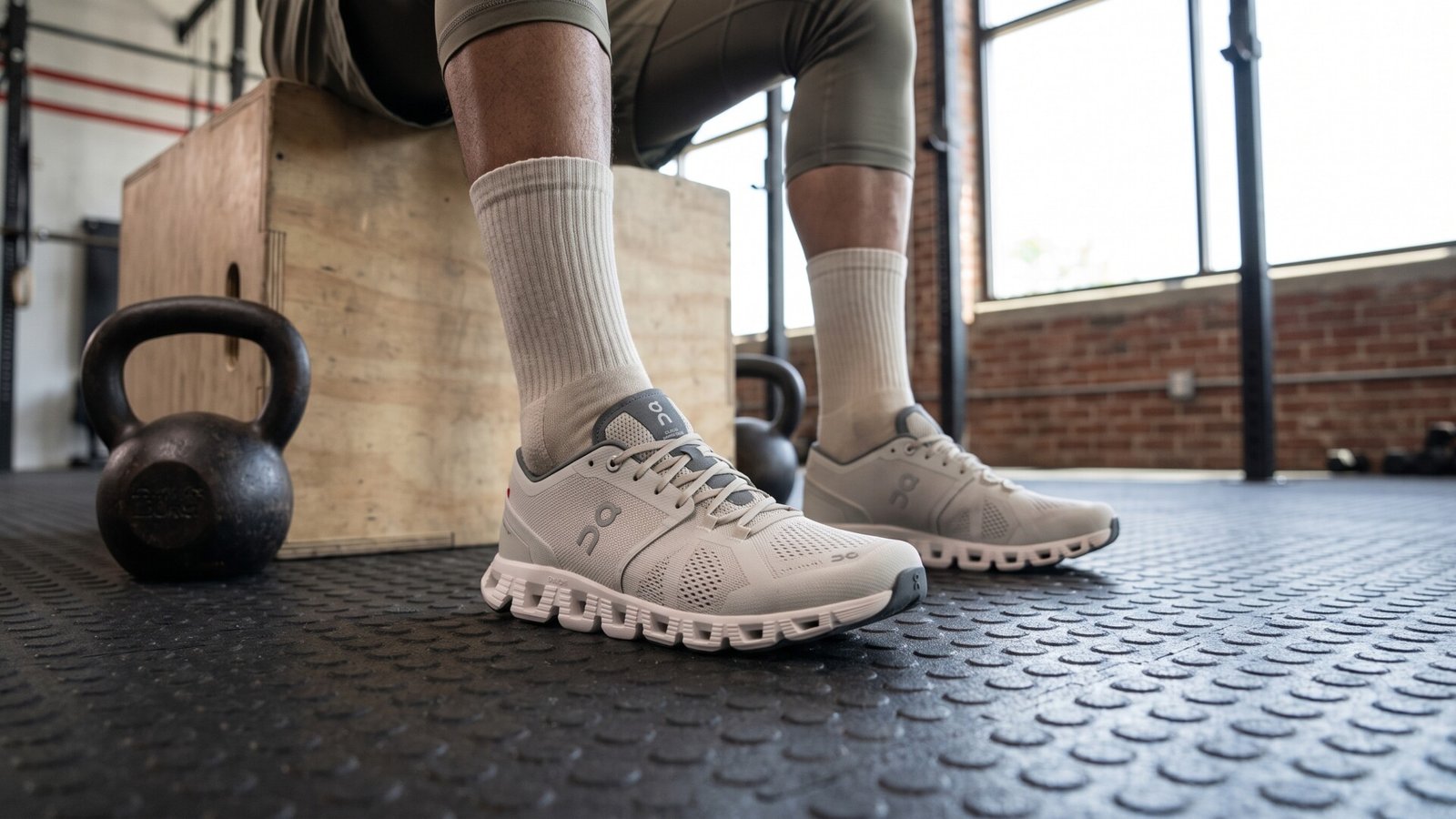
Gym sessions: This is where the Cloud X earns its keep. The stable platform handles weight machines, circuits, and bodyweight work without issue. Moderate lifting is fine – think deadlifts up to a working set, lunges, goblet squats, that kind of thing. The firm midsole keeps you connected to the floor in a way that a soft running shoe cannot match.
Short runs: For easy runs, warm-ups, and the occasional three-miler, the Cloud X is genuinely capable. The ride is responsive and the shoe feels quick. But as the distance creeps past five miles, the firm cushioning starts to feel less forgiving. Your feet will notice every mile beyond that point.
HIIT and classes: The light feel and flexible handling make the Cloud X a solid choice for high-intensity interval work. You can move through burpees, box jumps, and agility drills without feeling weighed down. The one limit: during highly aggressive lateral work – think intense court-style movements – the shoe is not as locked down as a dedicated court or training shoe.
Walking and commuting: Many users find the Cloud X comfortable for a full day of walking and standing. The firm ride is not punishing, just different. If you are used to soft, marshmallowy cushioning, you might find the Cloud X less forgiving over hours of pavement pounding.
Here is the stability trade-off you need to understand. The Cloud X is more controlled than a soft running shoe during mixed workouts. That is its job. But it is not a specialized lifting shoe. It does not have the rigid base or elevated heel you get from a dedicated lifting platform. If your training is primarily heavy squats and deadlifts, you want something with a harder, flatter base.
Who will find the ride disappointing? Three groups. Buyers accustomed to maximal-cushioning shoes will feel every crack in the sidewalk. People with sensitive feet who need a softer landing will not find it here. And runners seeking substantial protection over longer distances should look elsewhere. If you fall into any of those groups, the Cloud X is not the shoe for you.
For dedicated alternatives: the Nike Metcon 9 gives you a more structured gym platform. The Reebok Nano X4 offers broader cross-training versatility at a similar price. The On Cloudsurfer is the running-focused On model, and the On Cloudmonster brings serious cushioning for long walks and easy miles.
Fit, Sizing, and Foot Shape
Sizing is where a lot of Cloud X purchases go sideways, so pay attention.
Start with your usual athletic-shoe size. Most buyers can begin there and get a workable fit. But do not assume that is the end of the conversation. On’s fit runs distinct from Nike, Adidas, and New Balance, and the Cloud X in particular has a close, performance-oriented shape that some people love and others find restrictive.
The midfoot is secure – almost snug. That is intentional. On wants your foot locked in during lateral movements and quick direction changes. If you like a glove-like fit, you will appreciate it. If you prefer a little breathing room, you might find it confining.
The toe box is where things get tricky. Average and narrower feet generally do fine. Genuinely wide feet? The Cloud X can feel compressed across the forefoot, especially during longer wear when feet naturally swell. If you have wide feet or need your toes to splay naturally, this is not the shoe for you without a careful try-on first.
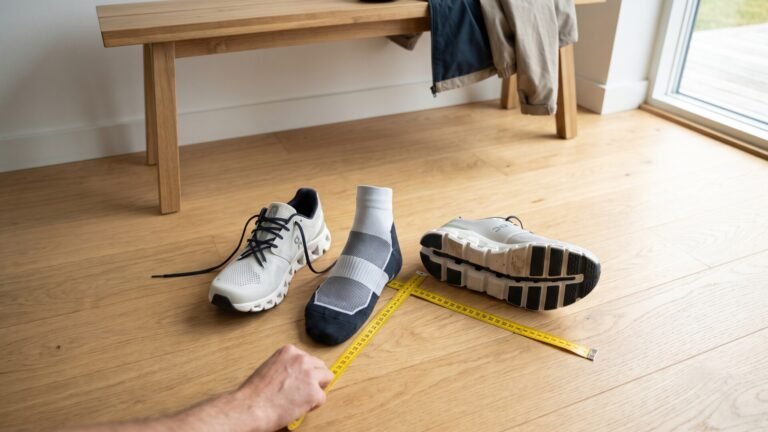
A few practical tips. Leave appropriate space in front of your toes for running and training – about a thumb’s width is the standard guidance. Try the shoe on with the socks you actually wear for workouts, not dress socks or bare feet. And if you are between sizes or unsure about width, buy from a retailer with easy returns. On’s fit genuinely feels different from other brands, and guessing wrong means a wasted purchase.
Heel security is solid. The structured heel counter holds your foot in place without excessive slip. The upper is thin and breathable, which is great for workouts but means less padding if you are standing on concrete for hours.
The buying decision: Choose the Cloud X if you prefer a close, locked-in fit. Consider a wide-compatible alternative if the forefoot feels compressed or your toes cannot spread naturally. And seriously, use a retailer with straightforward returns. This is not a shoe you want to gamble on.
Durability, Materials, and Maintenance
The Cloud X is built from a mix of engineered mesh, synthetic overlays, and On’s CloudTec midsole. The materials feel premium in hand, and the construction quality is generally solid. But durability depends heavily on how you use the shoe.
The most likely wear points are predictable. The outsole rubber takes abuse on abrasive gym floors and pavement, especially in the heel and forefoot contact areas. The forefoot area can show creasing or abrasion over time as the upper flexes with every step. And the open design of the CloudTec pods collects dirt and debris – those hollow sections are visually striking, but they are also little traps for grit and grime.
Light-colored uppers have their own challenge. White and cream mesh shows dirt quickly, and once grime works into the fabric, it takes effort to get it out. If you are hard on your shoes, choose a darker colorway.
Lifespan depends on your use pattern. Mixed gym and casual use can extend the shoe’s useful life well beyond what you would get from daily distance running. The Cloud X is not taking the same pounding as a dedicated road shoe, so the midsole compresses more slowly. Frequent outdoor running and high-volume workouts will accelerate wear. Rotating the Cloud X with another pair reduces compression and gives the shoe time to dry out between sessions, which extends its life.
Maintenance is straightforward if you stay on top of it. Brush off dirt before it becomes embedded in the mesh. Clean with mild soap, cool water, and a soft brush – no harsh chemicals, no scrubbing until the color fades. Air-dry naturally. Direct heat from a dryer or radiator will damage the adhesives and midsole foam. And do not treat the Cloud X as machine-washable unless On’s current care guidance says otherwise. When in doubt, hand-clean.
The Hidden Cost Of Choosing The Wrong Version Of The Cloud X
Here is the part nobody talks about: the cheapest price is not always the best value. If you buy the Cloud X for long-distance running and replace it within months because the ride feels too firm, you did not save money. You wasted it.
Let’s talk cost per wear, because that is the number that actually matters.
The Cloud X delivers strong value when you use it several times per week across gym sessions, commuting, and casual wear. At $150 retail, a shoe that sees four or five uses weekly across different activities drops below a dollar per wear within months. That is a solid investment.
The value collapses when you buy it for one specific use that does not match its design. If your primary activity is long-distance road running and the firm ride sends you back to a dedicated runner within six months, that $150 was poorly spent. The same applies if you are a serious lifter who needs a stable platform and ends up buying a Metcon anyway.
There are also accessory and ownership costs to consider. Replacement socks can reduce friction during training – a good pair of crew socks runs $10 to $20 and makes a real difference. Insoles are worth considering only if the original fit and support are inadequate, not as an automatic upgrade. And if you wear the Cloud X for both workouts and commuting, a second pair for rotation keeps both shoes fresher longer.
Here is the contrarian point: the Cloud X’s versatility is only valuable if you actually perform multiple activities. If you have one clear use case – say, you only run or you only lift – a specialist shoe is the better financial choice. Why pay for cross-training versatility you will never use?
Finally, return policy matters more than you think. If you are unsure about width, arch feel, or forefoot pressure, buy from a retailer that makes returns painless. The Cloud X fits differently from other brands, and the only way to know if it works for your foot is to wear it and move in it.
Is The On Cloud X Worth Buying Today?
Now for the direct question: is the Cloud X worth your money?
At full price, the Cloud X is defensible if you need one premium-looking shoe for mixed training and daily wear. You are paying for versatility, brand recognition, and a design that works from gym to street. That is a real value proposition if you will actually use it across multiple activities.
On sale, the Cloud X becomes more compelling – but only if you already know the fit works for you. A discount does not fix a shoe that is too narrow for your foot or too firm for your preferences. Sale prices are for people who have done their homework, not for impulse buyers.
At full price for runners who will use it mainly on the road? Less attractive. You are paying for training features you do not need while giving up the cushioning and rocker geometry that make dedicated running shoes comfortable over distance.
Let’s compare against the alternatives.
Nike Metcon 9: Better for structured strength training and a stable gym platform. Less natural for casual running and not a shoe you want to wear all day.
Reebok Nano X4: The better all-around cross-training alternative for buyers who prioritize broad gym use and value. Often priced below the Cloud X with comparable versatility.
Adidas Dropset 3: Better for lifting-focused workouts. Less versatile for running and commuting.
On Cloudsurfer: The better choice for regular road running and softer daily mileage. This is On’s actual running shoe.
On Cloudmonster: Better for high-cushion walking and running. The Cloudmonster is the shoe to grab if you want On’s CloudTec feel without the firm training ride. Less suited to gym movements.
Trend longevity is worth considering. The Cloud X benefits from On’s continued visibility – the brand is not going anywhere, and its shoes remain culturally relevant. But the technical styling may age faster than a simpler, low-profile sneaker. Five years from now, will the Cloud X look dated in the way that aggressively styled training shoes from the early 2010s do now? Possibly. That is a risk with any performance-forward design.
Here is the three-year test. Buy the Cloud X if you will use it across gym sessions, short runs, travel, and casual outfits – that is the use case where it earns its keep. Skip it if you want one shoe optimized for only running, lifting, or all-day walking. In those cases, a specialist will serve you better for longer.
Who Should Buy The On Cloud X?
The Cloud X is not for everyone, and that is fine. Here is who should seriously consider it.
Gym-goers who mix machines, circuits, light lifting, and conditioning. If your training is varied and you hate switching shoes between movements, the Cloud X handles the range without complaint.
Commuters who want a presentable performance shoe. The Cloud X looks sharp enough for the train or the office hallway while still functioning as workout gear. That dual role is rare.
Travelers who need one athletic pair for workouts and casual walking. Packing light? The Cloud X covers your hotel gym session and your sightseeing miles in one shoe.
Buyers who prefer a firm, responsive feel over soft cushioning. If maximalist shoes feel mushy and disconnected to you, the Cloud X’s controlled ride will make sense immediately.
Fit caution applies to narrow-to-average feet seeking a secure, locked-in feel – that is the Cloud X’s natural audience. And if you can buy from a retailer with straightforward returns, do it. The fit is specific enough that trying before fully committing is the smart play.
One more thing: the Cloud X works particularly well for buyers who value visual identity and brand recognition alongside practical performance. On is a status brand now. The Cloud X signals that you take fitness seriously and have the taste to choose something beyond the usual Nike and Adidas rotation. That is not a shallow reason to buy – we all make purchase decisions based on how things make us feel, and the Cloud X makes a lot of people feel like they made it.
Who Should Skip It?
Now the other side. The Cloud X is wrong for specific groups, and it is better that you know now.
Long-distance runners: If your week includes regular runs of six miles or more, skip the Cloud X. The firm, training-oriented ride will leave your feet and legs feeling beat up. Go with the On Cloudsurfer for a running-specific ride or the On Cloudmonster if you want serious cushioning.
Serious lifters: If your training revolves around heavy squats, deadlifts, and pressing, the Cloud X is not stable enough. The Nike Metcon 9 or Adidas Dropset 3 gives you the rigid, flat platform that heavy lifting demands. A hybrid trainer is not a substitute for a stable lifting shoe.
People with wide feet or forefoot sensitivity: Try the Cloud X on before you commit. The close-fitting shape can compress the forefoot, and if your toes cannot splay naturally, you will feel it on every rep and every mile.
Buyers who want a soft, forgiving walking shoe: If your primary need is all-day walking comfort, the Cloud X’s firmer ride may leave you wanting. A cushioned walking or running model will serve you better.
Final Verdict
The On Cloud X wins for mixed training and active daily wear – not as the universal answer for every athletic use.
The strengths are real. It is light and responsive, with handling that makes gym sessions feel effortless. The gym-to-street versatility is genuinely useful for people who do not want to own five different pairs for five different activities. The styling is distinctive, and the balance between training control and short-run comfort is well judged.
The weaknesses are equally real. The cushioning is firm, and anyone expecting plush comfort will be disappointed. The fit can be restrictive for wide feet. Runners who only do long distances will find limited value. And at $150, it costs more than some equally capable cross-training alternatives like the Reebok Nano X4.
Buy the Cloud X if one premium hybrid shoe will genuinely replace multiple pairs in your rotation. If you train, commute, travel, and want a shoe that looks good doing all of it, this is a smart purchase.
Choose the Nike Metcon 9, Reebok Nano X4, On Cloudsurfer, or On Cloudmonster if your main activity is more specific. There is no shame in buying the right tool for your job.
The Cloud X is a great shoe – for the right person. Make sure that person is you.
Frequently Asked Questions About On Cloud X
Is the On Cloud X good for running?
It works well for short runs, warm-ups, and mixed workouts, but it is not the best choice for regular long-distance running. The training-oriented ride feels firm and less protective over extended mileage, so dedicated runners should look at the Cloudsurfer or Cloudmonster instead.
Is the On Cloud X good for gym workouts?
Yes, it is a strong gym option for circuits, machines, bodyweight training, and moderate lifting. The stable platform and firm midsole handle a range of movements well. Serious lifters may prefer the more stable Nike Metcon 9 or Adidas Dropset 3 for heavy work.
Does the On Cloud X fit true to size?
Many buyers can start with their usual athletic-shoe size, but the fit is close and performance-oriented. On’s sizing runs different from Nike, Adidas, and New Balance, so check the current version’s fit notes and buy from a retailer with an easy return policy.
Is the On Cloud X suitable for wide feet?
It may feel narrow or restrictive for genuinely wide feet, especially through the forefoot. If your toes need room to splay naturally, try the shoe on before committing and compare it with a model offering a roomier shape.
Can you wear the On Cloud X all day?
It can work for commuting, travel, and active daily wear, but the firm cushioning will not suit everyone for prolonged standing or high-mileage walking. If you need soft, forgiving support for full days on your feet, a cushioned walking or running shoe is a better fit.
How does the On Cloud X compare with the Cloudsurfer?
The Cloud X is the more versatile training shoe, built for gym work, circuits, and short runs. The Cloudsurfer is the better choice for regular road running, with a softer, more running-specific ride. Choose based on your primary activity.
Is the On Cloud X worth the price?
It is worth considering when you will use it across several activities and can find it at a reasonable price. At $150, the versatility and brand quality justify the cost for mixed-use buyers. A cheaper cross-trainer or a specialist running shoe may offer better value if you have one clear use case.