On Shoe Size Guide
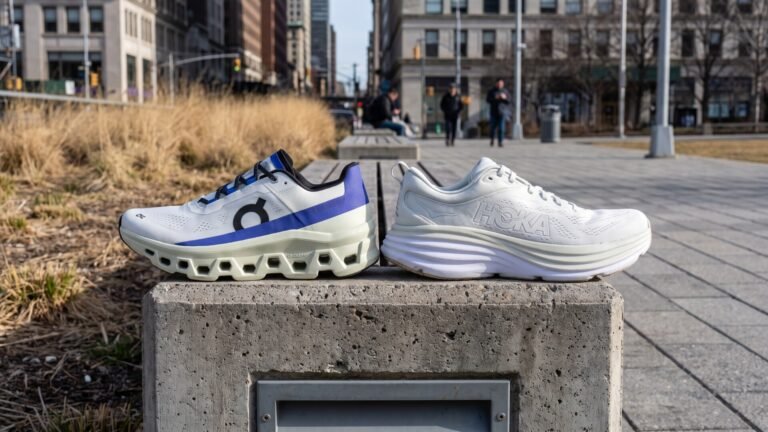
Most people search “On shoe size guide” because they already know the answer and don’t trust it. They’ve heard On fits true to size, but they just dropped $170 on a pair of Cloud 5s and the toe box feels tighter than their old Nikes, so now they’re second-guessing everything.
Here’s the real deal: On shoes are broadly true to size in length, but “true to size” and “comfortable for your specific foot” are two different questions. The right size depends on the model, your foot width, what you’re actually doing in the shoe, and whether you want a locked-in running fit or room to wiggle your toes on a Sunday walk.
The quick answer: start with your usual athletic shoe size, measure both feet properly, and only adjust when the specific model or your foot shape demands it. Don’t size up preemptively. Don’t size down to chase a snugger feel. And definitely don’t assume every On model fits identically, because they don’t.
Let’s break down what actually matters.
On Shoe Size Chart: Start Here
On publishes model-specific size charts, and you should check the current one before ordering because conversions and available half sizes can vary by region and model. But to give you a starting point, here’s a general reference based on common US sizing:
| US Men’s | US Women’s | Approximate Foot Length | Starting Point |
|---|---|---|---|
| 7 | 8.5 | ~9.6 inches / 24.5 cm | Common adult size |
| 8 | 9.5 | ~10 inches / 25.4 cm | Common adult size |
| 9 | 10.5 | ~10.4 inches / 26.3 cm | Common adult size |
| 10 | 11.5 | ~10.8 inches / 27.4 cm | Common adult size |
| 11 | 12.5 | ~11.2 inches / 28.4 cm | Common adult size |
| 12 | 13.5 | ~11.6 inches / 29.5 cm | Common adult size |
Those foot lengths are approximations based on typical US sizing standards, not On-specific measurements. Treat them as a sanity check, not gospel.
Three things matter more than any chart:
US men’s and women’s labels are not interchangeable. A women’s 8.5 is not the same as a men’s 8.5. The conversion is roughly 1.5 sizes apart, but that gap shifts slightly between brands and even between models. Always check the listed foot length, not the label.
Measuring your foot beats converting from another brand. Nike’s size 10 might measure differently than Adidas’s size 10, which might differ from New Balance’s size 10. Your foot length in centimeters or inches is the only stable reference point.
Your larger foot decides. Almost everyone has one foot bigger than the other, sometimes by half a size or more. Fit the bigger foot. You can pad the smaller one with an insole or thicker sock if needed, but you can’t stretch a shoe that’s too short.
Do On Shoes Run True to Size?
Practical verdict: most On running shoes run true to size for length. If you wear a 10 in most athletic shoes, a 10 in the Cloudmonster or Cloudswift will generally match that length.
But here’s where people get stuck. True to size describes length. It doesn’t tell you anything about how the shoe feels across your midfoot or through the toe box. A shoe can be the right length and still feel too narrow, too low-volume, or too snug across the instep.
That distinction matters because running fit and casual fit are different goals. A running shoe needs secure heel hold and a locked-in midfoot so your foot doesn’t slide around on every stride. You want enough room in the toe box to spread your toes, but not so much that your foot shifts forward on downhills. A lifestyle shoe, like the Cloud 5 worn for errands and commuting, can get away with a more relaxed fit.
The mistake we see most often is sizing up automatically because the shoe feels snug out of the box. Extra length creates heel movement. Heel movement creates blisters, instability, and that annoying feeling of your foot sliding forward on descents. A snug midfoot is often the shoe working as intended.
If the shoe is the right length but feels tight across the widest part of your foot, sizing up is the wrong fix. That’s a width problem, and we’ll get to how to handle it.
How to Measure Your Feet for On Shoes
Measure at the End of the Day
Your feet expand during the day. Walking, standing, and even sitting with your feet down causes them to swell slightly. A shoe that fits perfectly at 8 a.m. can feel cramped by 6 p.m.
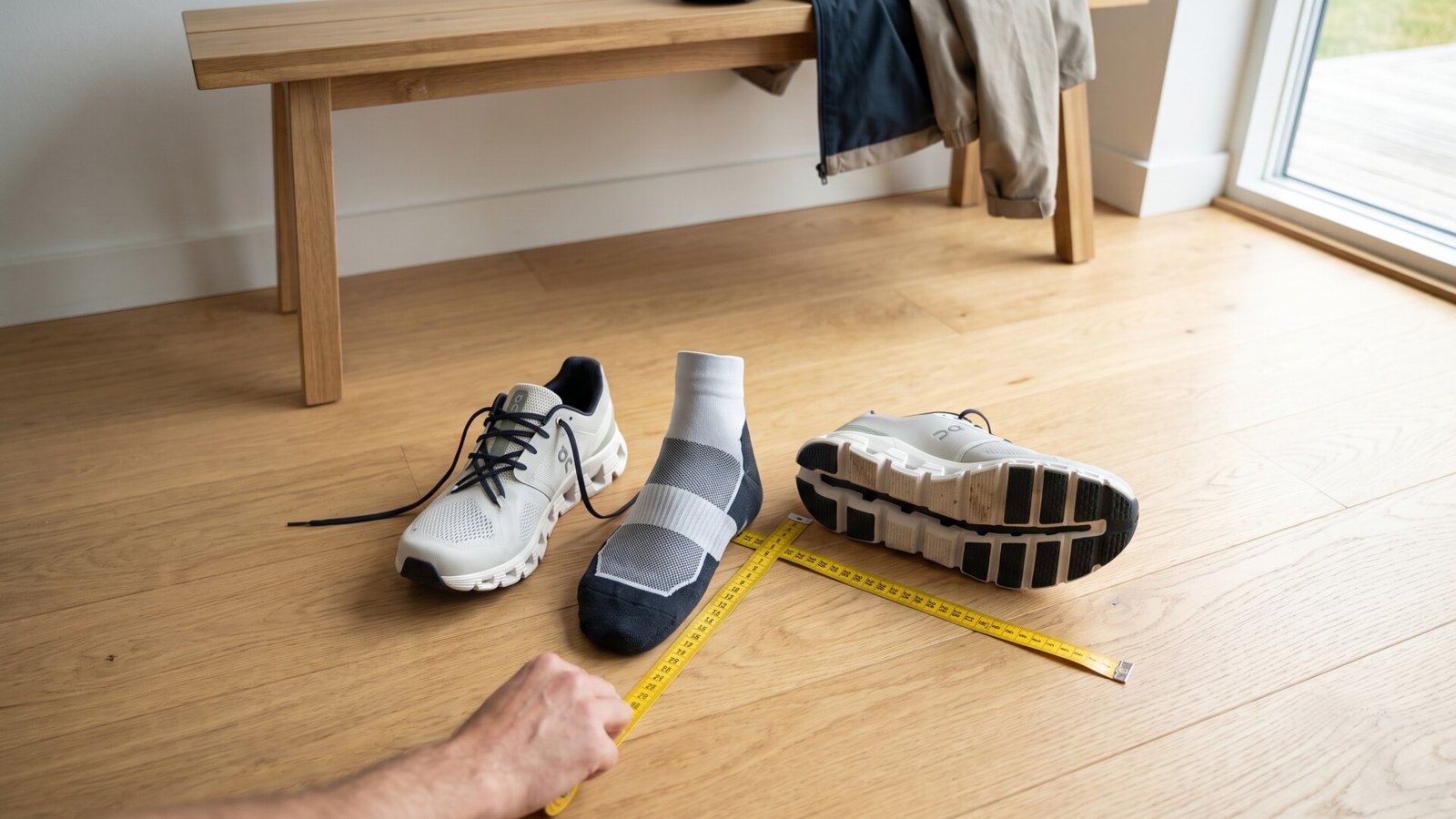
Measure in the evening when your feet are at their largest. Wear the socks you plan to wear with the shoes – thin running socks for performance models, everyday socks for casual wear. And measure both feet. Use the larger measurement.
Use the Wall-and-Paper Method
You don’t need a fancy Brannock device. Tape a piece of paper to the floor against a wall. Stand on it with your heel touching the wall and your weight evenly distributed. Mark the tip of your longest toe – which isn’t always your big toe, by the way. Measure from the wall to that mark.
Do the same for width: measure across the broadest part of your foot, usually right behind the toes.
Compare both measurements against On’s current size chart. A ruler-to-size conversion from a random website is less reliable than the brand’s own chart.
Leave Practical Toe Room
Running shoes need space in front of your longest toe. Your foot moves forward when you run downhill, and it swells on longer efforts. But useful toe room and a loose, oversized fit are different things.
A good rule of thumb: about a thumb’s width between your longest toe and the end of the shoe when you’re standing. That’s roughly half an inch. If you’re buying a shoe for walking and casual wear, you can go slightly snugger. If you’re training for a marathon, err on the side of more room.
If one foot is clearly larger, fit the larger foot. Use an insole or a heel-lock lacing technique on the smaller foot to keep it secure.
How Different On Models Fit
Here’s the part most size guides skip. On makes running shoes, lifestyle sneakers, trail shoes, and waterproof versions of the same silhouettes. They don’t all fit the same, and treating them like they do is how you end up with a return label.
On Cloud 5 and Cloud 5 Waterproof
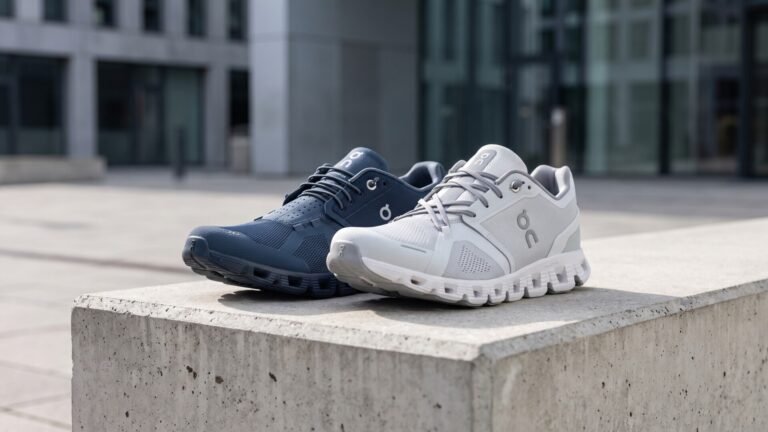
The Cloud 5 is On’s everyday lifestyle shoe. It’s what most people buy when they want something that works for walking, commuting, and light travel. The fit expectation is more relaxed than a performance runner.
The upper wraps securely through the midfoot, which most average-width feet will find comfortable. Wide-footed buyers often find the forefoot restrictive. The Cloud 5 doesn’t come in a wide version in most markets, so the fix is either a different model or accepting a snugger fit.
The Cloud 5 Waterproof is a different story. The waterproof membrane makes the upper less forgiving. The same nominal size can feel tighter across the instep and through the toe box because the material doesn’t stretch the way the standard mesh does.
Best starting advice: your usual On size for average-width feet. If the forefoot feels tight, don’t automatically size up – look for a roomier model instead.
Cloudmonster and Cloudmonster 2
The Cloudmonster line is On’s max-cushion offering, built for high mileage and long days on your feet. The platform looks huge, but that doesn’t mean the internal fit is wide.
These shoes prioritize a secure performance fit. The heel pocket is well-defined, and the midfoot locks down. That’s great for running, but it means less forgiveness if your feet swell over a long day.
The tradeoff: a secure fit that keeps your foot stable versus room for swelling on a 10-mile run or a full day of standing. Try them on with your normal running socks and check heel hold. Size up only if your toes contact the front of the shoe or the upper compresses your forefoot to the point of discomfort.
Cloudswift and Cloudrunner
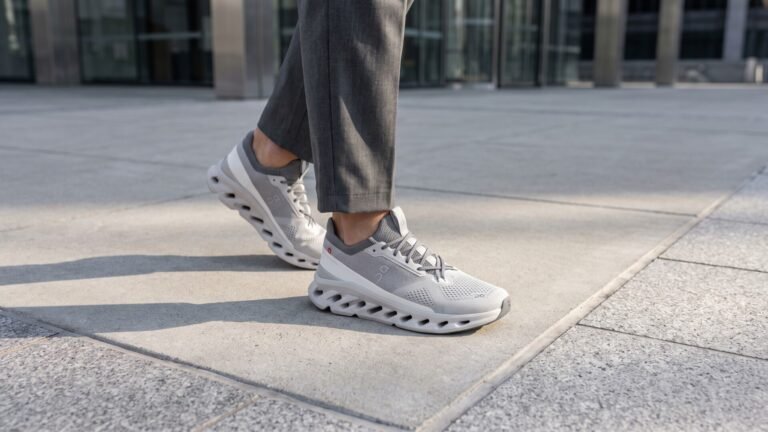
These models lean into structured support. The Cloudswift is designed for road running with a rocker shape, while the Cloudrunner is the more stability-oriented option for runners and walkers who want guidance.
Both fit closer through the midfoot. That’s intentional – the support features need to hold your foot in place to work. A half-size up might solve a length issue, but it won’t create width where the shoe is structurally narrow.
If you have broad feet, look for a wide version where offered or choose a naturally roomier model. And check the product-specific fit notes before ordering, because model generations change. The Cloudrunner you buy this year might fit differently from the one released two years ago.
Cloud 6, Cloudsurfer, and Cloudnova
Don’t assume newer models fit exactly like the Cloud 5 just because they share the On name. The Cloud 6 is the updated everyday shoe and fits similarly to the Cloud 5, but with a slightly refined upper. The Cloudsurfer is a lighter, more flexible daily trainer with a softer, more forgiving fit through the forefoot. The Cloudnova sits somewhere between casual and performance, with a snugger heel and a more sculpted midfoot.
Your buying priorities differ across these models. The Cloud 6 is for everyday versatility. The Cloudsurfer is for runners who want a lighter feel. The Cloudnova is for people who want one shoe that works for both gym sessions and going out.
Check the model’s current product page and fit notes. Check the return policy. And check our individual model reviews for the specifics on each one.
Choosing the Right Size for Your Foot Shape
Average-Width Feet
Start with your usual athletic shoe size. Then verify the fit: no pressure on your longest toe, no sidewall bulging over the sole, and no heel lift when you walk.
Wear the socks you’ll actually use. Thin dress socks can make a borderline fit feel acceptable in the store and miserable a week later when you wear proper athletic socks.
Wide Feet
Sizing up is the most common mistake wide-footed buyers make. It adds length without adding proportional width. You end up with a shoe that’s too long, your heel slips, and you still feel pressure across the forefoot.
The real fix is finding a model with a roomier forefoot or an explicitly wider option. On doesn’t offer wide versions across its entire lineup, so check whether the specific model you want has one. Where wide options don’t exist, look for models with more forgiving uppers and a naturally wider toe box.
Lacing adjustments and thinner socks can help at the margins. They cannot fix a fundamentally narrow shoe.
Narrow or Low-Volume Feet
If your feet are narrow or you have a low instep, a close-fitting On model might actually serve you better than a roomier everyday silhouette. The secure midfoot hold that bothers wide-footed buyers is exactly what you want.
Start with your standard size and check whether your foot slides forward or your heel lifts when you walk. If it does, try heel-lock lacing before sizing down. Sizing down to eliminate volume can create toe pressure that turns into a bigger problem than a slightly loose heel.
High-Volume Feet
High insteps and thick feet create their own challenges. You might feel pressure across the top of your foot, struggle to tighten the laces without discomfort, or find the tongue digging in.
Look for models with more forgiving uppers and adjustable lacing. Avoid waterproof versions, which use less pliable materials. And understand that a longer size isn’t a reliable fix for a high instep – it just gives you a shoe that’s too long everywhere else.
If a shoe creates numbness, hot spots, or pressure that doesn’t ease after a short indoor try-on, stop. It’s not going to break in. It’s the wrong shoe.
The Hidden Cost of Choosing the Wrong On Size
On shoes cost anywhere from $140 to $200. That’s too much money to gamble on a bad fit.
The financial cost is obvious: return shipping if the retailer charges it, a missed return window if you wait too long, replacement socks or insoles you bought trying to fix a shoe that doesn’t fit. Then there’s the temptation to keep an expensive shoe that’s uncomfortable because returning it feels like admitting defeat.
The ownership cost is less obvious. An oversized shoe creates heel movement, which causes uneven wear, blisters, and reduced confidence on stairs or uneven ground. Your cost-per-wear tanks because you reach for other shoes instead. An undersized shoe creates toe impact, pressure points, and the quiet avoidance that means you never wear it for the long walks or travel days you bought it for.
Here’s the decision framework we use:
- Keep your usual size when length and width both feel secure.
- Try a half size up when there’s genuine toe contact or a clear length shortage.
- Change models or width when the problem is forefoot or midfoot width.
- Return the shoe when discomfort remains during an indoor fit check.
Buying On Shoes Online Without Guessing
Online ordering removes the ability to try before you buy, so you need a process.
Measure your feet first. Read the model-specific fit notes on the product page. Check the retailer’s return policy before you commit – free returns should be a deciding factor, not a nice-to-have.
When comparing with a shoe that already fits you well, don’t compare printed sizes. Compare your foot length and the internal shape of both shoes. A size 10 in one brand might match a 9.5 in On, and that’s fine as long as the fit is right.
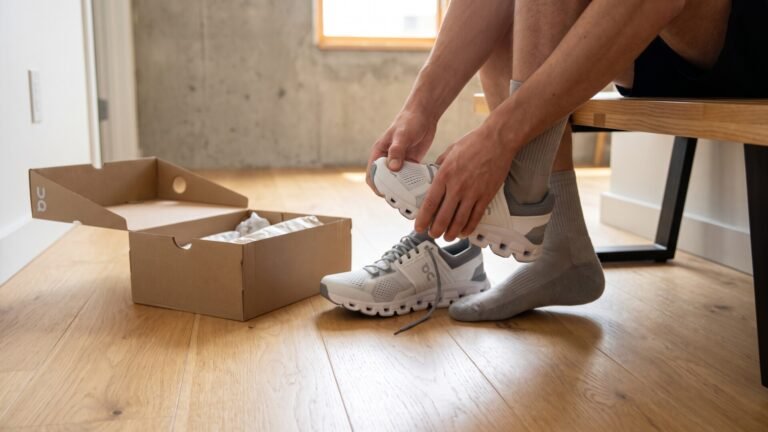
When your shoes arrive, do an indoor try-on:
- Wear the socks you’ll actually use.
- Walk around, climb stairs if you can, and bend your toes.
- Check that your longest toe doesn’t touch the front of the shoe.
- Look for heel lift and pressure along the sides of your foot.
Ordering two sizes is legitimate if the retailer permits easy returns and you keep both pairs indoors. Just don’t wear them outside, and don’t keep both pairs just because you can’t decide. Send back the one that fits worse.
One honest note on discounts: a lower price isn’t good value if the retailer’s return terms are poor or the correct size sells out while you’re waiting for a refund. Paying full price at a retailer with free returns is often cheaper than saving $30 at a final-sale outlet.
Best Quick Recommendations by Buyer Type
| Buyer type | Best starting approach | Main warning |
|---|---|---|
| Average-width daily wearer | Start with usual athletic-shoe size | Do not assume every On model has the same toe-box shape |
| Wide-footed buyer | Look for a roomier model or available wide option | Sizing up may create heel slip |
| Runner buying a performance model | Use measured foot length and normal running socks | Do not fit as tightly as a casual sneaker |
| Buyer between sizes | Compare toe clearance and heel hold; consider the larger size only when needed | A larger size will not solve every width problem |
| Standing or walking all day | Prioritize comfort, swelling room, and stable heel hold | Do not judge fit after only a few steps |
| Online bargain buyer | Confirm return terms before checkout | Final-sale pricing can turn a fit mistake into a costly purchase |
Final Verdict: What Size Should You Buy in On Shoes?
Here’s the rule: for most buyers, start with your usual size in athletic shoes, then verify using your measured foot length and the specific model’s fit notes.
Measuring both feet is more reliable than blindly converting from Nike, Adidas, New Balance, or any other brand. Their size labels are approximate. Your foot length in centimeters isn’t.
When the real problem is width, change models. Don’t automatically size up. A longer shoe with a narrow forefoot is still a narrow shoe.
For buyers with broad feet, high insteps, or a preference for roomy casual shoes, prioritize a more accommodating model and a retailer with free returns. That combination matters more than finding the exact right number on the size chart.
The ownership test is simple: the correct On size is the one that stays secure at the heel, feels comfortable at the forefoot, and works for your actual walking or running routine. Not the one that looks right in the box. Not the one that matches your Nike size. The one you can wear all day without thinking about your feet.
Frequently Asked Questions About On Shoe Sizing
Do On shoes run true to size?
Most On shoes are close to true to size in length, but fit varies by model, foot width, and intended use. Check the current model-specific chart before ordering.
Should I size up or down in On shoes?
Don’t size up or down automatically. Size up only when your foot lacks length. Change models or widths when the issue is pressure across your foot.
Are On shoes good for wide feet?
Some On models are more accommodating than others, but the brand isn’t uniformly wide-fitting. Check whether the exact model offers a wide option and use the return policy if you’re unsure.
Do On shoes fit like Nike or Adidas?
Brand-to-brand size labels are imperfect. Compare measured foot length, toe room, heel hold, and internal width rather than assuming the same number will fit identically.
How much room should be in the toe of On running shoes?
There should be comfortable space in front of your longest toe without your foot sliding forward. The exact amount depends on your foot shape, running distance, and personal preference.
Are On Cloud shoes good for standing all day?
Models like the Cloud 5, Cloudrunner, and Cloudmonster suit different standing and walking preferences, but cushioning alone doesn’t guarantee comfort. Fit, stability, and room for swelling matter more.
Can I fix a slightly loose fit with lacing?
Heel-lock lacing, thicker socks, or an insole can help with small fit issues. None of them can reliably fix a shoe that’s too long or too narrow.