Are Adidas Gazelles Worth It?
Let’s get straight to it. You’ve seen them everywhere—on your feed, on the feet of your favorite artists, and probably sitting in a few online carts. The Adidas Gazelle. A silhouette that’s been around since the 1960s, but somehow feels like it’s having a bigger moment right now than it has in decades. But here’s the real question: Are Adidas Gazelles actually worth it in 2026?
We’re not here to just tell you they’re a classic and leave it at that. We’re going to break down the comfort, the style, the durability, and the hidden factors that most reviews skip. We’ll look at who should buy them, who should pass, and whether your hard-earned cash is better spent on something else. By the end, you’ll know exactly where the Gazelle fits in your rotation.
See the Gazelle – Men’s →Women’s →
Understanding the Adidas Gazelle
Before we talk about whether they’re worth it, we need to know what we’re dealing with. The Gazelle isn’t just another sneaker—it’s a piece of history.
Historical Context
The Adidas Gazelle first dropped in 1966. Adidas introduced it for indoor soccer and handball, and it later became a casual and streetwear staple, including in UK terrace and casual style.
Key milestones that matter:
- 1966: Introduced for indoor soccer and handball.
- Later decades: Became part of UK terrace and casual style and returned through retro reissues.
- 2010s: Returned as a retro classic through reissues.
- 2020s: Became a go-to for the “quiet luxury” and “normcore” movements, thanks to its simple, clean look.
The Gazelle has never been a hype beast shoe. It’s not about limited drops or crazy resale prices. It’s about staying power. And that’s exactly why it’s still relevant.
Design and Features
Let’s get into the specifics.
- Upper: The Gazelle OG on adidas.com uses a cow suede upper with a leather heel patch, and a 1991 version uses soft nubuck.
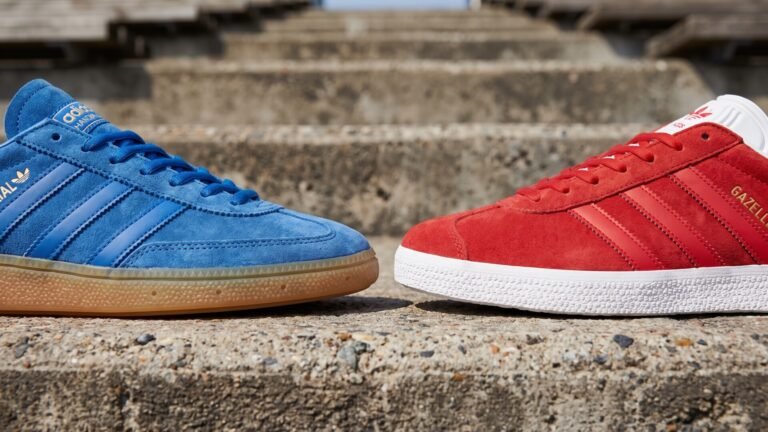
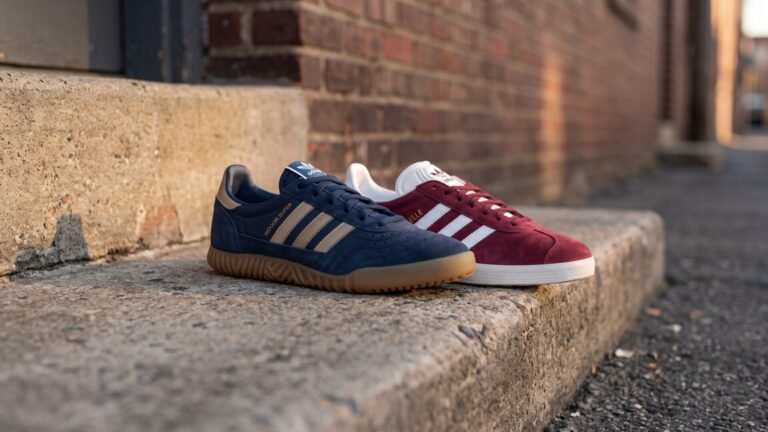
- Suede feel: Suede is the standard. It gives the shoe that soft, slightly fuzzy texture that’s instantly recognizable. Some special editions use leather or mesh, but suede is the soul of the Gazelle.
- Silhouette: Low-profile, sleek, and streamlined. It’s not bulky like a New Balance 990 or chunky like an Air Force 1. It sits close to the foot, giving a clean, minimal look.
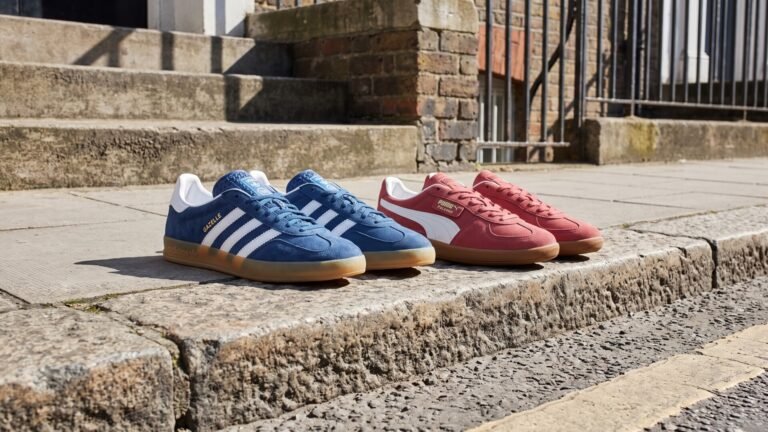
- Sole: The classic gum rubber outsole is a signature. It provides decent grip and adds that vintage vibe. The midsole is simple—no Boost, no EVA foam cushioning. Just a flat rubber base.
- Three Stripes: The iconic Adidas branding runs along the side, usually in a contrasting color. It’s subtle but unmistakable.
- Colorways: The Gazelle comes in dozens of colorways, from the classic “Halo Blue” and “Collegiate Green” to all-black, all-white, and countless collaborations. The variety is a huge selling point.
Quick take: The design is timeless. It’s not trying to reinvent the wheel. It’s a simple, well-proportioned sneaker that works with almost anything.
Who Should Buy Adidas Gazelles?
Not every sneaker is for everyone. Here’s where the Gazelle fits in the sneakerhead ecosystem.
Buyer Archetypes
Best for sneaker enthusiasts: If you appreciate history and heritage, the Gazelle is a must. It’s a foundational piece for any collection that values classics over hype. You can rock them with jeans, chinos, or even a suit. They’re the definition of a versatile sneaker.
Ideal for casual wearers and street style aficionados: If you want one shoe that does it all—work, weekend, coffee run, casual date—the Gazelle is a strong contender. It’s not the flashiest, but it’s always appropriate. Street style influencers love them because they’re easy to style and don’t scream for attention.
Not recommended for serious athletes or hardcore sneakerheads: If you’re looking for performance, skip the Gazelle. There’s no arch support, no impact cushioning, and no breathable mesh. This is not a running shoe or a gym shoe. And if you’re a hypebeast who only cares about limited drops and resale value, the Gazelle might feel too basic for you. It’s a staple, not a grail.
Comfort and Fit
Let’s talk about what matters most when you’re on your feet all day.
Real-World Comfort Analysis
Here’s the truth: the Gazelle is not a comfort shoe. It’s a style shoe. The insole is thin, the midsole is flat, and there’s no cushioning technology. You’re essentially standing on a thin layer of rubber.
- Cushioning: Minimal. If you’re used to Boost, Air Max, or React, you’ll feel the difference immediately. Your feet will feel the ground more.
- Support: Very little arch support. If you have flat feet or high arches, you might want to swap the insole for something like Superfeet or Dr. Scholl’s.
- Break-in period: Expect a week or two of wearing them before the suede softens up and the shoe molds to your foot. The first few wears might be a bit stiff.
Sizing tips:
- Narrow feet: Go true to size. They’ll fit snugly.
- Wide feet: Size up half a size. The toe box is narrow, and the suede doesn’t stretch much.
- Half sizes: Adidas offers half sizes in the Gazelle, which is a plus. If you’re between sizes, go up.
Comparison with Other Classic Sneakers
How do Gazelles stack up against the competition?
| Sneaker | Comfort Level | Best For | Verdict |
|---|---|---|---|
| Adidas Gazelle | 2/5 – Minimal cushioning, flat sole | Style, casual wear, short walks | Not for all-day standing |
| Nike Air Force 1 | 4/5 – Air cushioning, padded collar | Streetwear, all-day wear | More comfortable, but bulkier |
| Converse Chuck Taylor | 1.5/5 – Thin canvas, no support | Vintage style, short wear | Least comfortable of the three |
Winner for comfort: Nike Air Force 1, no contest. But the Gazelle wins on style versatility and profile.
Check out the Air Force 1 – Men’s →Women’s →
Style Versatility
This is where the Gazelle truly shines. It’s one of the most versatile sneakers you can own.
Outfit Ideas and Styling Tips
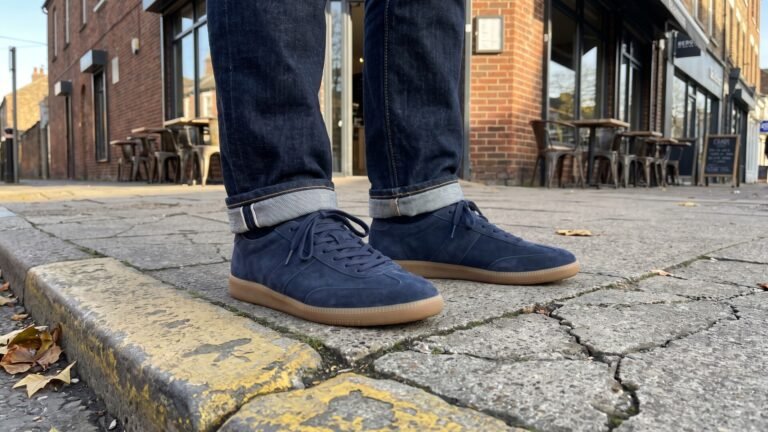
- Casual looks: Pair them with slim-fit jeans or chinos and a plain t-shirt. Add a denim jacket or a bomber for a clean, effortless vibe.
- Streetwear: Go for a slightly oversized hoodie and cargo pants. The Gazelle’s low profile works well with wider pants because it doesn’t add bulk.
- Smart-casual: Yes, you can wear Gazelles with a blazer. Stick to neutral colors like black, white, or grey. The key is keeping the rest of the outfit tailored.
- Summer: Shorts and a linen shirt. The suede can handle light heat, but avoid puddles.
- Winter: Thick socks and heavy denim. The suede is warm enough for mild cold, but not for snow or rain.
Seasonal Wear
- Best seasons: Spring and fall. The suede breathes well, and the gum sole grips dry pavement.
- Avoid: Heavy rain and snow. Suede and water don’t mix. If you must wear them in wet weather, treat them with a waterproof spray.
- Transition months: Perfect. They work with light jackets in spring and sweaters in autumn.
Durability and Maintenance
Here’s where some owners get caught off guard.
Material Quality and Longevity
The suede on the Gazelle is decent, but it’s not top-tier. The sole is durable, but suede tends to fade, scuff and flatten with regular wear, especially if you skip protector spray.
- Suede vs. other materials: Suede looks great but requires more care than leather or canvas. Leather Gazelles are available and are more durable, but they lack the classic feel.
- Common issues: The heel lining can wear through quickly if you wear them without socks. The toe box can crease, especially if you size down.
Cleaning Tips to Keep Your Gazelles Fresh
- Brush regularly: Use a suede brush to remove dirt and restore the nap.
- Spot clean: For stains, use a suede eraser or a damp cloth with mild soap. Avoid soaking the shoe.
- Protect: Apply a suede protector spray before first wear and reapply every few months.
- Avoid the washing machine: It will ruin the suede and the shape. Hand clean only.
Cost-per-Wear Analysis
Let’s do the math.
- Price: adidas.com listed the core Gazelle at about $100–$110 when we checked, Gazelle Indoor styles from about $120, and collaborations such as the Bad Bunny Gazelle Indoor at $140. Sale prices can be much lower, so confirm before you buy.
- Lifespan: There is no official lifespan figure; it depends on how often you wear them, the surfaces you walk on and how well you care for the suede.
- Cost per wear: If you wear a $110 pair 200 times, that works out to roughly $0.55 per wear, which is solid value for a classic sneaker.
Bottom line: They’re not indestructible, but they’re affordable enough that the cost-per-wear is low.
Market Context and Trends
What’s the buzz around the Gazelle in 2026?
Current Popularity and Resale Value
The Gazelle is having a moment. It’s been embraced by the “quiet luxury” trend, where understated pieces are valued over flashy logos. It’s also a favorite of the “old money” aesthetic, alongside pieces like the Gucci loafer and the Barbour jacket.
- Resale value: Generally low. Core colorways are widely available at or near retail, so they rarely carry a resale premium. Some collaborations can sell for more, but prices move, so check live listings.
- Colorways: Blues, greens and neutrals like black and white are the easiest to style; availability changes by season.
Competing Products in the Market
How does the Gazelle compare to its rivals?
| Sneaker | Price | Style | Comfort | Durability |
|---|---|---|---|---|
| Adidas Gazelle | About $100–$110 | Classic, minimal | Low | Medium |
| Nike Blazer | Check Nike.com | Retro, chunky | Medium | High |
| Puma Suede | About $90 | Vintage, casual | Low | Medium |
- Nike Blazer: More comfortable and durable, but bulkier and less sleek. The Blazer has a thicker sole and more padding.
- Puma Suede: Cheaper and similar in style, but the suede quality is lower and the silhouette is less refined. The Gazelle is the better choice for style.
Winner for style: Gazelle. Winner for comfort: Blazer. Winner for value: Puma Suede.
Cultural Relevance and Collaborations
The Gazelle has been a canvas for some of the best collaborations in recent years.
- Wales Bonner: This partnership has produced some of the most coveted Gazelles, with distinctive colorways and premium materials.
- Bad Bunny: The Bad Bunny Gazelle Indoor in gold was listed at $140 on adidas.com when we checked.
- Gucci: The luxury house has used the Gazelle silhouette in their collections, though at a much higher price point.
These collaborations add to the shoe’s cultural cachet, but they’re not necessary for the average buyer. The standard Gazelle is still a great shoe.
Hidden Buying Factors
What don’t the marketing materials tell you?
Ownership Insights
- Classic colorways: Neutral and heritage colors like black, white, blue and green are the easiest to pair with outfits.
- Why certain styles have better resale potential: Limited collaborations and special editions are the pairs most likely to hold or gain value; standard colorways generally do not.
- Best place to buy: Gazelle Men’s on Amazon → / Women’s → for standard colorways, or [External: Visit Adidas’ official website] for exclusives.
Regrets and Buyer Experiences
These are the complaints that come up most often in buyer discussions, so weigh them before you buy:
- Comfort issues: Standing for long periods can feel tiring because the sole is thin and flat. If you are on your feet all day, these may not be for you.
- Upkeep: Suede shows dirt easily, so you need to be diligent with cleaning and protection.
- Sizing: The OG has a narrower fit, so some buyers with wider feet wish they had gone half a size up. Try them on or check return policies.
- Durability: Heel linings can wear through, especially if you go sockless. Wearing socks can help prolong the life of the lining.
The takeaway: Know what you’re getting into. The Gazelle is a style-first shoe. If you prioritize comfort or low maintenance, look elsewhere.
Gazelle vs Samba: Which One Fits You?
The Gazelle and the Samba are the two terrace-style adidas models people cross-shop most. Both have suede or leather uppers, a gum sole and a low profile, but the Gazelle usually reads softer and more rounded, with a suede upper and a slightly chunkier look from the side. The Samba is longer and sleeker in the toe box, with a leather upper and suede overlays. Try both on if you can, since fit differs between the two and between versions.
Quick rule: pick the Gazelle if you want a softer suede look in color, and the Samba if you want a sleeker, more classic football-trainer shape.
Final Verdict
So, are Adidas Gazelles worth it?
Yes, if:
- You value style and versatility over comfort.
- You want a classic sneaker that works with almost any outfit.
- You’re willing to put in a little effort to keep them clean.
- You’re looking for an affordable entry into sneaker culture.
No, if:
- You need all-day comfort for standing or walking.
- You have wide feet or high arches.
- You don’t want to deal with suede maintenance.
- You’re a hypebeast chasing resale value.
The Gazelle is a 7/10 overall. It’s not perfect, but it’s a classic for a reason. It’s the kind of shoe that will never look dated, and that’s worth something. If you’re building a rotation, it deserves a spot. Just don’t expect it to be your only shoe.
Frequently Asked Questions About Adidas Gazelle
What makes Adidas Gazelles different from other sneakers?
The Gazelle’s unique design elements include a premium suede upper, a low-profile silhouette, and a gum rubber outsole. Its cultural significance – tied to British subcultures and later to normcore and quiet luxury – sets it apart from more generic options. It’s a piece of history you can wear.
Are Adidas Gazelles good for everyday wear?
Yes, if you’re okay with minimal cushioning. They’re versatile enough for daily use, but you’ll want to swap the insole for better support if you’re on your feet a lot. They’re best for short walks, casual outings, and desk jobs.
How do I clean my Adidas Gazelles?
Start with a suede brush to remove surface dirt. For stains, use a suede eraser or a damp cloth with mild soap. Avoid soaking the shoe. Apply a suede protector spray before first wear and reapply every few months. Never put them in the washing machine.
What sizes do Adidas Gazelles come in?
They come in a wide range of sizes, including half sizes. As a general tendency the OG has a narrower fit, so people with wider feet often go up half a size. If you are between sizes, try them on first.
Do Adidas Gazelles have good resale value?
Generally, no. Core colorways are widely available at or near retail. Some limited collaborations can hold or increase in value, but that is not the norm. The Gazelle is a wearer’s shoe, not an investor’s.
How long do Adidas Gazelles last?
Suede uppers and gum rubber soles hold up well with normal casual wear, but lifespan depends heavily on how often you wear them, how you walk and how you care for them. Rotating pairs and using a suede protector helps.
Are Adidas Gazelles comfortable for all-day wear?
They are a flat, low-profile shoe with thin cushioning, so comfort is fine for casual days but less plush than a modern running-style sneaker. If you need more cushioning, consider a thicker insole or a different model.
Can you wear Gazelles to work?
In casual and smart-casual offices, a clean suede pair in a dark or neutral colorway works with chinos or dark denim. Strict dress codes may rule out any sneaker.
How much do Adidas Gazelles cost?
Standard Gazelles generally retail around $100 to $120 in the US, while special editions and collaborations cost more. Check adidas.com for current pricing.
Gazelle or Air Force 1: which should I buy?
Pick the Gazelle for a slim, light, retro terrace look. Pick the Air Force 1 for a chunkier, more cushioned leather shoe that is easy to wipe clean.