On Sneakers
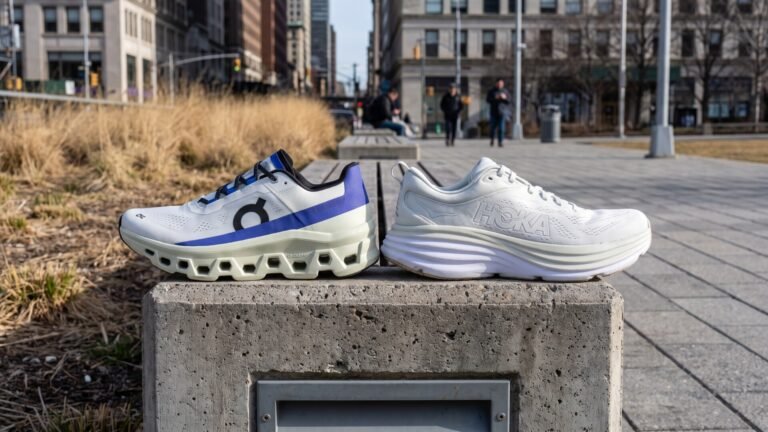
If you are looking for a plush, sink-in walking shoe, stop reading right now and go check out Hoka. Seriously. This is not that.
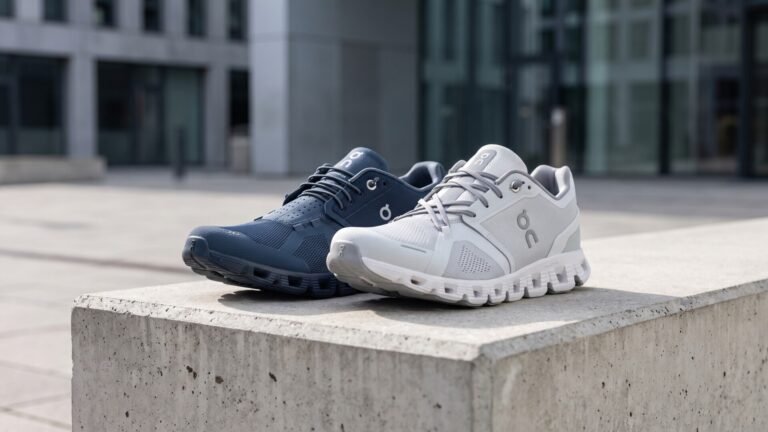
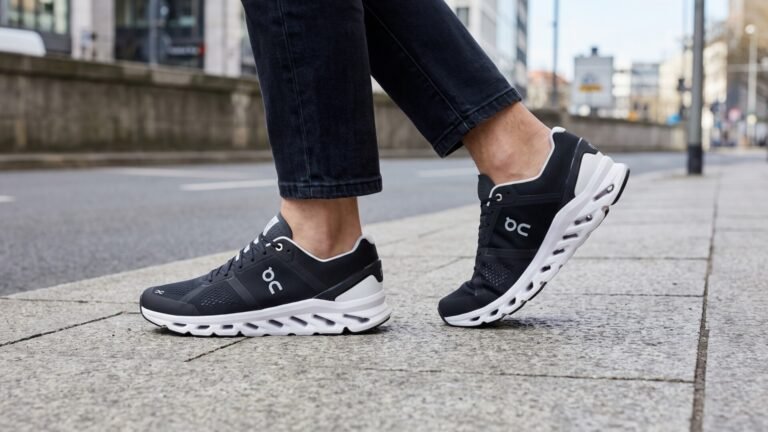
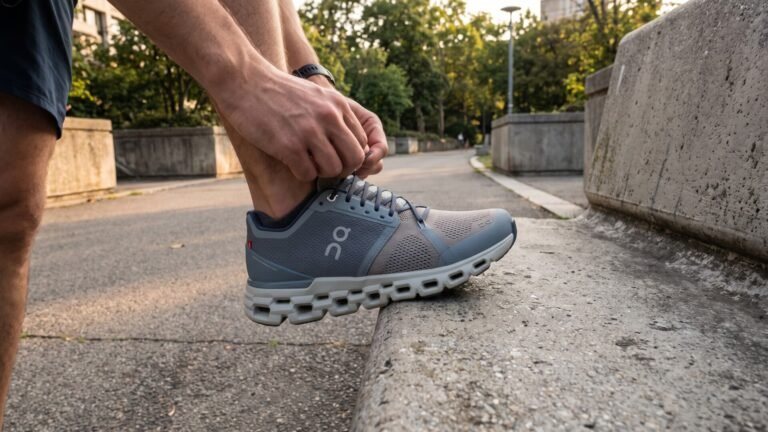
On sneakers are a different animal entirely. They are the Swiss-engineered, CloudTec-cushioned, impossibly recognizable shoes you have seen on every commuter, every runner, and half of your Instagram feed. They are premium-priced, cleanly styled, and they deliver a ride that feels less like a marshmallow and more like a precise, springy mechanism under your foot.
The tradeoff is simple: you are paying for distinctive design, a polished brand experience, and a specific type of performance. That is not the same as universal superiority. The Cloud 5 is the look everyone knows, but it is not the best for long walks. The Cloudmonster is soft, but it is bulky. The right On for you depends entirely on what you plan to do in them. Here is the honest breakdown to help you find the one that actually fits your life.
On Sneakers at a Glance
Before we get into the weeds, here is the fast path to the right model. This table is the shortcut you need.
| On model | Best for | Cushioning feel | Style position | Value verdict |
|---|---|---|---|---|
| On Cloud 5 | Casual wear, commuting, travel | Firm and responsive | Most recognizable lifestyle option | Good if styling matters most |
| On Cloudsurfer | Daily road running | Smooth and balanced | Performance-first | Strongest all-round running choice |
| On Cloudmonster | Long runs, high cushioning | Softest and most protective | Bold technical look | Worth it for comfort-focused runners |
| On Cloudswift | Urban running and walking | Stable and moderately cushioned | Sleek city sneaker | Good for pavement and daily movement |
| On Cloudnova | Lifestyle wear and light activity | Structured and supportive | Fashion-forward | Better for casual use than serious running |
| On Cloud X | Gym and cross-training | Firm and stable | Athletic and understated | Good for training, less ideal for long walks |
| On Cloudtilt | Walking, travel, everyday comfort | Soft and easy-rolling | Minimal modern look | One of the better lifestyle comfort options |
Editor’s choice:
- Best overall On running shoe: On Cloudsurfer
- Best for maximum cushioning: On Cloudmonster
- Best On sneaker for casual wear: On Cloud 5
- Best for travel and walking: On Cloudtilt
- Best for gym training: On Cloud X
- Best for a fashion-led look: On Cloudnova
What On Sneakers Are Known For
On has built its entire identity on one core idea: a shoe that feels like running on air, but with the structure and precision of a finely tuned machine. The brand was founded in Switzerland in 2010 by a former athlete and his friends, and that heritage shows. These are not flashy hype shoes. They are performance products with a clean, technical aesthetic that happens to look incredible with a pair of selvedge denim.
The star of the show is CloudTec cushioning. Forget the marketing jargon for a second. What you actually feel is a series of hollow pods on the midsole that compress on impact and then lock together to create a firm, springy push-off. The practical effect is a ride that feels snappy and precise rather than soft and squishy. It is a controlled, efficient sensation that many runners describe as “fast” even at a moderate pace. The rocker-style geometry helps roll you forward, which reduces the effort it takes to keep moving.
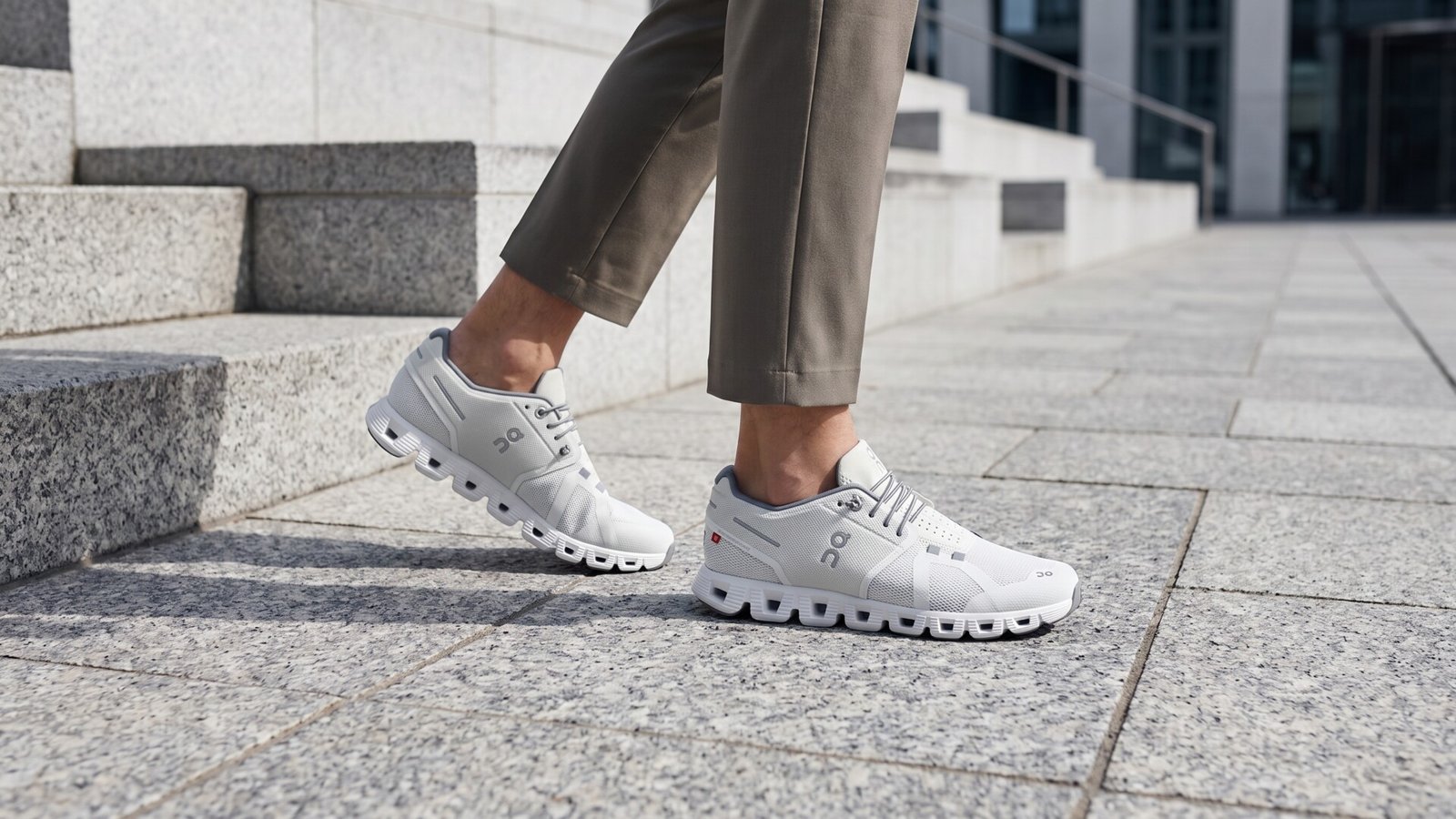
The look is the other half of the equation. The open, hollow midsole is instantly recognizable from across the street. The engineered mesh uppers are sleek and uncluttered. The color palettes lean neutral – lots of white, black, gray, and muted earth tones. On does not need a giant swoosh or a bold logo to be identified. You see that open midsole and you know exactly what it is. That visual restraint is a huge part of the appeal. It is a style signal that says you care about performance and design, not just branding.
This positioning puts On in a specific market slot. They are not competing with budget trainers from ASICS or New Balance. They are going head-to-head with premium models from Hoka, Brooks, Saucony, and Nike’s higher-end running lines. That means you are paying a premium for the design, the brand experience, and the particular ride. Whether that premium is worth it is the question this whole article is here to answer.
The On Sneakers Lineup: Which Model Fits Your Use?
On has a model for just about everything, which is both a strength and a source of confusion. Here is the breakdown of the main lineup, organized by what you actually want to do with them.
Best On sneakers for running
On’s running lineup is the foundation of the brand, and each model serves a distinct purpose.
The On Cloudsurfer is the safest starting point for most road runners. It is a daily trainer that delivers a smoother, less aggressive ride than the rest of the line. The cushioning has been refined over the years to feel more balanced and less jarring than older On models. It handles regular training, moderate distances, and tempo work without complaint. If you want one On shoe that can do a bit of everything on the road, this is it. It does not have the extreme rocker or the maximal stack of the Cloudmonster, which makes it a better fit for runners who want a more natural feel underfoot.
The On Cloudmonster is the big boy. This is the model for runners who prioritize impact protection above all else. It has the softest, most protective cushioning in the On lineup, making it ideal for long runs, recovery days, and runners who are heavier or more prone to joint discomfort. The tradeoff is that it is bulky. It looks like a proper max-cushion trainer, and it feels like one. Runners who prefer a low-to-the-ground, highly connected feel will find it too much. But if you want a soft, energetic ride that eats up miles, the Cloudmonster is the one.
The On Cloudswift is the urban runner. It is built for pavement, short-to-medium runs, and the kind of mixed walking-running days that city living demands. The cushioning is stable and moderately soft, with a focus on absorbing the hard impacts of concrete. It also looks great, which matters if you are running from your apartment to a coffee shop and do not want to change shoes. It is not the universal running choice, but it is the best On for navigating a city on foot.
See our On Cloudsurfer review
See our On Cloudmonster review
See our On Cloudswift review
Compare On Cloudsurfer vs Cloudmonster
Best On sneakers for walking, commuting, and travel
This is where On has quietly become a lifestyle powerhouse. These are the shoes you see on feet at airports, in offices, and on city streets everywhere.
The On Cloudtilt is our top recommendation for walking and travel. It features a softer, more forgiving cushioning setup than the rest of the lifestyle line, and it rolls through the gait cycle with an ease that makes long days on your feet genuinely comfortable. The upper is soft and breathable, and the whole shoe feels light and unobtrusive. If you are going to be walking for hours through an airport or a new city, this is the On you want.
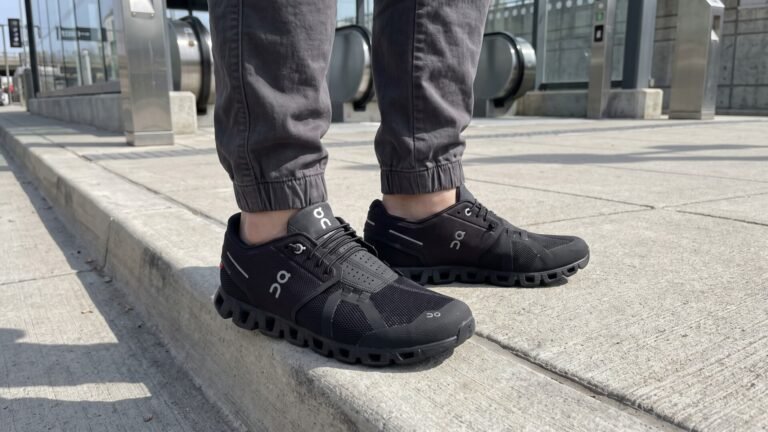
The On Cloud 5 is the one everyone recognizes. It is the classic On silhouette, with that distinctive open midsole and a clean, low-profile upper. It is compact, easy to pack, and works with a surprising range of casual outfits. The catch is that its cushioning is on the firmer side. For shorter daily wear – commuting, errands, a few hours of walking – it is great. For a full day of sightseeing or a long airport slog, your feet may start complaining. It is a lifestyle shoe first, and a walking shoe second.
The practical difference between the two comes down to this: choose the Cloudtilt if comfort and longer walks are the priority. Choose the Cloud 5 if you want the classic On look, a more compact silhouette, and you do not plan to be on your feet for eight straight hours.
See the best On shoes for walking
See the best travel sneakers
Compare On Cloud 5 vs Cloudtilt
Best On sneakers for the gym and lifestyle wear
The On Cloud X is the training shoe. It has a firmer, more stable platform that holds up well under lifting, circuit work, studio classes, and general gym sessions. You get decent ground feel and a secure fit that does not shift around when you are moving laterally or pushing through a squat. It is not the shoe for long-distance running or all-day plush comfort. But if you want one pair for the gym that also looks presentable on the way there, the Cloud X is a solid choice.
The On Cloudnova is the fashion statement. It has a more substantial, structured silhouette than the Cloud 5, with a chunkier sole and a more pronounced design language. This is the shoe you wear when you want an On sneaker to be the centerpiece of your outfit. It is fine for light activity and casual wear, but it is not a serious running or training shoe. Think of it as a fashion sneaker with an On pedigree.
And then there is the Cloud 5, which straddles the line between lifestyle and light activity. It is the most obvious everyday On sneaker, but it is not the best choice for serious workouts or extended walking. It is the shoe you grab when you want to look put-together without thinking too hard about what is on your feet.
See the best gym sneakers
See our On Cloud X review
See our On Cloudnova review
Design, Comfort, and Fit: What Buyers Notice After the First Week
The first week with any new shoe is the honeymoon period. Here is what actually matters once the newness wears off.
Style and versatility
On has a clear visual split in its lineup. The lifestyle shoes – Cloud 5, Cloudtilt, Cloudnova – have a lower profile and a cleaner look that blends easily with denim, relaxed trousers, and technical outerwear. They read as modern and intentional, not as running shoes you forgot to take off. The performance models like the Cloudmonster and Cloudsurfer are more obviously athletic. They pair fine with shorts and athletic wear, but they can look out of place with a pair of chinos.
The styling versatility is one of On’s greatest strengths. A white or black Cloud 5 goes with almost anything in a casual wardrobe. It is the sneaker equivalent of a good minimalist watch – it does not shout, but it elevates whatever you are wearing. The Cloudtilt takes that even further with a sleeker, more refined silhouette that transitions from travel to dinner without missing a beat.
There is a real buyer psychology angle here. Many people are not buying On shoes for the cushioning. They are buying the silhouette as a style signal. It says “I am active, I appreciate design, and I have the disposable income to spend $170 on a casual sneaker.” That is not a criticism – it is just the truth. Understanding it helps you make an honest choice about whether you are buying for performance, for style, or for both.
Comfort in real-world use
Here is where things get tricky. Running comfort and walking comfort are not the same thing. A shoe that feels lively and responsive during a run can feel firm and tiring during a full day of standing or walking. On shoes, with their structured CloudTec pods, tend to feel more efficient than plush. That is great for running, where you want energy return. It can be less great for standing on a hard floor for eight hours, where you want cushioning that absorbs and isolates.
The common On comfort tradeoff is this: the ride is firm-to-balanced, not soft. Buyers who expect a Hoka-style cloud of softness are often surprised by how structured On feels. The pods compress, but they also lock together to provide a stable platform. That stability is a feature for many, but it is not universal comfort.
Break-in is another variable. Some On models feel great out of the box. Others take a few wears to mold to your foot. Upper fit, foot shape, and the specific model matter far more than the brand name. A narrow-footed runner may love the secure fit of the Cloudsurfer, while someone with a wider forefoot may find the same shoe restrictive.
The practical takeaway is to match the model to your use. Choose the Cloudmonster if you want maximum cushioning. Choose the Cloudsurfer for a balanced daily runner. Choose the Cloudtilt for lifestyle comfort on your feet all day. Choose the Cloud X for a stable training platform. The brand is not one-size-fits-all, and pretending otherwise leads to disappointment.
Fit and sizing
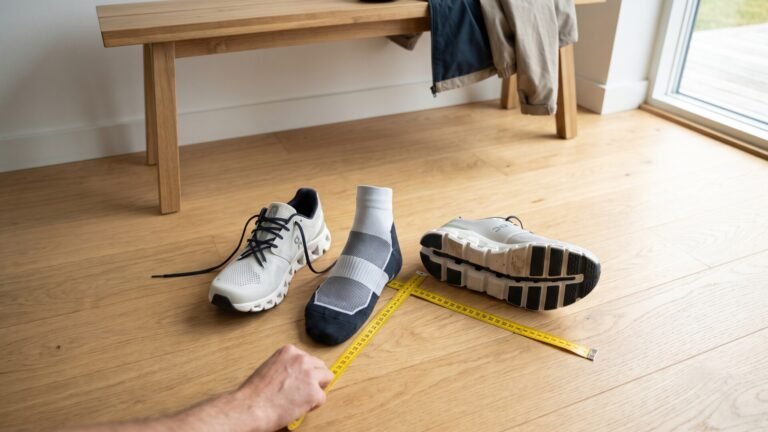
On sizing is a topic of endless debate, and the honest answer is that it varies. Most buyers can start with their usual athletic-shoe size, but you should always verify against the specific model’s size chart. The fit is not consistent across the range.
Performance models like the Cloudsurfer and Cloud X tend to have a more secure, shaped fit that holds the foot firmly. Lifestyle models like the Cloud 5 and Cloudtilt can vary in forefoot room and upper structure. The Cloud 5, for example, is known to run slightly snug for some wearers, while the Cloudtilt has a more generous, relaxed fit.
Wide feet are the big question mark. On does not offer many dedicated wide-width options, and the brand’s overall fit leans toward the narrower side. If you have a broad forefoot, do not assume every On shoe will accommodate you. Inspect the specific model’s width availability, look at the upper construction (a stretchy mesh will give more than a rigid one), and most importantly, buy from a retailer with a good return policy. The last thing you want is to be stuck with a $170 shoe that pinches your toes.
See our On shoe size guide
Do On shoes run true to size?
See the best On shoes for wide feet
Build Quality, Durability, and Ownership Costs
On shoes are generally well-made, but they have specific durability characteristics that buyers should understand before committing.
The engineered mesh uppers are lightweight and breathable, which is great for comfort but means they are not as protective as heavier materials. They can crease and show wear over time, particularly in the toe box. The exposed CloudTec pods are the most distinctive visual element, but they also collect dirt and debris. The open structure means pebbles and grit can get lodged in the midsole, and keeping them clean requires a bit more effort than a solid foam midsole.
The outsole rubber coverage varies by model. Running shoes like the Cloudsurfer and Cloudmonster have decent rubber placement in high-wear areas, but the exposed foam between the pods can show wear if you are heavy on your heels or run on rough surfaces. Lifestyle shoes like the Cloud 5 are fine for casual use, but they are not built for serious mileage.
The ownership experience depends heavily on how you use the shoe. A pair used for commuting and casual wear can last a couple of years. A pair used for frequent road running will need replacing sooner, not because the upper falls apart, but because the cushioning loses its original responsiveness. This is the hidden cost of performance shoes – the foam and pods compress and degrade over time, even if the shoe still looks fine.
Cost per wear is the framework that makes the premium price palatable. A pair of Cloudtilt shoes at around $160 becomes a reasonable investment if you wear them several times a week for a year. That is less than a dollar per wear. But if you buy the wrong model – say, the Cloud X for all-day standing when you really needed something softer – that value evaporates. You are left with an expensive shoe that does not fit your needs.
Maintenance is straightforward but requires consistency. Rotate between pairs if you wear On shoes daily. Clean the mesh gently with a soft brush and mild soap. Avoid throwing them in the washing machine if you can help it. And here is the hard truth: once the cushioning has lost its original feel, a running shoe is not a casual shoe. It is a retired shoe. Do not keep running on dead foam just because the upper still looks presentable.
What Most Buyers Get Wrong About On Shoes
Let us clear up some common misconceptions, because there is a lot of misinformation floating around.
The most recognizable On sneaker is not automatically the best one. The Cloud 5 is the shoe most people buy first because it is the one they have seen everywhere. But if you are going to be walking all day, the Cloudtilt is the better choice. If you are going to be running, the Cloudsurfer or Cloudmonster is what you actually need. Buying the Cloud 5 because it is the famous one is how you end up with a shoe that does not match your activity.
More cushioning is not always more comfortable. The Cloudmonster is the softest On, but that softness comes with bulk and weight. For some people, a highly cushioned shoe feels unstable and less controlled. They prefer the firmer, more connected feel of the Cloud X or Cloud 5. Comfort is subjective, and more foam does not automatically mean a better experience.
A premium price does not guarantee better value. On shoes cost more than comparable models from ASICS, Brooks, Hoka, New Balance, and Saucony. You are paying for the design, the brand positioning, and a particular ride. That is not a rip-off – it is a choice. But you should make that choice with open eyes. A $170 On shoe is not inherently better than a $130 ASICS or a $140 New Balance. It is different. Whether that difference is worth the extra cost is up to you.
Performance and lifestyle On models should not be treated interchangeably. A shoe that looks good with your casual outfits may not provide the stability or durability you need for running, gym work, or long standing shifts. The Cloudnova is a great-looking shoe, but it is not a running shoe. The Cloud X is a solid trainer, but it is not the shoe for a 10-hour shift on your feet. Match the model to the activity, not to the aesthetic.
Which On Sneakers Still Make Sense in Three Years?
Trends come and go, but some purchases age better than others. Here is how to think about the long-term value of an On shoe.
The neutral running models – Cloudsurfer, Cloudmonster, Cloudswift – have the best longevity. They are performance tools first, and their relevance does not depend on fashion cycles. A Cloudsurfer will still be a dependable daily trainer in three years, even if it is not the latest version. The highly recognizable lifestyle colorways are more trend-sensitive. A bright or unusual colorway may feel dated sooner than a clean white or black pair.
The replacement cycle is use-dependent. Frequent runners will likely replace their shoes every 300 to 500 miles, not because the upper is worn out, but because the cushioning loses its bounce. That could mean a new pair every six to nine months for a serious runner. Casual users can stretch a pair for a couple of years, but they should still monitor comfort and outsole wear. When your feet start aching after a day in a shoe that used to feel fine, it is time.
Resale is a minor consideration. Mainstream On models in popular sizes and neutral colors can be sold on the secondary market, but do not expect to recoup much of your investment. Worn performance shoes are use-value purchases, not investments. The value is in the miles you run and the days you walk comfortably, not in what you can get for them later.
Here is a three-year decision framework:
- Buy the Cloudsurfer if you want a shoe that earns its keep in a regular running rotation.
- Buy the Cloudtilt or Cloud 5 if the shoe will be worn casually and styled often.
- Buy the Cloudmonster if maximum comfort will lead to frequent use.
- Avoid paying full price for a model that duplicates a pair you already own or does not match your primary activity.
How to Choose the Right On Sneaker
If you are still undecided, work through this simple decision tree.
Choose by primary activity
- Running: Cloudsurfer for balanced daily training, Cloudmonster for high cushioning, Cloudswift for urban running.
- Walking and travel: Cloudtilt for comfort and longer days on your feet, Cloud 5 for a lighter lifestyle profile and the classic look.
- Gym and cross-training: Cloud X for a firmer, more stable platform that handles lifting and circuits.
- Casual and fashion-led wear: Cloud 5 for a low-profile, versatile silhouette, or Cloudnova if you want a more substantial, statement-making shape.
Choose by cushioning preference
- Firm and responsive: Cloud X or Cloud 5. These give you a connected, ground-level feel.
- Balanced and versatile: Cloudsurfer or Cloudswift. These hit the sweet spot between softness and responsiveness.
- Soft and protective: Cloudmonster or Cloudtilt. These offer the most cushioning, whether you are running long distances or walking all day.
Choose by budget and buying timing
On shoes sit in a premium price bracket, typically between $150 and $200 for most models. That means sale timing and retailer promotions can materially improve the value. Prior-season colorways often get discounted, and you can frequently find last year’s model at a significant markdown without sacrificing performance.
When buying at full price, prioritize fit and use over colorway. A shoe that fits well and matches your activity is worth full retail. A shoe that looks amazing but does not fit your needs is a waste of money at any price. And here is the warning: do not buy a discounted model that is wrong for your activity just because the discount is attractive. A $120 Cloud X is not a bargain if you needed a $160 Cloudtilt for walking all day.
Who Should Buy On Sneakers?
On sneakers are not for everyone, but they are perfect for a specific set of buyers.
You should buy On if you value distinctive technical styling and want a recognizable sneaker that moves easily between sport and casual wear. The look is the entry point for many people, and there is nothing wrong with that.
You should buy On if you are a runner seeking a premium daily trainer with a firm-to-balanced, responsive feel. The Cloudsurfer and Cloudmonster are genuinely excellent running shoes that compete with the best from Hoka, Brooks, and Saucony.
You should buy On if you are a traveler or commuter who wants lightweight, easy-to-style footwear and is willing to pay more for design and brand experience. The Cloudtilt and Cloud 5 are among the best travel sneakers you can buy.
You should buy On if you are an existing owner who understands the fit and cushioning style and wants to expand into a different use case. If you already know you like the brand, adding a running model or a lifestyle model to your rotation is a low-risk decision.
Who Should Skip On Sneakers?
Equally important is knowing when On is not the right call.
Skip On if your top priority is maximum value per dollar. You can get excellent running and walking shoes from ASICS, New Balance, Brooks, and Saucony for less money. On charges a premium, and you should only pay it if the specific design and ride are worth it to you.
Skip On if you need a consistently roomy fit and do not want to manage model-by-model sizing and width differences. On’s fit leans narrow, and the lack of consistent wide-width options is a genuine limitation.
Skip On if you stand all day and expect every model to deliver plush, fatigue-reducing cushioning. The firm-to-balanced ride of many On models is not ideal for static standing. You want something with more give.
Skip On if you need specialized stability, motion-control, or highly specific fit features. On does not offer the same range of support options as Brooks or ASICS. If you have a diagnosed overpronation issue, get fitted for a shoe that addresses it.
And skip On if you are buying primarily for hype or appearance without checking whether the model matches your actual needs. The Cloud 5 is a great shoe, but it is not the best On for running, walking all day, or training. Buy the model that fits what you do, not the one that looks best on Instagram.
Final Verdict: Are On Sneakers Worth Buying?
The answer is a qualified yes, with the qualification being entirely about model selection and honest self-assessment.
The On Cloudsurfer is the best overall starting point for buyers who want one performance-oriented On sneaker with broad daily-running usefulness. It is balanced, smooth, and versatile enough to handle most training needs.
The On Cloudtilt is the strongest lifestyle and travel recommendation. If walking comfort matters more than running performance, this is the On you want. It is the shoe that makes the premium price feel justified.
The On Cloud 5 is the classic On look, and it earns its place for compact everyday styling and casual versatility. Just do not buy it expecting it to be the best option for long walks or serious workouts.
The On Cloudmonster is the choice when cushioning and impact protection are more important than low weight or a subtle silhouette. It is a specialized tool for a specific need.
On sneakers are worth buying when you value the brand’s fit, ride, and design enough to justify the premium. They are well-made, distinctive, and genuinely excellent at what they do. They are not worth buying solely because the logo and CloudTec midsole are fashionable. Do the honest assessment of what you need, pick the right model, and you will be happy with your purchase for years.
Frequently Asked Questions About On Sneakers
Are On sneakers worth the money?
On sneakers are worth the money if you wear them frequently and you value the specific design and ride. The premium is easier to justify for a daily commuter or a regular runner than for someone who wears them occasionally. If you are buying a pair for occasional casual wear, cheaper alternatives from New Balance or ASICS may serve you just as well.
Which On sneaker is best for everyday wear?
The **Cloudtilt** is the best for comfort-focused daily wear, thanks to its softer cushioning and easy-rolling ride. The **Cloud 5** is the best for the classic low-profile On look that goes with everything. The **Cloudnova** is the best if you want a more fashion-led, statement-making silhouette. Your choice depends on whether comfort, classic styling, or fashion matters most.
Which On shoes are best for running?
The **Cloudsurfer** is the best balanced daily trainer for most road runners. The **Cloudmonster** is the best for high cushioning and long distances. The **Cloudswift** is the best for urban running and mixed walking-running days. The right choice depends on your cushioning preference and running style.
Do On sneakers run true to size?
Many buyers start with their usual athletic-shoe size, but fit varies by model and foot shape. Performance models like the Cloudsurfer have a more secure, shaped fit, while lifestyle models like the Cloud 5 can run snug for some wearers. Always check the specific model’s size chart and buy from a retailer with a good return policy.
Are On sneakers good for walking all day?
The **Cloudtilt** is the strongest starting point for walking and travel, with softer cushioning and a smoother ride. The **Cloud 5** can work for shorter daily use, but its firmer cushioning may tire your feet over a full day. Comfort is highly model-specific, so match the shoe to how long you will actually be on your feet.
Are On shoes good for wide feet?
Fit varies across models, and you should not assume the entire brand has the same width. On’s overall fit leans narrow, and dedicated wide-width options are limited. Check the specific model’s width availability, look at the upper construction for stretch, and prioritize retailers with free returns so you are not stuck with a shoe that pinches.
How long do On sneakers last?
There is no fixed lifespan. Running frequency, surface, body weight, rotation, and walking habits all affect when cushioning and outsole wear become noticeable. Frequent runners may replace shoes every 300 to 500 miles, while casual users can stretch a pair for a couple of years. Monitor comfort and outsole wear, and replace the shoe when it stops feeling right.