On Cloud 5 vs Cloudtilt
Let’s get one thing straight before we go any further: the On Cloud 5 is the better everyday sneaker for most people, but the On Cloudtilt is the one you want if your day is measured in miles walked, not steps taken.
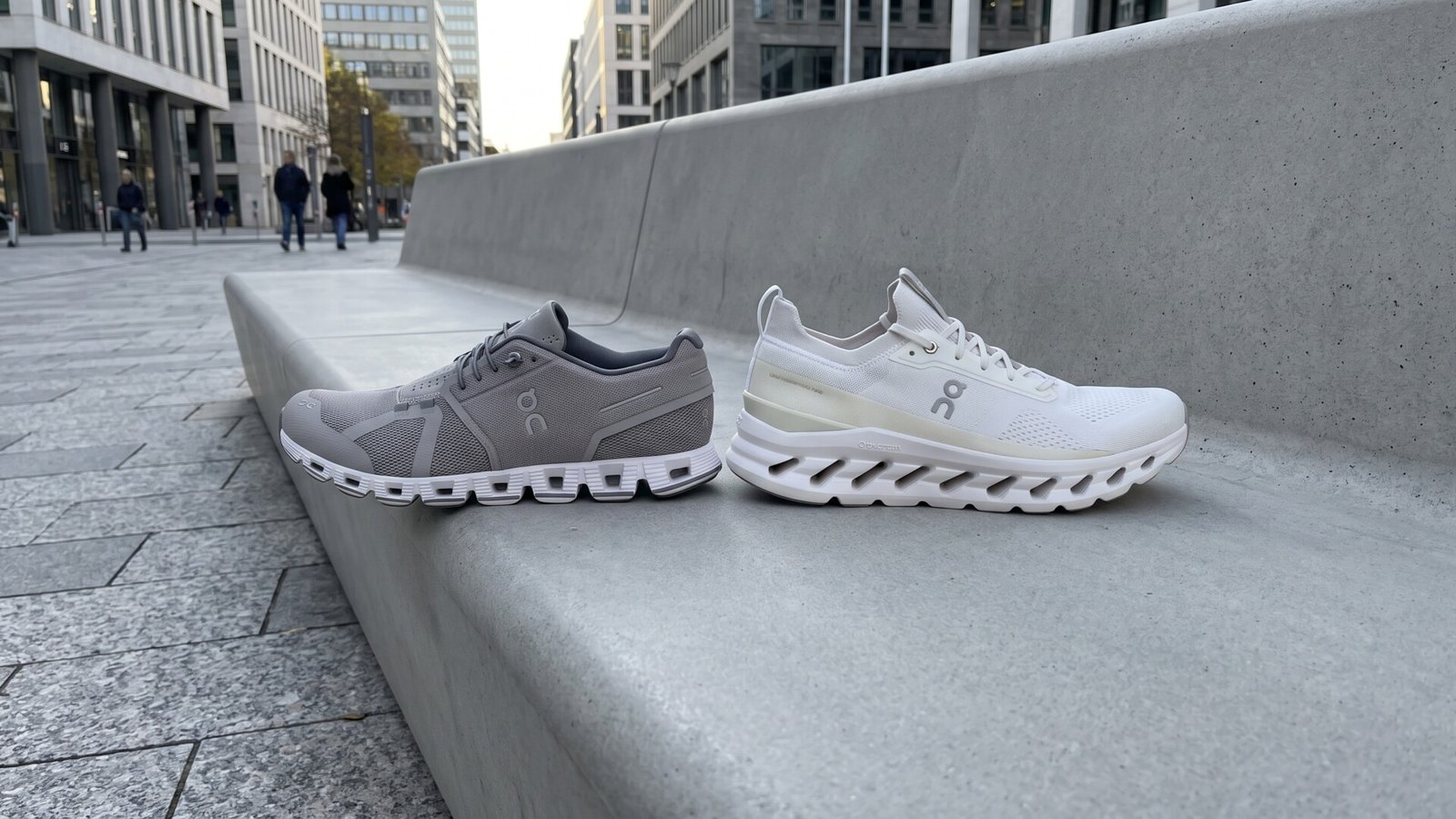
Both of these shoes look like they belong in the same family, and they do. Clean silhouettes, that unmistakable perforated sole, the kind of design that screams “I think about my footwear but I do not want to try too hard.” The confusion makes sense. They sit side by side in the same stores, both promising that distinctive On feel, and both working fine for commutes and casual wear.
The difference is what kind of comfort you actually need. The Cloud 5 is lighter, lower to the ground, and easier to throw on with anything. The Cloudtilt is softer, more substantial, and built for the days when your feet are doing the heavy lifting. One is a great all-rounder. The other is a specialist. Most buyers want the all-rounder. Some of you genuinely need the specialist, and this article is going to tell you which camp you are in.
At a Glance: Cloud 5 vs Cloudtilt
| Category | On Cloud 5 | On Cloudtilt |
|---|---|---|
| Typical price position | Usually lower or similar depending on version and sale pricing | Usually higher |
| Best for | Everyday wear, commuting, casual outfits | Walking, travel, standing, comfort-focused buyers |
| Underfoot feel | Light, responsive, relatively firm | Softer and more cushioned |
| Style | Minimal, low-profile, versatile | Chunkier, more technical, more trend-led |
| Fit | Often feels snug through the forefoot | Can feel more accommodating, but still check width |
| Value | Better for buyers who want one flexible sneaker | Better if the added cushioning gets used regularly |
Quick recommendations
- Choose Cloud 5 if: you want a lightweight sneaker for commuting, casual outfits, errands, and moderate walking.
- Choose Cloudtilt if: you spend long periods on your feet, travel frequently, or prefer a softer, more cushioned ride.
- Editor’s choice: On Cloud 5 for most buyers because it is easier to style, generally easier to justify financially, and works across more situations.
- Comfort winner: On Cloudtilt for walking-heavy days and standing comfort.
- Versatility winner: On Cloud 5.
What Separates the Cloud 5 From the Cloudtilt?
Strip away the marketing and you have two different philosophies. The Cloud 5 is a lifestyle sneaker with a running-inspired sole. It is compact, unassuming, and designed to disappear into your rotation. The Cloudtilt, by contrast, wears its performance influence on its sleeve. The sole is bigger, the profile is chunkier, and the whole shoe looks like it could handle a training session even if you only plan to walk to the train.
That larger underfoot presence is the whole story. More foam, more rubber, more visual weight. It makes the Cloudtilt feel softer when you step down, no question. But it also changes how the shoe works with your wardrobe. A chunky, technical sneaker does not slide into every outfit the way a low-profile one does. You can wear the Cloud 5 with chinos and a button-down without looking like you just left the gym. The Cloudtilt pushes you toward relaxed trousers, cargos, and athleisure. That is fine if that is your style. It is a limitation if it is not.
Here is the framework that actually matters: do not buy based on which shoe looks more advanced. Buy based on the type of comfort your day demands. Immediate softness is not the same as all-day usefulness. Some feet prefer a stable, slightly firmer platform. Some people want to sink into every step. Neither is wrong, but they lead to different purchases.
Product positioning
- Cloud 5: understated, lightweight, commuter-friendly, and closer to a modern casual sneaker.
- Cloudtilt: cushioned, substantial, performance-inspired, and aimed at buyers who spend more time walking or standing.
Both sit in that gray zone between running footwear and pure lifestyle sneakers. Neither should be treated as a replacement for a dedicated running shoe. The Cloud 5 is not built for serious mileage, and the Cloudtilt, for all its cushioning, is not a trainer. These are walking shoes with athletic DNA. Keep that straight and the whole decision gets easier.
Design, Style, and Everyday Versatility
On Cloud 5 style
The Cloud 5 is the sneaker equivalent of a well-cut white tee. The streamlined profile, the recognizable CloudTec sole, the clean upper – it all adds up to a shoe that works with jeans, casual trousers, shorts, and most travel outfits without dominating any of them.
That is its superpower. If you want an athletic sneaker that does not take over your look, this is it. The Cloud 5 sits quietly under a fit and lets the rest of your clothes do the talking. Neutral colorways like all-white or black-on-black are especially useful if you want one sneaker that goes with everything. Brighter versions exist, but they lean more sporty and cut into that versatility.
The tradeoff? The lower-profile design can look less substantial on foot. If you are used to chunkier sneakers, the Cloud 5 might read as plain or even a little flat. That is the price of subtlety. You trade visual presence for flexibility.
On Cloudtilt style
The Cloudtilt goes the other direction. The chunkier silhouette and technical details make it read as contemporary streetwear. This is a shoe that wants to be seen. The exaggerated sole and layered upper give it a modern, almost futuristic look that fits right in with current sneaker trends.
It works best with relaxed trousers, cargos, track pants, denim, and anything in the athleisure zone. If your wardrobe already runs toward oversized fits and technical fabrics, the Cloudtilt slots right in. If you mostly wear slim chinos and button-downs, it will feel like the odd one out.
The bigger question is longevity. Technical, chunky sneakers are having a moment, but moments pass. The Cloudtilt’s look feels current now, but it may age faster than the Cloud 5’s more timeless shape. Fashion cycles are brutal to shoes that commit too hard to one aesthetic. The Cloud 5’s minimal design is more likely to blend into whatever you are wearing in three years.
Styling verdict
Choose the Cloud 5 for maximum wardrobe versatility and subtle everyday wear. Choose the Cloudtilt if you want the sneaker to be a visible part of the outfit. For office-casual settings, the Cloud 5 is generally the safer option, provided your workplace accepts clean athletic footwear at all. The Cloudtilt pushes that boundary even in relaxed offices.
Comfort, Walking, and Standing
This is where the decision actually happens, so let us take our time.
Cushioning and step-in feel
The Cloud 5 feels light, firm, and responsive. That first step-in is not plush. It is snappy, almost springy, with a ground feel that tells you exactly what is underfoot. Some people love that. It feels stable and connected. Others find it firm, especially if they are used to the marshmallow softness of brands like Hoka or certain Brooks models.
The Cloudtilt is the opposite. It is softer, more cushioned, with a step-in feel that immediately reads as comfort. The difference is noticeable within the first few minutes and becomes more obvious the longer you wear them. On a long walk or after hours of standing, that extra cushioning is the difference between feet that feel fine and feet that feel tired.
But here is the thing nobody tells you: cushioning preference is personal. A soft, sinking sensation is not objectively better than a stable, slightly firmer platform. Some feet need support and structure more than they need plushness. Some people find overly soft shoes unstable, especially on uneven ground. Neither model is a medical device. If you have plantar fasciitis, flat feet, or any chronic foot condition, talk to a professional rather than trusting a sneaker review.
Walking and travel
For sightseeing, airport walking, city travel, and any day where you know the mileage will add up, the Cloudtilt is the pick. That extra cushioning pays for itself by hour three and keeps paying until you finally sit down for dinner. Travel days are brutal on feet, and the Cloudtilt is built for exactly that abuse.
The Cloud 5 handles shorter commutes, errands, and mixed days where you walk a bit, sit a bit, and walk a bit more. It is not a slouch. It just does not have the same reserves for sustained mileage.
Packing is another angle. The Cloud 5 is lighter and less visually bulky, which makes it easier to squeeze into a carry-on. The Cloudtilt offers more comfort but takes up more room and adds weight to your bag. And here is the hidden travel tradeoff: the most comfortable walking shoe is not always the easiest to wear with every outfit on a trip. If you are packing light and need one shoe for dinners and day trips, the Cloud 5’s versatility may matter more than its firmer ride.
Standing and daily wear
If your day involves long periods on your feet – retail shifts, hospitality, campus walking, long commutes – the Cloudtilt is the safer recommendation. The cushioning holds up better over hours on hard floors. That said, workplace requirements and individual foot needs vary, so do not treat this as a guarantee.
The Cloud 5 works fine for ordinary daily wear, but it can feel less forgiving after many hours on unforgiving surfaces. Breathability is solid on both, and upper comfort is generally good, but pay attention to sock choice and heel fit. A shoe that slips at the heel is a shoe that will cause blisters, regardless of how good the midsole feels.
Here is a practical rule: if you regularly finish the day with tired, aching feet, prioritize the Cloudtilt. If your days are mostly short-to-moderate use with plenty of sitting in between, the Cloud 5 is enough. Do not overbuy cushioning you will never use.
Fit and Sizing
Cloud 5 fit guidance
Start with your usual On size, but check the retailer’s current size chart before ordering. Fit can vary by version, and On has tweaked things over the years.
The Cloud 5 may feel snug through the forefoot for some wearers, especially with thicker socks. If your toes feel compressed, do not assume the upper will stretch enough. Try a wider or more accommodating alternative instead of forcing it. A secure heel and adequate toe room matter far more than sizing down for a streamlined appearance. That mistake will haunt you by the end of a long day.
Cloudtilt fit guidance
The Cloudtilt may feel more spacious or forgiving than the Cloud 5 depending on the version you get. But do not read that as a wide-foot shoe. It is more accommodating, not genuinely wide.
If you want a roomier walking feel, the Cloudtilt is worth trying, but only if the actual fit gives you enough toe splay without letting your heel move. The larger sole can make a loose fit feel unstable, especially on uneven pavement. A shoe that is too big is worse than one that is slightly snug.
If you have wide feet, high insteps, or unusual sizing needs, use a retailer with free returns and order both models in the same size. Compare them side by side. Send back the loser. That is the only reliable way to get this right without a store visit.
Fit decision
Choose the Cloud 5 for a closer, more streamlined fit. Choose the Cloudtilt if you prefer a more cushioned, substantial feel and have enough room in the forefoot. Neither model should be purchased solely on appearance if you already know you need a genuinely wide shoe. Look elsewhere for that.
Build Quality, Durability, and Ownership
Both shoes use mesh or textile uppers with synthetic reinforcement in the areas that need it. Both have laces that hold up fine and exposed sole components that are part of the design. The difference is in how the construction feels over time.
The Cloud 5’s lighter build can feel less overbuilt, but its simpler lifestyle role makes it easier to maintain. Less shoe means less to go wrong. The Cloudtilt’s larger sole and more technical construction feel more substantial, but they also show dirt and wear more visibly. A big white sole is a magnet for scuffs.
The likely long-term wear points are the same on both: outsole contact areas, creasing across the upper, heel lining, and cosmetic wear on the foam and rubber components. The CloudTec pods are exposed by design, which means they will pick up scrapes and discoloration. That is normal, not a defect.
What tends to matter after several months
Frequent walking favors the Cloudtilt if its cushioning remains comfortable for your foot shape. Some owners report the foam softening up nicely over time. Others find that a firmer shoe like the Cloud 5 holds its structure better. Heavy daily use makes cleanliness and outsole wear more noticeable, especially on lighter colorways.
Neither shoe is indestructible. Rotating between two pairs helps each one dry out and recover between wears. A sneaker cleaning kit is worth owning if you go with either model. Store them somewhere breathable and avoid machine washing unless the manufacturer specifically permits it. Most sneakers die in the washing machine, not on your feet.
Which Shoe Has Better Value?
Purchase price and real value
Retail positioning shifts with sales and colorway availability, so treat any specific price as a snapshot rather than a permanent fact. Generally, the Cloud 5 sits at a similar or lower price point than the Cloudtilt.
That makes the Cloud 5 the better value for buyers who need one sneaker that handles casual wear, commuting, and light walking. You are paying for versatility, and the Cloud 5 delivers it.
The Cloudtilt can justify its higher price if you will regularly use that extra cushioning. If you walk miles daily, travel often, or stand for hours at work, the comfort difference is worth real money. If you mainly want the Cloudtilt for its looks and will use it for short, low-intensity wear, you are paying a premium for cushioning you will never fully use.
Cost per wear framework
Run this simple calculation before you buy:
- Cloud 5: better cost per wear if you use it several times weekly across different outfits and activities.
- Cloudtilt: better cost per wear when you use it for travel, long walks, standing shifts, or frequent daily mileage.
The hidden cost is choosing wrong. Buy the Cloud 5 and discover you need a dedicated walking shoe, and you have spent twice. Buy the Cloudtilt and find it too bulky for your wardrobe, and you have a very expensive paperweight. The cheaper purchase is not always the better value. The correct shoe is the one that prevents a second purchase.
Resale and trend longevity
On has strong brand recognition and an active lifestyle market, but ordinary used pairs do not hold dependable resale value. These are not limited releases. Expect to take a loss if you sell.
Neutral colorways and clean condition are more likely to retain buyer interest than heavily worn or highly seasonal colors. If resale matters to you at all, keep the box and keep the shoes clean.
For style longevity, the Cloud 5 is the safer bet. Its minimal shape is less dependent on the current chunky-sneaker trend. The Cloudtilt is the better choice if you prioritize current technical styling over maximum timelessness. Just know that “current” has an expiration date.
What Most Buyers Get Wrong
Let us clear up the confusion that sends people to the wrong shoe.
Mistake: assuming the Cloudtilt is automatically better because it looks more advanced. Added cushioning only matters if you walk or stand enough to benefit from it. If your day is mostly sitting with short walks in between, the Cloudtilt’s softness is wasted on you.
Mistake: treating the Cloud 5 as a running shoe. It is not. The lifestyle and everyday-walking role should not be confused with a dedicated running model. If you want to run, buy a running shoe.
Mistake: sizing down for a cleaner silhouette. Reduced toe room makes long walks and standing less comfortable. Your toes need space. A shoe that looks slightly sleeker but crushes your forefoot is a bad purchase.
Mistake: choosing based only on the first five minutes in a store. A lightweight shoe can feel immediately easy, while the real difference shows up after several hours of use. The Cloud 5 feels great in the shop. The Cloudtilt feels great at hour six. Think about your actual day, not the first impression.
Who Should Buy Each Shoe?
Buy the On Cloud 5 if
- You want one versatile sneaker for commuting, errands, casual outfits, and moderate walking.
- You prefer a lighter, lower-profile shoe with a cleaner appearance.
- You need a sneaker that works with jeans, chinos, shorts, and travel clothing.
- You are more concerned with wardrobe flexibility and cost per wear than maximum cushioning.
Buy the On Cloudtilt if
- You regularly walk long distances, travel on foot, or spend extended periods standing.
- You prefer a softer and more cushioned underfoot feel.
- You like technical, chunky sneakers and want the shoe to be a visible part of the outfit.
- You are willing to pay more for comfort that you will use often.
Consider another On model instead
The Cloud 5 and Cloudtilt are not the only options. If you want a more dedicated running or structured walking shoe, look at the On Cloudrunner, depending on your intended activity. If you want a more athletic silhouette with a different cushioning profile, the On Cloudswift is worth a look. On updates its lineup over time, so compare current model details and fit before buying anything.
Final Verdict: Cloud 5 or Cloudtilt?
Here is the call. The On Cloud 5 is the overall winner for most buyers. It combines lighter weight, broader styling versatility, easier everyday use, and more sensible value for a single casual sneaker. If you want one shoe that handles most of your life without thinking too hard about it, this is it.
The On Cloudtilt is the comfort winner for walking-heavy schedules, travel days, and extended standing. If your feet are doing serious work, the extra cushioning is not a luxury. It is a necessity.
The decision is cleaner than it looks:
- Buy the Cloud 5 if your typical day includes short commutes, errands, casual wear, and moderate walking.
- Buy the Cloudtilt if your typical day is defined by hours on your feet and you will genuinely use the additional cushioning.
If you are still torn, ask yourself one question: what does your next Tuesday actually look like? If it is mostly sitting with some walking in between, the Cloud 5 wins. If it is walking, standing, and more walking, the Cloudtilt earns its keep. Most of you should buy the Cloud 5. Some of you need the Cloudtilt. Be honest about which one you are.
Frequently Asked Questions About On Cloud 5 And Cloudtilt
Is the On Cloudtilt more comfortable than the Cloud 5?
The Cloudtilt is generally the better choice if you want a softer, more cushioned feel. The Cloud 5 may feel better to people who prefer a lighter and firmer shoe. Comfort is subjective, so match the ride to your preference.
Is the On Cloud 5 good for walking all day?
It can work for moderate daily walking, but if you regularly walk for hours or stand on hard floors, the Cloudtilt or a more dedicated walking model is the safer choice. The Cloud 5 runs out of forgiveness faster.
Which is better for travel, Cloud 5 or Cloudtilt?
The Cloudtilt is better for walking-intensive trips where you will be on your feet all day. The Cloud 5 is better for travelers who prioritize lighter packing, outfit versatility, and mixed casual use. Match the shoe to the trip.
Do On Cloud 5 and Cloudtilt fit the same?
Sizing and fit can vary by version. The Cloudtilt may feel more substantial or accommodating, but neither should be assumed to fit identically without trying them on. Order both and compare if you are unsure.
Is Cloudtilt worth the extra money?
It is worth considering when you regularly need extra cushioning for walking or standing. It is less compelling if you mainly want a casual sneaker for short outings. Pay for comfort you will use, not comfort you will ignore.
Which On shoe is better for wide feet?
Neither model is a guaranteed wide fit. Try both on carefully, paying attention to toe room, forefoot pressure, and heel security. Use a retailer with easy returns so you can test them properly.
Which shoe will stay stylish longer?
The Cloud 5 has the edge for its simpler, more versatile shape. The Cloudtilt is a strong choice if you prefer current technical and chunky sneaker styling, but that look may age faster.