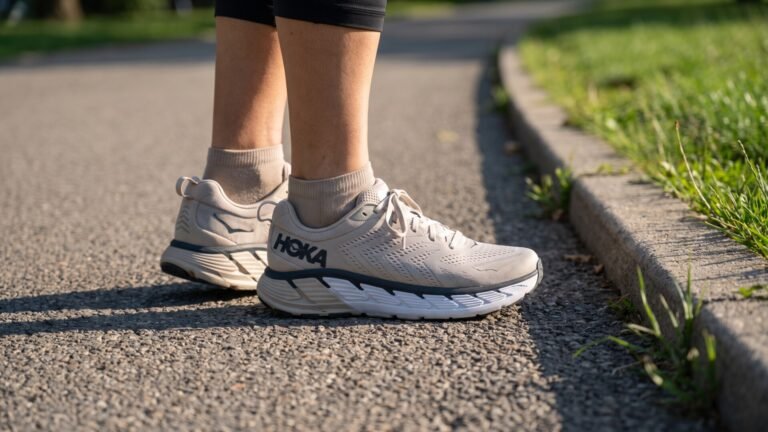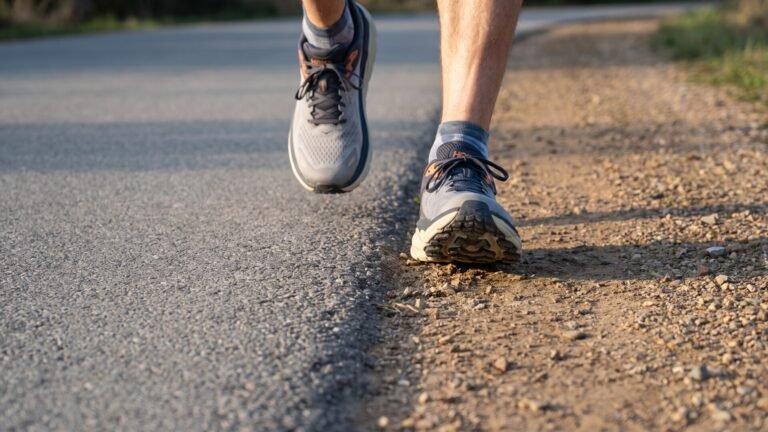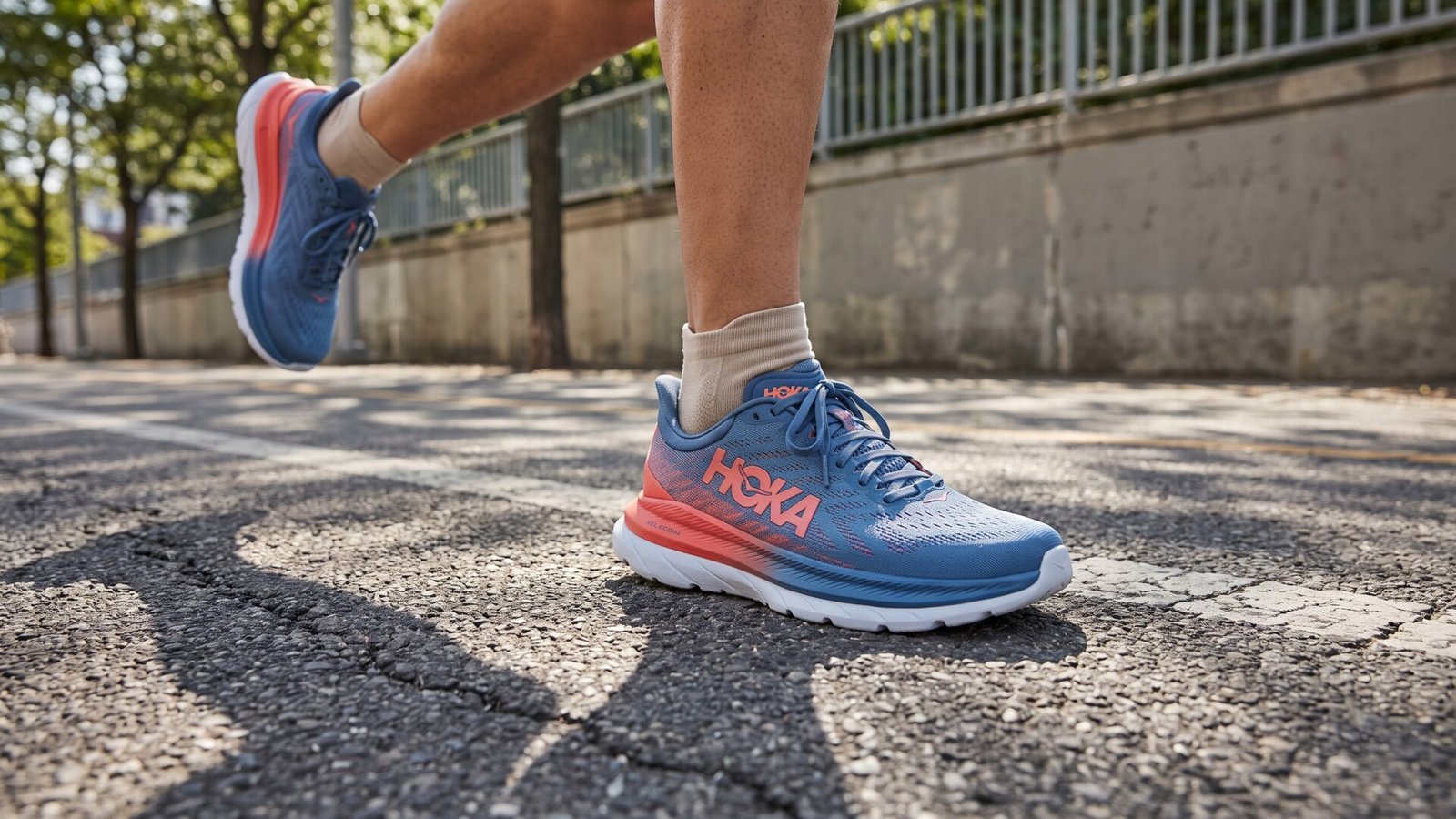
Hoka Mach Review
You know the Hoka reputation. Plush. Pillowy. Like running on marshmallows that somehow got certified as footwear.
The Hoka Mach 6 is not that shoe. And honestly? That is exactly why it deserves your attention.
Here is the quick verdict: the Mach 6 is worth buying if you want a lightweight, responsive daily trainer that can handle easy miles and tempo work without feeling like you strapped boats to your feet. It is Hoka’s answer for runners who like the brand’s geometry but find the Clifton too soft and the Bondi too much shoe.
The confusion is understandable. It looks like a Hoka. It has that chunky midsole silhouette the brand made famous. But the ride is different – firmer, snappier, more athletic. Buy it for faster everyday miles. Skip it if your definition of comfort is maximum softness, or if this shoe will spend most of its life on pavement walks rather than actual runs.
Bottom line: The Mach 6 is a runner’s running shoe. Let us break down exactly who should cop and who should pass.
Hoka Mach at a Glance
| Category | Assessment |
|---|---|
| Best for | Lightweight daily training and uptempo runs |
| Ride | Responsive, energetic, firmer than the Clifton |
| Cushioning | Moderate, less protection than max-cushion Hokas |
| Fit | Secure and performance-oriented; check width needs |
| Walking | Good for active walking, less ideal for plush all-day comfort |
| Value | Strong if used regularly for running; weaker as a casual sneaker |
| Main drawback | Can feel firm on long, slow miles |
Quick recommendations
- Buy the Hoka Mach 6 if: you want one lightweight trainer that handles easy runs, tempo sessions, and everyday mileage without feeling sluggish.
- Choose the Hoka Clifton instead if: softer cushioning, walking comfort, and long periods on your feet matter more than speed.
- Choose the Hoka Bondi instead if: maximum cushioning and impact protection are non-negotiable.
- Choose the Hoka Rincon instead if: absolute minimum weight matters and you accept a simpler, less durable build.
- Editor’s choice: The Hoka Mach 6 for runners who want one versatile Hoka with a noticeably faster feel. [Affiliate: Check current pricing and availability for the Hoka Mach 6]
What the Hoka Mach Is Designed to Do
Hoka built its name on maximum cushioning. The Bondi and Clifton made the brand synonymous with soft, protective rides that swallow road impact. But not every runner wants that. Some want the geometry and stability Hoka does well, just with less foam underfoot and more response when they push off.
That is the Mach’s lane.
The Mach sits in Hoka’s lineup as a lightweight neutral trainer. It is not a maximal-cushioning comfort shoe – do not buy it expecting that. It is also not a dedicated racing shoe with a carbon plate and race-day pricing. It lives in the middle: everyday running with the option to pick up the pace when you feel good.
The practical effect of the lower weight shows up fast. Turnover feels quicker. Acceleration takes less effort. The shoe disappears under you in a way the Bondi never will. You feel lighter because you are carrying less shoe with each stride.
The Mach 6 updates over earlier versions focused on refining that experience. The ride got smoother, the upper more breathable, the fit more dialed-in for performance. Hoka has iterated on the foam compound and geometry rather than chasing a completely different shoe. If you ran in a Mach 4 or 5, the 6 feels like a more polished version of the same idea – not a reinvention.
Hoka Mach Design, Ride, and Comfort
Ride character
Step into the Mach 6 and the first thing you notice is what is missing: that deep, sinking sensation you get from the Bondi or Clifton. The foam is firmer. The ride is more direct. You feel the ground more, but you also feel more connected to it.
That sounds like a criticism. It is not. For runners who dislike bulky shoes, this is the point. The Mach gives you Hoka’s rockered geometry – that curved sole shape that encourages smooth transitions – without the excessive stack height. Your foot rolls forward naturally, toe-off feels efficient, and the shoe responds when you ask for more speed.
The ride character shifts with pace. At easy effort, the Mach feels firm but comfortable – not harsh, just honest. Pick it up to moderate or tempo pace and the shoe wakes up. The foam compresses more under faster turnover, and that firmness becomes responsiveness. This is a shoe that rewards effort.
What it does not do is coddle you. If you want to shuffle through a recovery run at a very slow pace, the Mach will feel firmer than you might like. The shoe wants to move.
Cushioning for real-world use
Here is the honest assessment: the Mach 6 has enough cushioning for most runs most runners will do. Short runs, daily mileage, even longer efforts up to half marathon distance – the foam handles it. The rockered geometry also helps reduce fatigue by smoothing your stride.
The tradeoff shows up late in long runs or when your legs are already tired. That moderate cushioning has less reserve than a max-cushion shoe. At mile ten of a long run, when your form starts to break down and every impact feels harder, you might wish for more foam. Heavier runners will feel this sooner than lighter ones.
Standing is a different question entirely. The Mach is not built for hours of stationary standing. The foam is designed for forward motion, not static support. You can stand in these shoes comfortably for a while, but if your workday involves eight hours on your feet, the Clifton or Bondi serves you better.
Walking deserves its own note. For active walking – commuting, city exploring, getting steps in – the Mach works fine. The low weight makes it easy to wear all day. But if you want a shoe that feels plush with every step of a leisurely stroll, this is not the one. The Mach rewards movement, not standing around.
Upper and lockdown
The Mach 6 upper is breathable and lightweight, which matters when you are running faster and generating more heat. The material wraps the foot without feeling restrictive, and there is enough structure to hold you securely through turns and faster strides.
Heel security is solid. The heel counter holds your foot in place without digging in, and the midfoot lockdown keeps things stable through the transition. This is a performance-oriented fit – snug where it needs to be, with the toe box allowing natural splay.
One thing to note: exact materials and fit can vary between versions and colorways. Hoka has tweaked the upper across Mach generations, and some colorways use slightly different material layups. Check the current listing before purchase and read recent reviews for the specific version you are considering.
How it compares with other Hoka rides
| Hoka model | Ride feel | Best use | Choose it over the Mach if… |
|---|---|---|---|
| Hoka Mach 6 | Light and responsive | Daily runs and faster training | You want the most athletic option |
| Hoka Clifton | Softer and more balanced | Daily running and walking | You want more cushioning and versatility |
| Hoka Bondi | Plush and protective | Walking and long standing | Impact comfort matters more than weight |
| Hoka Rincon | Very light and simpler | Faster short-to-medium runs | You want minimal bulk and accept less durability |
Hoka Mach Fit and Sizing
Start with true to size. Most runners will take their regular running shoe size in the Mach 6. But that comes with a warning: this is a performance fit, not a lifestyle fit. If you are used to relaxed sneakers with plenty of room, the Mach will feel snugger than you expect.
The secure fit comes from the upper design and midfoot hold. Hoka shaped the Mach to lock the foot down for running, which means less slop and more connection to the platform. That is great for running. It can feel restrictive if you are used to roomier shoes.
Who should consider a wide version? Runners with broad forefeet, high-volume feet, or a preference for toe splay should check whether the Mach is available in wide in your region. If the standard width feels compressed across the forefoot, do not force it – that discomfort will only get worse at mile five.
Socks matter more than people think. Thin running socks give the fit more room. Thick cushioned socks can make the Mach feel half a size too small. Match your sock choice to how you will actually use the shoe.
Feet swell on long runs. That is normal. If you plan to use the Mach for longer efforts, consider trying the shoe on late in the day when your feet are at their largest, or buy from a retailer with a clear return policy so you can test the fit properly.
Here is a simple fit decision rule. Stay with the Mach if your heel and midfoot feel secure and your toes can move freely. Size up or switch models if the forefoot feels compressed rather than merely snug. A shoe that pinches at the start will not break in – it will just hurt later.
Durability and Long-Term Ownership
Let us talk about how the Mach actually ages, because lightweight trainers have a reputation for dying young.
The outsole is the first thing to watch. The Mach uses strategic rubber placement rather than full coverage, which keeps weight down. That means the exposed foam areas – typically at the heel strike zone and forefoot – will show wear first. Runners who heel strike heavily or train on rough asphalt will see this sooner than forefoot strikers on smooth surfaces.
Foam compression is the bigger long-term question. All running shoe foam loses its bounce over time. The Mach’s midsole is firmer than Hoka’s max-cushion models, which actually helps it hold its shape longer. But it will still compress. You will notice the ride feeling flatter and less responsive somewhere in the 300 to 500 mile range, depending on your weight, stride, and running surfaces.
The upper creases but generally holds up well. The lightweight materials are not as durable as heavier mesh, so be careful with sharp objects and rough terrain. This is not a trail shoe.
Here is the ownership framework that actually works: do not replace the Mach only when the outsole looks worn. Track changes in cushioning, outsole grip, upper integrity, and comfort. When the ride feels flat, the grip feels compromised, or your feet start hurting after runs that used to feel fine, that is the signal to replace them. The outsole can look fine while the foam is dead.
Cost per wear matters. The Mach makes excellent financial sense as a regularly used running shoe. If you run three to four times per week, the cost per run drops quickly. As an occasional casual sneaker worn on weekends, it is an expensive shoe that will take years to justify its price.
Maintenance is straightforward. Rotate the Mach with another pair if you run frequently – this gives the foam time to recover between runs and extends the shoe’s life. Let the shoe dry naturally after wet runs. Do not machine wash them. Do not put them in the dryer. If you run daily, a second pair in rotation is the single best thing you can do for longevity.
What Most Buyers Get Wrong About the Hoka Mach
The biggest misconception is simple: every Hoka is plush. The brand built its reputation on maximum cushioning, so buyers assume any shoe with that oversized midsole will feel the same. The Mach proves that wrong, and buying it based only on the brand’s reputation leads to disappointment.
Here is the hidden tradeoff of lightweight construction. A faster feel means less comfort when you are tired. When your legs are fresh, the Mach feels responsive and fun. When you are exhausted, carrying extra weight, or on your feet for hours, that same firmness feels like a lack of protection. The shoe does not change – your body does.
Responsive is not the same as soft. This distinction trips up a lot of buyers. A responsive shoe feels energetic and lively – it bounces back quickly and rewards effort. A soft shoe feels cushioned and forgiving – it absorbs impact and protects your legs. The Mach is responsive. The Bondi is soft. They serve different purposes, and neither is objectively better.
The Mach is also not automatically the best Hoka for beginners. New runners often benefit from stable, forgiving cushioning while their bodies adapt to the impact of running. A performance-oriented ride like the Mach assumes you have some running foundation. If you are just starting, the Clifton is the safer recommendation.
Hoka Mach for Different Buyers
For daily runners
If you run regularly and want one shoe that can handle most of your training, the Mach 6 deserves serious consideration. It does easy runs without feeling dead, handles tempo work without feeling out of its depth, and stays light enough for faster sessions.
The moderate cushioning is enough for most daily mileage. If you are running 20 to 30 miles per week, the Mach can reasonably handle the majority of those miles. The caveat comes with longer runs or recovery days when your legs need more protection. That is when you rotate in a softer shoe.
Pairing the Mach with the Hoka Clifton is a strong rotation. Use the Mach for your faster days and the Clifton for recovery runs and easy mileage. Together they cover the full range of daily training without overlapping too much.
For walking, commuting, and standing
The Mach can work for active commuters. If you walk a mile or two to the train, stand intermittently, and generally keep moving, the light weight and responsive ride serve you well. It is a shoe that keeps up with a busy day.
But it is not the strongest Hoka option for all-day standing. The foam is tuned for forward motion, not static support. If your job keeps you on your feet for hours, the Clifton offers a better balance of cushioning and support, while the Bondi provides maximum underfoot comfort for the toughest standing days.
Surface and climate matter. The Mach’s outsole is designed for road running, and grip is adequate on dry surfaces. In wet conditions, be more careful on smooth or slippery ground. There is no waterproofing here – this is a breathable running shoe, and your feet will get wet in rain.
For travel and everyday wear
The Mach has genuine advantages for travel. It is light, which matters when every ounce counts in a carry-on. The athletic styling works for airport walking, city exploring, and a quick run if you want to stay active on the road. One pair can cover multiple needs.
The drawback is that a performance running shoe used as an everyday sneaker wears faster. The foam and upper are built for running, not casual scuffing. You will see cosmetic wear sooner than you would with a lifestyle shoe. And the performance look – especially in bright colorways – reads as technical sportswear rather than casual style.
Neutral colorways help. Black, grey, or earth-tone versions of the Mach blend into everyday outfits more easily. Bright running colorways scream "I am going for a run" even when you are just getting coffee.
For speed-focused runners
Runners who want one versatile trainer may prefer the Mach over a specialized shoe that sits unused between workouts. A carbon-plated racer is wasted on easy days. The Mach covers your daily training and can handle faster sessions without forcing you to own multiple specialized shoes.
But the Mach is not a substitute for a dedicated racing shoe. On race day, when you want maximum propulsion and minimum weight, a carbon-plated racer will be faster. The Mach is a training shoe that can race shorter distances respectably – it is not the fastest option available.
Hoka Mach vs the Alternatives
| Alternative | Better choice for | Hoka Mach advantage | Main tradeoff |
|---|---|---|---|
| Hoka Clifton | Softer daily running and walking | Lighter and more responsive | Less plush |
| Hoka Rincon | Lightweight speed and lower bulk | More substantial for everyday training | May feel less minimal |
| Hoka Bondi | Maximum cushioning and standing | More agile and less heavy | Less protective |
| ASICS Novablast | Bouncy daily training | Familiar Hoka geometry and fit for Hoka fans | Ride preference is highly personal |
| New Balance FuelCell Rebel | Light, fast training | More Hoka-like cushioning and geometry | May feel less quick to some runners |
The Hoka Clifton is the closest internal alternative and the default comparison for most buyers. The Clifton offers softer cushioning, a more forgiving ride, and greater versatility for walking and everyday wear. The Mach trades some of that softness for lower weight and a more athletic feel. If you can only buy one Hoka and you are not sure what you want, the Clifton is the safer bet. If you know you want a faster ride, the Mach wins.
The Mach versus Rincon comparison comes down to ownership rather than specifications. The Rincon is lighter and simpler, but that minimalism comes with tradeoffs in durability and long-term value. The Mach is the more rounded purchase – it costs more but lasts longer and covers more use cases. The Rincon makes sense for runners who prioritize lightness above everything else and accept replacing shoes more frequently.
Looking beyond Hoka, the ASICS Novablast and New Balance FuelCell Rebel are the competitors worth considering. The Novablast offers a bouncier, more energetic ride that some runners prefer. The Rebel is similarly light and fast-feeling. But if you are already a Hoka fan, the Mach offers familiar geometry and fit with that brand-specific ride character.
The selection rule is straightforward. Choose the Mach when versatility and low weight matter together. Choose a competitor when its softer, bouncier, or more flexible ride better matches your personal preference. Ride feel is subjective – what feels perfect to one runner feels harsh to another.
Who Should Buy the Hoka Mach?
The Mach 6 is for a specific runner, and knowing whether that is you saves a lot of disappointment.
Buy the Mach if you want a lightweight daily trainer that can handle easy runs and faster sessions without complaint. It is for runners who find the Bondi or Clifton too bulky or too soft, who want Hoka’s geometry with a more athletic feel.
It works for travelers and commuters who want one pair that covers walking and occasional running. The low weight and versatility make it a solid one-shoe travel option.
And it is for buyers who understand the product. Moderate cushioning and responsiveness are not compromises to be corrected – they are the point of the shoe. If that sounds like you, the Mach will not disappoint.
Who Should Skip the Hoka Mach?
Equally important is knowing when to walk away.
Skip the Mach if you are buying primarily for all-day standing, work shifts, or maximum walking comfort. The Clifton or Bondi serves you better.
Skip it if you need a broad, relaxed forefoot or dislike performance-oriented fits. The Mach locks you in, and if that feels restrictive, no amount of break-in will fix it.
Skip it if you expect a soft, protective Hoka ride based on the Bondi or Clifton. The Mach is firmer, and buying it expecting plushness leads to regret.
And skip it if you are a high-mileage runner seeking one pair with maximum durability and impact protection. The Mach is not built to be your only shoe at 50 miles per week. You need a rotation.
Final Verdict: Is the Hoka Mach Worth It?
The Hoka Mach 6 is worth it for the right buyer. It delivers a more athletic ride than the Clifton without becoming as specialized as a racing shoe. That middle ground is genuinely useful – it covers daily training, tempo work, and faster sessions in one lightweight package.
The core reason to choose the Mach is simple: it gives you Hoka’s smooth geometry and stable platform with a noticeably faster feel. If you want that combination, there is nothing else in the Hoka lineup that does it better.
But the qualification matters. This is not the best purchase for maximum cushioning, long standing, or shoppers who want a roomy comfort sneaker. Those buyers should look at the Clifton or Bondi and stop reading.
Here is the practical buying rule. Buy the Mach 6 when the price is competitive and the fit is secure. Choose the Clifton or Bondi when comfort and protection matter more than speed. And before you checkout, check current stock, confirm sizing against your other running shoes, and verify the retailer’s return policy so you can test the fit properly.
The Mach 6 is a running shoe for runners. If that is you, you will love it.
Frequently Asked Questions About Hoka Mach
Is the Hoka Mach good for everyday running?
Yes, for runners who prefer a light, responsive feel. It handles daily mileage well and can pick up the pace when needed. Runners wanting maximum softness will be happier in the Clifton or Bondi.
Is the Hoka Mach good for walking?
It works well for active walking and commuting thanks to its low weight and smooth ride. It is not Hoka’s most comfortable choice for long standing or slow all-day use – the Clifton or Bondi handles that better.
Does the Hoka Mach run true to size?
Most runners should start with their regular running shoe size. The secure, performance-oriented fit may feel snugger than a casual sneaker, and wide-footed shoppers should check available width options before ordering.
Is the Hoka Mach suitable for wide feet?
It may work for moderately wide feet if a wide version is available in your region. People needing substantial forefoot room should compare the fit carefully or choose a roomier alternative like the Clifton.
How long does the Hoka Mach last?
There is no universal mileage guarantee. Lifespan depends on body weight, running surface, rotation, stride, and use. Watch for foam compression, outsole wear, and reduced comfort – when the ride feels flat or your feet start hurting, it is time to replace them.
Is the Hoka Mach better than the Hoka Clifton?
It depends on what you want. The Mach offers a lighter, faster feel for runners who want responsiveness. The Clifton offers softer cushioning and broader everyday versatility, including walking and standing comfort.
Can the Hoka Mach be used for gym workouts?
It can suit general gym sessions and treadmill work. It is not a dedicated lifting or court shoe, and exercises requiring a stable, low platform may be better served by a firmer training shoe.