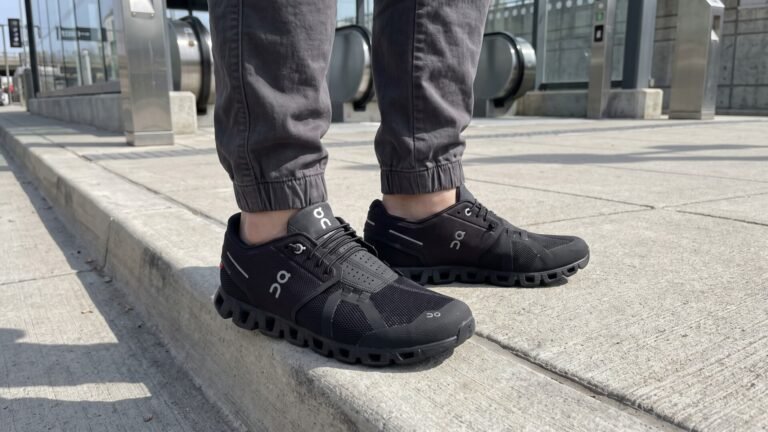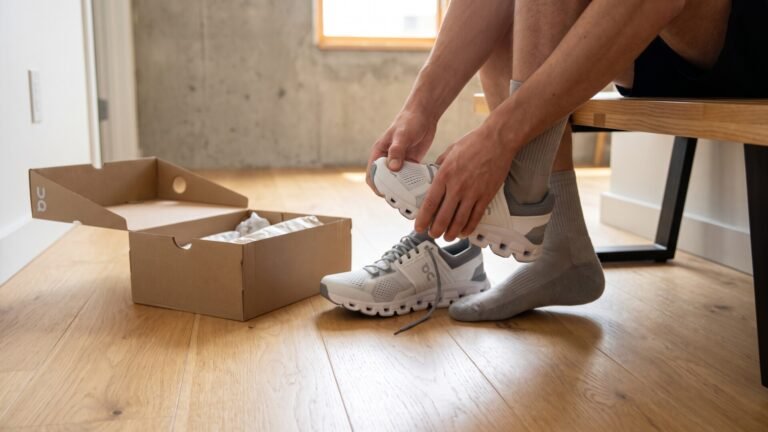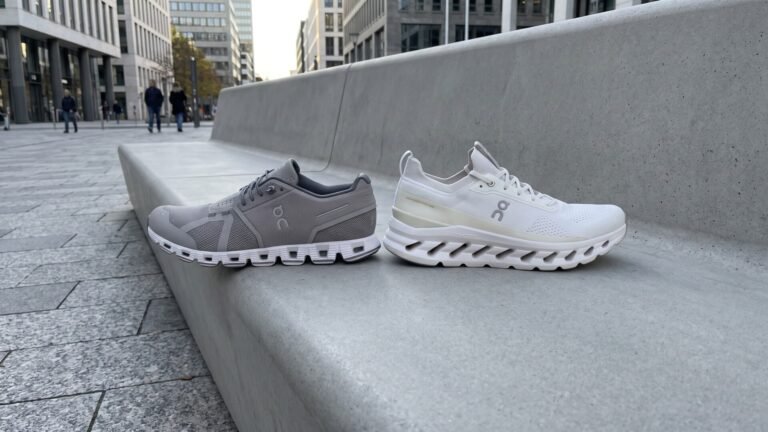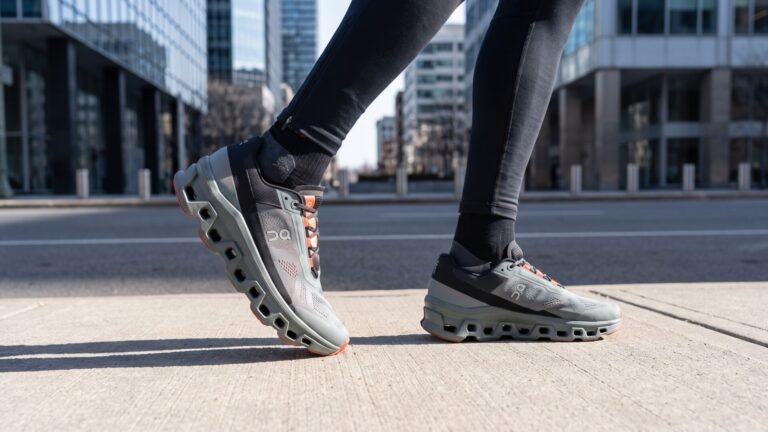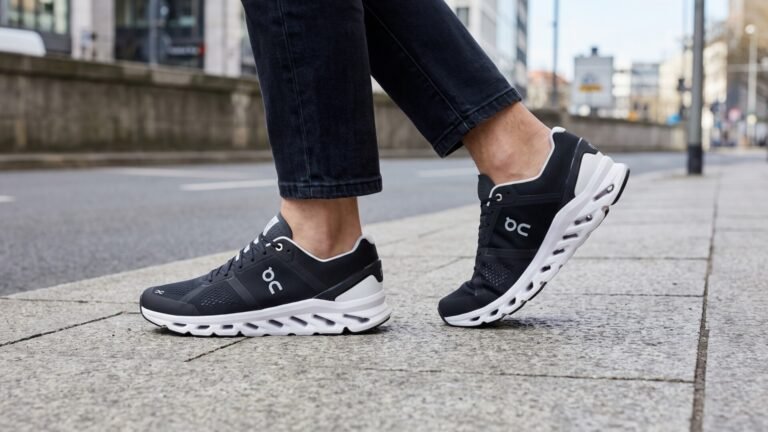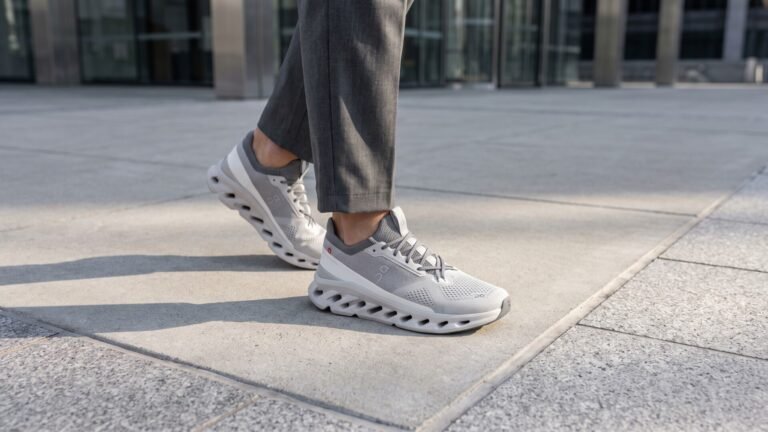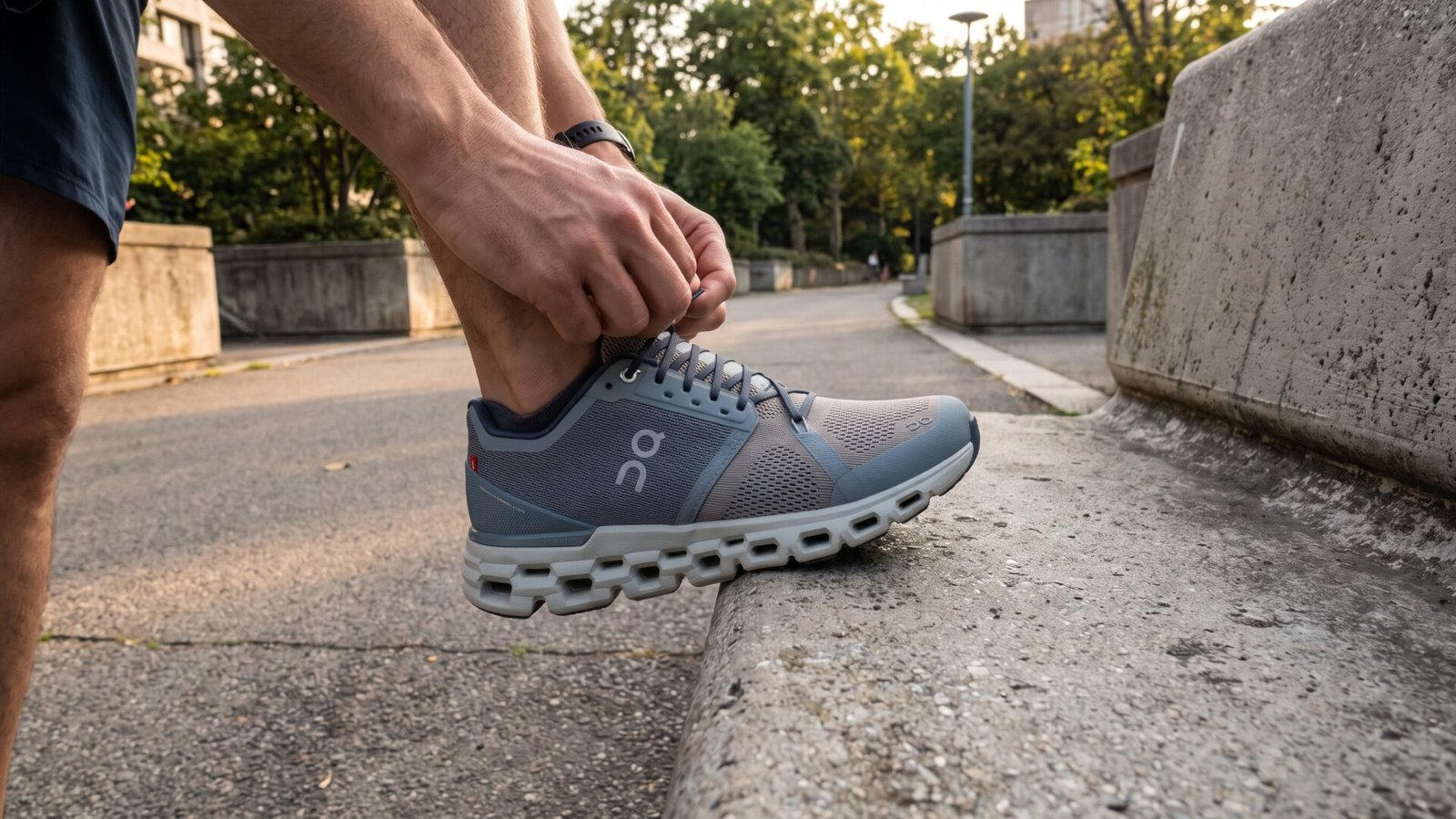
Best On Shoes For Wide Feet
Most people hear “On” and think ultra-soft, marshmallow comfort. The Cloudtec pods, the plush step-in feel, the brand’s whole vibe screams cozy. So it makes sense that if you’ve got wide feet, you’d assume the brand has you covered.
Here’s the correction: On shoes are not automatically wide-foot friendly.
Many of their models feel incredible underfoot but run snug through the forefoot and toe box. The cushioning is real, but it can’t fix a pinky toe pressed against the sidewall. Comfort under your foot and room for your foot are two completely different things.
That said, On isn’t a lost cause for wide-footers. You just have to pick smarter. Models like the Cloudrunner, Cloudmonster, and the Cloud 5 Wide (where available) offer a more forgiving fit than the brand’s sleeker, fashion-led silhouettes.
The buying rule is simple: choose based on forefoot shape, upper stretch, and your intended activity, not just the cushioning story. Let’s break down which On shoes actually work for wide feet, and which ones you should probably skip.
The Best On Shoes For Wide Feet At A Glance
| Model | Best for | Fit outlook for wide feet | Cushioning | Main drawback |
|---|---|---|---|---|
| On Cloudrunner | Walking, standing, everyday comfort | Most forgiving standard fit | Firm-supportive | Not for very broad forefeet |
| On Cloudmonster | Maximum cushioning, long walks | Moderate; check forefoot | Plush, high-stack | Rocker feel isn’t for everyone |
| On Cloud 5 Wide | Casual wear, commuting | Genuine Wide version | Soft but minimal | Not for serious running |
| On Cloudsurfer | Smooth daily running | Moderate; tapered toe | Soft, bouncy | Standard fit may taper too much |
| On Cloudswift | Urban running | Moderate at best | Responsive | Close fit creates pressure |
| On Cloudnova Form | Lifestyle, casual outfits | Least forgiving | Firm | Style over substance for wide feet |
Editor’s choice: The On Cloudrunner is the safest bet for most wide-foot shoppers. Its supportive build and forgiving upper make it more versatile than the firmer, fashion-led models. It handles walking, standing, light running, and travel without squeezing your forefoot into submission.
Best for genuinely broad forefeet: A confirmed Wide version, like the Cloud 5 Wide when you can find it. If On’s standard fit still feels restrictive, honestly, a different brand’s dedicated wide model is the better call.
Best premium comfort choice: The Cloudmonster, provided the forefoot shape works for you and the shoe doesn’t pinch at the sides. The cushioning is exceptional, but it can’t override a too-tight upper.
Are On Shoes Good For Wide Feet?
The honest answer is: it depends entirely on the model. On doesn’t have one universal fit across its lineup. That’s the first thing to understand.
Underfoot comfort is not the same as width. A soft midsole can make your feet feel great for the first twenty minutes. But if the upper is compressing your little toe or pressing against a bunion, that cushioning stops mattering around minute twenty-five. The pressure builds, the numbness creeps in, and suddenly you’re sitting on a bench loosening your laces like everyone else who bought the wrong width.
Here’s the typical fit pattern across On’s lineup: sleek uppers, close-fitting heel sections, and a moderate toe taper. The brand leans toward a performance-oriented shape that suits average or slightly wide feet. Very broad feet? You’re going to feel the squeeze.
The upper material matters just as much as the shape. Flexible mesh can stretch and accommodate swelling or moderate width. Structured overlays and rigid panels create pressure points even when the outsole looks substantial. A shoe that seems wide from the bottom can still strangle your foot from the top.
Watch for these warning signs that a model is too narrow for you:
- Toes touching the sidewall when you stand
- Your pinky toe sitting on the edge of the platform
- Numbness or tingling during longer walks
- Needing to loosen the laces excessively to get comfortable
If you’re hitting two or more of these, the shoe isn’t going to break in enough to fix it. That’s not a break-in issue. That’s a width issue.
The Best On Shoes For Wide Feet, By Use Case
Best overall: On Cloudrunner
The Cloudrunner is where you should start your wide-foot On journey. It’s the most balanced shoe in the lineup, and for most people with moderately wide feet, it’s the one that actually works.
Why? The Cloudrunner offers more structure and support than the Cloud 5, with a stable platform that feels planted. The upper uses a softer, more forgiving mesh that accommodates swelling better than the sleek engineered materials on other models. It’s not a wide shoe, but it doesn’t punish you for having a broader forefoot either.
For walking, commuting, standing, and easy runs, the Cloudrunner is the safest starting point. It gives you the On cushioning experience without forcing you into a performance fit that squeezes.
Fit guidance: prioritize adequate room at the forefoot. Don’t size up as a substitute for width. A longer shoe creates heel slippage, which leads to blisters and a whole different set of problems.
Best buyer: Someone who wants one On pair for daily use, travel, light running, and long periods on their feet. If you can only buy one, make it this one.
Limitation: The standard version still won’t satisfy an especially broad foot or a pronounced bunion. If your forefoot is genuinely wide, you’ll need to look at a confirmed Wide option.
Best for maximum cushioning: On Cloudmonster
The Cloudmonster is On’s answer to the maximalist cushioning trend. It’s a big, soft, high-stack shoe that delivers a noticeably plush ride. If you’re logging long walks or easy runs and want your feet to feel pampered, this is the one.
But here’s the catch: generous cushioning does not mean a generous upper. The Cloudmonster’s midsole is huge, but the fit still needs to be checked around the forefoot. The standard upper can feel snug for wider feet, even though the underfoot experience is cloud-like.
Best buyer: Someone with average-to-moderately wide feet who wants a more energetic, cushioned shoe for longer distances. If your feet are on the broader side but not extreme, the Cloudmonster can work beautifully.
Limitation: The tall, rocker-style platform can feel less natural for people who prefer a flat, flexible walking shoe. It also sits higher off the ground, which takes some getting used to if you’re coming from a lower-profile trainer.
Best casual option: On Cloud 5 Wide
The Cloud 5 is On’s most recognizable lifestyle shoe. You’ve seen it on every street in every city. But the standard version runs snug, and sizing up just adds length without solving the width problem.
That’s why the Cloud 5 Wide is the relevant option when you can find it. On has released Wide versions of the Cloud 5 in select markets, and they make a real difference. You get the same lightweight casual design and everyday styling, but with more room across the forefoot.
For commuting, travel, and light walking, the Cloud 5 Wide is a solid choice. It’s not a performance shoe, but it doesn’t need to be. It’s the sneaker you throw on for a day of errands or a flight, and it looks right with almost anything.
Best buyer: Someone who wants the recognizable On lifestyle look with more room than the regular version provides.
Limitation: It’s not the strongest choice for high-mileage running or heavy-duty standing. If your job keeps you on your feet for eight-plus hours, the Cloudrunner is the better pick.
Best for runners wanting a smoother ride: On Cloudsurfer
The Cloudsurfer represents a shift in On’s running philosophy. Instead of the firm, pod-based feel of earlier models, the Cloudsurfer delivers a smoother, softer ride that feels more natural underfoot.
For runners with moderately wide feet, the Cloudsurfer is worth a look. The upper is more flexible than some of On’s structured models, and the ride is forgiving. But the toe box still has a taper to it, so it shouldn’t be treated as a wide-foot specialist by default.
Best buyer: A runner who wants a more natural daily trainer without a highly supportive or rigid platform. If you’re putting in easy miles and want a shoe that feels smooth rather than aggressive, the Cloudsurfer delivers.
Limitation: Runners with very broad forefeet may find the standard fit too tapered. Test it before committing, and be honest about how your toes feel after a few minutes of wear.
Best for urban running: On Cloudswift
The Cloudswift is built for city running. It’s responsive, durable, and handles the stop-and-start nature of urban routes well. The upper is secure and streamlined, which helps with lockdown during quick direction changes.
But that close fit is also the tradeoff. A secure upper can create pressure for wide feet, especially through the midfoot and forefoot. The Cloudswift works best for moderately wide-footed runners who value lockdown and a sleek silhouette.
Best buyer: A moderately wide-footed runner who prioritizes a secure feel and doesn’t need substantial toe splay.
Limitation: Not the first recommendation for bunions, swelling, or anyone who needs their toes to spread naturally. If that sounds like you, look elsewhere in On’s lineup, or outside the brand entirely.
Best lifestyle alternative: On Cloudnova Form
The Cloudnova Form is On’s attempt at a fashion-forward lifestyle sneaker. It looks great with casual outfits and has a more premium feel than the standard Cloud 5.
But the lifestyle-focused shape and structured upper make it less accommodating than a running model. This is a shoe where style leads and comfort follows. For mildly wide feet, it can work. For anything beyond that, you’ll feel the squeeze.
Best buyer: Someone with mildly wide feet who prioritizes appearance, commuting, and casual use. If you want an On shoe that looks sharp with jeans or chinos and you don’t need performance features, the Cloudnova Form fits the bill.
Limitation: Don’t present this as a wide-foot performance shoe. It’s not. It’s a sneaker that happens to have On branding, and the fit reflects its fashion-first priorities.
Fit, Sizing, And Width Guidance
How to check whether your feet are actually wide
Before you buy anything, figure out what “wide” actually means for your feet. It’s not just about your shoe size.
Measure both feet late in the day when your feet are at their largest. Feet swell throughout the day, and the size you wear in the morning isn’t the size you need by dinner. Stand on a piece of paper, trace your foot, and measure the widest part across the forefoot.
But width alone isn’t the whole story. You need to consider:
- Forefoot width: The widest part of your foot across the ball
- Instep height: How much volume your foot has over the top
- Toe spacing: Whether your toes sit close together or spread naturally
Some people need extra width. Others need extra volume over the top of the foot. These are different problems, and they require different solutions. A high instep can make a shoe feel tight even when the width is fine, and vice versa.
Should you size up in On shoes?
This is the most common mistake wide-foot buyers make. You try on a shoe that’s snug across the forefoot, so you grab a half size up. The length gets longer, but the width stays the same. Now you have a shoe that’s too long and still too narrow.
Sizing up adds length without solving side pressure. You end up with heel slippage, foot movement inside the shoe, and a whole new set of problems including blisters and instability.
Instead of sizing up, check three things together:
- Heel security: Does your heel stay in place without over-tightening the laces?
- Toe clearance: Is there about a thumb’s width between your longest toe and the front of the shoe?
- Forefoot pressure: Can your toes spread naturally without pressing against the sidewall?
If the forefoot is tight but the length is fine, a bigger size won’t help. You need a wider shoe, not a longer one.
Also remember that socks, swelling, and activity alter the fit. The shoe that feels fine at 9am might feel restrictive by 5pm after a long day on your feet.
What to look for in the upper
The upper is where width problems live or die. A shoe can have a wide-looking outsole but a restrictive upper that defeats the purpose.
Look for:
- Flexible mesh: Stretchy, breathable materials that accommodate movement and swelling
- Fewer rigid overlays: Structured panels create pressure points, especially across the midfoot
- A secure heel that coexists with a roomier forefoot: You want lockdown at the back without strangulation at the front
Excessive midfoot structure can be uncomfortable for high insteps. The shoe should allow natural toe spread without forcing your little toe against the upper. If you can feel the side of the shoe pressing into your foot when you stand, that’s a warning sign.
Fit checklist:
- No sidewall pressure at the widest part of the foot
- Toes do not touch the front or sides
- Heel stays secure without over-tight lacing
- No numbness, hot spots, or rubbing after walking
- Enough room for normal end-of-day swelling
If you can tick all five, you’ve found a shoe that fits. If not, keep looking.
Walking, Standing, Running, And Travel Performance
Different activities demand different things from a shoe. Here’s how On’s recommended models perform outside ideal showroom conditions.
Walking and travel: The Cloudrunner and Cloudmonster lead here. Both offer enough cushioning for all-day wear, and their stable platforms handle varied terrain well. The Cloudrunner is the better travel shoe because it’s lighter and more versatile. The Cloudmonster is the pick if you want maximum plushness for long airport walks or sightseeing days.
Standing at work: If you’re on your feet for eight hours, stable cushioning and a secure heel matter more than maximum softness. The Cloudrunner is the stronger starting point. Its supportive build keeps your feet feeling planted, and the firmer cushioning resists breaking down over a long shift. The Cloud 5 may feel underbuilt for some workers, especially if you’re on hard floors all day.
Running: The choice depends on your priorities. The Cloudsurfer offers the smoothest, most natural ride for easy daily training. The Cloudmonster delivers maximum cushioning for longer runs. The Cloudswift provides a responsive, secure feel for urban routes. All three can work for moderately wide feet, but none of them are true wide-width specialists.
Heat, swelling, and long days: Breathable uppers matter more than you think. When your feet heat up, they swell. A shoe that feels fine for twenty minutes can become restrictive after several hours in warm weather. Look for mesh uppers that breathe, and remember that laces can be loosened to accommodate swelling. A shoe that requires maximum loosening just to feel okay is a shoe that doesn’t fit properly.
One shoe for mixed use? Choose the Cloudrunner. It handles walking, standing, light running, and travel without excelling at any one thing but being good enough at all of them. Unless running performance or maximum cushioning is your dominant priority, the Cloudrunner is the versatile pick.
What Most Buyers Get Wrong About On Shoes For Wide Feet
Mistake: Assuming every On model shares the same fit.
This is the biggest one. On makes casual shoes, structured runners, and maximal-cushioning models, and they all fit differently. The Cloud 5 feels nothing like the Cloudrunner, which feels nothing like the Cloudmonster. Don’t try on one On shoe and assume you understand the whole brand.
Mistake: Treating soft cushioning as proof of comfort.
The Cloudmonster feels incredible when you first step in. But if the upper is compressing your forefoot, that softness stops mattering after twenty minutes. Pressure points and toe restriction can exist even in a highly cushioned shoe. Comfort is about fit, not just cushioning.
Mistake: Buying a longer size to create width.
We covered this, but it bears repeating. Sizing up adds length, not width. You end up with heel slippage, foot movement, and blisters. If the forefoot is tight, a longer shoe won’t fix it.
Mistake: Choosing the most recognizable silhouette instead of the most suitable one.
The Cloud 5 and Cloudnova Form are the shoes everyone recognizes. They’re also the ones with the most restrictive fits. The Cloudrunner isn’t as iconic, but it’s the one that actually works for wider feet. Buy for your feet, not for the logo.
Mistake: Ignoring return policies.
Wide-foot fit is difficult to confirm from photos and specifications alone. You need to try the shoe on, walk in it, and see how it feels after an hour. Buy from a retailer with a clear return window. If the shoe doesn’t work, send it back and try something else.
Value, Durability, And The Cost Of Choosing Wrong
On shoes are premium priced. Most models land between $150 and $180, with the Cloudmonster at the higher end. That’s a real investment, and it’s worth thinking about what you’re actually getting for your money.
For someone using the shoes daily, the cost per wear drops quickly. A $160 shoe worn five days a week for a year costs about 61 cents per wear. That’s excellent value if the shoe actually fits and performs. For occasional wear, the math changes. A $160 shoe worn twice a month is $80 per wear in the first year. At that price, you should prioritize style and fit over premium performance features.
Long-term dissatisfaction usually comes from a few places:
- Persistent forefoot pressure: The shoe never quite fits, and every wear is a reminder
- Outsole wear: On’s rubber placement is decent, but heavy heel strikers will wear through faster
- Compression of cushioning: The Cloudtec pods and foam midsoles lose their bounce over time
- Buying the wrong model for the activity: A casual shoe used for heavy duty will disappoint
Cost-per-wear framework:
- Occasional casual wear: Prioritize style and fit over premium performance features. A cheaper casual sneaker might serve you better.
- Daily commuting or standing: Durability, stable cushioning, and reduced discomfort justify a higher upfront price. The Cloudrunner earns its cost here.
- Regular running: Choose the model that remains comfortable as distance and swelling increase, not just the one with the softest first impression.
Resale considerations: Mainstream On models retain recognition and demand better than obscure colorways. But fit-specific purchases should be made for wear, not resale. A shoe that doesn’t fit isn’t going to be worth more later because it’s barely been worn.
Who Should Buy Each Recommended On Model?
Choose Cloudrunner if:
- The shoe must handle walking, standing, commuting, and occasional running
- You want support and stability more than a lightweight casual feel
- You have moderately wide feet but don’t necessarily need a dedicated wide width
Choose Cloudmonster if:
- Maximum cushioning and long-distance comfort are the main priorities
- You like a pronounced rocker and energetic ride
- Your feet are wide enough to need comfort but not so broad that the standard upper creates pressure
Choose Cloud 5 Wide if:
- You want an everyday lifestyle sneaker with more forefoot room
- Most use involves travel, commuting, and casual walking
- Running performance is not the priority
Choose Cloudsurfer or Cloudswift if:
- You’re primarily a runner
- Cloudsurfer is preferred for a smoother, easier ride
- Cloudswift is preferred for a more secure, responsive urban-running feel
- You have only mild-to-moderate width needs and can confirm the fit
The alternative nobody mentions: If every standard On model presses your forefoot, stop sizing up. A longer shoe won’t fix a narrow fit. Consider a brand with established wide-width running shoes instead. See our guide to the best running shoes for wide feet for options that offer confirmed wide sizing without the guesswork.
Final Verdict: The Best On Shoe For Wide Feet
Here’s where we land.
Overall winner: The On Cloudrunner. It offers the best balance of support, cushioning, daily versatility, and a more forgiving fit profile than On’s sleeker lifestyle models. For most wide-foot shoppers, it’s the one to buy.
Best wide casual option: The On Cloud 5 Wide, when you can find it. A confirmed Wide version beats sizing up in the standard model every time.
Best high-cushioning option: The Cloudmonster, for buyers whose foot shape works with its standard upper. The cushioning is exceptional, but it can’t fix a too-tight fit.
Best runner’s choice: The Cloudsurfer, for a smoother daily-training feel. But if your feet are genuinely wide, you may need to look at a different brand entirely.
The honest truth is this: On is not universally wide-foot friendly. The right model can work very well for moderately wide feet, and the Cloudrunner is the strongest starting point. But if you have a genuinely broad forefoot, prioritize confirmed width availability over the On logo or the shoe’s cushioning reputation.
A shoe that fits is always more comfortable than a shoe that’s hyped.
Frequently Asked Questions About On Shoes For Wide Feet
Which On shoe is best for wide feet?
The **Cloudrunner** is the strongest overall starting point. It offers a more forgiving fit profile than On’s sleeker lifestyle models. The **Cloud 5 Wide** is preferable when a confirmed Wide version is available and your use is mainly casual.
Do On shoes run narrow?
Fit varies by model, but several On silhouettes have a streamlined, close-fitting shape that may feel narrow through the forefoot for broad feet. The Cloudrunner and Cloudmonster tend to be more accommodating than lifestyle models like the Cloudnova Form.
Should I size up in On shoes if I have wide feet?
Sizing up can add length without solving width and may cause heel movement. Check width, toe clearance, and return policies instead. If the forefoot is tight, a longer shoe won’t fix it.
Is On Cloud 5 good for wide feet?
The standard Cloud 5 may feel restrictive for some wide feet. The **Cloud 5 Wide** is the more sensible option when available. Sizing up in the regular version just adds length without solving the width problem.
Are On Cloudmonster shoes good for wide feet?
The Cloudmonster can suit moderately wide feet seeking more cushioning. But its standard upper is not a substitute for a true wide width. Check the forefoot fit carefully before committing.
Can I wear On shoes for standing all day with wide feet?
The **Cloudrunner** is the first model to investigate. Stable cushioning and a pressure-free forefoot fit matter more than maximum softness. If the shoe compresses your forefoot, no amount of cushioning will save you by hour six.
What should I do if every On shoe feels tight?
Return the pair rather than repeatedly sizing up. Look for a dedicated wide-width model from another running brand if the forefoot remains compressed. [Internal: See our best running shoes for wide feet guide] for options with confirmed wide sizing.