On Cloudrunner Review
Here is the article, written to the spec and in the voice.
Let’s just get the number out of the way: you’re looking at roughly $170 for a pair of running shoes that a lot of people will end up wearing mostly to the grocery store and the office. That’s the whole tension of the On Cloudrunner right there. It is a legitimately good, stable daily trainer, and it is also a lifestyle purchase wearing a technical shoe’s disguise.
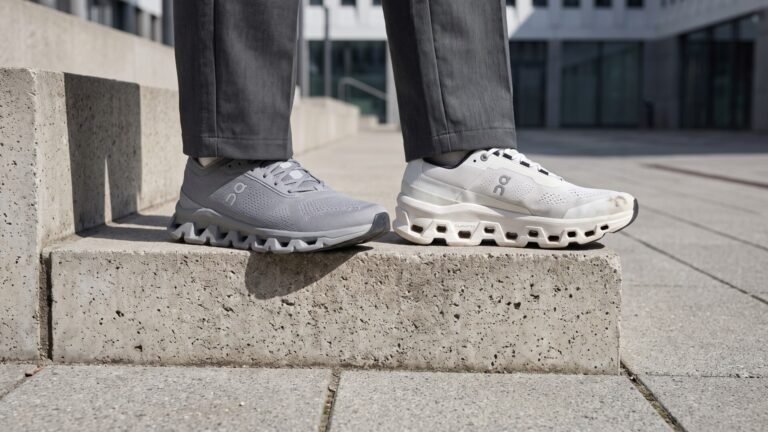
Most shoppers are drawn to it for the look—that distinctive cloud-tec sole and the sleek Swiss design language. And that’s fine. But if you’re going to drop this kind of cash, you need to know what you’re actually buying. It’s not a max-cushion cloud. It’s not a speed shoe. It’s a structured, moderately firm workhorse that happens to look great with jeans.
The real friction is simple: it costs more than a lot of conventional daily trainers, and that firm, guided ride isn’t for everyone. So this review is going to skip the hype and judge it on the questions that matter after the box is in the recycling bin—fit, walking comfort, hour-eight feel, durability, and whether the price tag actually makes sense for your life.
On Cloudrunner at a Glance
Before we get into the weeds, here’s the quick breakdown.
| Category | Assessment |
|---|---|
| Best for | Daily running, walking, commuting, and runners who prefer a stable feel |
| Ride | Structured and moderately cushioned rather than soft and bouncy |
| Fit | Generally true to size, with width depending on the specific version |
| Walking comfort | Strong for everyday walking and moderate-distance use |
| Running performance | Best for easy miles and steady training, not speedwork |
| Style versatility | Higher than most traditional running shoes |
| Value | Fair if the fit works and the shoe is used frequently; weaker at full retail |
| Main drawback | Firm ride, limited excitement, and premium pricing |
Quick verdict
- Buy it if: you want a stable daily trainer that can handle running, walking, commuting, and casual outfits.
- Skip it if: you want maximum softness, a lightweight speed shoe, a roomy toe box, or the lowest cost per mile.
- Editor’s choice: Recommend the Cloudrunner for buyers prioritizing structure and everyday versatility, but advise waiting for a discount if the buyer is not committed to the On design.
What the On Cloudrunner Is Designed to Do
On makes some seriously hyped shoes. The Cloudmonster gets all the attention for its wild, rockered ride. The Cloudflow is the lighter, faster option. But the Cloudrunner? It’s the sensible one. The one that doesn’t need to be the fastest or the softest. It’s built to be the shoe you grab when you just need to get out the door and log some miles without thinking too hard about it.
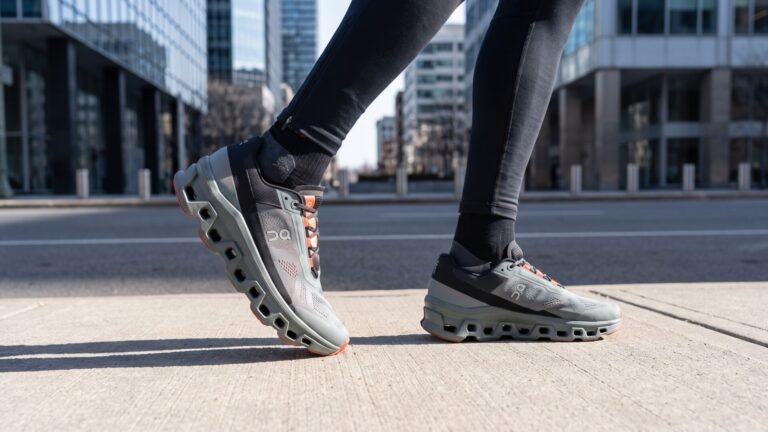
This is a structured daily trainer. That means the midsole is firmer and the platform is wider and more guided than something like the Cloud 5. It’s designed to keep your foot tracking in a straight line and give you a planted, secure feel on every landing. You won’t get that squishy, sink-in sensation you might associate with modern running shoes. Instead, you get a controlled, supportive ride that feels like the shoe is doing the work of keeping you stable.
Now, let’s be clear about the word “stability.” It doesn’t mean this shoe is a medical device. It’s not going to correct severe overpronation or fix a chronic injury. The Cloudrunner offers mild guidance and a wider base, which is genuinely helpful for runners who want a little extra support without a clunky, post-heavy frame. But if you have persistent foot pain or a serious biomechanical issue, a shoe review isn’t your first stop. Talk to a podiatrist or a proper running specialist.
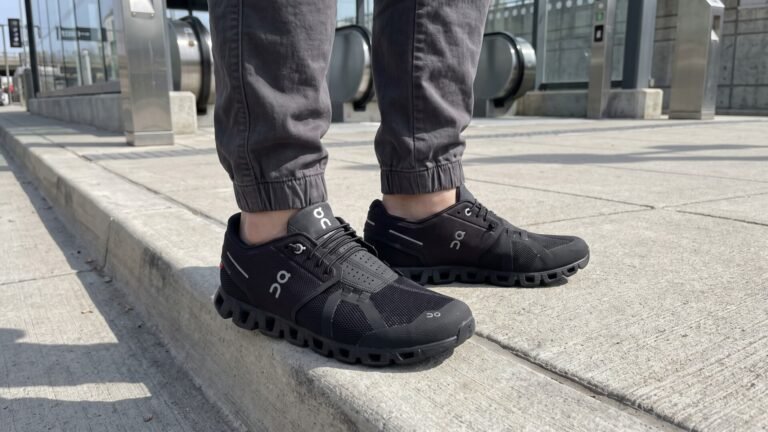
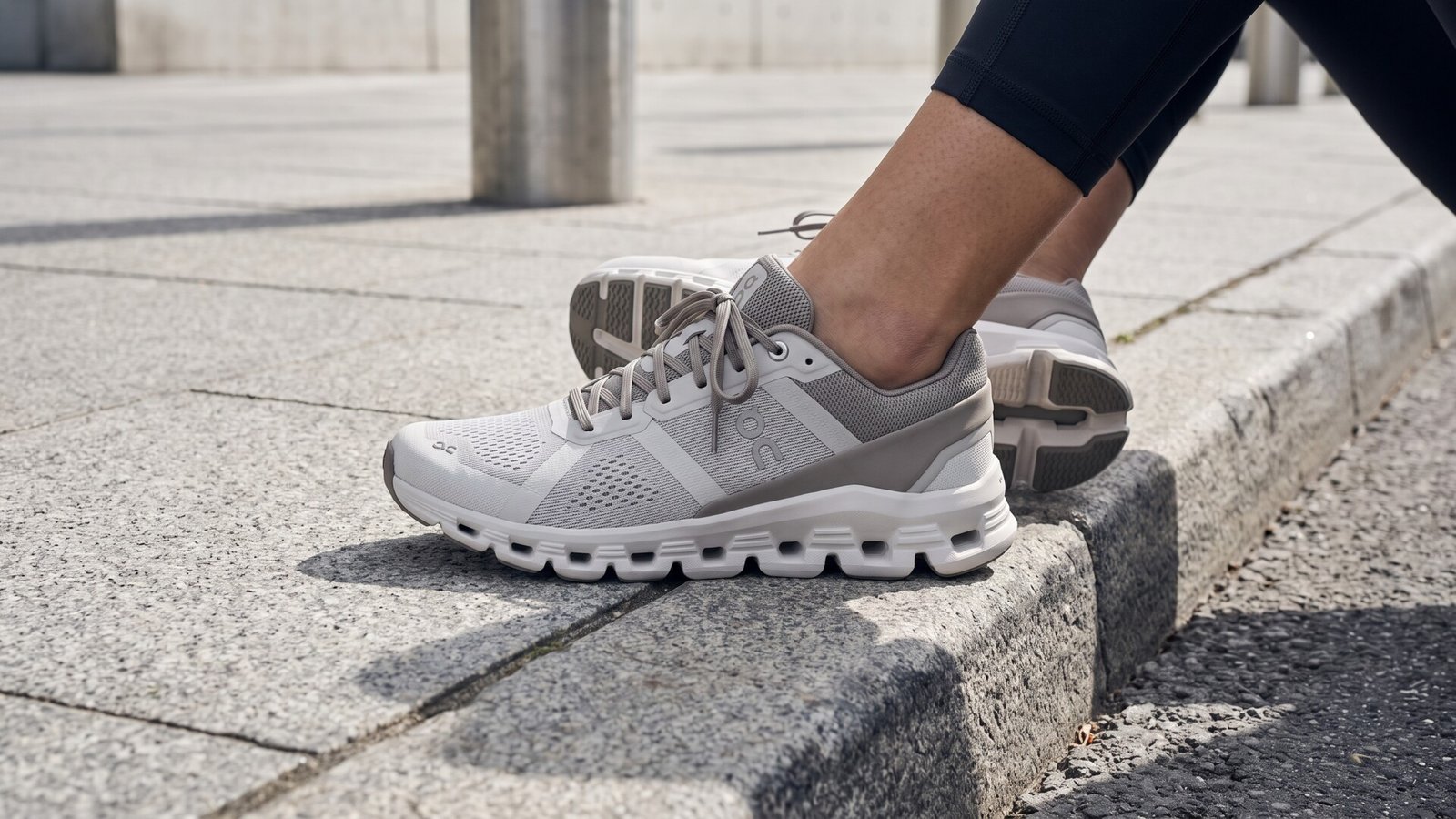
The buyer psychology here is interesting. On has done a masterful job of making running shoes that don’t look like running shoes. The Cloudrunner has this clean, almost minimalist aesthetic that fits into streetwear and office casual in a way a screaming-bright Brooks or ASICS never will. So people aren’t just buying a trainer. They’re buying one pair of shoes that can handle a 5K, a day of sightseeing, and dinner afterward. That’s the promise, and honestly, it’s a compelling one.
Design, Ride, and Everyday Comfort
Cushioning and underfoot feel
Let’s talk about that ride, because it’s the thing most people get wrong. The Cloudrunner uses On’s Helion superfoam in those hollow cloud pods. The marketing makes it sound like you’re running on marshmallows. You’re not. The feel is best described as controlled and firm—almost dense. There’s a slight give on impact, but it’s not a plush, luxurious sensation. It’s more of a “the shoe is absorbing the shock and keeping you moving forward” kind of feel.
This is a feature, not a bug. For runners who like a stable platform, this firmness translates to confidence. You feel connected to the ground, not floating above it. Walkers who want a supportive base often prefer this to a super-soft shoe that can feel mushy and tiring after a few miles.
The break-in period is real, but it’s not painful. The first few wears will feel stiff, especially through the midsole. Give it a week of regular use, and the foam starts to loosen up slightly, molding to your foot. It never becomes soft, but it does become more forgiving and comfortable with mileage.
Running comfort
If you’re a runner, think of the Cloudrunner as your reliable training partner, not your race-day weapon. It shines on easy runs, recovery miles, and steady aerobic efforts. The stability and guidance are excellent when you’re tired and your form starts to break down late in a run. That planted, secure feel is a godsend at mile eight when you just want to hold your pace and get home safely.
What it is not, is fast. The shoe is relatively heavy and not very flexible. Try to pick up the pace for intervals or strides, and it feels like it’s holding you back. The midsole doesn’t have that energetic snap you get from a lighter, more responsive trainer. It’s a cruiser, not a sports car. If your weekly plan is all tempo runs and track sessions, this is the wrong tool.
Walking and standing comfort
This is where the Cloudrunner really earns its keep for a lot of people. The structured platform that makes it a solid runner also makes it a fantastic walking shoe. For commuting, running errands, or spending a day on your feet in a new city, the support is reassuring. Your foot stays secure, and the firm cushioning doesn’t collapse or bottom out over a long day.
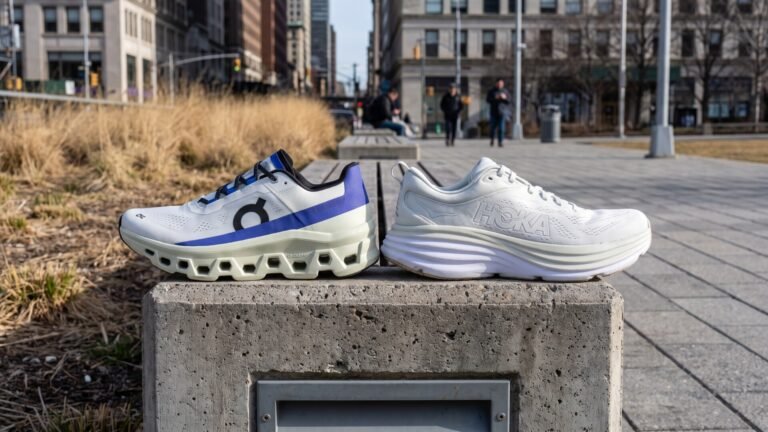
The tradeoff? If you’re used to walking on clouds—something like an Hoka Bondi or a max-cushioned New Balance—the Cloudrunner’s firmness might feel a little harsh at first. It’s a different kind of comfort: support over softness. For most people, this translates to less fatigue over a full day. But for those who specifically want that plush, pillow-like feel underfoot, it might be a dealbreaker. If you’re buying this primarily for walking rather than running, be honest with yourself about which kind of comfort you actually prefer.
Fit and Sizing
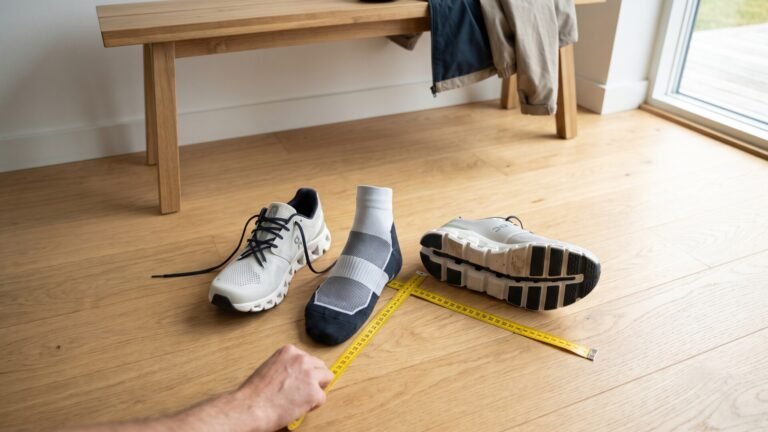
Here’s the good news: the On Cloudrunner generally fits true to size. If you’re a size 10 in most running shoes, you’ll likely be a size 10 here. I’d start with your usual running shoe size and go from there.
The fit profile is worth paying attention to. The heel hold is excellent—secure and snug without being tight. The midfoot is locked in, giving you that planted feeling we talked about. The toe box, however, is where things get interesting. It’s not narrow, but it’s not roomy either. It’s a standard, slightly tapered shape. If you have wide feet or toes that like to splay out, you might find the forefoot a bit restrictive, especially on longer runs when your feet naturally swell.
This brings up a crucial point for wide-footed buyers: the Cloudrunner is available in a wide fit in some versions and colorways, but not all. Don’t assume the width you need is available in the color you want. Check the specific product page carefully before you order.
Here’s a practical fitting checklist that applies to any shoe, but especially this one:
- Try them on later in the day. Your feet swell as the day goes on. A shoe that fits at 9 a.m. might be tight by 6 p.m.
- Leave about a thumb’s width of space between your longest toe and the end of the shoe.
- Test the heel lock. Lace them up properly and make sure your heel doesn’t slip when you walk. Don’t just crank the laces down—that causes other problems.
- Compare both feet. Most people have one foot slightly larger than the other. Fit the larger one.
Build Quality and Durability
On builds a good shoe. The materials feel premium, the stitching is clean, and the overall construction inspires confidence. The upper is a breathable engineered mesh that does a decent job of keeping your feet cool, though it’s not the most airy material on the market. The laces are sturdy and stay tied, and the tongue is well-padded without being bulky.
In terms of what wears out first, look to the outsole. The rubber coverage is decent, but the exposed foam pods on the heel and forefoot will show wear over time. The areas that take the most impact—the outside edge of the heel and the ball of the foot—will compress and flatten first. This is normal, but it does mean the shoe’s lifespan is tied to how hard you are on your heels.
The creasing around the forefoot is also something to expect. The cloud pods will develop wrinkles and compression lines. That’s not a defect; it’s the foam doing its job. The bigger question is how the midsole holds up. Over 300-400 miles of running, or a year of heavy daily walking, you’ll notice the firm ride becoming slightly less responsive and a little flatter. It won’t die suddenly, but it will gradually lose its edge.
Durability is entirely dependent on how you use them. A road runner will get a different lifespan than someone using them for daily walking. Gym use, especially any kind of lateral movement, will break them down faster. Casual wear—just putting them on for a few hours at a time—will make them last for years.
One piece of maintenance advice: don’t treat these like washable sneakers. The foam and upper can be damaged by a washing machine. Instead, brush off loose dirt, spot-clean with a mild soap and water, and let them air dry away from direct heat. Stuffing them with newspaper helps them hold their shape and dry faster. Rotating them with another pair is the single best thing you can do to extend their life.
Real-World Use: Where the Cloudrunner Works and Where It Does Not
Let’s break down the scenarios you’re actually going to find yourself in.
| Use case | Verdict | Why |
|---|---|---|
| Easy running | Recommended | Stable, controlled ride suits steady training |
| Long walking days | Recommended with fit caveat | Supportive platform, but firmness may not suit everyone |
| Standing all day | Generally suitable | Structure can feel reassuring, though cushioning preference matters |
| Travel | Strong option | Running-shoe comfort with more wearable styling |
| Gym training | Limited | Fine for light training, but not ideal for heavy lifting or lateral movement |
| Speedwork | Not the best choice | More controlled than fast or agile |
| Casual daily wear | Strong option | Clean running-inspired styling and useful versatility |
The Cloudrunner is arguably the best one-pair travel shoe On makes. If you’re packing for a trip where you’ll be walking six miles a day through museums and cobblestone streets, but you also want to look decent at dinner, this is the play. It does the hard work of a walking shoe without looking like a hiking boot or a neon performance trainer. You can genuinely leave the other pairs at home.
Where it falls apart is when you push it outside its lane. Court sports? No. The lateral support isn’t there. Heavy strength training? The compressible foam makes for an unstable base under a heavy squat. Technical trails? The outsole isn’t aggressive enough, and the ride is too road-focused. And if you’re looking for that snappy, propulsive feel for a 5K race, you’ll be disappointed.
On the weather front, I’ll keep it simple: the standard Cloudrunner is not waterproof. It’s made of mesh, and mesh gets wet. On has released weatherized versions of some models, so if you live somewhere wet, check the exact product listing for any water-resistant treatment. Otherwise, treat these as a dry-weather shoe.
What Most Buyers Get Wrong About the On Cloudrunner
The biggest misconception is that a premium-priced stability shoe is going to feel softer and more comfortable than a cheaper daily trainer. That’s not how it works. The Cloudrunner’s value is in its structure and guidance, not its plushness. If you’re a neutral runner who just wants a soft, bouncy ride, this shoe is going to feel unnecessarily firm and restrictive. You’d be better off with a neutral cushioned trainer that costs $40 less.
The second thing people get wrong is overestimating the lifestyle versatility. Yes, the Cloudrunner looks better than most running shoes. But it’s still a running shoe. It has a chunky, technical sole and a sporty silhouette. It’s not going to work with a suit, and it might look out of place in a dressier setting. It bridges the gap between the gym and the coffee shop, not between the gym and a wedding.
Finally, don’t size these based on your casual sneaker size or the way they look. The Cloudrunner’s sleek profile makes it look like it might run long or narrow, but that’s not necessarily the case. You have to judge the fit by your actual foot shape and how you plan to use them. A running shoe needs a different fit than a casual sneaker—you need that extra room in the toe box to accommodate foot swell on a run.
On Cloudrunner Value and Long-Term Ownership
At full retail, the Cloudrunner sits in that $160-$180 zone. That’s a significant chunk of change. The value equation only works if you actually use the shoe for what it’s designed to do. Think in terms of cost-per-wear. If you wear these three or four times a week for running, walking, commuting, and travel, that $170 investment breaks down to a few dollars per use over a year. That’s a fair deal for a shoe that’s replacing what might otherwise be two or three separate pairs.
But if you’re buying these as an occasional sneaker to wear on the weekends? The value collapses. You’re paying a premium for performance technology you’re not using, and there are far cheaper, better-looking casual sneakers out there.
The hidden cost here is choosing wrong. If you buy the Cloudrunner and it’s too firm, or the toe box is too narrow, or the fit is just off, you’re not out $170. You’re out $170 and you still need to buy the shoe that actually works. That’s the real expense. A poor-fitting premium shoe is just an expensive paperweight.
This is why I’d recommend against paying full price unless you already know the fit and ride are right for you. If you’re an On fan and you’ve worn the brand before, go for it. If you’re new to the brand, wait for a sale, or buy from a retailer with a generous return policy. The Cloudrunner regularly dips below $130 during sales, and at that price, it’s a much easier recommendation.
On Cloudrunner vs Alternatives
The Cloudrunner doesn’t exist in a vacuum. Here’s how it stacks up against the shoes you’re probably also considering.
| Alternative | Choose it instead when… | Cloudrunner advantage |
|---|---|---|
| On Cloudswift | You want a more energetic, road-focused On shoe for faster everyday running | More stable and easier to wear for walking and casual use |
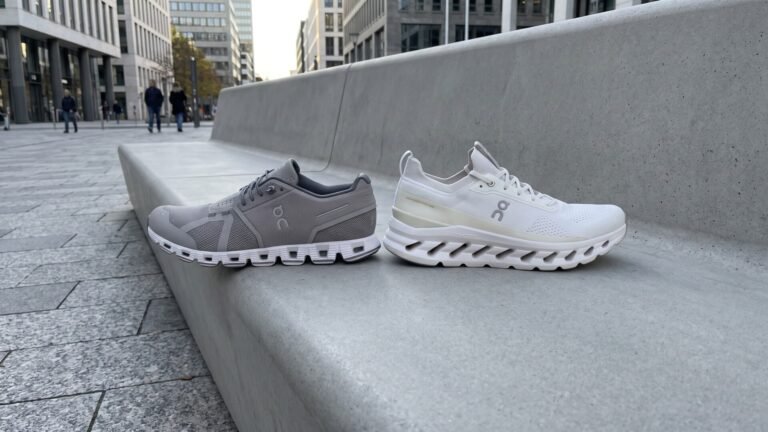
| On Cloud 5 | You mainly want casual comfort and light walking | Better suited to regular running and structured daily use |
| Brooks Adrenaline GTS | You want a more established traditional stability trainer and often find Brooks fits better | More distinctive styling and stronger lifestyle versatility |
| ASICS Gel-Kayano | You want substantial stability and cushioning for higher-mileage training | Simpler, less technical-looking design and easier casual wear |
| New Balance 860 | You want a stability shoe with more width and value-oriented options | More premium visual identity and On-specific fit and feel |
The honest truth is that the Cloudrunner doesn’t win on raw performance per dollar. A Brooks Adrenaline or ASICS Kayano will likely give you more proven stability and, in many cases, a better fit for wide feet, for a similar or lower price. What the Cloudrunner offers is the combination of stability and lifestyle appeal. It’s the shoe you can run in and then not feel weird about wearing to a casual dinner.
If you have wide feet, want a very soft ride, or are on a strict budget, you should seriously consider these alternatives before committing to the Cloudrunner. The On design is nice, but it’s not worth forcing a fit that doesn’t work.
Who Should Buy the On Cloudrunner?
Let’s be direct about who this shoe is for.
- Runners who want one dependable shoe for easy miles, recovery runs, and everyday activity. You’re not chasing a PR; you’re building a base.
- Walkers and commuters who prefer structure over a soft, sloppy feel. You want your foot held securely, not swimming in cushioning.
- Travelers who need a comfortable, versatile pair that doesn’t scream “athletic shoe.” You want to pack light and look presentable.
- On fans who love the design language and are happy to pay a premium for the styling and the overall package. You know what you’re getting, and you want it.
Who Should Skip the On Cloudrunner?
And here’s who needs to walk away.
- Buyers seeking a soft, max-cushioned ride. This shoe is firm. If you want plush, look at Hoka or a neutral cushioned trainer.
- Runners focused on speed. If your workouts are intervals, tempo runs, or races, this shoe will hold you back. Get something lighter and snappier.
- People with wide feet who can’t find a comfortable fit in the available width options. Don’t force it.
- Shoppers prioritizing value. If you want the lowest cost per mile or the most proven durability, a traditional stability shoe from Brooks, ASICS, or New Balance is the smarter buy.
Final Verdict: Is the On Cloudrunner Worth It?
So, after all that, where do we land?
The On Cloudrunner is the right choice for a specific buyer: someone who wants a stable, polished daily trainer that can move seamlessly between running, walking, commuting, and casual wear. It delivers on that promise better than almost anything else in On’s lineup. The structure is reassuring, the fit is secure, and the styling is a genuine asset.
But it is not an automatic recommendation. The firm, structured ride is a preference, not a universal good. The price is steep, and the value only makes sense if you’re going to use the shoe frequently. For the neutral runner who wants softness, the speedster who wants responsiveness, or the wide-footer who needs room, there are better options out there, often for less money.
My advice? If you’re committed to the On aesthetic and you know you like a stable ride, the Cloudrunner is a solid buy. If you’re uncertain, wait for a discount. And if you’re looking for maximum cushioning, speed, width, or pure value, choose a different model.
The On Cloudrunner is worth buying for everyday versatility and stable comfort, but it is not the shoe for everyone.
Frequently Asked Questions About On Cloudrunner
Is the On Cloudrunner good for everyday walking?
Yes, it can work well for everyday walking, commuting, and travel. The structured platform provides good support. The main caveat is that if you prefer a very soft, plush cushioning feel, you may find the Cloudrunner too firm for all-day wear.
Is the On Cloudrunner true to size?
Generally, yes. Most people should start with their usual running shoe size. However, your ideal size can change based on foot width, sock thickness, and whether you need extra room in the toe box for longer runs.
Is the On Cloudrunner good for running?
It’s excellent for easy runs and steady daily training, where its stability is a real asset. It’s not the best choice for racing, interval training, or runners who prefer a lightweight, highly flexible shoe for faster efforts.
Is the On Cloudrunner good for wide feet?
It depends on the exact version and whether a wide width is available for the colorway you want. The standard fit has a moderately tapered toe box. Wide-footed shoppers should verify the current width options and return policy before buying.
How long does the On Cloudrunner last?
There’s no single guaranteed lifespan. It depends on your body weight, the surfaces you run on, whether you rotate shoes, and how often you use them. Signs it needs replacing include flattened cushioning, worn-out outsole traction, and new aches or discomfort after runs.
Is the On Cloudrunner worth the price?
It can be, if you wear it frequently and value the combination of stable comfort and versatile styling. The value is much weaker if you only wear it occasionally, or if you could get similar performance from a less expensive stability trainer.
Should I buy the On Cloudrunner or On Cloud 5?
Choose the Cloudrunner if you plan to run regularly and want structured support. Choose the Cloud 5 if your primary use is casual wear, light walking, and short commutes, where its softer, more flexible feel is more appropriate.