Vans Sneakers: Style, Performance, and Culture in Every Step
Vans sneakers have a way of sitting comfortably at the intersection of skate culture, street style, and everyday wear. They’re not just shoes; they’re symbols of creativity, rebellion, and individuality. From the concrete of skate parks to the sidewalks of cities worldwide, Vans have earned their place as a lasting brand that appeals to skaters, casual wearers, and sneakerheads alike. Their ability to blend functionality with a distinct aesthetic is why they remain a staple, decades after their first silhouette hit the streets.
The short answer for anyone searching: yes, Vans are sneakers, and the classic models are real skate shoes. They are lifestyle and skate footwear rather than athletic or running shoes, which is the single most useful thing to know before you buy a pair. The rest of this guide covers which model to pick, how Vans fit and wear, and where each one fits in an outfit.
The story of Vans begins in Anaheim, California, in 1966, when brothers Paul and Jim Van Doren and partners Gordon Lee and Serge Delia opened The Van Doren Rubber Company. Its first shoe, the #44 deck shoe now known as the Vans Authentic, was a simple, low-profile canvas shoe, and it became an early favorite among skateboarders. The Old Skool followed in 1977, built to withstand the demands of skateboarding while keeping a clean, versatile look. Over time Vans expanded beyond the skate world, integrating into streetwear, music, and art culture, cementing their status as a lifestyle brand that’s as much about identity as it is about footwear.
Vans has long been synonymous with skate culture and timeless casual style. To see Vans in context with all the other influential sneaker brands, visit our Sneakers Brands hub for a full breakdown of the most important labels today.
The Classic Vans Models at a Glance
Most people shopping for Vans are choosing between five or six silhouettes. Introduction years come from Vans’s own brand history; prices are the range of US retailer listings in October 2026 for the standard colorways, and they vary with sales and special editions.
| Model | Introduced | What it is | Typical price | Best for |
|---|---|---|---|---|
| Authentic | 1966 (as Style #44) | Low-top canvas lace-up, the original Vans shoe | $60–$65 | Light, simple everyday wear in summer |
| Era | 1976 (as #95) | Low-top with padded collar, designed by Tony Alva and Stacy Peralta | Varies by colorway | Skaters and casual wearers wanting extra ankle padding |
| Old Skool | 1977 (as #36) | Low-top with leather and suede panels and the side stripe, the first Vans skate shoe with leather panels for durability | $75–$85 | The all-rounder: skate, casual, streetwear |
| Classic Slip-On | 1977 (as #98) | Laceless canvas slip-on, famous in checkerboard | $60–$65 | Warm weather and easy on-off wear |
| Sk8-Hi | 1978 (as Style 38) | Padded high-top with ankle support | $75–$80 | Ankle coverage, boots-with-jeans styling |
| Knu Skool | — | Chunkier, puffier take on the skate shoe | $80–$85 | A bulkier, 90s-skate look |
A Short Timeline of Vans
- 1966: The Van Doren Rubber Company opens in Anaheim, California on March 16, selling the #44 deck shoe (today’s Authentic).
- 1976–1978: The Era, Old Skool, Classic Slip-On and Sk8-Hi arrive, forming the core of today’s range.
- 1982: The checkerboard slip-on gets a cultural boost through the film Fast Times at Ridgemont High.
- 1984: Vans files for Chapter 11 bankruptcy protection; Paul Van Doren returns as president after the reorganization.
- 1988: The Steve Caballero (Half Cab) arrives as the brand’s first signature skate shoe.
- 2012: Vans introduces the WAFFLECUP, its first vulcanized cupsole.
- 2016: The brand marks its 50th anniversary.
Vans and Skateboarding: Performance Meets Style
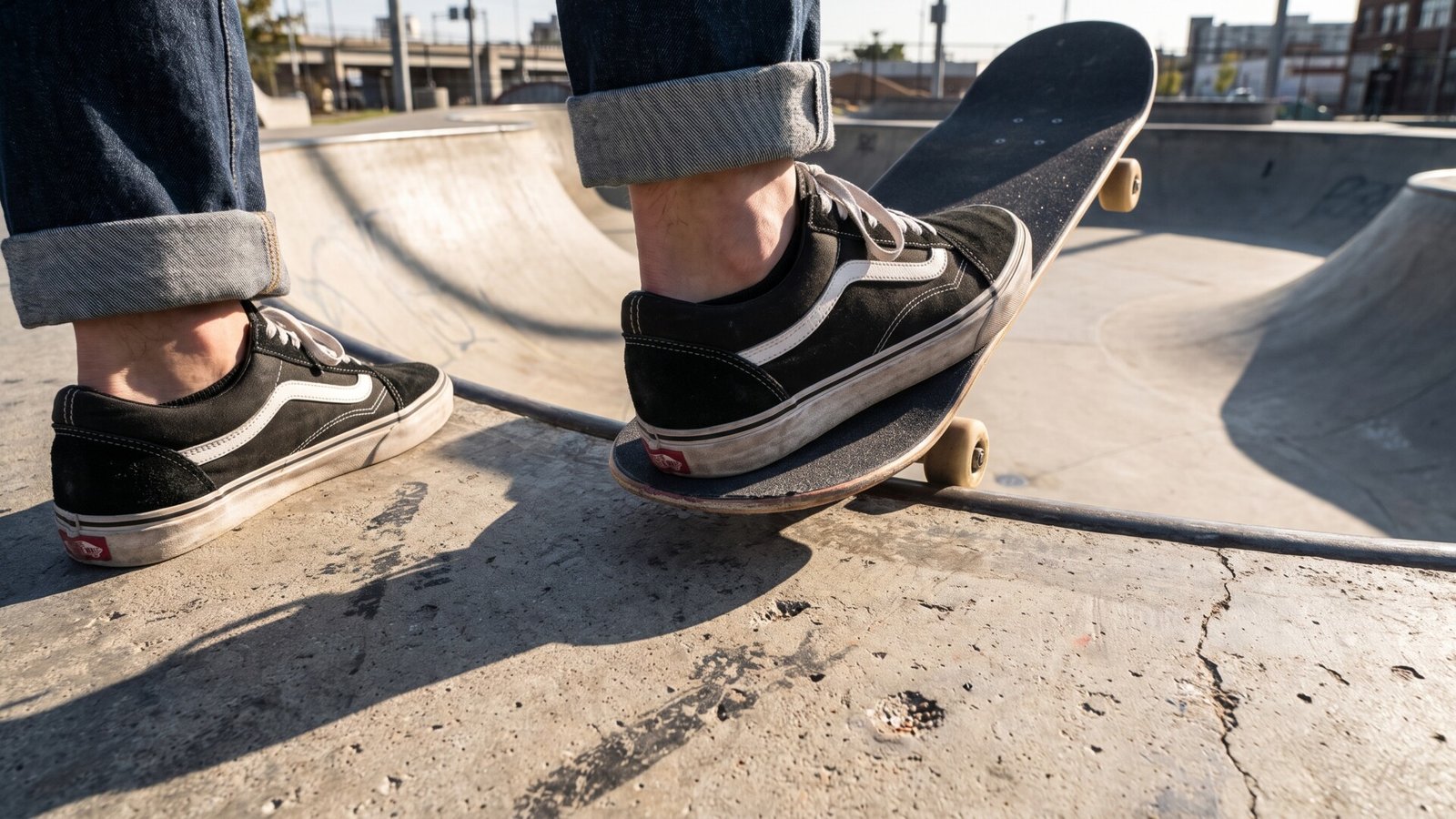
For skaters, Vans are more than a fashion statement—they’re a performance tool. Durability, grip, and board feel are crucial elements that Vans has honed over decades. Classic silhouettes like the Old Skool, Sk8-Hi, and Authentic feature vulcanized rubber soles that provide excellent traction, while padded collars and sturdy uppers protect feet during long sessions at the skate park. The brand’s commitment to functional design without sacrificing style has made Vans a go-to choice for skaters of all levels.
If you’re serious about skating, our detailed guide on the Best Vans Sneakers for Skaters 2026 dives into the top models designed to deliver both performance and style. It covers everything from board feel to durability, helping skaters choose the right pair for their needs. Check out the guide here.
Vulcanized or cupsole? Skate shoes are generally built one of two ways. Vulcanized construction, used on the Authentic, Old Skool and Sk8-Hi, bonds the sole to the upper with heat, giving a flexible, close-to-the-board feel that many skaters like for control. Cupsole construction, such as Vans’s WAFFLECUP, uses a pre-formed rubber cup stitched and glued to the upper, which is typically thicker and offers more impact protection and structure. Neither is better in the abstract; vulcanized suits feel, cupsole suits cushioning and heavy use. Are Vans good skate shoes for everyday street wear as well? Yes, which is exactly why the classic range doubles as a casual shoe.
Are Vans Sneakers or Athletic Shoes?
A frequent question is whether Vans count as sneakers or athletic shoes. They are sneakers, in the sense of rubber-soled casual shoes, and the skate models are purpose-built for a sport. But they are not running, training or court shoes. Classic Vans have a flat footbed and limited cushioning compared with a running shoe, so they are fine for walking around town but not what most people would choose for long runs, gym sessions or a 20,000-step day. If that is your use, look at the cushioned UltraRange below or a running-derived brand; our Active Lifestyle page and most comfortable sneakers for standing all day are good next steps.
Everyday Comfort: Vans for All-Day Wear
Vans aren’t just for skating—they’re also built for all-day comfort. While classic models maintain a timeless aesthetic, newer lines like the Vans UltraRange focus on cushioning, lightweight construction, and breathability. These sneakers are perfect for walking, commuting, or casual wear, providing a level of comfort that complements the brand’s iconic style.
For those looking for a mix of performance and everyday versatility, our guide on the Best Vans UltraRange Model for All-Day Comfort explores which options provide the perfect balance. From material choices to midsole technology, it’s a resource for anyone seeking comfort without compromising on style. Read the full guide here.
For a broader pick across the range, see best Vans sneakers for everyday wear.
Style and Streetwear Influence
Vans have always had a unique place in fashion. They’re versatile enough to pair with jeans, joggers, or shorts, yet bold enough to make a statement with prints, collaborations, and limited editions. The checkerboard pattern, popularized in the early 1980s, remains a cultural touchstone, and the brand’s ability to maintain authenticity while embracing creativity makes it a favorite in both streetwear and lifestyle circles.
How to Style Vans Streetwear Looks
- Old Skool with straight or relaxed jeans: the side stripe and low profile work with a slight stack or a clean cuff at the ankle.
- Sk8-Hi with slim or tapered trousers: the high top fills the gap at the ankle; avoid wide pants that bunch over it unless that is the look you want.
- Authentic or Slip-On with shorts and chinos: the lightest, most relaxed pairing for warm weather.
- Knu Skool with baggy cargos or wide-leg trousers: the bulkier shape balances loose clothes; see our sneakers for wide-leg trousers and essential streetwear sneakers guides for more.
- Keep it simple with prints: if the shoe has a loud print or checkerboard, let the rest of the outfit stay quiet.
For more on dressing around sneakers, our Streetwear & Style and Sneaker Culture & Trends hubs cover the wider picture.
Collaborations and Limited Editions
One of the things that keeps Vans fresh is its collaborations. By partnering with skate legends, fashion designers, and pop culture brands, Vans continually reinvents its classics. These collaborations often combine unique materials, colorways, and thematic designs that appeal to collectors and enthusiasts alike. Limited releases fuel excitement and maintain Vans’ relevance in a fast-moving sneaker market, ensuring that there’s always something new for fans to explore. The Steve Caballero Half Cab, introduced in 1988 as Vans’s first signature skate shoe, shows how long the brand has worked with skaters on new designs.
Material and Construction Insights
Vans sneakers are known for their durable construction. Vulcanized rubber soles, reinforced stitching, and quality canvas or suede uppers make the shoes resilient under daily wear. Over the years, Vans has experimented with new materials in lines like the UltraRange, incorporating lightweight synthetics, mesh, and foam cushioning. Understanding the differences in material and construction can help buyers make better decisions based on their lifestyle needs—whether skating, walking, or casual wear.
Practical differences worth knowing: canvas is light and breathable but stains easily and offers little water protection; suede and leather panels, as on the Old Skool, hold their shape longer but need a suede brush and protector; and for skating, the toe area and ollie zone are the first places any Vans will wear out, regardless of model. Our sneaker care and longevity guide covers cleaning canvas and suede.
Sizing and Fit Tips
Fit varies between Vans silhouettes, because a low-profile canvas Authentic, a padded Sk8-Hi and a cushioned UltraRange are built differently. Use Vans’s own size chart for each model, measure your foot, and try them on if you can; if you are between sizes, think about whether you will wear thick socks. Canvas uppers soften with wear, but suede and leather panels have less give, so do not count on stretching a pair that is too tight. If you buy online, pick a retailer with free returns.
Choosing the Right Vans for You
When selecting a Vans sneaker, consider purpose, fit, and style. Classic silhouettes like the Old Skool and Sk8-Hi are perfect for skating or streetwear, while UltraRange models excel in all-day comfort. Colorways and limited editions allow you to express individuality, while performance-oriented designs ensure functionality. Paying attention to materials, cushioning, and sizing ensures that you get a pair that not only looks good but also serves your needs effectively.
| If you want… | Pick |
|---|---|
| One Vans that does everything | Old Skool |
| The lightest, simplest summer pair | Authentic or Classic Slip-On |
| Ankle coverage and a high-top look | Sk8-Hi |
| A chunkier, 90s-skate shape | Knu Skool |
| Maximum walking comfort | UltraRange (see our guide) |
| A pair for serious skating | Our skater picks |
Vans Alternatives Worth Cross-Shopping
If Vans do not feel quite right, several brands cover similar ground. Converse is the closest classic canvas rival, DC Shoes is a skate-focused alternative, Keds and Superga offer lighter canvas styles, and underrated budget brands are worth a look if price drives your decision. For help comparing options, start with our sneaker comparisons and buying guides, or see best sneakers under $100.
The Timeless Appeal of Vans
What sets Vans apart is their durable design and cultural resonance. They’ve navigated decades of changing trends while maintaining a recognizable identity. The brand appeals to multiple generations, from those who remember the early skate culture of California to today’s sneaker-savvy younger buyers who value comfort, style, and authenticity. Whether you’re hitting the skate park, exploring the city, or curating a streetwear look, there is a Vans model that fits the moment; start with the Old Skool if you are unsure.
Vans Sneakers FAQs
Are Vans considered sneakers?
Yes. Vans are rubber-soled casual and skate sneakers. Classic models like the Old Skool and Authentic were designed for skateboarding.
Are Vans considered athletic shoes?
Not in the running or training sense. Vans are skate and lifestyle shoes. Classic models have a flat footbed and limited cushioning, so choose a running or cushioned model for long distances or workouts.
Are Vans good skate shoes for everyday street wear?
Yes. The Old Skool, Sk8-Hi and Authentic were built for skating, and their durable, low-profile design also suits everyday wear.
When were Vans founded?
The Van Doren Rubber Company opened in Anaheim, California on March 16, 1966, founded by Paul and Jim Van Doren with Gordon Lee and Serge Delia.
When did the Old Skool come out?
The Old Skool debuted in 1977 as Style #36. It was the first Vans skate shoe with leather panels for added durability.
How much do Vans cost?
In October 2026, US retailer listings show classic models in roughly the $60 to $85 range, with special editions and skate-specific versions priced higher. Check the retailer for current pricing.
Which Vans are the most comfortable?
Cushioned models such as the UltraRange are designed for all-day comfort. Classic Vans have flatter footbeds, so many people add or swap in a different insole.
What is the best Vans for streetwear?
The Old Skool is the most versatile. The Sk8-Hi suits slim trousers and the Knu Skool suits baggier clothes.