New Balance 993 Review
You know that moment when someone asks, “What’s the most comfortable sneaker you own?” and you watch them brace for a hype answer about some limited collab? The 993 is the shoe you hit them with instead. It doesn’t look like much on paper – it’s heavy, it’s bulky, and it costs more than most lifestyle sneakers. But there’s a reason this thing has been in production since 2008 while trendier models came and went. It’s worth buying if you prioritize all-day comfort, stable cushioning, real width options, and a classic Made in USA look over anything lightweight or flashy. The catch is that you can’t judge it from specs alone. So let’s talk about what ownership actually looks like.
New Balance 993 at a Glance
| Category | Assessment |
|---|---|
| Overall rating | Strong everyday comfort shoe with a durable, classic design |
| Best for | Walking, standing, commuting, wide feet, and New Balance enthusiasts |
| Main weakness | Heavy and visually substantial compared with modern lightweight runners |
| Fit | Generally true to size, with useful width options |
| Value | Good for frequent wear, less compelling for occasional sneaker rotation |
| Editor’s choice | Yes, for comfort-first buyers who want a Made in USA lifestyle sneaker |
Buy the New Balance 993 if: you want stable cushioning, a roomy fit, durable materials, and a sneaker that works with casual everyday clothing.
Skip it if: you want a lightweight shoe, a sleek silhouette, aggressive fashion appeal, or maximum value under $100.
Best alternative: New Balance 990v6 for a lighter, more modern ride.
More affordable alternative: New Balance 990v5 when found at a discount.
Editor decision: The 993 is one of the safest premium New Balance purchases for daily comfort, but not the best choice for buyers who mainly want a fashion-forward running silhouette.
Design, Materials, and New Balance Heritage
The 993 belongs to New Balance’s Made in USA line, which tells you most of what you need to know before you even look at the shoe. This is the performance-lifestyle branch of the catalog – traditional running-shoe proportions built with premium materials and assembled in New Balance factories in Massachusetts and Maine. It’s not trying to be the sleekest thing on the shelf. It’s trying to be the most dependable.
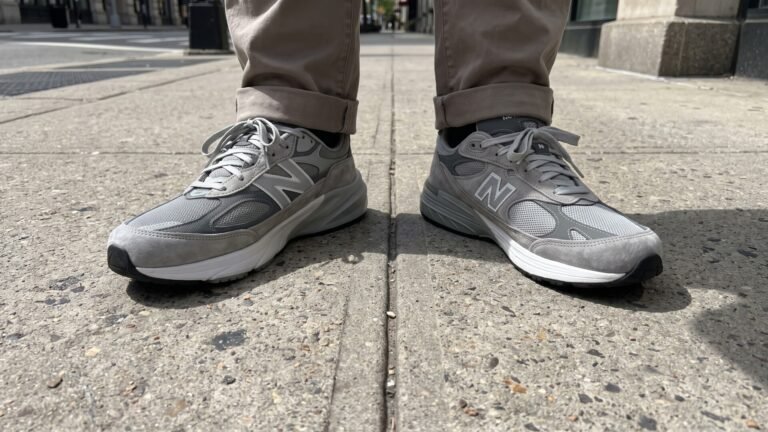
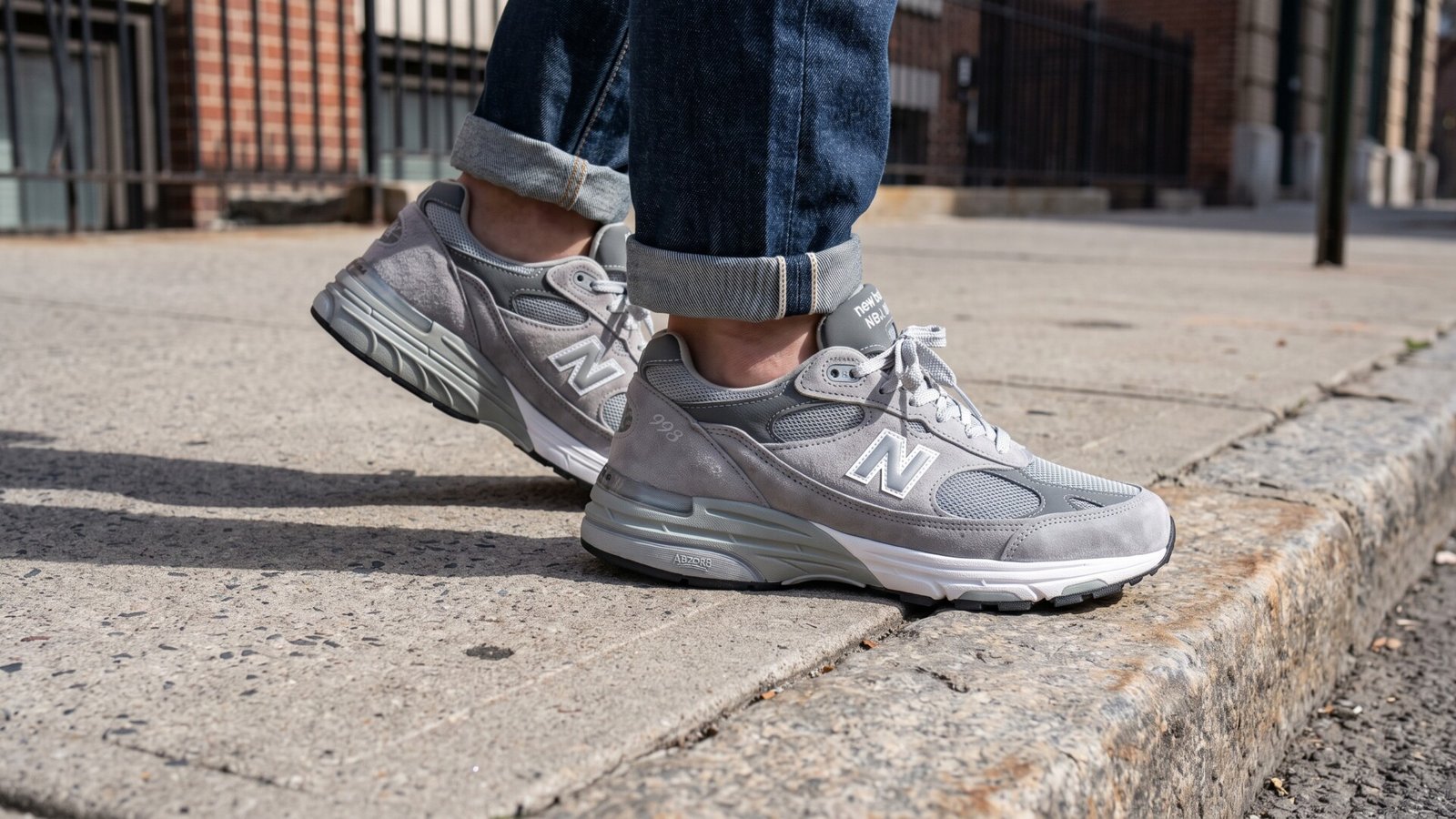
The design language is instantly recognizable. Layered suede panels sit over a breathable mesh base, reflective details catch light at the heel and toe, and that oversized “N” logo does exactly what it’s supposed to do – announces the brand without shouting. The padded collar wraps your ankle in a way that feels almost old-fashioned now, because it is. That’s not a criticism. That’s the point.
Here’s the thing about the 993’s appearance: it rode the “dad shoe” wave and then outlasted it. When the normcore trend hit a few years back, this silhouette suddenly looked intentional rather than dated. But unlike some retro models that only make sense as a fashion statement, the 993’s shape signals something more practical. It looks like a shoe that means business, because it does. The bulk isn’t decoration. It’s structure.
From an ownership perspective, the materials deserve some respect. Suede and mesh give the upper texture and visual depth that cheap synthetic panels can’t match. But that premium feel comes with a maintenance cost. Lighter colorways – especially the iconic gray – will show dirt, scuffs, and water stains more readily than darker versions. If you live somewhere wet or you’re not willing to brush suede every couple of weeks, that’s a real consideration.
The market position is interesting too. The 993 retails around $200 to $220, which puts it above ordinary lifestyle sneakers but below the limited-edition madness of hyped collabs. It competes through construction, comfort, and cultural relevance rather than scarcity. You can buy it whenever you want, in your size, without fighting a bot. That’s increasingly rare in this category, and it’s worth something.
Comfort and Everyday Performance
Let’s get to the reason most people land on this page. The 993’s comfort reputation is earned, but it’s not the kind of comfort you might expect. This isn’t a cloud-like, sink-in sensation. It’s not a springy, energetic ride that makes you want to run. The cushioning is stable, protective, and balanced – the kind of feel that doesn’t announce itself but quietly carries you through an entire day.
That distinction matters more than most reviews let on. Soft foam feels amazing in the store for about twenty minutes. Then your feet start working harder to maintain stability, and by hour six you’re wishing you’d bought something with more structure. The 993 goes the other direction. The broad platform and supportive build keep your foot in a neutral, comfortable position whether you’re walking city streets or standing on concrete for a shift. It reduces the sense that the shoe is asking your feet to work hard.
The break-in experience is worth understanding before you buy. The upper is generally comfortable from the first wear – the padded collar and mesh don’t need much time to soften. But the overall feel is firm and structured, especially compared with the plush foam beds of modern lifestyle sneakers. Some buyers love that immediately. If you’ve spent time in shoes that feel like they’re holding your foot properly rather than just cushioning it, you’ll get it. If you’re used to squishy soles, give it a few days before you judge.
Let’s break down the use cases because they’re not all equal:
Walking: This is where the 993 shines. City walking, errands, long museum days, theme parks – the stable cushioning and roomy forefoot handle hours of movement without the hotspots you get in narrower shoes. It’s a strong choice for people who walk more than they stand.
Standing: Good for workdays where stability matters. The broad platform spreads pressure well, and the structured heel keeps you planted. The weight becomes more noticeable after many hours, though. If you’re on your feet for ten-hour shifts, lighter options like the 990v6 might serve you better.
Travel: Comfortable and versatile, but bulky. The 993 takes up serious space in luggage, and the lace-up construction is slower through airport security than a knit slip-on. If you’re a one-bag traveler, this isn’t your shoe.
Gym and running: Acceptable for casual gym use – light lifting, treadmill walking, machine work. But this is not a modern running shoe. The weight and cushioning character aren’t designed for high-impact training or pace work. Don’t buy the 993 expecting to log miles in it.
The contrarian point: the 993’s comfort isn’t about feeling light. It’s about reducing the sense that the shoe is asking your feet to work hard. That’s a different kind of comfort, and it’s the kind that keeps people loyal for years.
Fit, Sizing, and Width Options
Sizing questions dominate every New Balance discussion, so let’s answer them directly. Start with your usual New Balance size. The 993 generally runs true to size for most wearers. But foot shape, sock thickness, and production variation can shift the fit, so check the retailer’s return policy before you commit.
The fit profile is distinctive. You get a structured heel that holds you securely, a midfoot that wraps without squeezing, and a forefoot that’s noticeably roomier than most fashion sneakers. If you’ve spent years in narrow European brands, the 993 will feel positively spacious in the toe box. That’s a feature, not a bug.
Width availability is the 993’s secret weapon. New Balance offers this model in multiple widths – typically D for standard, 2E and 4E for wider feet, and sometimes B for narrower. That’s almost unheard of in premium lifestyle sneakers. For anyone with broad feet, high-volume feet, bunions, or recurring pressure at the little-toe area, this alone justifies the price.
But the fit isn’t universal. People with narrow feet may find the standard width too voluminous, especially through the heel and midfoot. Buyers accustomed to soft, sock-like uppers – think knit runners from Nike or Adidas – may find the 993’s structured interior more rigid than expected. Neither is a dealbreaker, but both are worth knowing before you buy.
Practical buying advice:
- Measure both feet late in the day. Feet swell, and your afternoon size is the one that matters.
- Wear the socks you’ll actually use with the shoe. Thick athletic socks change the fit completely.
- Don’t automatically size up to create width. Try a wider width option first – that’s what it’s there for.
- Check whether your chosen retailer stocks your color in your width. Not every colorway comes in every width.
Durability and Long-Term Ownership
Here’s where the 993’s price tag starts to make sense. The construction is genuinely built for the long haul. Layered suede and mesh uppers hold their structure, reinforced panels resist stretching, and the substantial outsole rubber handles regular pavement contact without wearing through quickly. The midsole is dense and supportive, designed for years of use rather than a season of trend-driven wear.
That doesn’t mean the 993 is indestructible. Every shoe has weak points, and knowing them helps you manage expectations. Suede scuffing is the most common cosmetic issue – the toe and heel areas will pick up marks from curbs, car pedals, and general life. Mesh discoloration happens over time, especially in lighter colorways. The outsole will smooth out with heavy use, reducing traction. And the cushioning will gradually compress, though the 993’s firm character means the degradation is less noticeable than with ultra-soft foams that bottom out quickly.
Maintenance isn’t complicated, but it’s not optional either:
- Use a suede-safe brush and cleaner for the upper panels.
- Avoid saturating the shoe. Water is the enemy of both suede and adhesive.
- Rotate pairs if you’re wearing them daily. Every day in the same shoe accelerates breakdown.
- Use shoe trees or structured storage if preserving shape matters to you.
The value calculation comes down to frequency. At around $200 to $220, the 993 is an expensive occasional sneaker and a reasonable investment for daily wear. Run the numbers: at 150 wears, you’re looking at roughly $1.35 to $1.50 per wear. At 300 wears – very achievable over two to three years of regular rotation – the effective cost drops below $1 per wear. That’s the math that justifies the premium.
Obviously, your actual durability depends on walking volume, weather, body weight, gait, cleaning habits, and whether you rotate. These figures are planning illustrations, not guarantees. But the direction is clear: the 993 rewards people who wear it.
Style, Versatility, and Cultural Relevance
Why do people buy the 993 when perfectly comfortable sneakers exist for half the price? The answer is about more than cushioning.
Styling is the obvious starting point. Gray 993s work with denim, fatigue pants, chinos, sweatpants, and even relaxed tailoring. The neutral colorway disappears under most outfits while the silhouette adds a deliberate, considered element. Darker versions – black, navy, charcoal – are easier to keep clean and read slightly more formal in casual settings. If you’re building a one-shoe wardrobe around the 993, gray is the classic choice. If you want lower maintenance, go darker.
But let’s be honest about the silhouette. The 993 is broad, technical, and visually substantial. It adds weight to an outfit – sometimes literally, always visually. It looks right with straight or relaxed-leg trousers, workwear-inspired clothing, and simple neutral streetwear. It looks awkward with sharply tapered pants that bunch around the ankle, and it will never work with formal outfits. This is a shoe that needs room to breathe in your outfit.
The cultural positioning is where the 993 gets interesting. New Balance has undergone a remarkable shift from practical comfort brand to influential lifestyle label, and the 993 sits at the center of that transformation. It’s worn by people who genuinely need all-day comfort and people who appreciate the quiet signal of a well-made, non-hype product. It carries none of the pressure of limited-edition collaborations – you’re not worried about scuffing a $500 investment. The appeal comes from credibility, familiarity, and a kind of understated premium that doesn’t need a logo to announce itself.
Trend longevity is favorable. The 993 is connected to a broader preference for comfortable, retro technical sneakers that shows no sign of disappearing. But fashion moves in cycles, and slimmer silhouettes will eventually regain ground. If you’re buying for the long term, choose a neutral colorway that works regardless of what’s trending. The gray 993 has already outlasted multiple trend cycles. There’s no reason to think it stops now.
What Most Buyers Get Wrong About the 993
Let’s clear up some misconceptions before you spend money.
First, the Made in USA label doesn’t automatically make the 993 the best New Balance for you. It’s a quality signal, sure – domestic production generally means better materials and tighter quality control. But the right shoe depends more on your weight, foot shape, and desired ride than on the country of manufacture. A 990v6 might serve a lighter, more active buyer better. A Fresh Foam model might suit someone who wants modern plushness. Don’t buy the 993 because it’s the most premium option. Buy it because it fits how you actually use a shoe.
Second, “comfortable” doesn’t mean universally soft. This is the most common misunderstanding. The 993’s comfort is about stability, support, and reducing fatigue – not about feeling like you’re walking on marshmallows. If you want a springy or lightweight sensation, you’ll be disappointed. The 990v6 or Fresh Foam line will serve you better. The 993 is for people who want their feet held properly, not coddled.
Third, the 993 is not primarily a fashion purchase. Yes, it looks great and carries cultural cachet. But its strongest justification is repeated wear – commuting, walking, standing, living in it. If you’re buying it as an occasional statement sneaker to rotate once a month, you’re paying a premium for benefits you won’t use. There are cheaper, trendier options for that purpose.
Fourth, gray is iconic but not always the best first purchase. The gray 993 is the definitive version, the one that appears in every history of the shoe and every street style shot. But if you live in a wet climate, work in environments where shoes get dirty, or simply don’t want to maintain light suede, a black or darker colorway is the smarter buy. You can always add the gray later. Start with the version you’ll actually wear.
New Balance 993 vs Alternatives
| Shoe | Main advantage | Main drawback | Best for | Value verdict |
|---|---|---|---|---|
| New Balance 993 | Stable comfort and classic construction | Heavy, substantial shape | Walking, standing, wide feet, everyday wear | Best all-round comfort choice |
| New Balance 990v5 | Familiar classic styling and frequent discounts | Less modern cushioning feel | Buyers wanting a traditional New Balance look | Better value when discounted |
| New Balance 990v6 | Lighter, more modern ride | More technical appearance and higher perceived fashion risk | Buyers wanting comfort with more bounce | Best modern alternative |
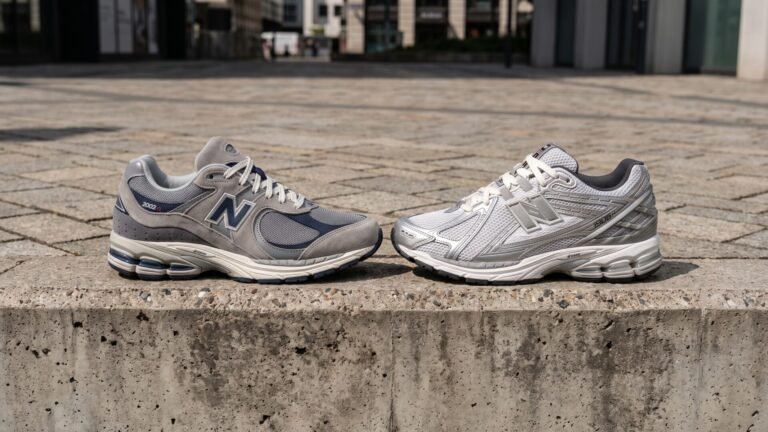
| New Balance 2002R | Lower price and strong lifestyle appeal | Less premium construction and different fit feel | Fashion-led buyers on a tighter budget | Better style-per-dollar option |
| New Balance 574 | Affordable, recognizable, and casual | Less supportive for long days | Occasional wear and casual outfits | Best budget option |
Decision guidance:
Choose the 993 over the 990v5 for a more substantial, supportive feel. The v5 is a fine shoe, but it’s an older design with a firmer, less refined ride. If the v5 is meaningfully discounted, though, it becomes a compelling value play.
Choose the 993 over the 990v6 if you prefer a stable traditional platform. The v6 is lighter, more flexible, and has a modern FuelCell midsole that gives it a livelier feel. If you want bounce and contemporary comfort, go v6. If you want the classic New Balance experience, stick with the 993.
Choose the 993 over the 2002R if long-day comfort and build quality matter more than trend-driven styling. The 2002R is a great lifestyle shoe at a lower price, but it doesn’t match the 993’s support or material quality.
Choose the 574 if budget is the central constraint and you won’t be walking or standing extensively. The 574 is a classic, but it’s a casual shoe, not an all-day workhorse.
Is the New Balance 993 Worth It?
Here’s the direct answer: the 993 is worth its typical premium price for frequent wearers who will use its comfort and width options. It is poor value if you’re buying it mainly for occasional styling.
The hidden cost of choosing wrong is real. A shoe can look affordable on sale but become expensive if its fit causes discomfort, it doesn’t match your wardrobe, or its heavy build means it sits unworn in your closet. The 993’s price only makes sense when you actually wear it. That’s the ownership equation.
Sale strategy matters. Full price is defensible when you need a specific width or color that rarely discounts. The 993 in standard widths and popular colorways does go on sale periodically, and discounts improve the value case considerably – especially if you’re comparing it with the 990v5 or 990v6. But avoid buying a difficult-to-return size just because a limited color is discounted. Fit issues aren’t worth saving $40.
Two-year relevance is solid. The comfort-first sneaker trend and New Balance’s retro performance aesthetic have durable cultural appeal. The 993 should still look right in 2027, which is more than you can say for most hyped releases. If trend longevity matters to you, choose a neutral colorway and you’re set.
The overall verdict: the 993 is a better ownership purchase than a hype purchase. It doesn’t appreciate in value. It doesn’t turn heads at a sneaker meetup. It carries you through thousands of steps, keeps your feet happy, and still looks good when the trend cycle moves on. That’s a different kind of return on investment.
Who Should Buy the New Balance 993?
- Buyers who spend long periods walking, commuting, or standing.
- People who need a roomier forefoot or multiple width options.
- Shoppers who prefer stable, protective cushioning over a lightweight, fast feel.
- Anyone seeking a premium gray sneaker with practical styling range.
- New Balance fans who want a classic Made in USA model with strong everyday credibility.
Who Should Skip the New Balance 993?
- Buyers who want the lightest possible sneaker.
- People seeking a soft, sock-like upper or highly energetic running feel.
- Shoppers whose main priority is the lowest price.
- Buyers who wear mostly slim trousers and want a narrow, streamlined silhouette.
- Anyone purchasing only for hype or resale potential. Standard 993 colorways should be treated as wearable sneakers, not guaranteed investments.
Final Verdict
The New Balance 993 is the overall winner for comfort-first everyday wear – especially walking, commuting, standing, and wide-foot support. Its combination of stability, durable materials, classic styling, and width availability gives it a stronger ownership case than most trendier alternatives. The 990v6 is the choice for a lighter, more modern ride. The 990v5 makes sense at a better sale price. The 2002R delivers lower-cost lifestyle styling. But if the 993’s substantial shape and premium price are acceptable to you, it’s one of the safest New Balance purchases for repeated daily wear. Buy it, wear it, and stop thinking about your feet.
Frequently Asked Questions About New Balance 993
Is the New Balance 993 good for walking?
Yes, it’s one of the strongest walking shoes New Balance makes. The stable cushioning, broad platform, and supportive upper handle hours of pavement without hotspots or fatigue. The only caveat is weight – if you prefer lightweight shoes, you may notice the 993’s heft on long walks.
Does the New Balance 993 run true to size?
Generally, yes. Most wearers should start with their usual New Balance size. But foot shape, sock thickness, and production variation can shift the fit, so check the retailer’s return policy. If you need width, try a wider option rather than sizing up.
Is the New Balance 993 good for wide feet?
Excellent. This is one of the main reasons people choose the 993 over competitors. The forefoot is naturally roomier than most fashion sneakers, and New Balance offers multiple width options – typically up to 4E. Just check that your chosen colorway and retailer stock your width.
Is the New Balance 993 worth the price?
It depends entirely on how often you’ll wear it. At $200 to $220, it’s a solid investment for daily use – the comfort, construction, and width options justify the cost. If you’re buying it for occasional wear, cheaper options make more sense.
How does the New Balance 993 compare with the 990v6?
The 993 offers a stable, traditional, substantial feel with a roomier fit. The 990v6 is lighter, more flexible, and has a livelier FuelCell midsole. Choose the 993 for classic comfort and support. Choose the v6 for a more modern, energetic ride.
Can you wear the New Balance 993 to work?
It works well for casual, creative, and workwear-oriented settings. The structured silhouette and premium materials read as intentional rather than sloppy. But it’s still an athletic shoe – formal workplaces with strict dress codes will require something else.
How do you clean New Balance 993 sneakers?
Start with dry brushing to remove loose dirt from the suede. Use a cleaner designed for suede and mesh, applied gently with a soft brush. Avoid saturating the shoe with water. Always check the care guidance for your specific colorway, as darker and lighter versions can behave differently.