New Balance 1000 Review
Here’s the thing about the New Balance 1000: it looks like it could run a marathon, and that is exactly the trap.
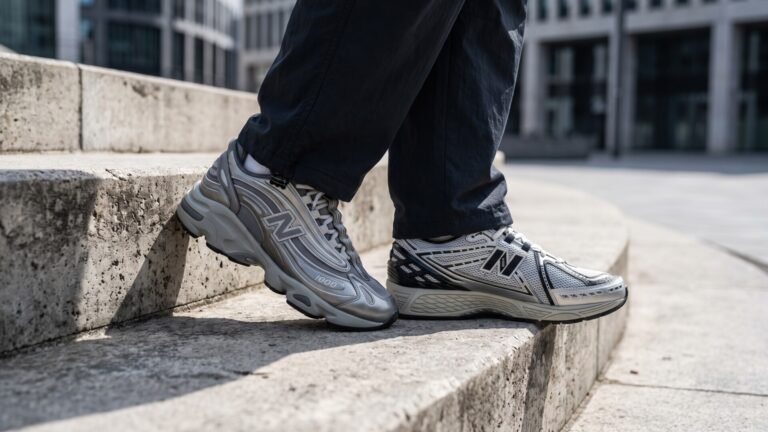
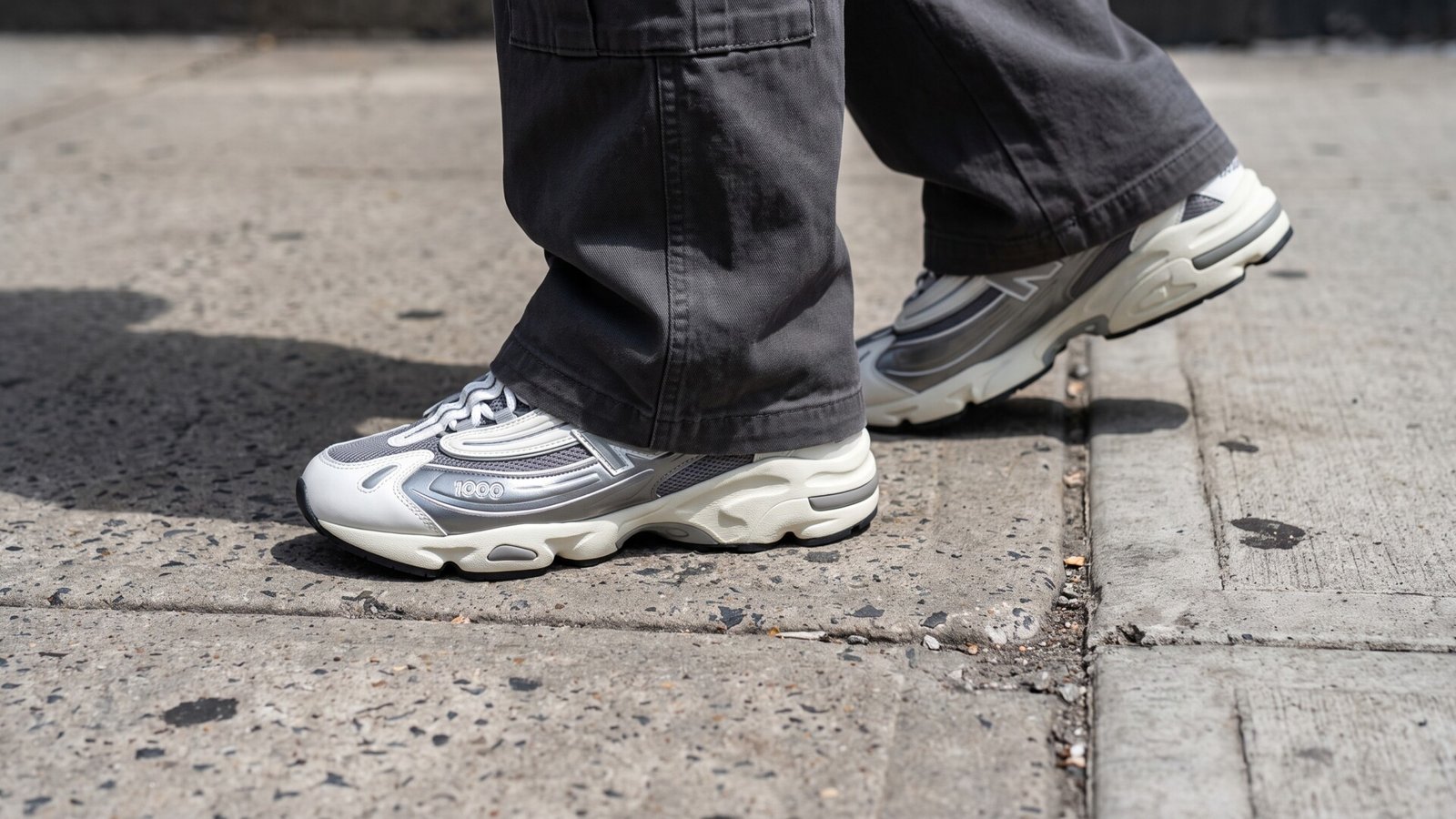
This shoe has blown up because it nails the whole futuristic Y2K retro-runner vibe that everyone is chasing right now. Layered uppers, metallic hits, that aggressive early-2000s performance look. It is genuinely striking, and it is a solid choice if you want a sneaker that actually looks like something instead of another gray blob on feet.
But here is where buyers get stuck. The 1000 is not a running shoe. It was never meant to be one in its current form. And compared to familiar models like the 1906R or the 2002R, it is a different kind of animal entirely – more visually loud, less universally easy, and absolutely not the automatic best New Balance for every foot out there.
So let’s get the verdict out early. The New Balance 1000 is worth buying for style-conscious daily wear, commuting, and casual walking. It is not the shoe for runners, and it is not the default pick if you need a soft, supportive, all-day workhorse. Keep reading, because the details of fit and comfort are where this decision actually gets made.
At a Glance: New Balance 1000 Review Verdict
Before we get into the weeds, here is the short version. The 1000 is a strong lifestyle sneaker with a distinctive look, but it earns its keep on style and casual comfort, not athletic performance.
| Category | Verdict |
|---|---|
| Overall rating | Strong lifestyle sneaker with a distinctive early-2000s look |
| Comfort | Good for daily wear and casual walking; not a dedicated running shoe |
| Fit | Generally true to size, with width and foot-shape caveats |
| Style | Futuristic, technical, and more distinctive than the 2002R |
| Durability | Solid upper and outsole for normal lifestyle use |
| Value | Best at retail or sale pricing, less compelling at inflated resale prices |
| Best for | Commuting, casual walking, streetwear, and Y2K-inspired outfits |
Quick recommendations
Buy the New Balance 1000 if: you want a noticeable, technical-looking sneaker that works with loose denim, cargos, and modern streetwear. This is a shoe that starts conversations, and it earns that attention.
Choose the New Balance 1906R instead if: you prefer a more established runner-inspired silhouette with broader styling familiarity. The 1906R has been around longer, and it shows – it slides into more outfits without thinking.
Choose the New Balance 2002R instead if: you want a softer, more understated look and prioritize easy everyday wear. The 2002R is the quiet professional of the group.
Skip the New Balance 1000 if: you need a true running shoe, a highly breathable summer sneaker, or a naturally wide fit. None of those are what this model does best.
Our editor’s choice: the New Balance 1000 is the best option for buyers prioritizing visual impact and trend relevance, but the 2002R may be the safer all-purpose purchase for anyone who wants one pair to do everything.
What the New Balance 1000 Is Designed to Be
New Balance has a deep archive of performance runners from the early 2000s, and the 1000 pulls straight from that era. The layered upper, the technical overlays, the metallic accents – all of it references a time when running shoes looked like equipment from a sci-fi movie. That was the point then, and it is the point now.
But here is the distinction that matters. The original 1000 was a performance shoe for its time. The current version is a lifestyle sneaker that borrows that performance identity for its looks. New Balance is not pretending otherwise. This is a shoe designed to be worn with jeans and cargos, not to shave minutes off your 5K.
That positioning makes complete sense for the current market. Retro runners are everywhere, Y2K styling is having a real moment, and silver and metallic sneakers have been dominating feeds for a couple of years now. The 1000 sits right in the middle of all of that demand. It is more visually aggressive than the 2002R, less established than the 1906R, and completely separate from anything in New Balance’s current performance running lineup.
Buyers who understand that going in will have a much better time. The 1000 is a fashion-forward everyday sneaker with a nostalgic performance design. Treat it as anything else and you will be disappointed.
Design, Style, and Everyday Versatility
The 1000 is not a shoe that blends in. That is its whole reason for existing.
Visual appeal and trend position
The layered, engineered appearance is the first thing you notice. Panels of mesh and synthetic material stack on top of each other, and the metallic or contrasting details push the whole thing toward the futuristic end of the spectrum. Compared to a traditional gray New Balance runner, the 1000 looks like it belongs in a different decade – which is exactly the appeal.
This is a more fashion-forward shoe than most of what New Balance releases. If you want a sneaker that reads as part of an outfit rather than just footwear, the 1000 delivers that immediately. It has presence.
The flip side is that presence can age quickly. Buyers who prefer minimalist footwear should think hard before committing. The exaggerated metallic styling that looks incredible now might feel dated in a few years, especially if the Y2K trend cools off. Neutral gray and black colorways will hold up longer than the loud silver and blue joints, so consider how long you plan to keep these in rotation.
Styling advice
The 1000 works best when you lean into its proportions. Here is what actually looks good:
- Loose or straight-leg denim balances the technical upper. Skinny jeans make the shoe look heavy and bulbous.
- Cargo trousers, nylon pants, and relaxed utility clothing create a coordinated technical look that matches the shoe’s energy.
- Shorts and athletic basics work for casual summer outfits, but pay attention to sock height. Crew socks read more intentional than no-shows with this silhouette.
- Avoid overly slim trousers unless you want the shoe to visually dominate everything above it.
The broader point: the New Balance 1000 is easier to style as a statement sneaker than as a neutral daily uniform shoe. If you want something that disappears under a pair of black jeans and lets the rest of your outfit do the talking, this is not it. If you want the shoe to be part of the conversation, it absolutely will be.
Comfort, Cushioning, and Real-World Wear
Comfort is where the 1000 separates itself from the hype. It is good, but “good” means different things depending on what you need.
Walking and standing comfort
Underfoot, the 1000 offers a ride that sits somewhere between the 1906R and the 2002R. It is not as soft and plush as the 2002R, which has a more cushioned, almost pillowy feel. It is also not as firm and stable as the 1906R, which leans into its technical runner heritage. The 1000 lands in the middle – comfortable enough for errands, commuting, and casual walking, without feeling like a marshmallow or a plank.
The initial step-in feel is solid. There is enough cushioning to make the first few hours easy. But the real test is hour eight, and that is where the 1000 reveals its limits. This is not a shoe designed for standing on concrete all day. The midsole does not have the softness or the support architecture of a dedicated work or walking shoe.
If you are on your feet for full shifts, do not assume a retro runner equals a work shoe. Fit, foot shape, and your own tolerance matter far more than the brand name on the side. Some people will find the 1000 perfectly fine for eight hours of standing. Others will feel every minute of it. That variability is why trying them on, or at least buying from a retailer with a decent return policy, matters so much.
Breathability and seasonal use
The layered upper that gives the 1000 its distinctive look also makes it less airy than a simple mesh sneaker. Those multiple panels trap more heat, which is fine for spring and fall but can get uncomfortable in peak summer or hot climates.
For travel and moderate use, the 1000 is a solid choice. It handles airport walking, city exploring, and general daily movement well. But if you live somewhere that hits 90 degrees with humidity for months at a time, and you strongly prefer lightweight, highly breathable footwear, this is not the shoe for those months.
Limits of the comfort
Let’s be direct. The New Balance 1000 is a lifestyle sneaker, not a replacement for a current New Balance running model. It does not have the energy return, the weight, or the engineered support of something like the Fresh Foam or FuelCell lines. Anyone expecting running-shoe performance from a retro-styled lifestyle model is setting themselves up for disappointment.
Buyers with specific support needs – plantar fasciitis, flat feet, overpronation – should not assume this shoe addresses those issues. Consult a footwear professional and check the current product specifications before buying. Cushioning alone does not guarantee comfort. Heel hold, forefoot space, and sock choice can matter more over a full day than the thickness of the midsole.
Fit and Sizing: Is the New Balance 1000 True to Size?
Most buyers should start with their usual New Balance size. The 1000 fits true to size for average-width feet, and that is the recommendation we stand behind.
But fit is not just about length. The toe box offers reasonable space, the midfoot has decent volume, and the heel hold is secure for most foot shapes. The combination works well for a lot of people, which is why the true-to-size recommendation holds for the average foot.
Wide-footed buyers need to pay closer attention. The 1000 is not a naturally wide shoe, and not every colorway is offered in a wide width. Check the specific release you want before ordering. Do not assume that sizing up will solve a width problem – adding length to fix width usually creates heel slippage, which is its own annoyance.
Half-size adjustments make sense in specific situations. If you wear thick socks, have feet that sit between sizes, have a high instep, or simply prefer extra toe room, going up half a size is reasonable. Just understand the tradeoff: extra length can mean your heel moves around more than you want.
Here is a simple fit decision framework:
- Narrow or average feet: start true to size.
- Wide forefoot: investigate width availability before buying.
- High instep: check upper pressure and return terms.
- Between sizes: choose based on sock thickness and preferred toe room, not only length.
The smartest move is buying from a retailer with a straightforward return policy. Fit is personal, and no review can tell you exactly how a shoe will feel on your specific feet.
Materials, Build Quality, and Durability
The 1000 is built to hold up for normal lifestyle use. The mesh, synthetic overlays, and rubber outsole are all solid for daily wear, and the construction quality is consistent with what New Balance puts out across its lifestyle line.
But some areas will show wear before others. Light-colored mesh is the first thing to look dirty, especially if you wear these in urban environments. The toe area will crease with use – that is just what shoes do. Overlay scuffs happen when you catch curbs or kick things. And the outsole will wear down with regular walking, which is normal and expected.
The layered upper is moderately easy to clean if you stay on top of it. Dry dirt brushes off without much trouble, and a mild sneaker cleaner handles most stains. The tricky parts are the reflective, metallic, or delicate printed details. Those need gentler treatment, and aggressive scrubbing can damage them.
One practical note: busy colorways hide minor wear better than white or silver-heavy versions. If you want a pair that still looks fresh after months of use, a darker or more patterned colorway is the practical choice, even if the clean silver pairs look better in photos.
Maintenance advice
Keep these in rotation and they will look good for a long time. The maintenance is not complicated:
- Brush away dry dirt before using any cleaner.
- Use a soft brush and mild sneaker cleaner on mesh and synthetic sections.
- Avoid aggressive scrubbing on reflective, metallic, or delicate printed details.
- Air-dry naturally and avoid placing the shoe against direct heat.
- Use sneaker trees or paper stuffing for storage if you want to reduce creasing.
How the New Balance 1000 Compares With Alternatives
The 1000 does not exist in a vacuum. New Balance has a deep lineup of retro runners, and several of them compete for the same buyer. Here is how they stack up.
| Model | Best for | Style | Comfort profile | Main drawback | Value verdict |
|---|---|---|---|---|---|
| New Balance 1000 | Technical Y2K-inspired everyday style | Futuristic and layered | Comfortable for casual wear | Less versatile for minimalist outfits | Buy at retail or sale pricing |
| New Balance 1906R | Established retro-runner styling | Technical but familiar | Stable everyday comfort | Can feel visually busy | Strong alternative for trend-conscious buyers |
| New Balance 2002R | Understated daily wear | Softer and more classic | Cushioned lifestyle comfort | Less distinctive than the 1000 | Safer all-purpose purchase |
| New Balance 530 | Budget retro-runner styling | Slimmer and simpler | Light casual comfort | Less substantial build and presence | Good lower-cost option |
| New Balance 990v6 | Premium everyday versatility | Refined performance heritage | Supportive, premium-feeling ride | Much higher price | Worth it for long-term wardrobe use |
New Balance 1000 vs 1906R
The 1000 is the more visually distinctive option. There is no contest there. The layered upper and metallic details give it a futuristic edge that the 1906R does not try to match.
The 1906R, though, has stronger recognition and a more familiar runner profile. It has been around longer, more people know what it is, and it slides into an existing sneaker rotation with less friction. If you want a shoe that looks like it belongs in 2025, the 1000 wins. If you want a technical runner that has proven its styling staying power, the 1906R is the safer bet.
Before paying resale premiums on either, compare current pricing and availability. Both models have colorways that fluctuate in price, and neither is worth overpaying for when retail stock or sales are available.
New Balance 1000 vs 2002R
The 2002R is the safer recommendation for understated daily wear. It is softer, more cushioned, and visually quieter. If you want one pair that works with almost everything and does not demand attention, the 2002R is the answer.
The 1000 makes more sense for buyers who see the shoe as part of an outfit rather than simply a comfortable neutral. It is a statement piece. That is not a criticism – it is the point of the shoe.
The decision between these two should come down to style preference, foot shape, and sale pricing rather than hype alone. Both are good shoes. They are just good at different things.
What Most Buyers Get Wrong About the New Balance 1000
Let’s clear up the misconceptions before they cost you money.
Mistake: treating it as a running shoe. The performance-inspired design does not make it a current training or racing shoe. It is a lifestyle sneaker with a nostalgic athletic look. Run in it if you want, but do not expect modern running performance.
Mistake: assuming every New Balance model fits the same. New Balance has a reputation for consistent sizing, but that reputation is not a substitute for checking this model’s fit and the retailer’s returns policy. The 1000 fits differently from the 2002R, which fits differently from the 990v6.
Mistake: buying the loudest colorway for maximum versatility. Metallic and high-contrast versions are fashionable, but they are harder to wear daily. If you want one pair that works with most of your wardrobe, the neutral colorways are the practical choice.
Mistake: paying resale prices for a lifestyle sneaker. Unless a colorway is genuinely scarce or personally important to you, waiting for retail availability or a sale usually improves the value. This is not a limited collaboration with a hard cap on production. It is a general release sneaker.
Mistake: judging comfort from the first five minutes. The initial step-in feel tells you almost nothing about how a shoe performs at hour six. Check heel security, forefoot pressure, and how the shoe feels after extended walking before you commit.
Value, Cost Per Wear, and Ownership Outlook
At retail, the New Balance 1000 sits in a reasonable spot for a lifestyle sneaker. It is priced below the premium 990v6, generally in line with the 1906R, and above the budget-friendly 530. The 2002R can vary depending on the colorway and release.
The best purchase price is retail or a modest sale discount. Inflated resale prices are hard to justify for a general release lifestyle model. The shoe’s value comes from wearing it, not from holding it.
Think about cost per wear, because that is the number that actually matters:
- Occasional wear: the shoe needs to remain appealing over several seasons to justify the purchase. If you only wear it once a month, the style needs to stay relevant for years.
- Weekly wear: versatility and easy cleaning become more important than launch-day hype. A pair you wear every week needs to work with multiple outfits and stay presentable.
- Frequent commuting: comfort, outsole wear, and weather resistance matter more than colorway scarcity. This is where the 1000’s limits show – it is fine for daily commutes, but it is not built like a dedicated walking shoe.
Trend longevity is worth considering. Retro runners are likely to remain relevant for a while – the market has been moving this direction for years. But the most exaggerated metallic styling may date faster than neutral gray or black colorways. If you want a pair that still looks current in three years, the quieter colorways are the smarter buy.
Resale considerations are straightforward: original packaging and clean condition help if you ever sell, but lifestyle models should be bought primarily for wearing rather than as investments. The 1000 is not a shoe you buy to flip.
Who Should Buy the New Balance 1000?
This shoe has a clear audience, and if you are in it, you already know.
Buy it if you want a more distinctive alternative to the 2002R or 530. The 1000 gives you the retro-runner comfort with a visual identity that actually stands out.
Buy it if you are building a Y2K, technical, utility, or relaxed streetwear wardrobe. This shoe was made for that aesthetic.
Buy it if you commute and walk casually without needing a dedicated athletic shoe. It handles daily movement well.
Buy it if you like layered construction and do not mind regular cleaning. The upper needs more care than a simple mesh sneaker.
Buy it if you can get it at retail or below retail. That is the price where the value makes sense.
Who Should Skip It?
Equally important is knowing when to walk away.
Skip it if you are a runner seeking a shoe for training, speed work, or long-distance performance. This is not that shoe.
Skip it if you want an extremely lightweight and breathable sneaker. The layered upper adds weight and warmth.
Skip it if you have wide feet and the available width does not provide enough room. Sizing up is not a real solution.
Skip it if you are a minimalist dresser who prefers a low-profile, simple upper. This shoe is the opposite of minimal.
Skip it if you are considering paying a substantial resale premium without a strong personal reason. The value is not there.
Final Verdict: Is the New Balance 1000 Worth It?
Yes – for the right buyer. The New Balance 1000 is worth buying at retail or on sale if you value its futuristic retro-runner design, casual comfort, and current streetwear relevance. It is not the universal best New Balance sneaker, and pretending otherwise does nobody any favors.
Here is the decision framework:
- Choose the New Balance 1000 for standout style and a more directional everyday sneaker.
- Choose the New Balance 1906R for a familiar technical runner with broad styling appeal.
- Choose the New Balance 2002R for the safer, more understated all-purpose option.
- Choose the New Balance 530 when lower cost and a lighter retro look matter most.
- Choose the New Balance 990v6 when premium construction and long-term wardrobe versatility justify the higher price.
The editorial winner: the New Balance 1000 wins for style-led buyers who want their sneakers to make a statement. The 2002R remains the better default recommendation for shoppers who want one low-risk everyday pair that works with everything.
Frequently Asked Questions About New Balance 1000
Is the New Balance 1000 comfortable?
It should be comfortable for casual walking and daily wear for many people, but comfort depends on fit, foot shape, socks, and personal preference. It should not be treated as a current performance running shoe.
Does the New Balance 1000 run true to size?
Most average-width feet should start with the usual size, then check retailer-specific fit information and return policies. Wide feet and high insteps may need closer attention.
Is the New Balance 1000 good for walking?
It can work well for errands, commuting, and casual walking. Buyers who walk long distances every day should compare it with a dedicated walking or running shoe.
Is the New Balance 1000 good for wide feet?
Fit depends on the exact release and available widths. Buyers with wide feet should not assume that sizing up will solve width problems.
How does the New Balance 1000 compare with the 1906R?
The 1000 generally offers a more distinctive, futuristic look, while the 1906R has a more established technical-runner profile and may be easier to style for some buyers.
Is the New Balance 1000 worth the price?
It is most compelling at retail or on sale. Resale pricing is harder to justify because the shoe’s value comes mainly from styling and everyday wear, not investment potential.
Can you wear the New Balance 1000 in rain?
Be cautious. It is not a substitute for a waterproof shoe, and wet conditions can stain light mesh and affect delicate upper details. Follow the manufacturer’s care guidance. The one thing to carry into the shop with you: the New Balance 1000 is a style-first lifestyle sneaker, not a performance shoe, so buy it for the look, get it at retail or on sale, and let the 2002R handle the days when you want your feet to disappear.